




2026 Japan Summer Rainy Season & Weather Forecast for July–August
- Written by: LIVE JAPAN Editor
If you're planning a summer getaway, Japan is likely high on your list. With its mix of culture, cuisine, sights, and shopping, it’s easy to see why more travelers are arriving with carefully planned, budget-friendly itineraries.
To make the most of your trip, it’s important to think beyond your itinerary and packing list. Understanding Japan’s summer weather, including the rainy season, can help you avoid too many soggy sightseeing days.
Japan’s summer may seem similar to nearby regions, but its humidity and rainfall can feel quite different. If you’re visiting in July or August, knowing what to expect can make your trip much more comfortable. This guide covers the 2026 summer weather outlook and practical tips for handling the heat.
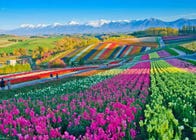
July Weather in Japan
Japan experiences a distinct rainy season known as tsuyu, and during this time, local weather reports provide detailed forecasts focusing on rainfall patterns across the country.
- Okinawa
- ・Average: Start around May 10 / End around June 21
・2026: Started May 4 / Ended June 29
- Amami Region (Kagoshima Pref.)
- ・Average: Start around May 12 / End around June 29 ・2026: Started May 3 / Ended July 1
- Southern Kyushu (Kagoshima, Miyazaki)
- ・Average: Start around May 30 / End around July 15
・2026: Started June 1 / Ended July 13
- Northern Kyushu (Yamaguchi, Fukuoka, Saga, Nagasaki, Kumamoto, Oita)
- ・Average: Start around June 4 / End around July 19
・2026: Started June 4 / Ended July 8
- Shikoku (Tokushima, Kagawa, Ehime, Kochi)
- ・Average: Start around June 5 / End around July 17
・2026: Started June 2 / Ended July 12
- Chugoku (Tottori, Shimane, Okayama, Hiroshima)
- ・Average: Start around June 6 / End around July 19
・2026: Started June 4 / Ended July 8
- Kinki (Osaka, Kyoto, Hyogo, Nara, Wakayama, Mie, Shiga)
- ・Average: Start around June 6 / End around July 19
・2026: Started June 4 / Ended July 8
- Tokai (Gifu, Shizuoka, Aichi, Mie)
- ・Average: Start around June 6 / End around July 19
・2026: Started June 7 / Ended July 20
- Kanto-Koshinetsu (Ibaraki, Tochigi, Gunma, Saitama, Chiba, Tokyo, Kanagawa, Yamanashi, Nagano)
- ・Average: Start around June 7 / End around July 19
・2026: Started June 7 / Ended July 20
Once the rainy season ends, intense heat is expected to follow.
In cities like Tokyo and Osaka, temperatures often exceeded 35°C (95°F) in 2025. If you're planning to visit in late July or early August, prepare for extreme heat and high humidity.
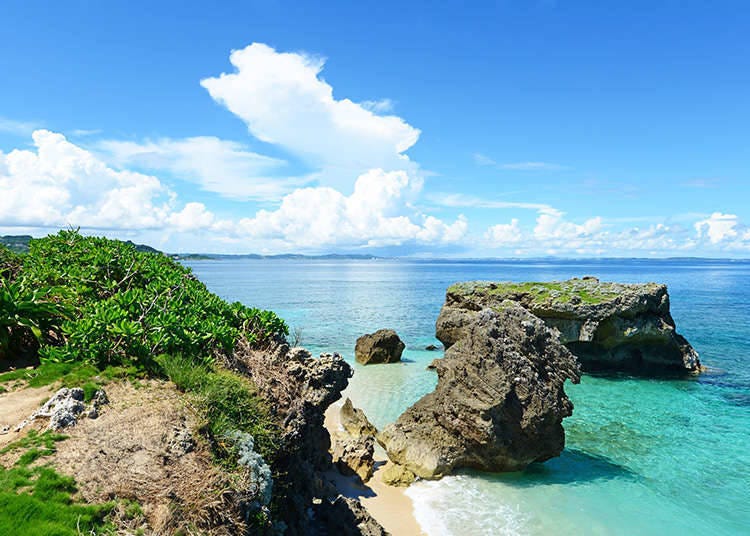
Japan’s Meteorological Agency predicts when the rainy season will end, and estimates usually become more reliable after mid-July.
The rainy season forms when a stationary front settles across much of Japan during the shift from spring to summer. Hokkaido is generally unaffected and does not have a true rainy season. However, it often experiences around two weeks of humid, rainy weather from June to early July, sometimes called a “false rainy season.” For better conditions, aim to visit from mid-July onward.
Japan’s rainy season is known not only for heavy rain, but also intense humidity. Drugstores such as Matsumoto-Kiyoshi and supermarkets stock plenty of seasonal cooling products, with cooling wipes among the most popular. These chilled wet tissues help keep sticky skin feeling fresh and dry.
Even as the rainy season ends, sudden showers and localized downpours, often called guerrilla rainstorms, become more common. Carrying a compact folding umbrella is strongly recommended.
Rainy Season Must-Haves for a Summer Trip to Japan
Rainy Season Essential – Rain Boots
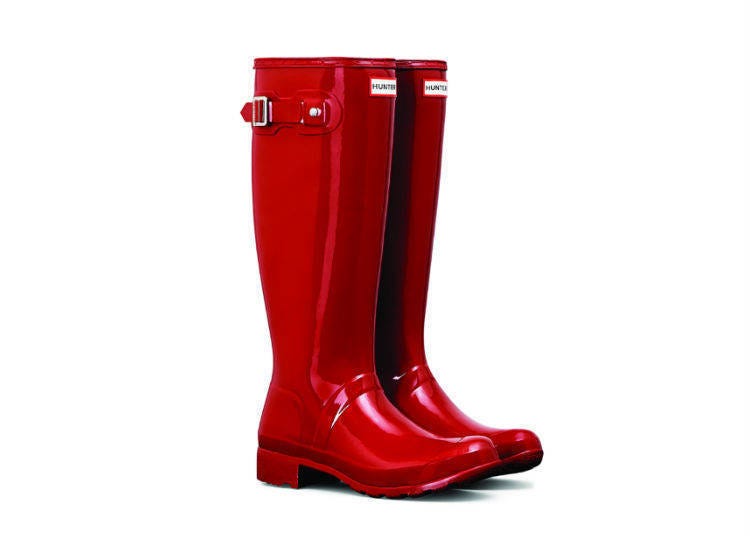
With heavy rain during tsuyu, more and more people in Japan are opting for stylish yet practical rain boots. It’s not uncommon to see women commuting in sleek, fashionable boots on rainy days.
Among the most popular choices are rain boots from the British heritage brand HUNTER. Known for their seamless construction and excellent waterproofing, these boots rose to prominence in the UK during the two World Wars and later gained worldwide popularity through celebrity appearances at high-profile events.
While they’re available globally, picking up a Japan-exclusive pair during your trip could be a fun and practical souvenir. In Tokyo, you can find them on the 1st and 2nd floors of GinzaNovo.
-
Hunter Ginza Flagship Storeハンター銀座フラッグシップストア
-
Address
5 Chome-2-1 Ginza, Chuo City, Tokyo 104-0061
View Map - Phone Number 03-3571-0109
・Hours: 11 AM–9 PM
・Closed: Open daily -
Address
5 Chome-2-1 Ginza, Chuo City, Tokyo 104-0061
Lightweight Folding Umbrella

Waterfront is one of Japan’s most popular umbrella brands, known for its lightweight folding umbrellas that are easy to carry and perfect for everyday use during the rainy season. With UV protection, they double as parasols as well.
According to the brand, tourists from abroad especially love designs with a distinct Japanese flair. While Waterfront umbrellas are available online in other countries, limited-edition models found only in Japan make great souvenirs. During tsuyu, it’s common for locals to carry one of these ultra-light umbrellas in their bag at all times.
Weighing just 166g, some models reveal subtle cherry blossom patterns when wet, giving the umbrella a beautiful 3D look.
Waterfront is so popular in Japan that you'll even find their displays in electronics stores—not just umbrella shops or department stores. With designs compact enough to resemble a pencil case and weighing as little as 100g, their umbrellas are available in a wide variety of men's and women's styles.
If your Tokyo itinerary takes you to Jiyugaoka, consider visiting their flagship store—it's often featured in local travel guides. You might score a great deal on limited editions or even pick up a matching pair for couples.
August Weather in Japan
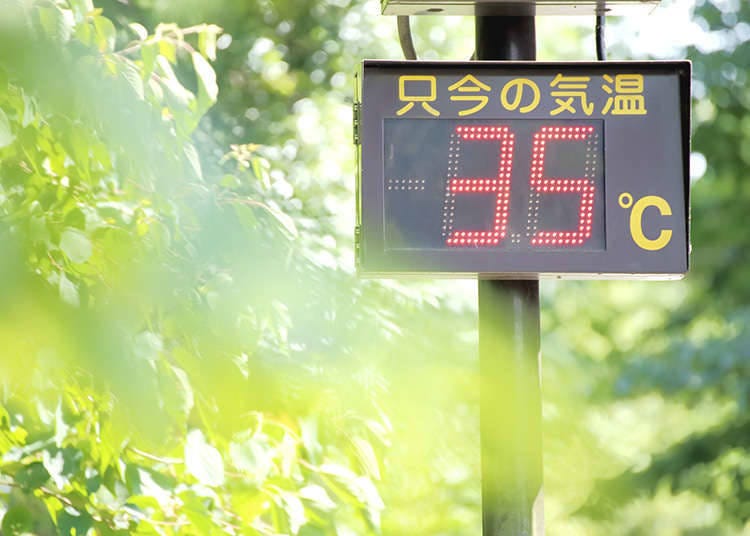
It’s the height of summer—and the peak of the heat. Daytime highs frequently exceed 35°C (95°F), with the sun feeling harsh on the skin. Nights often bring little relief, with lingering heat creating uncomfortable tropical conditions.
One major factor that makes Japan’s summer feel especially intense is the humidity. High moisture levels can push the discomfort index way up. To beat the heat, many travelers opt to duck into department stores or shopping malls for both rest and retail therapy.
If you're visiting in August, checking the morning news at your hotel is a good habit. Even without understanding Japanese, weather maps with temperature icons make it easy to track the day’s forecast.
Heat-Relief Essentials
・Cooling Scarf – Soak it in water and wear it around your neck. Available at 100 yen shops and drugstores.
・Wipes for Sweat – Men’s types often include menthol for an extra-cool feel, while women’s versions come in fruity or soap-like scents.
・Cooling Spray – Instantly refreshing and a daily go-to for many during the summer.
A uniquely popular summer item in Japan is Seirogan, a digestive aid used for stomachaches or indigestion. It’s especially handy during summer, when cold food and drinks are consumed more often—no wonder sales spike during this season!

When Is Typhoon Season in Japan?

Japan’s Main Typhoon Season
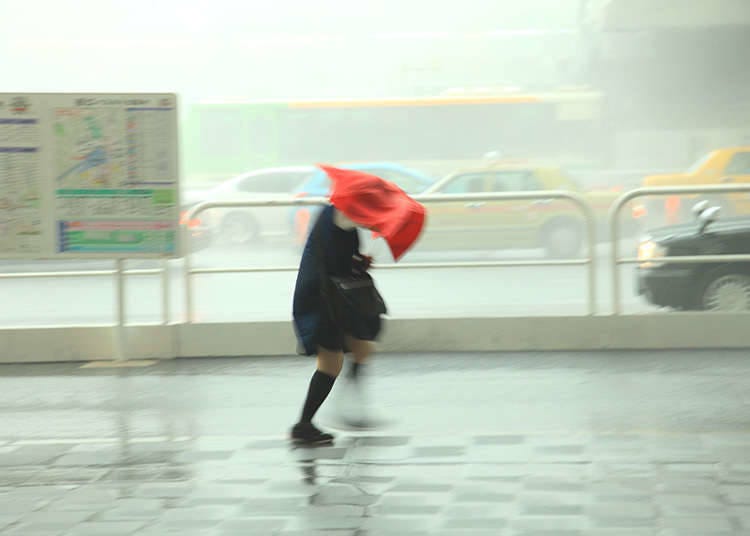
Typhoon season in Japan typically peaks from late August through September, with an average of three typhoons approaching the country each month and about one making landfall. In recent years, typhoons have also tended to become stronger, a trend many experts link to climate change.
For summer travelers, late July through mid-August is often considered the sweet spot, falling after the rainy season but before peak typhoon activity. While weather forecasts can never be guaranteed, this period has historically offered some of the most stable conditions of the season.
As of early August, the Japan Meteorological Agency has officially announced the end of the rainy season (tsuyu) across all regions in Japan. With the rainy season concluded, the country has fully transitioned into the peak heat of summer.


The LIVE JAPAN editorial team is a multinational group made up of native editors who have lived in Japan for over five years and Japanese editors who love to travel. Together, we share the best of Japan, offering cultural insights, historical context, event updates, and travel-friendly deals, to support your journey every step of the way.
*Prices and options mentioned are subject to change.
*Unless stated otherwise, all prices include tax.
Popular Tours & Activities
Recommended places for you
-

Daikoku Car Meet Guide: How to Visit, Best Times & Rules
-
Haneda Airport Duty-Free Shopping Guide: What to Buy, How to Save & Where to Eat Before Your Flight
by: Guest Contributor
-
Autumn in Japan 2026: Fall Foliage Forecast & Where to Enjoy the Colorful Leaves (+Tour Info)(Updated Oct 1)
-
Just 2 Hours from Tokyo! Escape to Yamanashi's NIPPONIA Kosuge, Where an Entire 700-Person Village Becomes Your Hotel
by: Alice Lee
-
Ad
Pocket WiFi Rental in Japan 2026: Complete Price Comparison & Where to Get the Best Deal
-
Ad
Do’s and Don’ts: The Complete Guide to Sento Baths! Getting the Full Experience In Ueno’s Famous Kotobuki-yu
Inspiration for Accommodations
-
Family-Friendly Hotels with Free Shuttle to Disneyland: Convenient Access for a Magical Stay
-
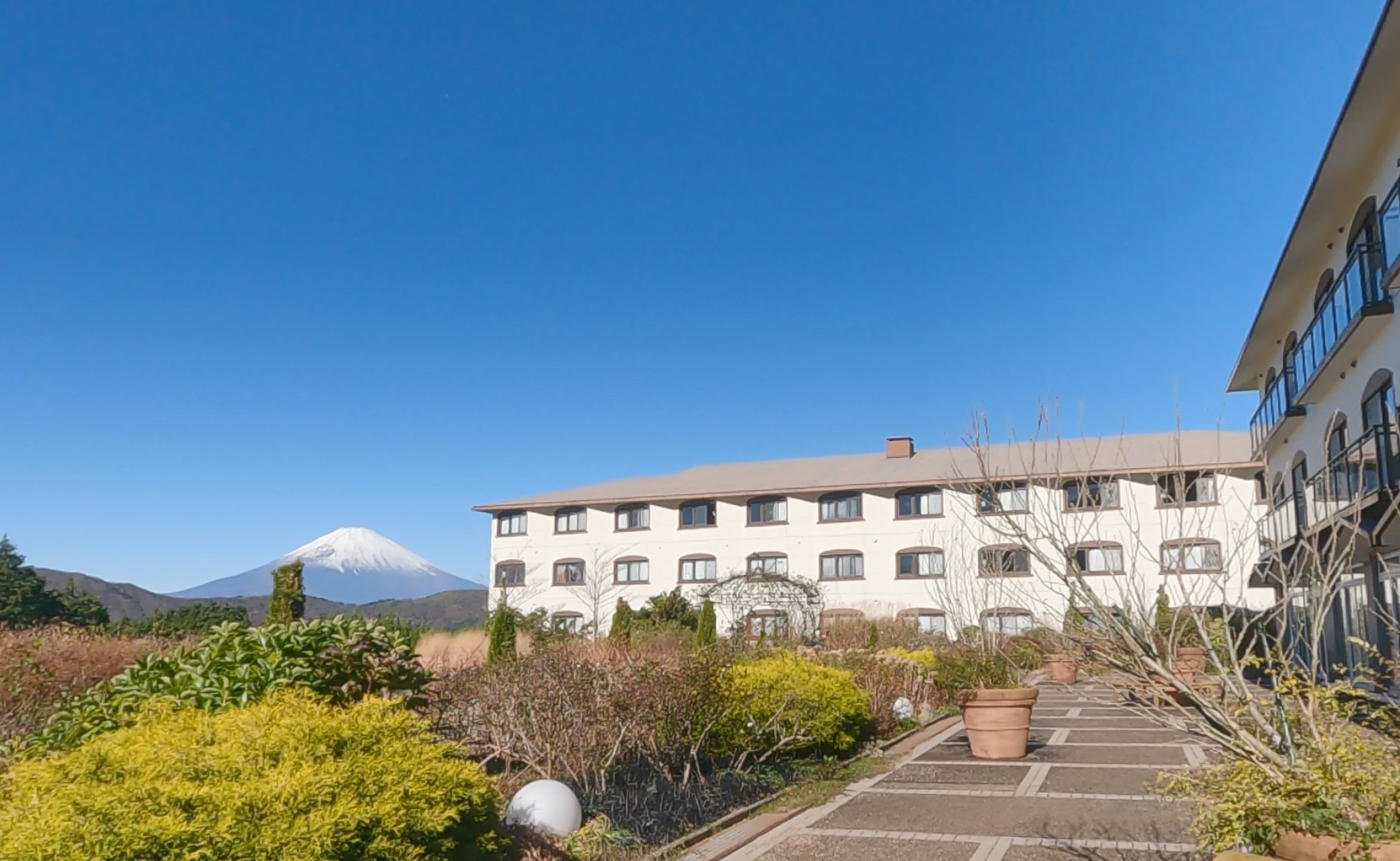
Top Ranked Hakone Hotels with Mt. Fuji View: Enjoy Stunning Scenery from Your Private Space
-
Convenient Tokyo Hotels with Airport Shuttle: Ideal for Families and Heavy Luggage
-
9 Family-Friendly Hotels with Comfortable Family Rooms in Asakusa
-
10 Open-air bath Onsen Ryokans in Hakone for Ultimate Relaxation
-
2026 Tokyo Fireworks Guide (Tour&Tickets): Your Ultimate Calendar for Summer in Japan
by: Guest Contributor
-
Easy Day Trip from Tokyo! Ultimate Sightseeing Guide for Hakone & Lake Ashinoko!
-
12 Bon Odori Dance Festivals Around Tokyo (2026): Dancing to the Beat of Summer
-
Shibuya Crossing: Getting the Best View from the Deck at Magnet by Shibuya109!
-

Shopping in Japan 2026: Annual Sale Calendar, Best Deals & Where to Shop
-
Tanabata Festival: Experience the Magic of Japan's Star-Crossed Lovers
- #best ramen tokyo
- #what to buy in ameyoko
- #what to bring to japan
- #new years in tokyo
- #best izakaya shinjuku
- #things to do tokyo
- #japanese nail trends
- #what to do in odaiba
- #onsen tattoo friendly tokyo
- #daiso
- #best sushi ginza
- #japanese convenience store snacks
- #best yakiniku shibuya
- #japanese fashion culture
- #best japanese soft drinks