




Tokyo is on the bucket list of travellers across the globe—and with good reason. Winter, spring, summer or fall, rain or shine, Japan's vibrant capital city is an absolute must-visit destination.
Despite the bracing weather that accompanies Tokyo's winter, the city still manages to take on an almost magical quality. From seasonal festivals and spectacular illuminations, to hot sake and traditional onsen hot springs, here are 10 reasons that we love winter in Tokyo!
(Main image: Kawinphat Warattheerachot / Shutterstock.com)

1. Onsen
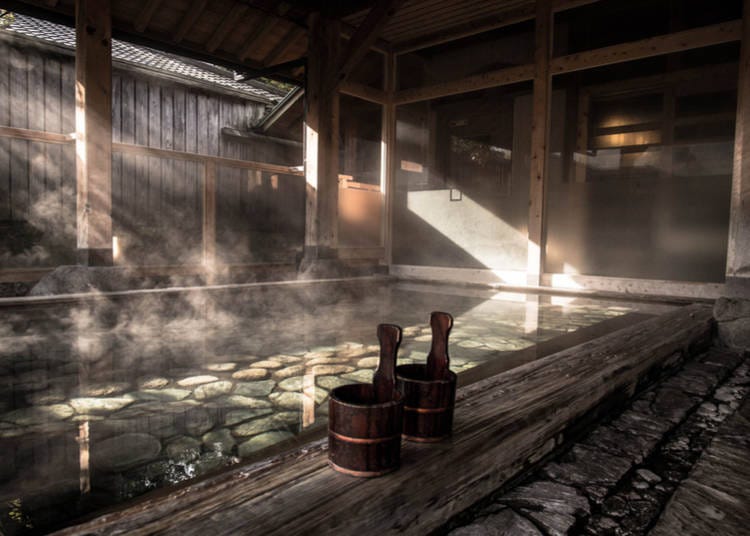
There are few better ways to escape Tokyo’s winter chill than soaking in one of the city’s many hot springs, known as onsen in Japan. Traditionally, the term refers to naturally heated geothermal baths used for public bathing. In English, however, it is often used more broadly to include public bathhouses and even resort-style facilities built around hot spring waters. Either way, Tokyo has no shortage of places to soak, and winter is the perfect season to slow down, warm up, and unwind in gently steaming water.
With bath temperatures typically hovering around 35–41°C (95–106°F), often more than 25°C warmer than the cold winter air, the comfort of slipping into an onsen is hard to beat. It feels especially rewarding after a full day of sightseeing or long hours on your feet exploring the city.
That said, onsen etiquette in Japan is quite specific and should be followed carefully. Baths are separated by gender, swimwear is not permitted, and tattoos are often prohibited, though some facilities allow them if they are fully covered. As long as you respect these basic rules, the experience is welcoming and deeply relaxing. Settle in, soak slowly, and enjoy one of winter’s most comforting traditions.
2. Illumination Events
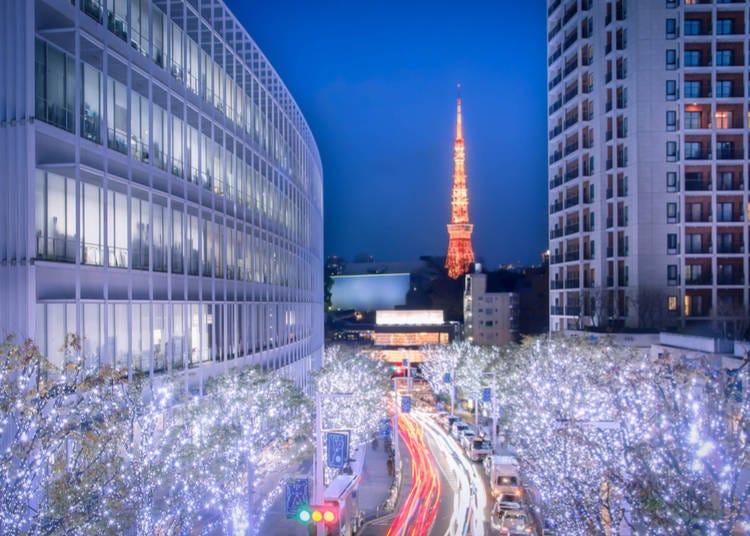
As the year draws to a close, Tokyo’s warm autumn palette fades away. Trees stand bare, shrubbery thins out, and the last traces of amber, crimson, and ochre give way to winter’s quieter tones. Almost overnight, however, nature’s colors are replaced by something more artificial, yet just as captivating.
Winter illuminations sweep across the city, transforming downtown areas into glowing, festive scenes that feel lifted from a storybook. Streets, plazas, and parks are bathed in light, capturing the distinctly magical atmosphere Tokyo is known for at this time of year and making it hard not to feel a touch of holiday cheer.
From lively nightlife districts like Ebisu, Roppongi, and Ginza to greener spaces such as Rikugien and Yoyogi Park, cascades of lights and carefully arranged decorations bring winter trees back to life. What were once bare branches become shimmering outlines of light, creating a breathtaking backdrop that turns even an ordinary evening walk into something memorable.
3. Festivals
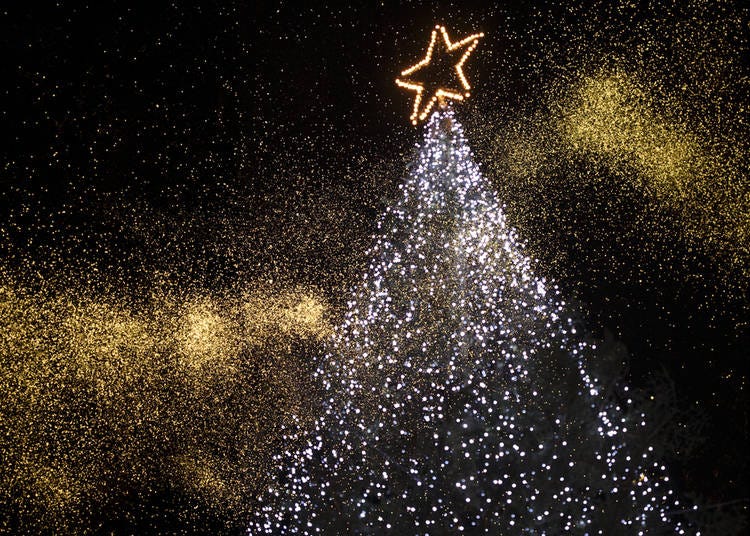
The Japanese love festivals, and so do we! If you go to a Japanese event, you can bet your bottom dollar that you're in for a treat. From traditional festivals that celebrate Japanese culture, to festivals that are aimed at tourists and expatriates, the Tokyo winter festival schedule is an eventful one, to say the least.
Tokyo Christmas Advent
Held in the event area of Ueno Park, this European-style Christmas market features food stalls, drinks, and seasonal shopping in a relaxed outdoor setting.
・Dates: November 19 - December 25, 2025
・Location: Ueno Park
Winter Solstice Festival
Taking place on the shortest day of the year, this quietly symbolic festival is held across a shrine and a temple in Nishi-Waseda. Visitors can enjoy hot food and drinks and purchase ichiyo raifuku charms, believed to help turn misfortune into good luck as the days begin to grow longer again.
・Date: December 22, 2025
・Locations: Ana Hachimangu and Houjouji Temple
47 Ronin Festival (Ako Gishi-sai)
This historic festival commemorates the legendary 47 ronin, whose story remains one of Japan’s most enduring tales of loyalty and honor. The event is held at the temple where they are buried, with ceremonies and offerings throughout the day.
・Date: December 14 (annually)
・Location: Sengakuji Temple
4. Kotatsu
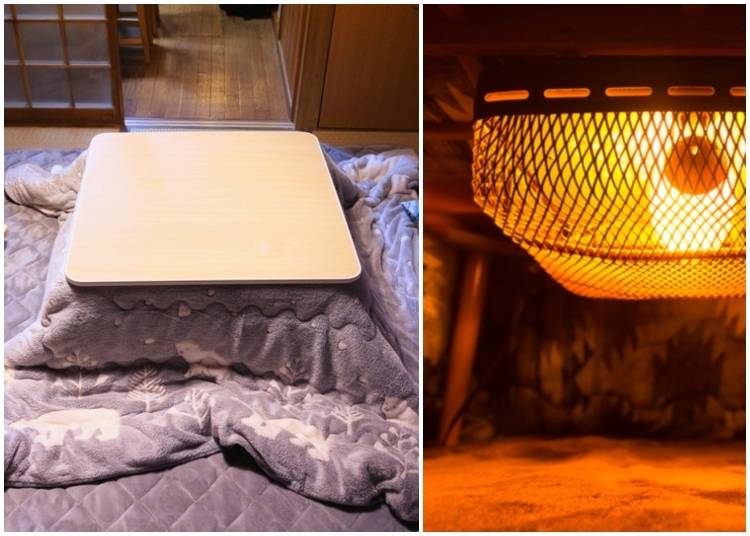
Think of kotatsu as Japan’s answer to the fireplace. A kotatsu is a low table fitted with a built-in heating element and covered with a quilt, heavy blanket, or duvet that drapes over the frame. Once winter arrives, it becomes the heart of many Japanese living rooms. On cold evenings, families gather around the table, tucking their legs underneath the blanket to trap the warmth and settle in together.
This setup also fits naturally with Japan’s communal dining style. Sharing dishes at mealtime feels effortless when everyone is seated close together, warmed by the same source of heat. You might wonder what happens to the top half of your body while your legs stay cozy underneath. Traditionally, this is not considered a problem. Japanese belief holds that the stomach and abdomen are the body’s core, a kind of command center for vitality and well-being. Keeping this area warm is thought to matter more than heating the upper body.
Kotatsu are easy to find across Japan, with many major online retailers offering a wide range of styles and sizes. Prices vary depending on design and features, starting at under ten thousand yen (about 100 dollars) and reaching thirty thousand yen or more. They are also simple to assemble, making them an accessible and practical solution. Once set up, a kotatsu can comfortably handle your living room heating needs throughout the long winter months.
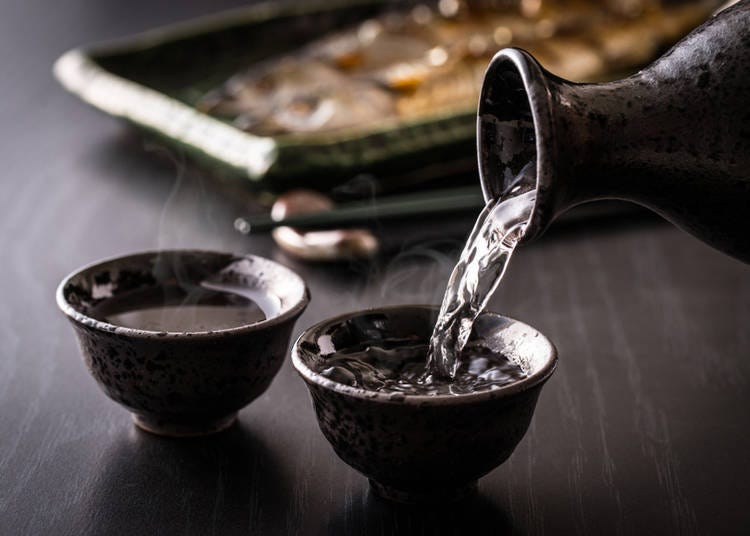
5. Hot Sake
Think of kotatsu as Japan’s answer to the fireplace. A kotatsu is a low table fitted with a built-in heating element and covered with a quilt, heavy blanket, or duvet that drapes over the frame. Once winter arrives, it becomes the heart of many Japanese living rooms. On cold evenings, families gather around the table, tucking their legs underneath the blanket to trap the warmth and settle in together.
This setup also fits naturally with Japan’s communal dining style. Sharing dishes at mealtime feels effortless when everyone is seated close together, warmed by the same source of heat. You might wonder what happens to the top half of your body while your legs stay cozy underneath. Traditionally, this is not considered a problem. Japanese belief holds that the stomach and abdomen are the body’s core, a kind of command center for vitality and well-being. Keeping this area warm is thought to matter more than heating the upper body.
Kotatsu are easy to find across Japan, with many major online retailers offering a wide range of styles and sizes. Prices vary depending on design and features, starting at under 10,000 yen (about 100 dollars) and reaching 30,000 yen or more. They are also simple to assemble, making them an accessible and practical solution. Once set up, a kotatsu can comfortably handle your living room heating needs throughout the long winter months.
6. Shopping

Winter is easily one of the best seasons for shopping in Tokyo. In the lead-up to Christmas, malls and shopping complexes across the city fill with decorations, music, and a distinctly festive buzz. Spots like Ichibangai (First Avenue) in the basement of Tokyo Station are especially lively, with shops selling Japanese pop-culture goods given a seasonal makeover. From character merchandise dressed for the holidays to playful limited-edition items, it is an easy place to find something both fun and uniquely Japanese. Pop-up markets also appear around the city, making last-minute Christmas shopping simple and enjoyable. As the year draws to a close, the excitement rolls straight into winter sales, with discounts appearing almost everywhere.
New Year’s is a particularly important time in Japan, and that significance extends naturally to shopping. Fukubukuro, which literally means “lucky bag,” is a long-running tradition found in stores nationwide. The idea, which dates back more than 100 years, was originally created to attract shoppers on New Year’s Day. Items are sealed inside a bag and sold at a fixed price, with customers buying them without knowing exactly what is inside, but with the guarantee that the contents are worth more than the cost. Today, it is one of the biggest events on Tokyo’s retail calendar. Department stores, fashion brands, electronics shops, and even cafés take part, with some fukubukuro going on sale as early as Christmas. For bargain hunters, it is one of the best chances of the entire winter season to score something special.

7. Seasonal Foods
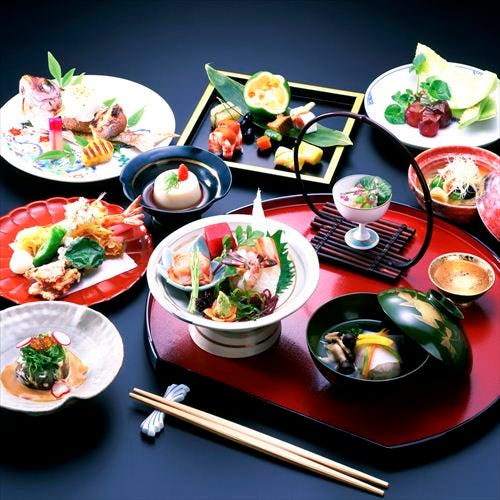
In a country renowned for its spectacular cuisine, it should come as no surprise that the arrival of a new season ushers in a smorgasbord of fresh produce and flavors across Tokyo’s restaurants. Winter, in particular, brings with it rich seafood, sharp citrus notes, and dishes that feel purpose-built for cold weather eating.
Seasonal Fish:
A wide cast of marine characters takes center stage in Tokyo’s winter seafood scene. Tuna, Pacific cod, monkfish, puffer fish, ice fish, shrimp, and more all make frequent appearances on seasonal menus. A few, however, are considered especially delectable at this time of year:
・Japanese halibut, having spawned in summer, spends the following months happily fattening itself up, resulting in a fuller, more flavorful fish by winter.
・Crab is enjoyed year-round, but certain varieties, snow crab in particular, truly shine during the colder months.
・False kelpfish, a plump white fish, is a winter stalwart and a familiar face in seafood hotpots.
If you want to learn more, or better yet try these ingredients fresh from the Pacific, then Toyosu Fish Market should sit comfortably at the top of your to-do list.
Seasonal Fruit and Veg:
Japanese citrus fruits are inseparable from the nation’s cuisine, and winter is when they really come into their own. From varieties of orange such as the mikan mandarin to the lemon-like yuzu, widely used in sauces and seasonal dishes, these fruits thrive in colder weather. As a result, their bright, zesty flavors pop up all over Tokyo in winter. They also happen to be packed with vitamin C, helping to give your immune system a much-needed seasonal boost.
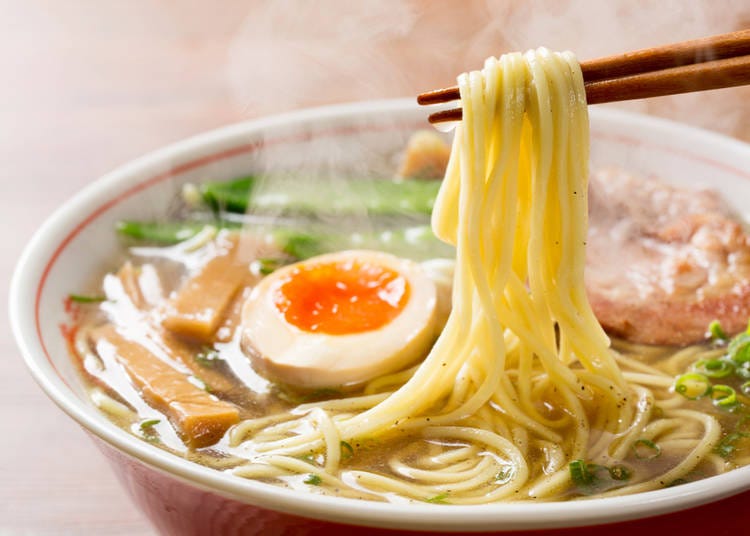
Winter is also, hands down, the best time of year to eat ramen. Does this really need explaining? Since achieving nationwide fame in the mid-20th century, ramen has become a cornerstone of Japanese food culture. There is simply no better moment to tuck into a rich, umami-heavy bowl of noodles and broth than on a cold winter night.
The sheer quality and quantity of ramen in Tokyo is, quite possibly, unmatched anywhere else in the world. From flashy chain stores lining busy streets to smoky noodle dens hiding down unassuming alleyways, the city is bursting with places to sample Japan’s favorite dish. Arguably ramen’s greatest strength lies in its undeniable heart-warming powers. Slurping hot noodles and steaming broth in the depths of winter is the culinary equivalent of sinking into an onsen. Wherever you end up eating, you are almost guaranteed the perfect winter warmer.
8. Clear Skies
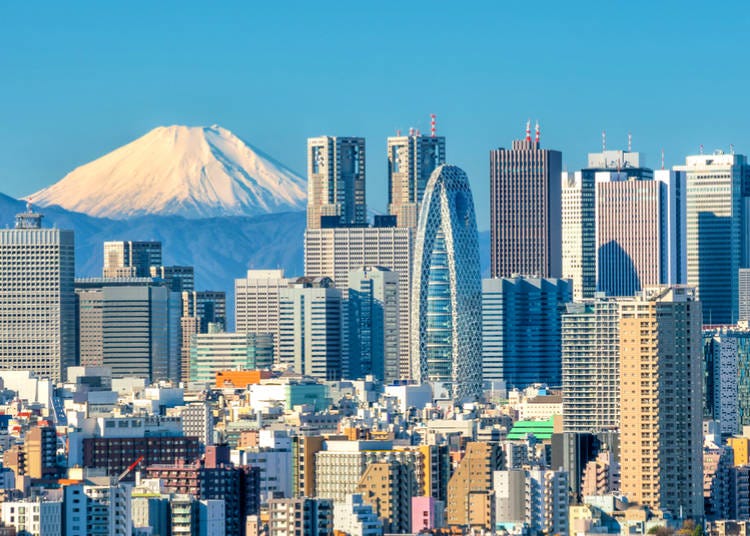
Tokyo’s winter may be chilly, but the payoff comes in the form of crystal-clear skies that open up superb views of the city skyline and, on especially lucky days, even Mount Fuji from the right vantage point. The combination of bright sunshine and cool, crisp air can lend winter days a subtle alpine feel, a side of Tokyo many visitors do not expect.
This makes winter the ideal season to head up one of Tokyo’s tallest buildings and take in the view. From above, the city stretches endlessly below, while Mount Fuji rises in the distance, an andesite-and-basalt behemoth with its snow-dusted peak looming over the urban sprawl like a quietly watchful volcanic deity.
Tokyo Skytree is the largest free-standing tower in the world. Located in the northern district of Oshiage, the higher of its two observation decks delivers one of the most impressive panoramic views anywhere in the city. Better still, on a clear winter day, you are rewarded with a striking view of Mount Fuji rising on the horizon.
Tokyo Tower is the iconic red-and-white, Eiffel Tower-esque structure that has long defined the classic Tokyo postcard skyline. Before Skytree’s completion in 2011, it held the title of Tokyo’s tallest structure for over 50 years. Standing in the lively district of Roppongi, a firm favorite with visitors, Tokyo Tower also offers sweeping city views, with clear days revealing scenery that stretches far beyond the urban sprawl.
9. Skiing and Snowboarding
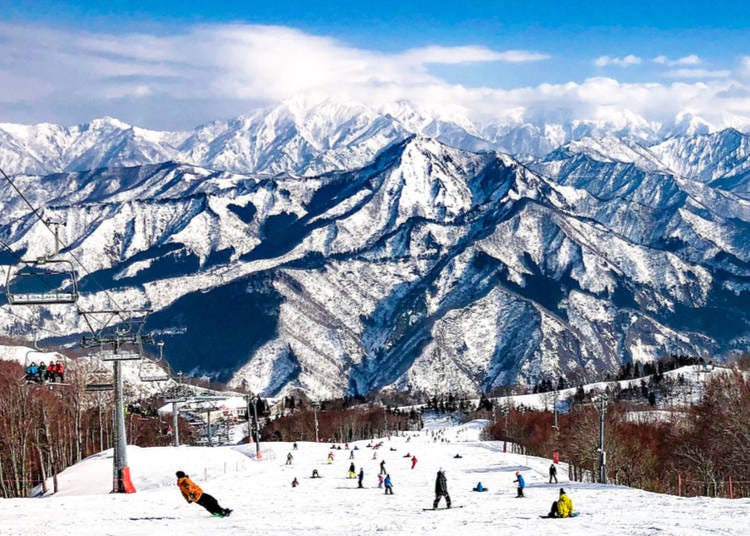
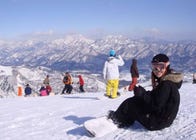
Japan boasts some of the best ski and snowboard terrain on the planet, and once winter arrives, the country’s mountainous regions transform into a true powderhead’s paradise. Naturally, you will not find ski resorts within Tokyo’s flat urban sprawl. The good news is that 8 of Japan’s 10 largest resorts are located on the island of Honshu, putting world-class snow just a hop, skip, and a shinkansen ride away from the capital.
Notable resorts include:
・Shiga Kogen Mountain Resort
A true behemoth, this vast resort offers an eye-watering 83 km of runs and elevations well above 2,000 m. In terms of sheer size, it dwarfs every other ski resort in Japan.
・Happo-One Hakuba
Also located in Nagano, Happo-One is Japan’s second-largest resort. While it does not quite rival Shiga Kogen in scale, it more than makes up for it with a solid mix of blue, red, and black runs.
・Zao Onsen Ski Resort
Set in Yamagata Prefecture, Zao Onsen is widely regarded as one of the most picturesque resorts in the country. It is also conveniently close to Sendai, a quietly excellent city in northern Honshu that often flies under the radar for first-time visitors.
With this many heavy-hitters within easy reach, Tokyo makes an unexpectedly good base for a winter ski or snowboard escape.
10. Off-season
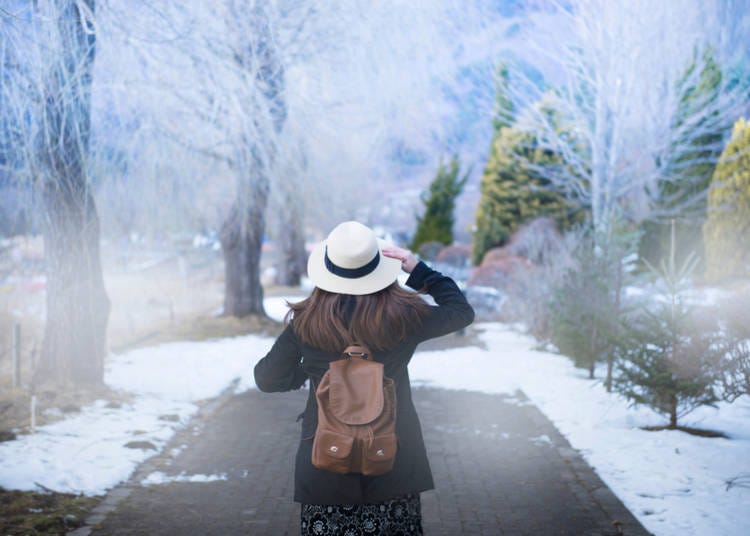
It is no secret that Tokyo is one of the world’s busiest cities. With nearly 40 million people packed into the greater metropolitan area, plus ever-growing numbers of overseas visitors each year, the crowds are usually part of the experience. And yet, winter tells a slightly different story.
January and February, in particular, fall squarely into Japan’s low tourism season. The result is noticeably lighter crowds across Tokyo, making it one of the most comfortable times of year to explore. Want to squeeze in some sightseeing? Book a table at a sought-after restaurant? Take a relaxed stroll through the city or even head out on a gentle hike? Whatever your preference, winter offers rare breathing room to enjoy Tokyo at your own pace.
If avoiding crowds is high on your wish list, winter is easily the best time to indulge in your favorite Tokyo activities. Wrap up in weather-appropriate layers, and enjoy the city with a little more space to yourself.
Extra note: Not only are the crowds smaller in many areas, but the hotels and flights can be significantly cheaper. Tokyo has a reputation for being expensive, but getting here is actually half the battle. If you're a budget traveler, definitely consider coming in winter. It's a truly spectacular time of year to enjoy Japan's vibrant capital city, and you can save yourself a bit of cash in the process!

David is a Northern Irish freelance writer living in Tokyo. He loves living in Japan, reading about Japan, writing about Japan and eating Japanese food. He also spends a lot of time exercising, playing rugby and risking a litany of muscle-related injuries in yoga class.
- Area
- Category
*Prices and options mentioned are subject to change.
*Unless stated otherwise, all prices include tax.
Popular Tours & Activitiess

-

Japan’s Shinkansen Is About to Change Travel in an Unexpected Way
by: Guest Contributor
-
This Winter, Godzilla Takes Over Haneda Airport
by: Guest Contributor
-

Jujutsu Kaisen Takes Over JR East With a Wrapped Shinkansen This Winter
by: Guest Contributor
-
Ad

Complete Guide to Ueno's National Museum of Nature and Science, the Perfect Place to Visit on Rainy Days or With Children
-
Ad
Preserving the Beauty of World Heritage Site Shirakawa-go for the Future Through Responsible Travel
-
Ad
(Opening in Jan 2026) 'THE SUMO LIVE RESTAURANT HIRAKUZA GINZA TOKYO!' 5 Exciting Ways to Experience the World of Sumo!
Inspiration for Accommodations
-
Enjoy Mt. Fuji from the Comfort of Your Room! Recommended Ryokan with Mt. Fuji View
-
Stay Near the Cherry Blossoms! Hotels for Cherry Blossom Viewing in Tokyo
-
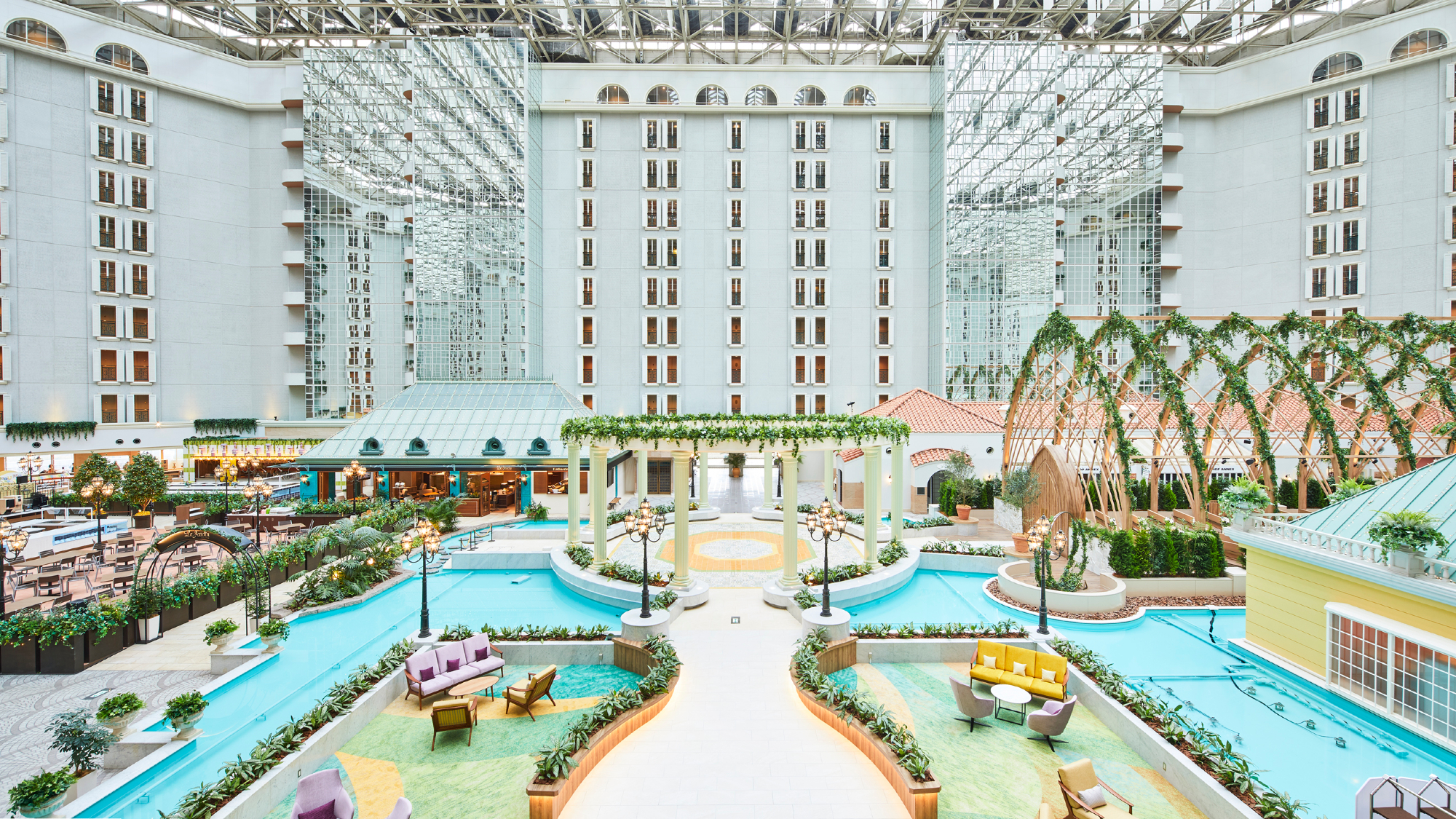
Family-Friendly Hotels with Free Shuttle to Disneyland: Convenient Access for a Magical Stay
-
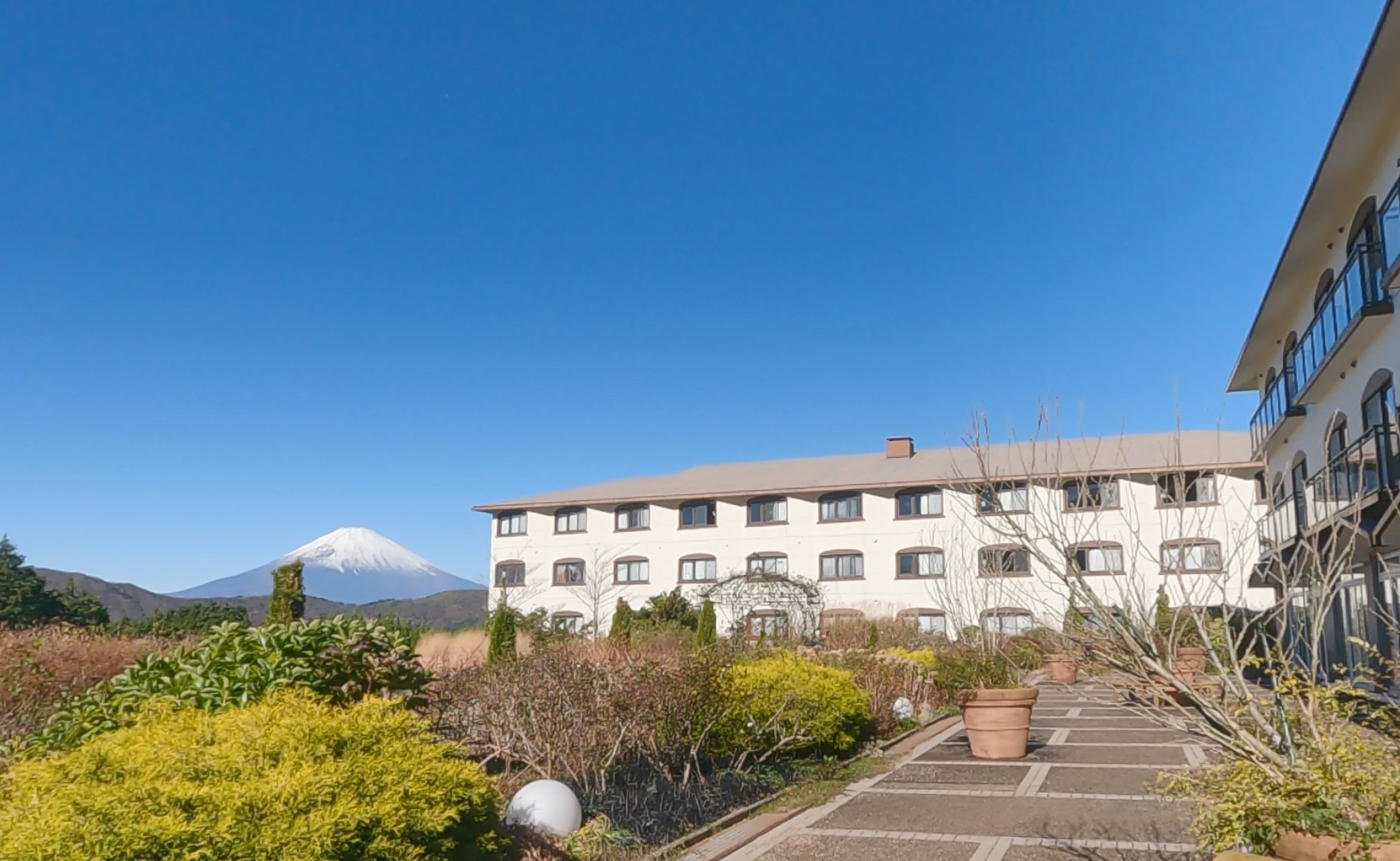
Top Ranked Hakone Hotels with Mt. Fuji View: Enjoy Stunning Scenery from Your Private Space
-
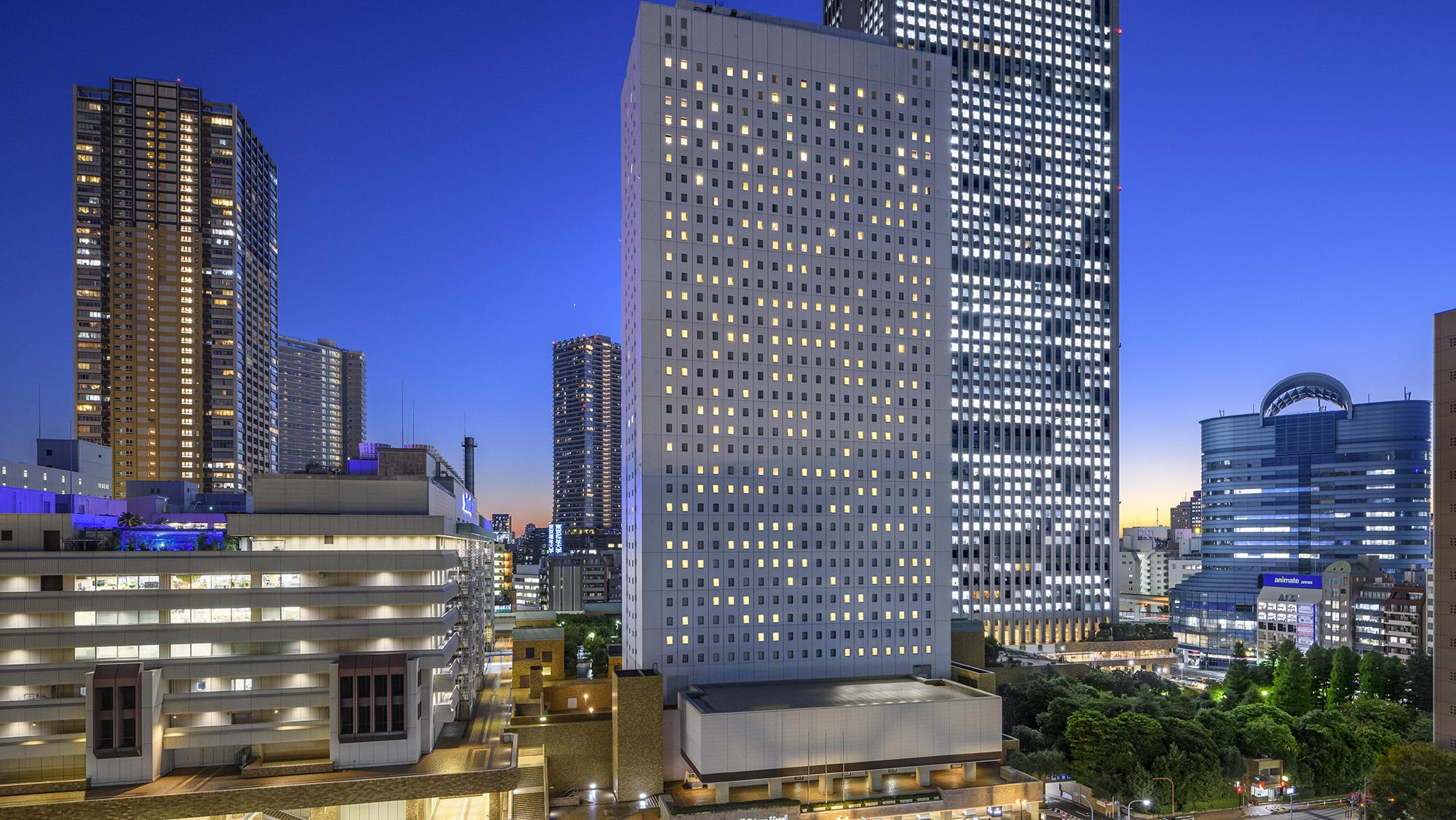
Convenient Tokyo Hotels with Airport Shuttle: Ideal for Families and Heavy Luggage
-

Stunning Tokyo Tower View Hotels: Enjoy Spectacular Scenery from Your Private Space
-
Convenient Asakusa Hotels with Kitchens: Ideal for Extended Family Visits
-
Experience Luxury: Hakone's 10 Best Five-Star Accommodations
-
Enjoy Mt. Fuji Autumn Leaves! Top Hotels Near the Popular Autumn Leaves Corridor
-

Experience Hakone Fall Foliage from Your Room with Stunning Views
-
Japan Winter 2025: National Holidays, Seasonal Festivals & Must-See Spots
by: Chien-Huang
-
What to Do in Tokyo in January: New Year Events, Food, and Shows
-
Tokyo Roppongi|Roppongi Station Area Map & Sightseeing Information
-
Shine Bright This Winter: 15 Must-See Tokyo Illuminations (2025-2026)
by: Kaori Kimura
-
Cleansing with Fire: Spiritual Bonfires during Japanese New Year!
-
Atami 1-Day Itinerary: Exploring Japan's Castle & Hot Springs Resort Town Near Tokyo!
- #best ramen tokyo
- #what to buy in ameyoko
- #what to bring to japan
- #new years in tokyo
- #best izakaya shinjuku
- #things to do tokyo
- #japanese nail trends
- #what to do in odaiba
- #onsen tattoo friendly tokyo
- #daiso
- #best sushi ginza
- #japanese convenience store snacks
- #best yakiniku shibuya
- #japanese fashion culture
- #best japanese soft drinks