





Sushi is often the first dish people associate with Japan. While many travelers know the basics, such as the difference between nigiri and maki, there is far more to discover.
From chirashi bowls to pressed oshi sushi, and from intimate counter-style restaurants to casual conveyor belt spots, sushi comes in many forms. What looks simple is actually built on precision, seasonality, and years of craftsmanship.
This guide covers the essentials, from types of sushi to key etiquette, so you can enjoy your next sushi meal in Japan with confidence.
Sushi Types Explained: From Nigiri to Chirashi
Nigiri: The Classic Hand-Pressed Style
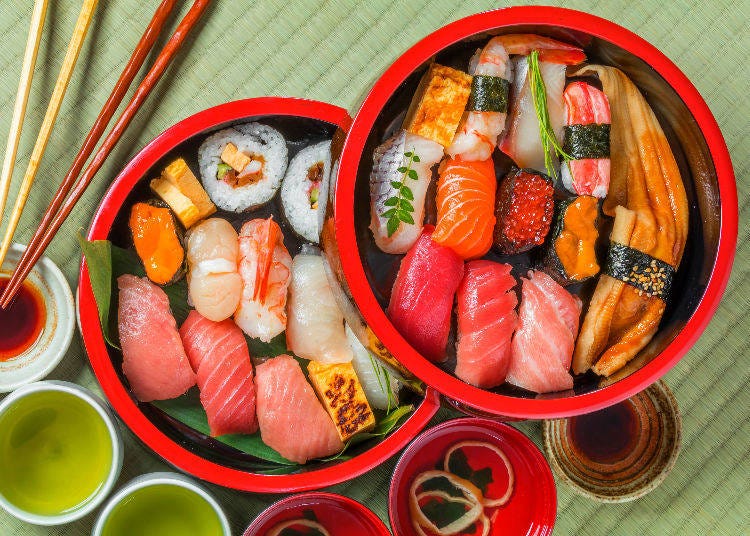
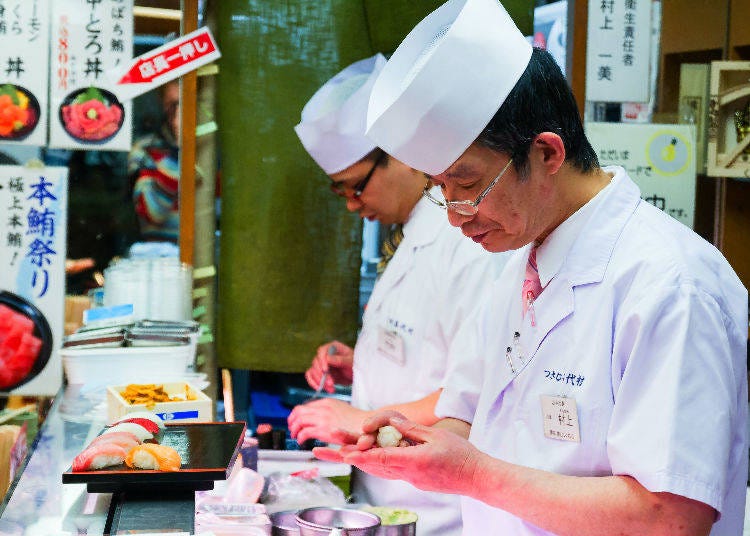
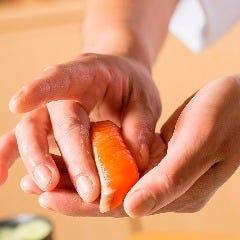
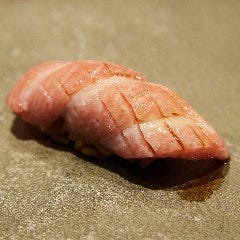
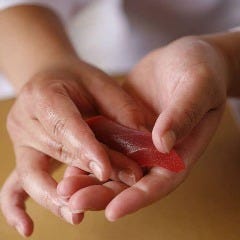
When a Japanese friend says “Let’s go eat sushi,” they’re most likely talking about classic nigiri, “hand-pressed sushi” that is neta (topping) on a bank of shari (sushi rice). That is only one of many varieties, however. Let’s take a look at other kinds of sushi.
Oshi-zushi: Kansai’s Pressed Sushi
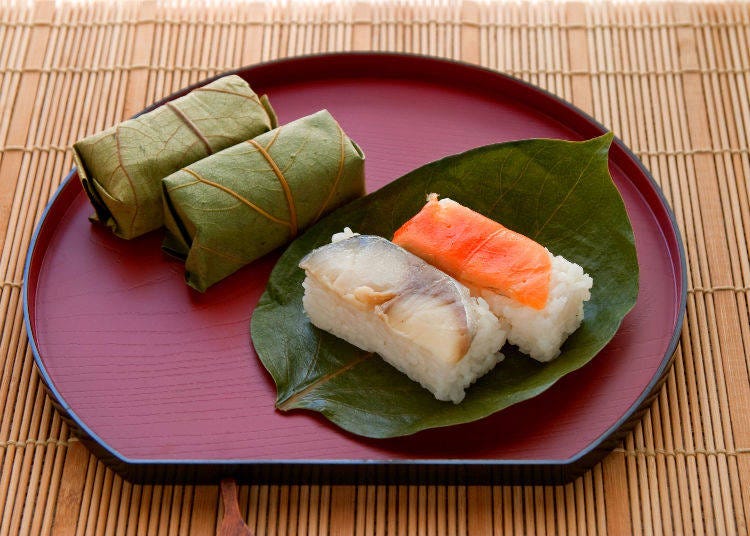
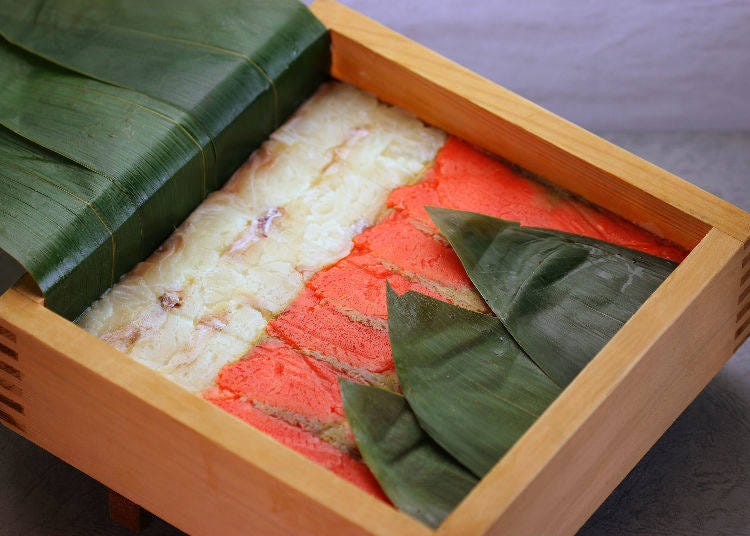
Oshi-zushi is “pressed sushi” and particularly popular in the Kansai area. It is quite literally vinegared rice and toppings pressed into a box until it has a nice shape, then taken back out and cut into blocks.
Kazari-zushi: Decorative Party Rolls
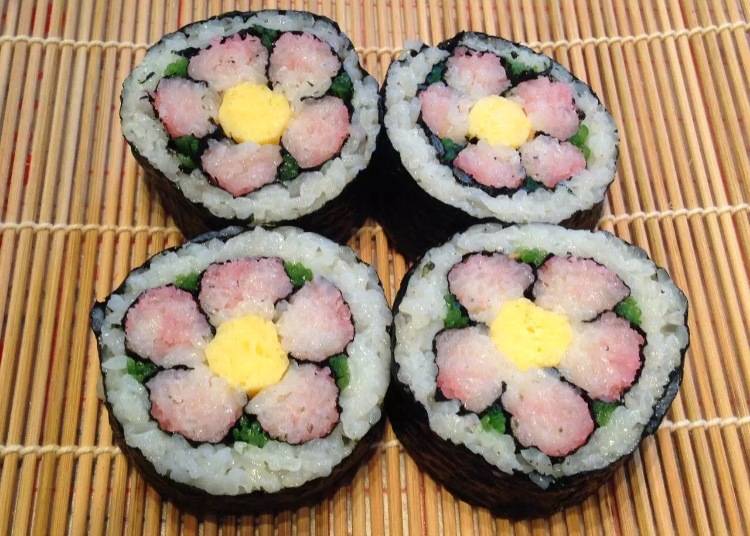
Kazari-zushi means “decorative sushi” and could be called a sub-genre of maki-zushi, “sushi rolls.” It’s a popular dish at parties because of how fun and adorable it looks.
Temaki-zushi: Hand-Rolled Sushi Cones
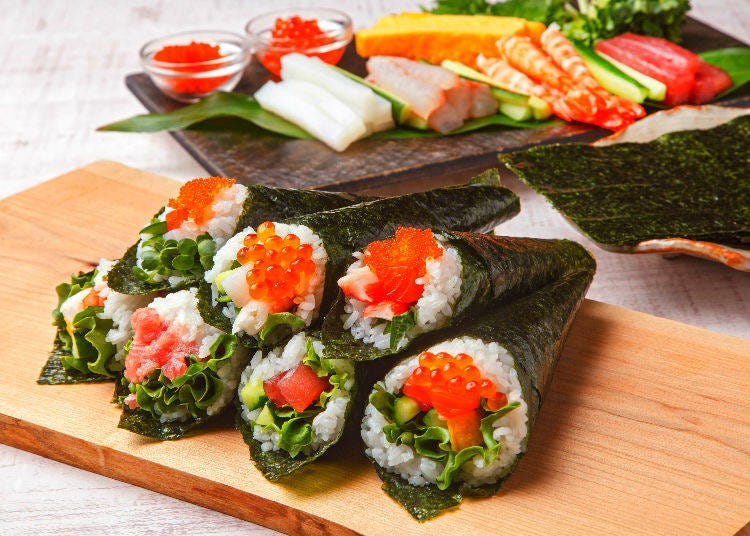
Temaki-zushi means “hand-rolled” and looks like little bouquets. It’s made by putting vinegared rice and a topping of your choice on a sheet of nori (dried seaweed) and then rolled by hand. Because it is relatively easy to make, it’s a sushi variety often made and enjoyed at home.
Chirashi-zushi: The Sushi Rice Bowl
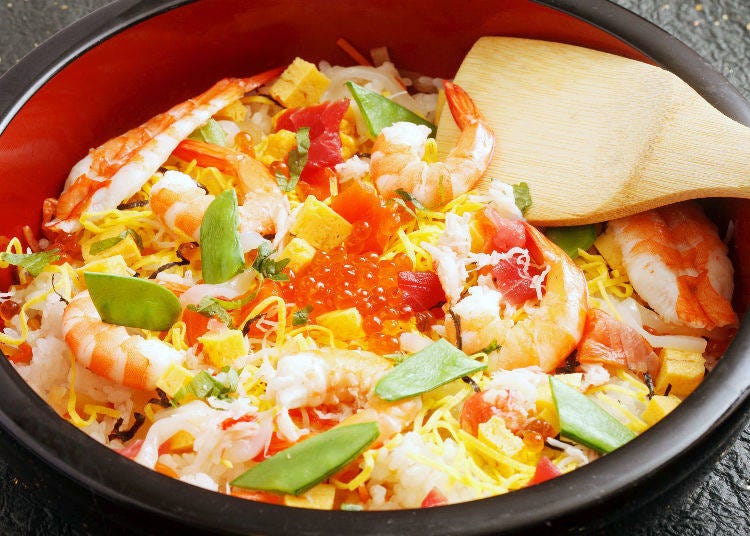
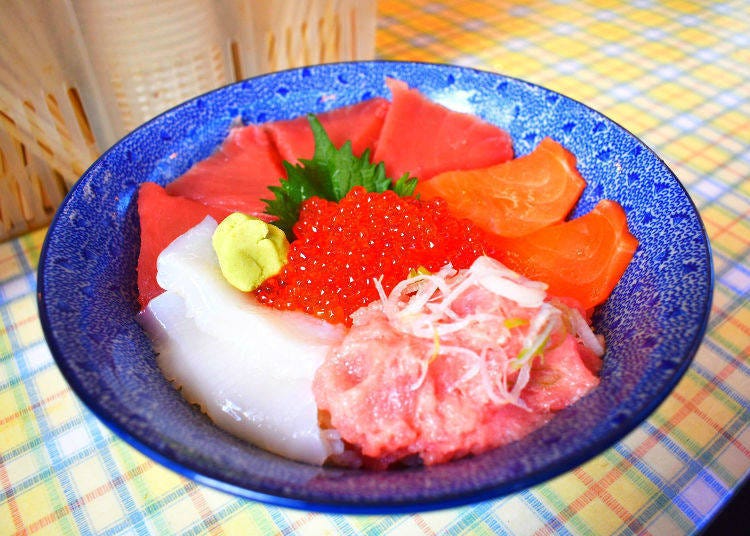
Chirashi-zushi basically is a sushi bowl with the toppings loosely spread on top of the vinegared rice. It’s easily made at home while kaisen don (seafood bowl) is a popular order at sushi restaurants. It is also a staple dish during the Doll’s Festival (Hinamatsuri) on March 3.
Where to Eat Sushi in Japan: Restaurant Types Explained
Kaiten-zushi: Conveyor Belt Sushi (Budget-Friendly & Casual)
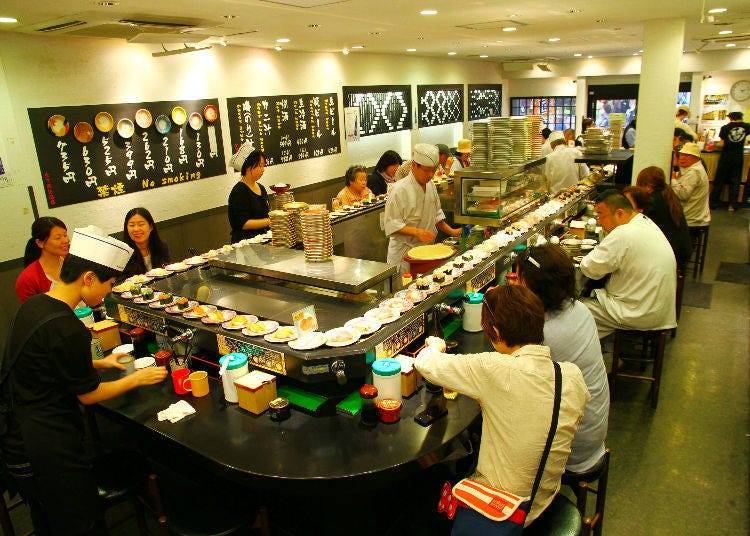
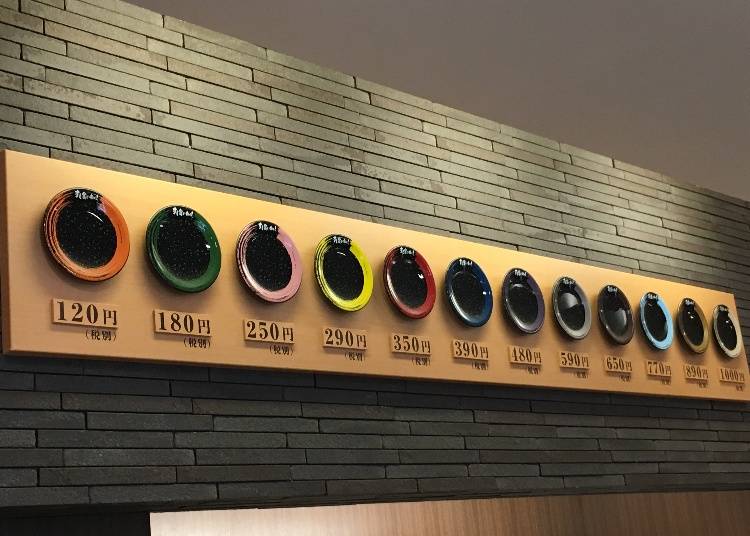
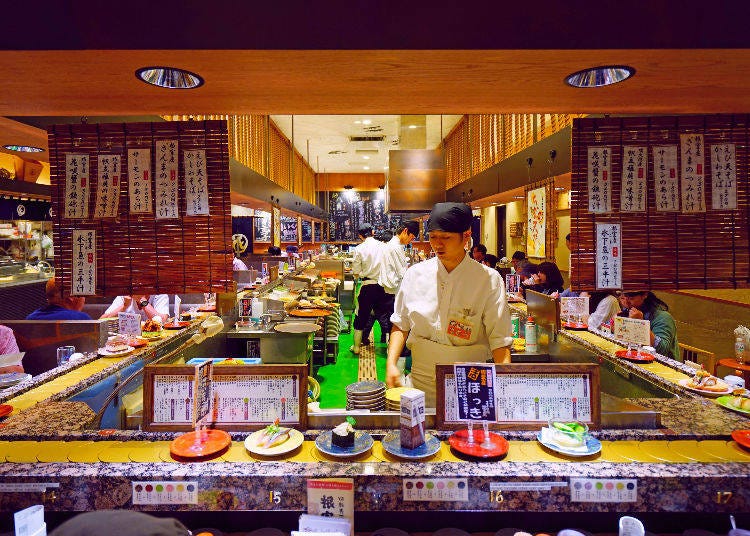
Sushi restaurants can be divided into two categories. One is kaiten-zushi, or conveyor belt sushi. As the name suggests, guests take whatever sushi creations they desire from a conveyor belt that circles the restaurant. The price is usually decided by the color of the plate and conveyor belt restaurants are known for being affordable and fit for every budget. One plate features two pieces of sushi, and cheap toppings usually cost about 100 yen per plate. However, there are also luxury toppings that may cost over 1,000 yen for a single serving! That’s exactly what makes conveyor belt sushi so flexible – freely choose according to your taste and budget! These restaurants also often have a great selection of kid-friendly dishes, so they’re a perfect choice for families.
Budget: about 1,500 yen ~ 3,000 yen
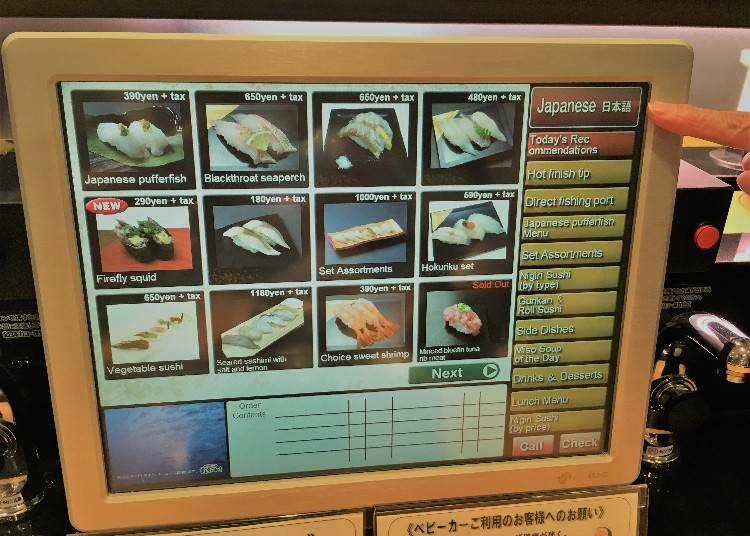
In recent years, a lot of conveyor belt restaurants have started using multilingual touch panels to make ordering even easier. Since they include big pictures, you don’t have to know the name of every fish – just pick what looks delicious to you!
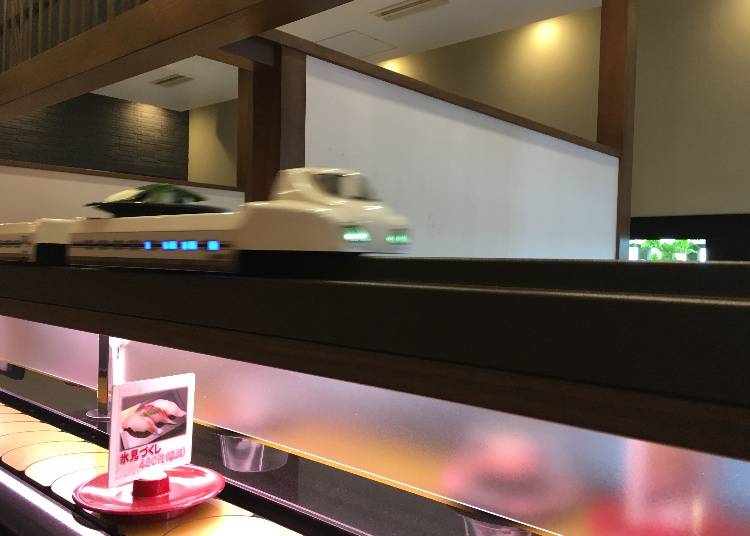
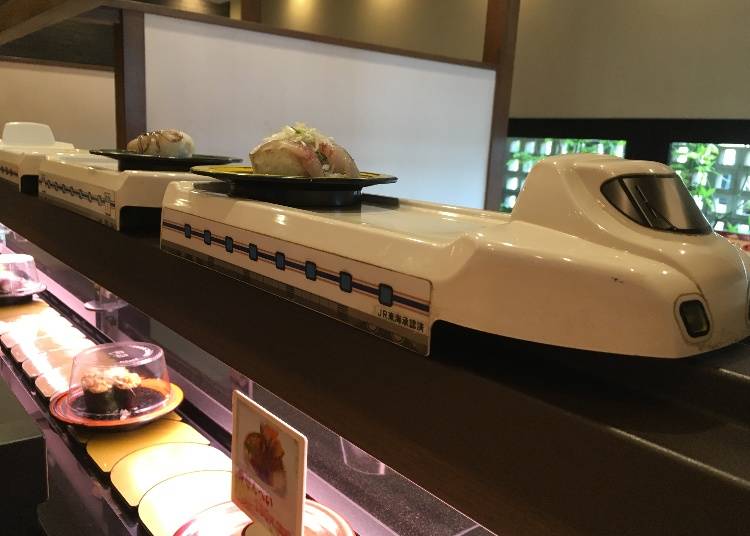
Sometimes, your order will arrive on a quirky tray shaped like a shinkansen bullet train or something similar. This high-speed delivery of fresh sushi makes your gourmet experience even more fun!
Counter-Style Sushi: The Traditional Experience
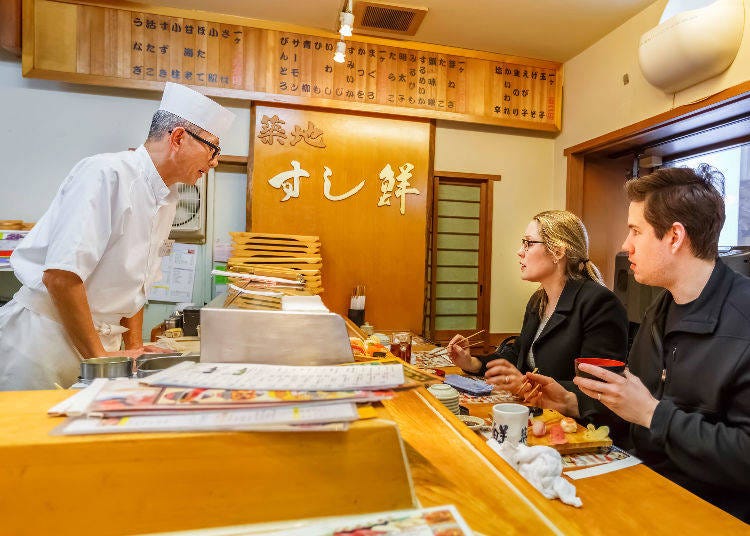
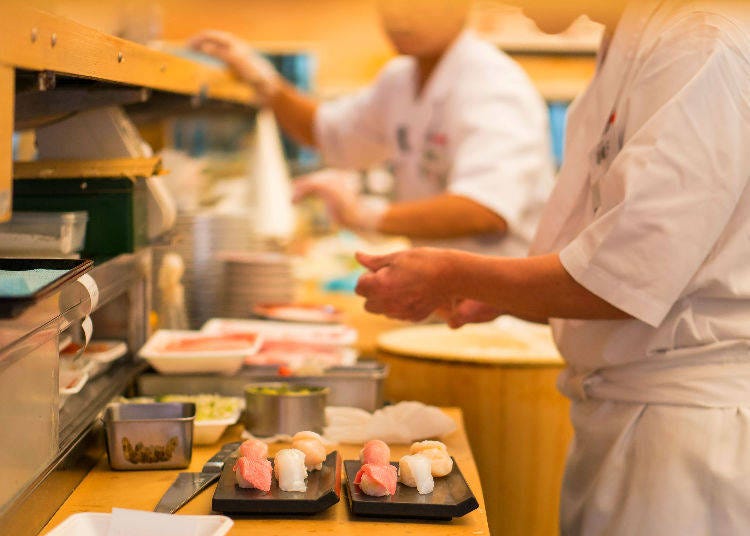
The other sushi restaurant type is “over the counter.” Sushi is served literally right over the counter with every order, and these restaurants are popular because they also tend to offer other seafood dishes, Japanese sake, and so on. It’s a different kind of experience – slower than with a conveyor belt, you get to watch the sushi chefs excel at their craft right in front of your eyes. They also often tell you about their seasonal ingredients and the best way to enjoy the sushi they’ve just served you. It’s an interesting experience all around.
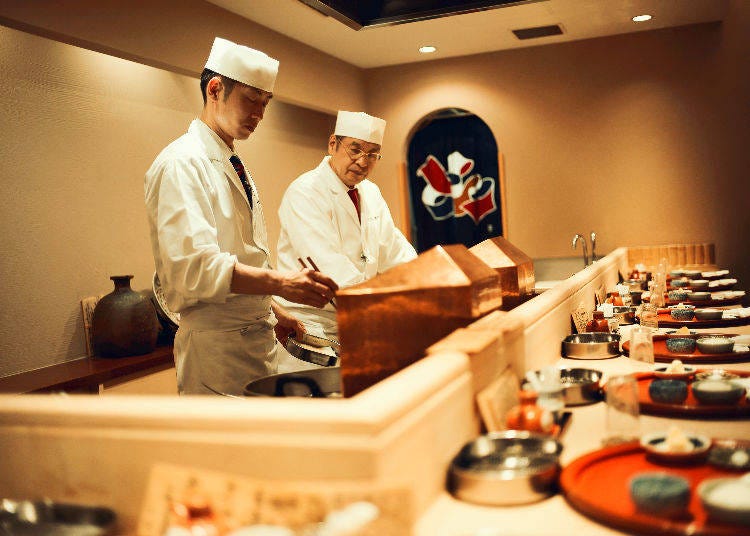
Many such restaurants offer sushi sets or courses, allowing you to try a variety of flavors without having to choose yourself. Another nice option is omakase, meaning “I’ll leave it to you,” prompting the chef to create an assortment of their own recommendations. If you don’t like certain ingredients, just tell them and they’ll accommodate. Some shops don’t even have a menu, but even if you don’t know the price, it is said that it’s rude to ask the chef about it at these over-the-counter restaurants. In general, they are seen as fancier and more sophisticated than conveyor belt restaurants, so it’s a good idea to tell the chefs what you plan on spending.
Budget: from 10,000 yen
*If you want to drink alcohol, plan for 15,000 yen and up.
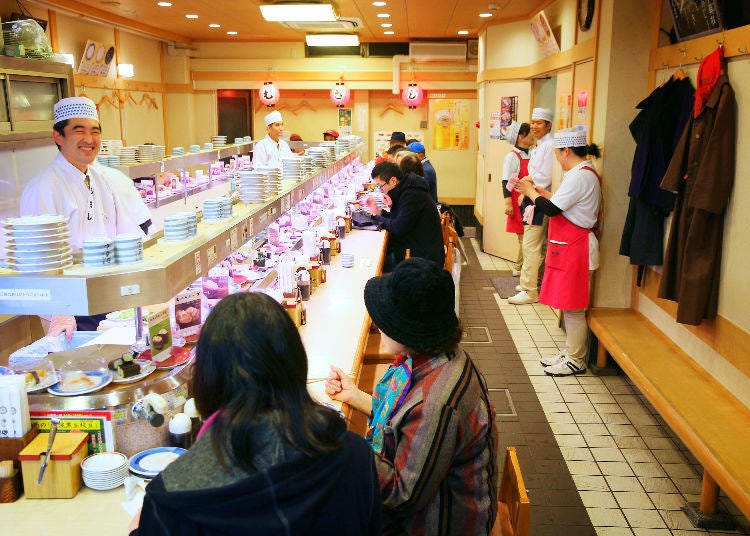
In the past, conveyor belt restaurants carried the image of being cheap but so-so when it comes to taste. That started to change a while ago, however, as some started to focus more on freshness, production area, and so on, to the point where many are just as delicious as over-the-counter restaurants. You’ll notice that their prices are higher compared to other conveyor belt restaurants, but they offer the opportunity to taste high-quality sushi in a laid-back, casual environment.
Budget: around 5,000 yen and up
How to Eat Sushi the Right Way
Chopsticks or Fingers?
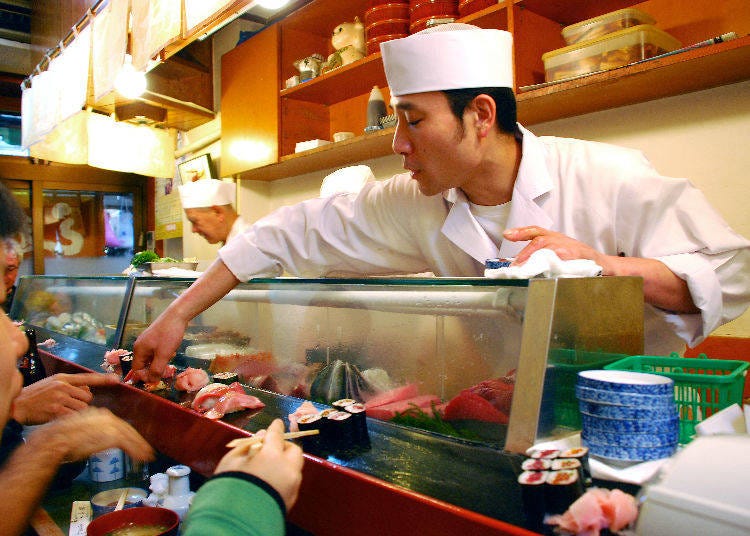
There seem to be a lot of rumors and misconceptions around the “proper” way to eat sushi. First of all, it does not matter whether you use chopsticks or simply eat with your fingers – both are perfectly natural and acceptable.
How to Dip Sushi in Soy Sauce
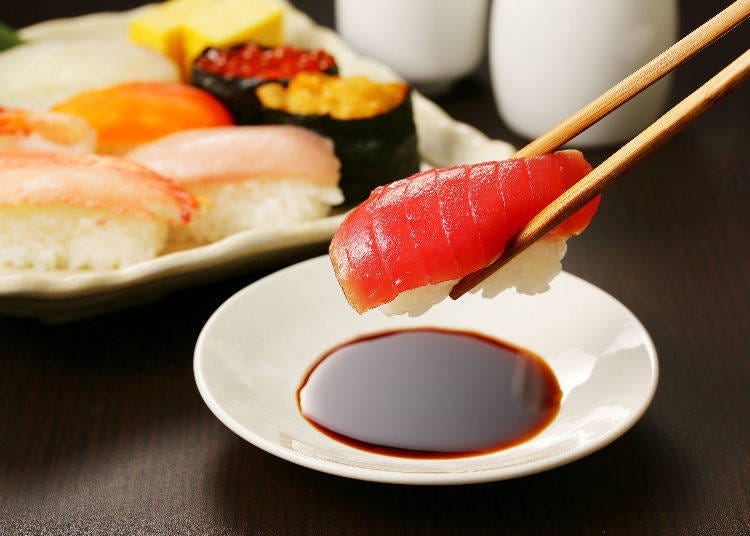
The important point here is to not make it fall apart as you dip it in the sauce. Sushi rice has a lot of air between the grains to make it nice and fluffy on your tongue. If you soak it with soy sauce too much, the rice will fall apart – that doesn’t only ruin the appearance, but also the intended flavor. It’s better to use your hands if you notice the rice being particularly airy or if you’re not too confident in your chopstick skills. You’re always served a wet towel called oshibori to wipe your hands with so that they’re nice and clean for your sushi experience.
How to Eat Sushi: Soy Sauce Dipping Tips
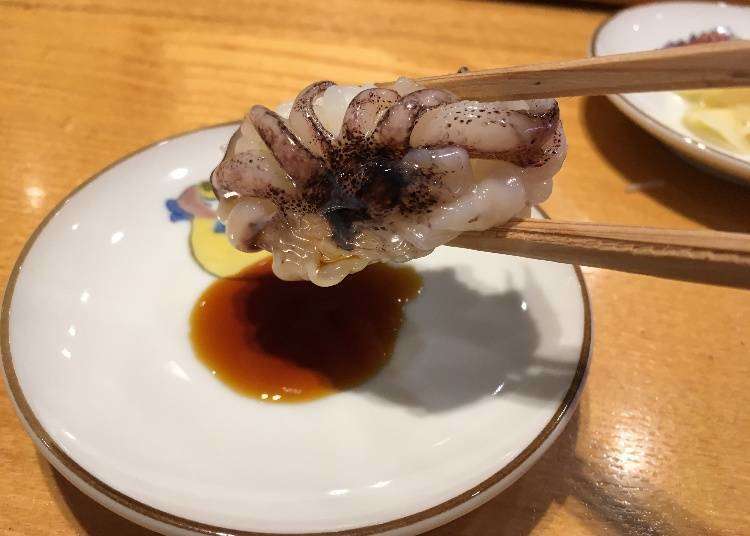
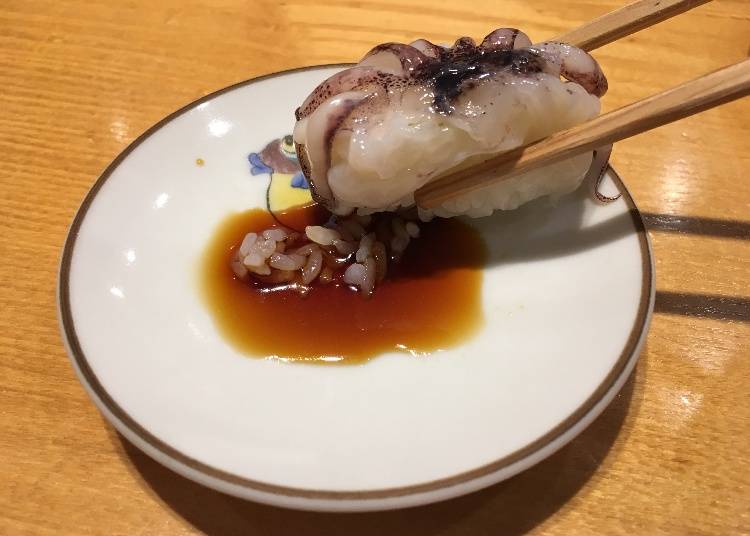
It’s not just your imagination – dipping sushi in soy sauce is one of the biggest hurdles when it comes to eating the healthy delicacy! The best way to get a decent amount of soy sauce on your nigiri is to turn it sideways and dip the tip of the topping. While it may seem easier to dip the bottom of the nigiri, the rice soaks up too much soy sauce. That doesn’t only make it too salty but might also cause it to fall apart.
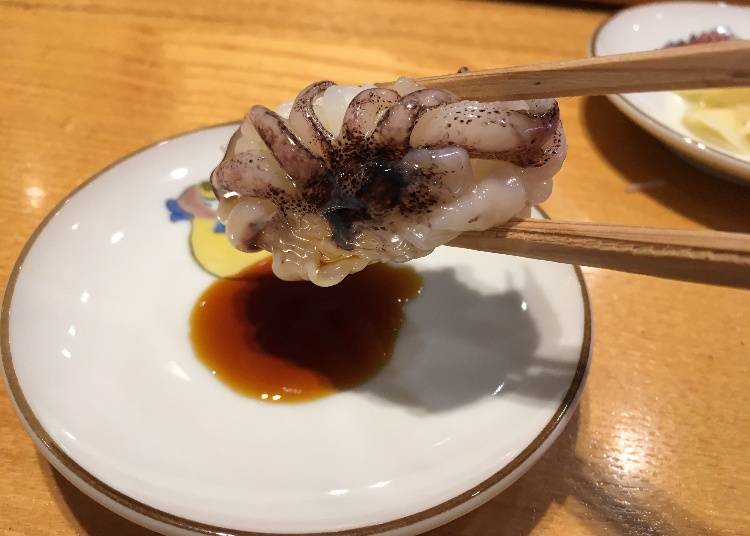
How to Eat Gunkan (Battleship Sushi)
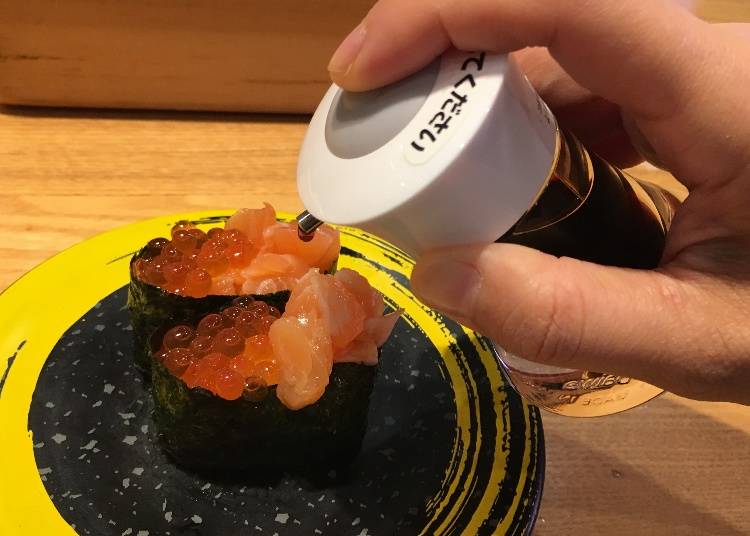
The battleship sushi or gunkan-maki is made by forming rice to an oval shape, wrapping nori around it, and topping it with whatever you like. Because it’s so simple to make, it’s a popular variety to make at home. The classic toppings such as salmon roe or sea urchin easily fall out, however, so turn it just a little bit and dip the seaweed in soy sauce.
Recently, spray type soy sauce has become popular at all kinds of sushi restaurants as well. Feel free to use it and directly spritz a bit of soy sauce on the toppings.
When NOT to Use Soy Sauce
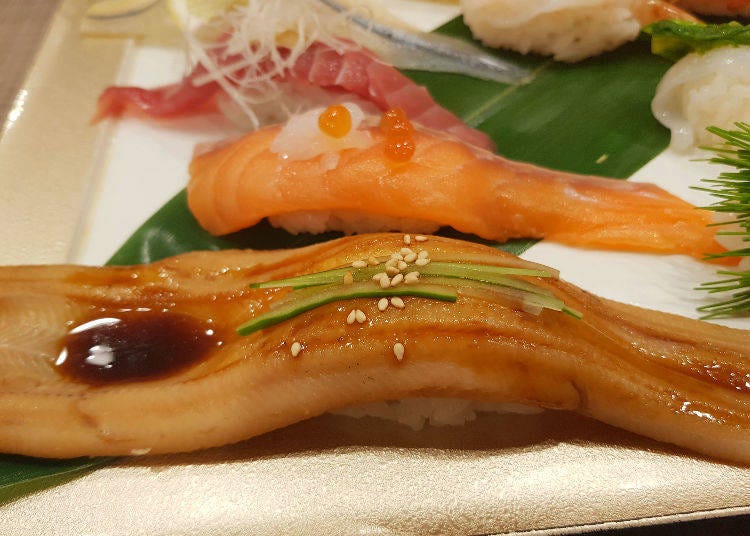
Some sushi toppings are served already seasoned, in which case you don’t need any soy sauce at all. The chefs prepare every piece in a way they deem to be the most delicious, so even if you’re a fan of plenty of soy sauce, give it a try just the way the chef intended. Classic examples of this are boiled conger eel and eel, as they come coated in a special sauce already. The rule of thumb is that soy sauce is unnecessary whenever there’s another sauce on the topping.
Does Order Really Matter?
Unless you’re a connoisseur, you might be surprised to hear that sushi tastes best when eaten in a specific order. Generally, the rule is to start with the light toppings that have a subtle flavor and work your way up to the stronger tasting heavy toppings. Maki rolls are eaten at the end because their refreshing flavor makes for a nice finish. Starting with the strong-tasting or fatty toppings first makes it a lot more difficult to savor the subtler flavors afterward.
And still, sushi began as casual street food sold at stalls, so it’s perfectly alright to eat what you like in whichever order you like – no one’s going to raise an eyebrow at that. Paying attention to the order is for really savoring every single topping as much as possible. It focuses on the skills of the sushi chef, preparing everything to the best of their expert knowledge, and we highly recommend trying this way of eating sushi at least once.
A great way to try this is to go to an “over the counter” sushi restaurant and order omakase, which tells the chef: “I’m leaving it up to you!” That way, you’ll get to enjoy a variety of flavors both subtle and strong even if you’re a sushi beginner.
Here are some other phrases that’ll help you navigate your way to a sublime gourmet experience:
Osusume wa nan desu ka?
→ “What’s your recommendation?”
→ osusume = recommendation
Omakase de onegai shimasu.
→ “I’d like to leave it up to you.”
→ omakase = leaving the selection/preparation to the chef
Moriawase o kudasai.
→ “An assorted plate, please.”
→ moriawase = assortment
Wasabi-nuki ni shite kudasai.
→ “No wasabi, please.” (Tell the chef right as you order.)
→ Wasabi-nuki = without wasabi
Kono neta ni shōyu wa tsukemasu ka?
→ “Is this topping supposed to be eaten with soy sauce?”
→ shōyu = soy sauce
Other sauces and dips:
→ tare = special sauce
→ shio = salt
→ ponzu = citrus vinegar
Basic Sushi Eating Order (Light to Rich)
First half: light toppings
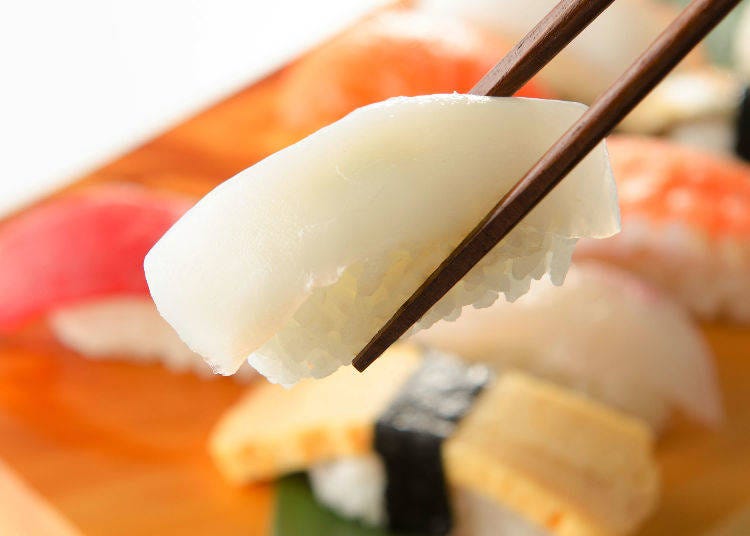
White fish (sea bream, flounder, squid), silver-skinned fish seasoned with vinegar (gizzard shad, mackerel).
Second half: heavy toppings
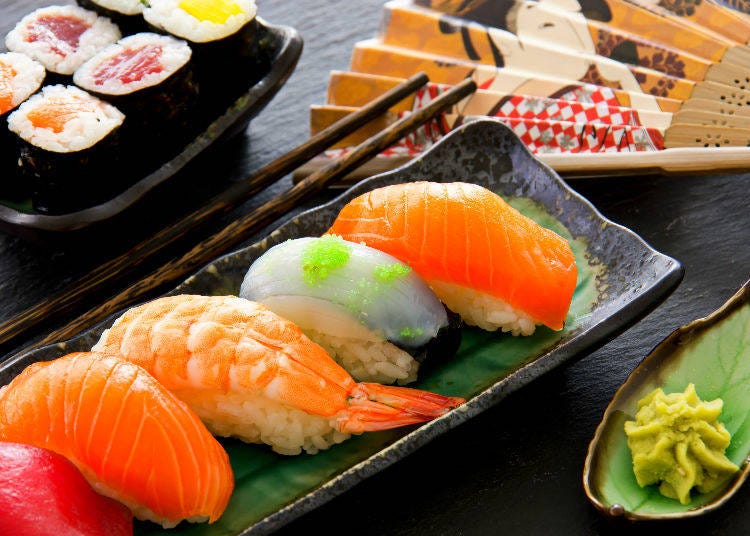
Red fish (tuna, salmon), sweet sauce toppings (conger eel, eel), shellfish, shrimp, sea urchin, roe.
End with: maki rolls & pickles
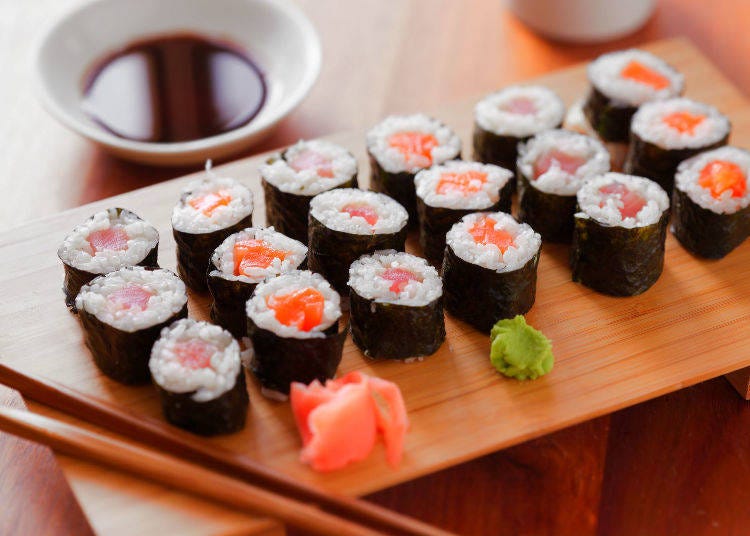
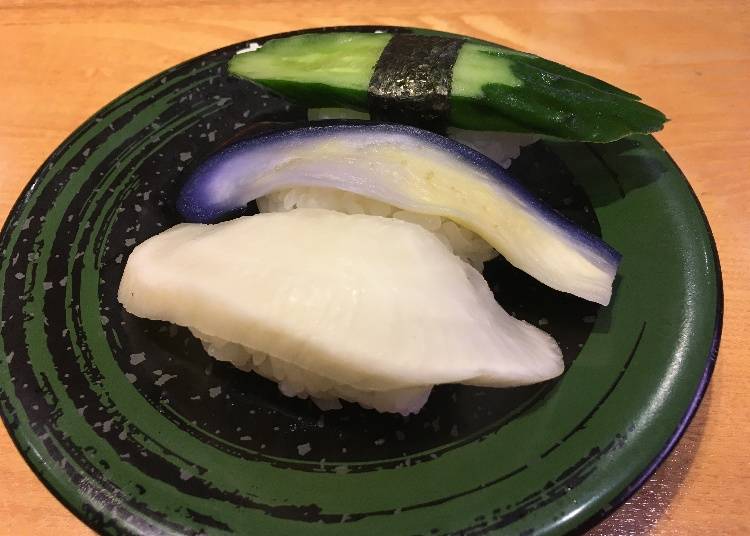
Maki rolls and pickled toppings are perfect finishers for your sushi meal.
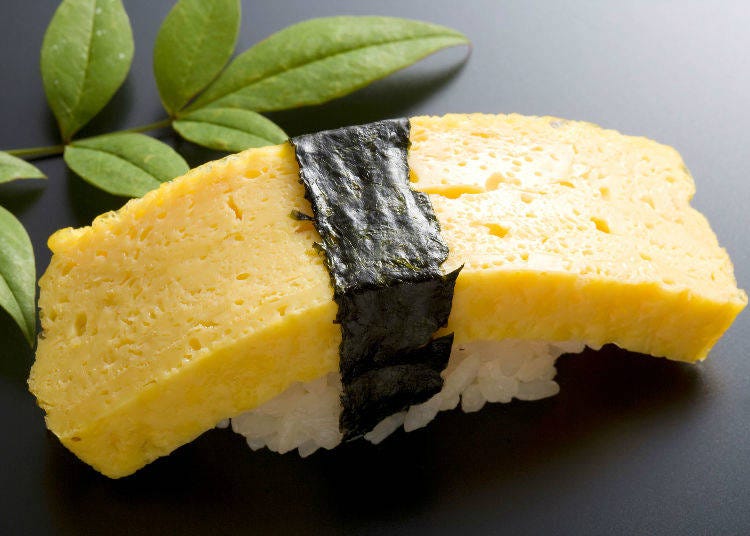
If you’re someone who prefers something sweet to end a meal, there are toppings for you as well. Fried egg has a subtly sweet taste and is often savored as the very last nigiri.
One Bite or Two?
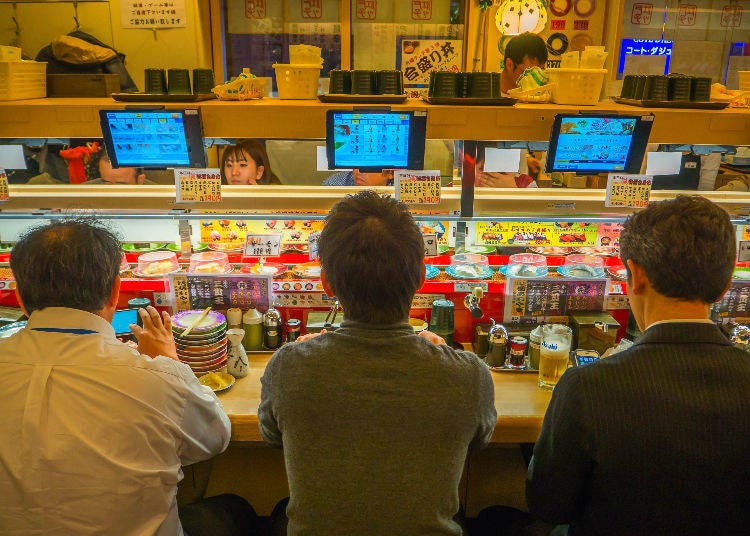
Nowadays, one plate generally offers two pieces of sushi. Up until the 1940s, however, there was only a single piece served that was as big as a onigiri rice ball, impossible to eat in just one bite. While the amount of rice has stayed the same, sushi chefs have split it in two, creating two portions that are supposed to be the size of a single bite – and that’s the best way to eat sushi! Trying to bite one piece in half is not only difficult, it often causes the sushi to fall apart.
Sushi Etiquette: The Unspoken Rules
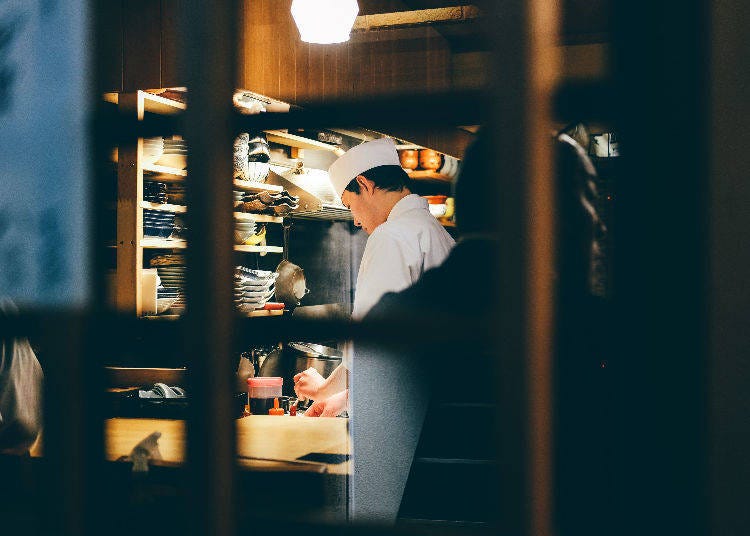
In Japan, sushi is a thoroughly casual food, but even here high-class sushi restaurants are on the rise. While conveyor belt restaurants are still the laid-back places where you won’t have to worry about much, sushi bars and “over the counter” restaurants do have unofficial rules to follow:
No Strong Perfume; No Smoking
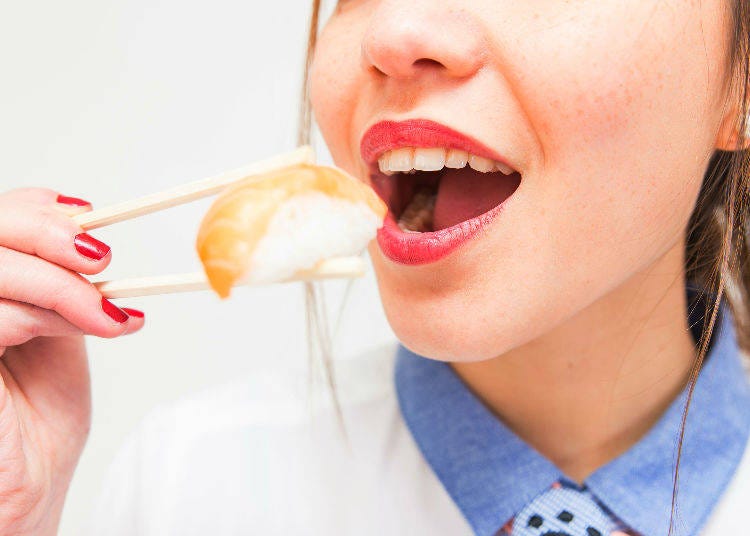
The refreshing aroma of vinegar is an important part of the sushi experience. Strong perfumes and cigarette smoke taint the delicate flavor – and stifle others’ ability to do so as well.
Don’t Overdo the Wasabi
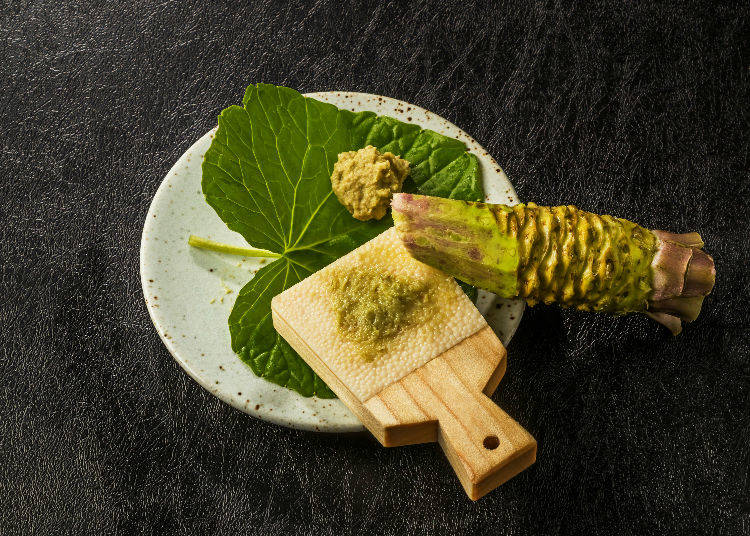
While this may seem weird to you, the amount of wasabi is carefully measured by the sushi chef who adds it between rice and topping. If that’s not enough for you, pick up a bit of wasabi with your chopsticks and put it directly on the sushi. Some people mix it right into the soy sauce until it turns a greenish color – that is definitely too much and the wasabi will cover the topping's flavor.
If you don’t like wasabi at all, it’s perfectly acceptable to tell the chef to not include any by saying wasabi-nuki as you order.
Eat It Immediately
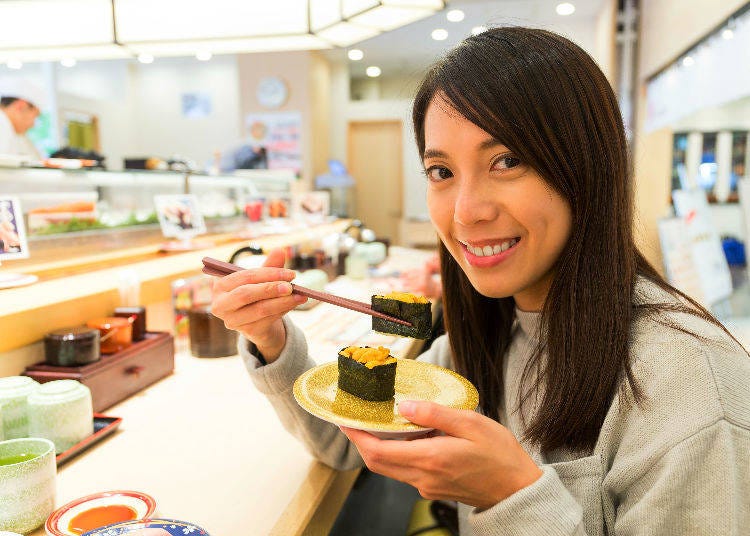
As soon as the chef serves the sushi, start eating! If you leave it on the plate to take pictures or finish that engaging conversation you just started, you won’t be able to savor the sushi at its freshest.
Never Return Plates to the Belt
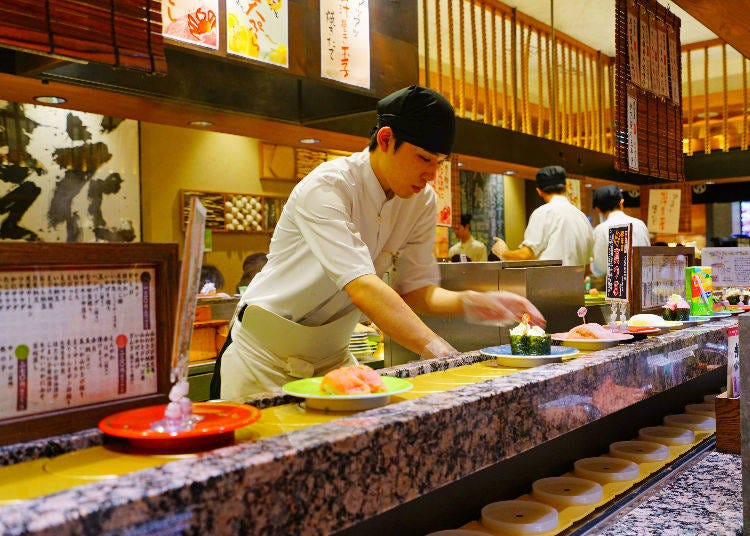
If you’re at a conveyor belt restaurant and happen to grab something that you don’t like, don’t put the plate back on the belt, even if you haven’t touched it. Similarly, don’t put empty plates back either.
Useful Sushi Phrases in Japanese
Sushi is such a unique food, it has its own terms and phrases. Even if you speak basic Japanese, you’ll be surprised at just how different these technical terms are.
Here are some of the most important ones.
Neta (Sushi topping): The word for seed (tane) read backwards.
Gari (Pickled ginger): Eat to cleanse your palate during the sushi meal.
Kappa (“cucumber,” often as kappa-maki): The kappa is a mythical creature that is said to love cucumber.
Toro (Tuna belly): “Toro” is an onomatopoeia for soft and mellow. Tuna belly is rather fatty and especially soft. “Ōtoro” is the fattiest part, “chū-toro” is medium fatty.
Hikari-mono (Silver-skinned fish): “Hikari” means light or shiny, which is exactly what silver-skinned fish are.
Gunkan (“Battleship,” oval-shaped rice with tall seaweed belt and topping): The shape resembles a battleship.
Agari (Tea): The last tea that a geisha serves is called “agari-bana” (rising flower). At sushi restaurants, a meal is also ended with tea.
Murasaki (Soy sauce): “Murasaki” means purple. The imperial court once used the word for a soy sauce-like russet brown. Another reason: in the past, soy sauce was expensive, just like things that were purple.
Namida (Wasabi): “Namida” means tears, which are the result of too much of it.
Geta(”Wooden” tray sushi is served on): Traditional sushi trays are elevated on blocks just like “geta,” traditional wooden sandals.
Sushi Toppings
Order confidently with a list of common sushi toppings.
- White Fish
- ・Tai (たい/鯛): Sea bream
・Hirame (ひらめ/鮃): Olive flounder
・Engawa (えんがわ/縁側): Meat at the base of the fin (especially flatfish)
・Sawara (さわら/鰆): Spanish mackerel
- Silver-Skinned Fish
- ・Aji (あじ/鯵): Horse mackerel
・Iwashi (いわし/鰯): Sardine
・Saba (さば/鯖): Mackerel
・Kohada (こはだ/小鰭): Gizzard shad
・Sayori (さより/細魚): Japanese halfbeak
- Others (Light)
- ・Ika (いか/烏賊): Squid
・Geso (げそ/下足): Squid tentacles
・Tako (たこ/蛸): Octopus
- Red Fish
- ・Maguro (まぐろ/鮪): Tuna
・Toro (とろ): Fatty tuna belly
・Salmon / Sake (サーモン/鮭): Salmon
・Katsuo (かつお/鰹): Bonito
・Buri (ぶり/鰤): Amberjack / Yellowtail
・Kanpachi (かんぱち/間八): Greater amberjack
- With Sauce
- ・Anago (あなご/穴子): Conger eel
・Unagi (うなぎ/鰻): Freshwater eel
- Shellfish & Rich Toppings
- ・Akagai (あかがい/赤貝): Blood clam
・Tsubugai (つぶがい/螺): Whelk
・Hotate (ほたて/帆立): Scallop
・Aoyagi (あおやぎ/青柳): Trough shell
・Ikura (いくら/鮭卵): Salmon roe
・Shirako (しらこ/白子): Soft roe (milt of cod, salmon, or puffer fish)
・Uni (うに/海胆): Sea urchin
・Ankimo (あんきも/鮟肝): Monkfish liver
・Amaebi (あまえび/甘海老): Alaskan pink shrimp
・Kuruma-ebi (くるまえび/車海老): Japanese tiger prawn
・Botan-ebi (ぼたんえび/牡丹海老): Botan shrimp
- Maki (Rolls)
- ・Kappa-maki (かっぱ巻き/河童巻き): Cucumber roll
・Kanpyo-maki (かんぴょう巻き/干瓢巻き): Dried gourd roll
・Natto-maki (なっとう巻き/納豆巻き): Fermented soybean roll
- Egg
- ・Tamago (たまご/玉子): Japanese-style omelet
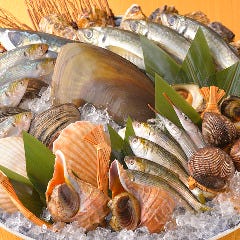
What kind of toppings are available greatly depends on the location of the sushi restaurant and the current season. Sometimes, a place will have seasonal toppings that aren’t written on the main menu, so it’s always worth to ask about today’s recommendations or special menu.
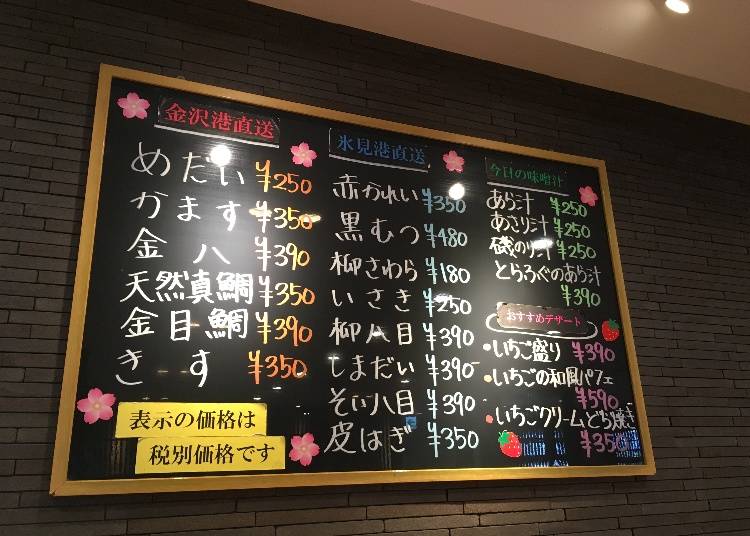
The fresh catch of the day is often written on a blackboard like this.
Brief History of Sushi: From Fermented Fish to Edomae
Now, let’s cleanse our palate with a bit of sushi history! Sushi is over 1,000 years old but what was eaten back then has little to do with what’s on your plate today – unless you go to a specialty restaurant. This “prototype” sushi is nowadays known as funazushi and you’ll still find it in Shiga prefecture. It’s made by fermenting a Japanese fish called nigorobuna with rice and salt for several months (sometimes a whole year), done to preserve the fish for a long time.
The turn came in the 17th century when vinegar started being used for sushi. That’s when oshi-zushi (pressed sushi) became a popular method of preservation without fermentation in the Kansai area.
The now so popular nigiri-zushi was first created in the 19th century in Edo, the old name for Tokyo. Back then, it was known (and in Tokyo still is) as Edomae sushi, because it was made with ingredients that are available in and around Edo. It was a casual, quick food sold at stalls all around the city, catering to the hungry common folk. The size of one nigiri was two to three times the size it is today, resembling a rice ball more than anything else.
You can see this original nigiri sushi and sushi stalls portrayed in many woodblock prints from the era, making clear that it was one the city’s staple foods, alongside soba and tempura.
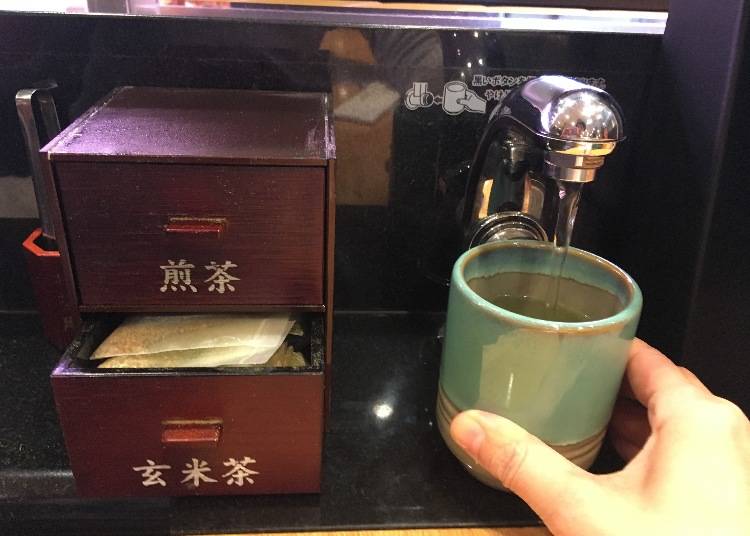
Even today, a lot of sushi restaurants offer comparatively large tea bowls or cups. It is said that the size of these bowls is a result of the craft of a sushi chef. They have to use both hands to make their delicacy so having to pour tea for a customer – common back then – was bothersome. Larger bowls saved them a lot of trouble.
Ready to Eat Sushi Like a Pro?
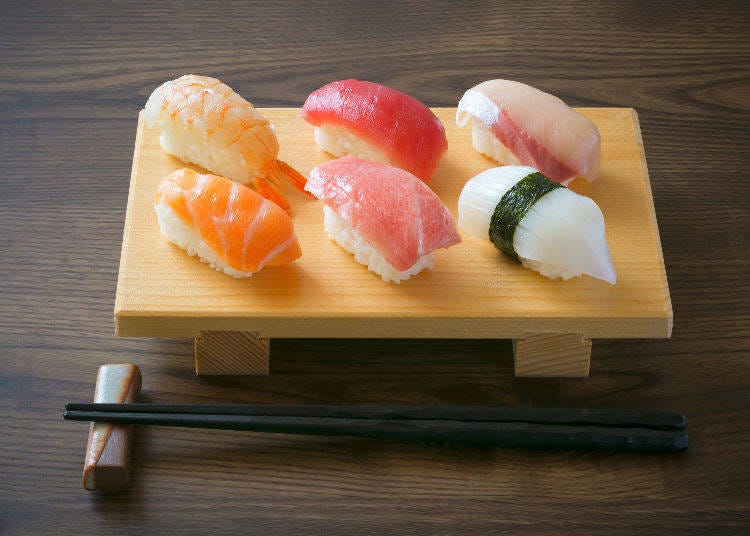
Sushi is a national food of Japan, closely connected to the country’s history and culture in many ways, available in various shapes and forms. Tasty, healthy, and creative, sushi has conquered the hearts of plenty of gourmets all around the world and continues its international success. The traditional food even starts to evolve globally, with plenty of original creations! The next time you’re in Japan, you should make your way to a sushi restaurant to both savor your favorite toppings and dive into the Japanese sushi tradition, exploring tastes you’ve never had before. Itadakimasu!
- Category
*Prices and options mentioned are subject to change.
*Unless stated otherwise, all prices include tax.
Popular Tours & Activitiess
Recommended places for you

-
Ad

Japan’s Land of Yokai Monsters and Spooky Stories! A Deep Journey to Mysterious San’in (Tottori & Shimane) for Seasoned Travelers
-

To the Holy Land of Kawaii! Odakyu Tama Center Station Is Becoming a Dreamy Sanrio Wonderland
by: Guest Contributor
-
Ad

The Whisper of a 1,300-Year-Old History: Meet the Other Face of Nara at Night
by: Shingo Teraoka
-
Ad
What Makes Japanese Yakiniku So Darn Good? Guide to Cuts, Heat, and Wagyu Know-How
-
PokéPark KANTO Is Finally Open! Tokyo's New Pokémon World Starts Before You Even Arrive (2026)
by: Guest Contributor
-
Top 3 OSHI MAPs for the Best Matcha and Sweets in Tokyo
by: Guest Contributor
-

5-Day Winter Itinerary for Aomori and Akita: Nyuto Onsen, Kakunodate Samurai Village, and Yokote Kamakura
by: Ran Tanaka
-
Visiting Japan's Miffy Cafe Will Make Your Heart Melt (Photos)
-

Tokyo to Sendai: Riding the Shinkansen to Japan's Stunning Spots
-
Best Sushi in Ueno: 3 All-You-Can-Eat Sushi Restaurants in Ameyoko!
-
Tokyo $10 Food Challenge: 4 Tsukiji Specialties Brimming with Japanese Culinary Expertise
by: Miyu Shimada
-
6 Halal Restaurants in Tokyo: Sushi, Yakiniku, Sweets & More!
- #best sushi japan
- #what to do in odaiba
- #what to bring to japan
- #new years in tokyo
- #best ramen japan
- #what to buy in ameyoko
- #japanese nail trends
- #things to do japan
- #onsen tattoo friendly tokyo
- #daiso
- #best coffee japan
- #best japanese soft drinks
- #best yakiniku japan
- #japanese fashion culture
- #japanese convenience store snacks