





Lake Towada is a vast volcanic caldera lake straddling the border of Aomori and Akita prefectures, and one of the most celebrated natural destinations in the Tohoku region. It is the third deepest lake in Japan, and one of its most scenic, its still waters reflecting forest and sky in shades that change dramatically with the seasons. Lake Towada sits within the Towada-Hachimantai National Park and is jointly designated with Oirase Gorge as a Special Place of Scenic Beauty and Natural Monument.
Whether you only want to visit Lake Towada, or want to do a joint day trip to both Oirase Gorge and the lake, the accessibility and beauty of the locations are some of the best in Tohoku. A combined day trip is the classic way to experience both.
- Table of Contents
-
- Lake Towada by Season: When is the Best Time to Visit?
- How to Get to Lake Towada
- Lake Towada Pleasure Boat: Routes, Tickets, and What to See
- Where to Eat at Lake Towada: Himemasu and Local Cuisine
- Otome no Zo: The Maiden Statues of Lake Towada
- Towada Shrine: The Power Spot
- Combining Lake Towada and Oirase Gorge: An Additional Suggested Day Trip Itinerary
- Recommended hotels around Lake Towada
Lake Towada by Season: When is the Best Time to Visit?

Spring (late April – June): The boat service resumes from mid-April, marking the beginning of the sightseeing season. By May, the forests surrounding the lake are deep, vivid green. Spring also boasts cooler temperatures and less crowds than summer. This is an underrated time to visit for anyone who prefers quieter conditions.
Summer (July – August): August is the peak season for domestic visitors. On calm days with little wind, the lake surface takes on a beautiful mirror-like appearance, and the mountain silhouettes reflect clearly off the water. Summer is a great time for boating on the lake. Expect higher crowds on the Pleasure Boats and along popular sections of Oirase Gorge, particularly on weekends. Early morning arrivals help avoid the busiest periods.
Autumn (mid-October – early November): This is the most popular season overall, and the one for which Lake Towada and Oirase Gorge are best known. The earliest autumn color in the Oirase Gorge appears near the upper reaches of Lake Towada, starting in mid-October, and the foliage can be enjoyed until early November near Mount Yakeyama downstream. Peak season at both Lake Towada and Oirase Stream typically runs from late October through early November. The beech forests turn golden and copper, and the gorge walking trail becomes one of the most photographed stretches of autumn foliage in northern Japan.
Winter (mid-November – March): Bus services are limited from mid-November through March, and some roads in the area close during this period. Lake Towada remains accessible by car from Hachinohe via the Oirase, and year-round via a reservation-only bus called Oirase-go. Be sure to research the most current schedules. However, for visitors who do go during this time, you can be met with some stunning views of snow-covered surroundings and icicle-filled forests around the lake.

How to Get to Lake Towada
The main transportation hub at the lake is Yasumiya, the small lakeside town where the boat pier, bus stop, and most restaurants are located. Two JR Bus Tohoku services run to Yasumiya during the main season (typically April to mid-November): the Mizuumi-go, departing from Aomori Station and Shin-Aomori Station, and the Oirase-go, departing from Hachinohe Station. Both travel along the Oirase Stream route, stopping at multiple points along the gorge trail. Schedules are updated each season, so always confirm current timetables on the JR Bus Tohoku website before travelling. The Japan Rail Pass and JR East Tohoku Area Pass are valid on both services.
- From Tokyo (via Hachinohe):
- Take the JR Tohoku Shinkansen to Hachinohe Station (approximately 3 hours from Tokyo). From Hachinohe Station, board one of the the JR buses for a direct ride to Lake Towada. The bus passes through Oirase Gorge, making stops along the trail before terminating at Yasumiya.
- From Aomori City or Aomori Airport:
- From Aomori Airport, take the airport shuttle bus to Aomori Station (approximately 35 minutes), then board the bus bound for Lake Towada. The bus also departs from Shin-Aomori Station, which connects directly to the Shinkansen. The service runs via Mount Hakkoda and along the Oirase Stream before terminating at Yasumiya.
- By Car:
- Driving offers the most flexibility, particularly for combining the lake with Oirase Gorge at your own pace. Take the Tohoku Expressway to the Towada-Minami IC, then follow Route 102 toward Yasumiya. Parking is available at Yasumiya. Rental car outlets can be found at Hachinohe Station, Shin-Aomori Station, and Aomori Airport.
Seasonal Heads Up: Once again, bus services are limited from mid-November through March. In winter the Mizuumi-go continues only as far as Mount Hakkoda (Sukayu Onsen), and Oirase-go buses operate on selected dates with advance reservations necessary. Several roads in the area also close during winter. Check the JR Bus Tohoku website for current seasonal schedules.
So, now that you’ve made it to Lake Towada, here are some amazing ways you can spend your day at the lake.
Lake Towada Pleasure Boat: Routes, Tickets, and What to See

A ride on Lake Towada's Pleasure Boat gives you views of the lake that are simply impossible to see from land. There are two route options: the B-Course is a round-trip ride of about 50 minutes, departing from and returning to the Yasumiya rest house. The A-Course is a one-way ride that takes you to Nenokuchi, the entrance to Oirase Gorge. From Nenokuchi, you can return by the return boat, or continue into the gorge by bus or taxi.
Tickets are purchased at the ticket office at Yasumiya. The boat has three tiers: an open deck, a second floor with indoor seating, and a top-floor green room (first-class seating), available for an additional 500 yen (tax included; green seats may be unavailable on some vessels).
Operating period: mid-April to early November.
What You'll See from the Boat

As the boat departs from the pier and heads toward Nenokuchi, it passes two dramatically different peninsulas.
The Nakayama Peninsula has a gentler character, with small islands and coves. Several small islands appear to float on the lake surface and have distinctive natural shapes. One of them, Ebisu Daikokujima, was formed by the eruption of the Towada volcano and is a natural sculpture made entirely of lava.
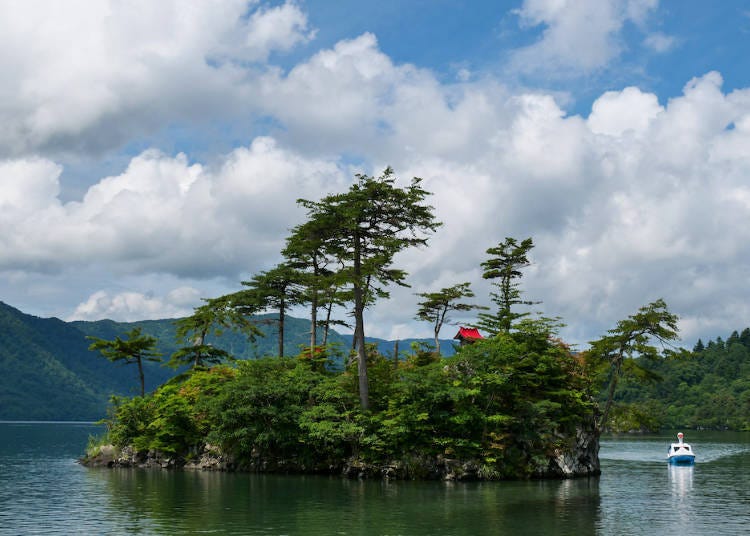

At the tip of the peninsula stands Migaeri-no-Matsu, or "the looking-back pine." It earned its name because its beauty is said to make every visitor stop and look back.

The Mikura Peninsula is more dramatic. Goshiki-iwa is a cliff formation created by an ancient volcanic eruption, and appears red due to the iron content in its rock. Senjomaku is one of the lake's most striking landmarks. A rock wall approximately 220 meters high and stretching roughly 3 kilometers, it is often described as a giant stone curtain drawn across the landscape. Even from the water, the scale is striking.


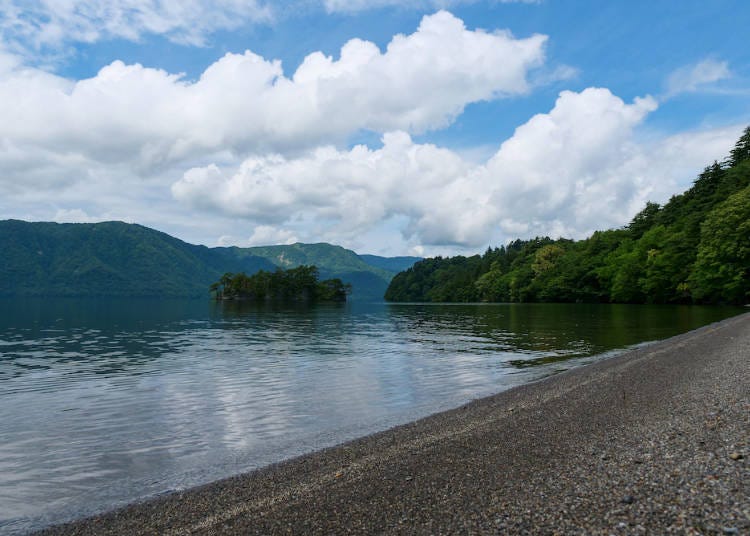
On calm days in summer, with no wind to disturb the surface, the lake takes on an emerald green color. It becomes a mirror for the surrounding forest and sky.

When you arrive in Nenokuchi, you can take a bus or taxi back to the rest house. You can also wait for the return boat, which we recommend, since you can enjoy the scenery from a different perspective.

-
Lake Towada Pleasure Boat (Yasumiya)十和田湖遊覧船(休屋)
- Address 486-Okuse Towadako-hanyasumiya, Towada City, Aomori Prefecture 018-5501
-
Nearest Station
About 180 minutes from JR Aomori Station via JR Bus Tohoku Mizuumi
- Phone Number 0176-75-2909
・Operating Period: Mid-April to early November, every year
・Hours: 8:15 AM-4:15 PM
・Price: Adults: 1,430 yen, Children: 720 yen (*Tax included)
Where to Eat at Lake Towada: Himemasu and Local Cuisine
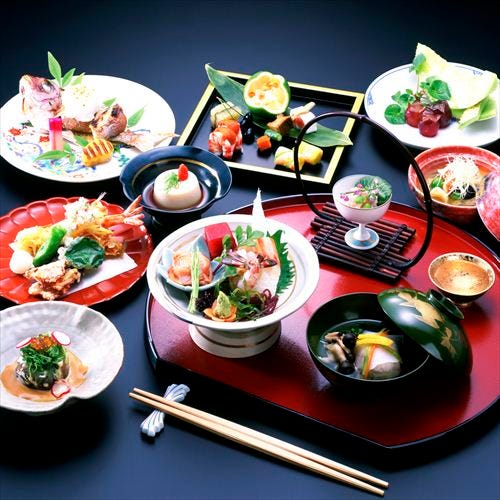
After taking the cruise, it’s time to eat. Lake Towada has its own signature food: himemasu, or kokanee trout, which is caught in the lake itself. Until 1903, there were no edible fish in Lake Towada at all. When himemasu was successfully cultivated in the lake that year, it gradually became established as the area's defining local specialty. It has no strong odor or aftertaste, is fresh enough to be eaten as raw sashimi, and is found only here.

Several restaurants around the lake serve himemasu. One of the most well-known is Tochino Chaya, about a 10-minute walk from the Yasumiya boat platform.

Tochino Chaya specializes in Japanese cuisine made with locally sourced ingredients. The signature dish is salt-grilled himemasu. Also popular is the Nijimasu (Rainbow Trout) Tempura Set Meal, which includes tempura of rainbow trout alongside local wild plants such as bamboo shoots, peppers, shiitake mushrooms, and eggplant.


For visitors who want to try everything, a larger set combining salt-grilled himemasu, nijimasu sashimi, and tempura is available. Foreign language menus are available in English, Chinese, and Korean.

-
Tochino Chayaとちの茶屋
- Address 486-Okuse Towadako-hanyasumiya, Towada City, Aomori Prefecture 018-5501
-
Nearest Station
5-min walk from JR Bus Lake Towada
- Phone Number 050-5838-4360
・Hours: 11 AM-4 PM
・Website: https://towadako-marutetsu.com/menu/
Otome no Zo: The Maiden Statues of Lake Towada

On the Gozengahama shore, a short walk behind Tochino Chaya, stand two bronze figures facing each other at the water's edge. This is Otome no Zo, Maidens by the Lake, one of the most recognized landmarks at Lake Towada.
The statues were completed in 1953 to commemorate the 15th anniversary of the designation of Lake Towada National Park. They are the final work of Kotaro Takamura, a celebrated Japanese poet and sculptor.

The two figures face each other because, "when two similar people face each other, the feeling of compatibility deepens." The triangles on their backs are said to represent infinity. The statues are widely considered a masterpiece of modern Japanese sculpture.
Otome no Zo is approximately a 5-minute walk from Tochino Chaya along the lakeside path.

Towada Shrine: The Power Spot

From the Otome no Zo statues, a cedar-lined road leads to Towada Shrine, approximately 3 minutes on foot. The approach through old growth trees gives the shrine a distinctly enclosed, atmospheric feeling.
History
The torii gate is said to have been established in 807 by military commander Sakanoue no Tamuramaro. Until the Meiji-era separation of Shinto and Buddhism in 1868, the shrine served as a symbol of the Tohoku region's water deity tradition. Today it enshrines Yamato Takeru and is considered one of the area's most significant spiritual sites.
The Lake Towada Legend

The shrine is inseparable from the legend of Lake Towada. Long ago, a hunter named Hachirotaro lived near the lake. One day he broke a promise to his companions and ate their fish. After drinking from the lake, he transformed into an eight-headed dragon and claimed the lake as his domain. Eventually, a monk named Nansonobo arrived, transformed into a nine-headed dragon, and defeated Hachirotaro in battle. Towada Shrine enshrines Nansonobo as Seiryu Gongen, a dragon deity, and the legend remains central to the shrine's identity. The calm interior of the temple is shrouded in mystery, and you can almost hear the breath of the dragon god.
The Oyori-gami Fortune Ritual

One of the most unique experiences at Towada Shrine is the oyori-gami fortune-telling. Oyori-gami are small pieces of paper blessed by the shrine priests. To read your fortune, first call upon the dragon god of Lake Towada in your mind. Then twist the paper and drop it into the lake from the water's edge at Gozengahama. Watch how it sinks: vertically means good luck, sideways means average luck, upside down means bad luck. After receiving your fortune, the custom is to thank the dragon god and send him on his way before leaving.

Oyori-gami paper costs 200 yen (tax included) and is available at the amulet office. Worship instructions are posted in English inside the shrine grounds.

-
Towada Shrine十和田神社
- Address 486-Okuse Towadako-hanyasumiya, Towada City, Aomori Prefecture 018-5501
-
Nearest Station
5-min walk from JR Bus Lake Towada
- Phone Number 0176-75-2508
・Amulet Office Hours: 9:30 AM-4 PM
・Free entry
Combining Lake Towada and Oirase Gorge: An Additional Suggested Day Trip Itinerary
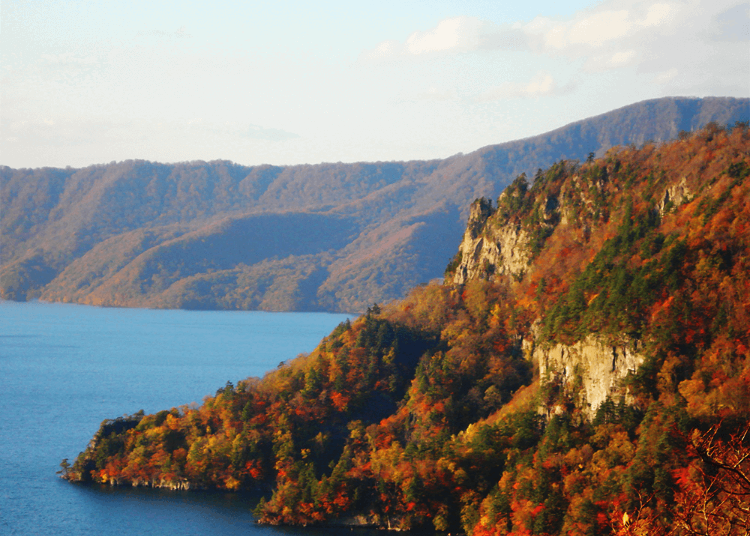
Lake Towada and Oirase Gorge are great places to be visited together. Oirase Stream is the only outlet draining Lake Towada, beginning at Nenokuchi, which is also the endpoint of the pleasure boat's A-Course, and flowing for approximately 9 kilometers of hikeable trail to Ishigedo, taking about 2.5 hours to walk one way. The JR bus serves all the stops along the trail in both directions, so you can walk as much or as little as suits you and catch a bus back at any point.
A combined trip could look something like this:
Morning: Arrive at Yasumiya and board the A-Course pleasure boat. Starting at the lake gives you the scenic water crossing before the walk, and arriving at Nenokuchi by boat rather than bus is a more satisfying way to begin the gorge.
Mid-morning to early afternoon: Walk Oirase Gorge from Nenokuchi toward Yakeyama. The walk from Nenokuchi to Oirase Field Museum (Oirase Keiryū-kan) takes between three and four hours. The trail is mostly flat and well-maintained, running alongside the stream past a series of waterfalls. The most dramatic single waterfall is Choshi-Otaki, the largest in the gorge, located roughly in the middle of the trail. Bus stops are spaced along the entire route, so you can exit the trail early if needed.
Afternoon: Bus back to Hachinohe or Aomori. With buses running along the Oirase Stream and serving all trail stops, you can easily catch a bus back to either Aomori or Hachinohe, ending a great day of boating and walking through some of Tohoku’s most beautiful nature.
For a full guide to the gorge trail, waterfalls, and walking tips, see our companion article: Oirase Gorge is the Unforgettable Day Hike in Japan's North.
Experience the beauty of Lake Towada by enjoying the scenery, tasting delicious gourmet food, and visiting power spots. The landscape differs depending on the season you visit. Check out the sightseeing course introduced here today, and enjoy the sights in any season!
Recommended hotels around Lake Towada
-
 Oirase Guest house KEIGETSUOirase Guest house KEIGETSU
- Address Horyo Yakeyama 64-263, Towada, Aomori View Map
- Original source: Booking.com
Vacancy search, reservation
-
from 9,240JPY 1room, 2adults
Check with our partner site as the latest rates, rate details, and guest room requirements may vary.
- Area
- Category
*Prices and options mentioned are subject to change.
*Unless stated otherwise, all prices include tax.
Popular Tours & Activitiess
Recommended places for you
-
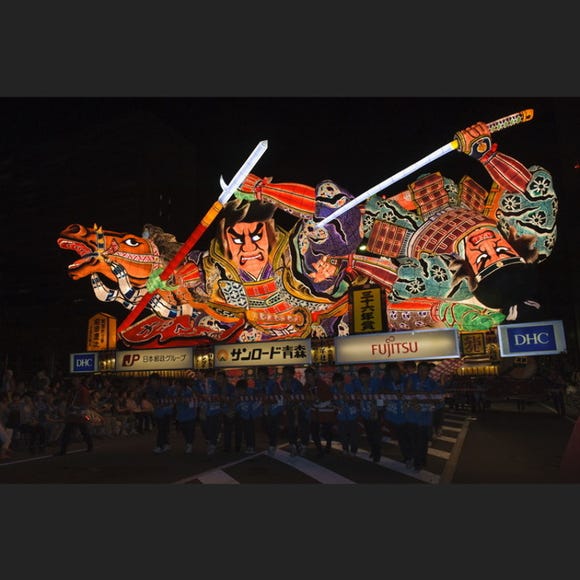
Aomori Nebuta Festival
Japanese Festivals (Matsuri)
Aomori, Hirosaki And Hachinohe
-
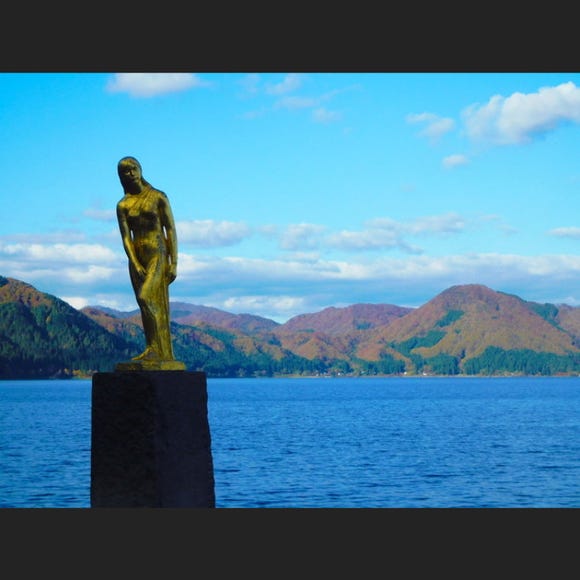
Lake Tazawa
Rivers, Lakes & Canyons
Surrounding Areas Of Akita
-
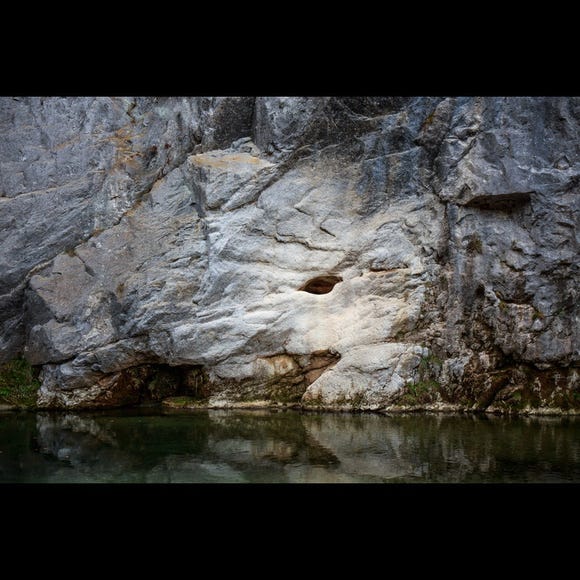
Geibikei Gorge
Rivers, Lakes & Canyons
Morioka, Hiraizumi And Hachimantai
-
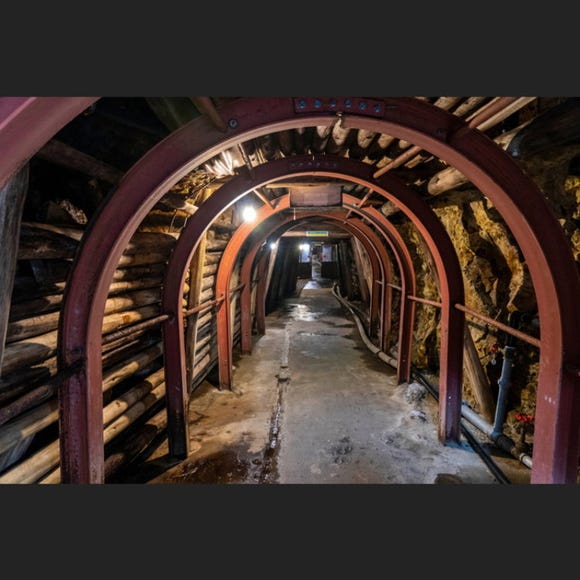
Sado Gold Mine
Winter
Niigata And Sado
-
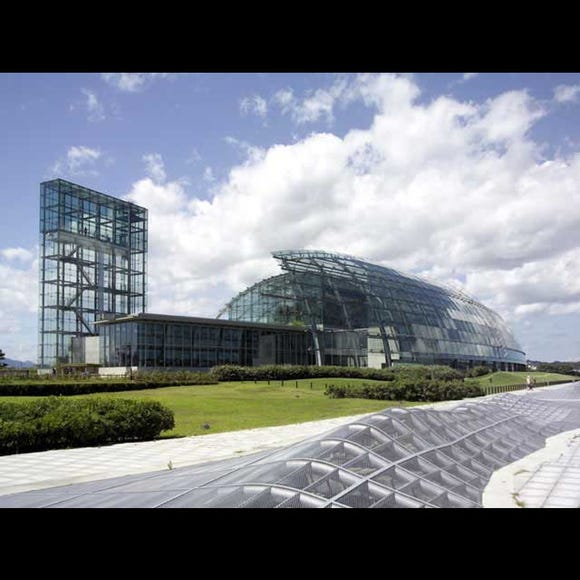
Aquamarine Fukushima
Zoos, Aquariums & Botanical Gardens
Fukushima, Koriyama And Iwaki
-
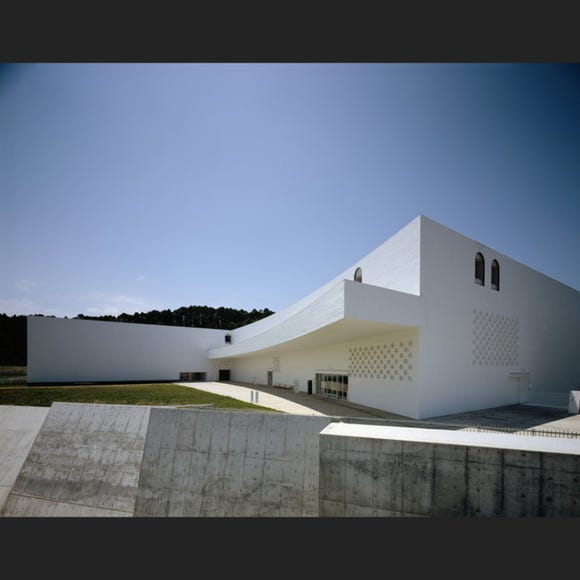
Aomori Museum of Art
Art Museums
Aomori, Hirosaki And Hachinohe
-
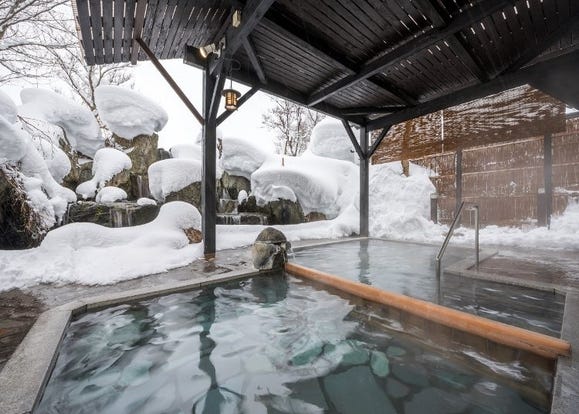
8 Luxury Tohoku Ryokans: Private Onsen, Gourmet Wagyu, and Winter Views
by: Sae Haneda
-
Ad

Explore Samurai City Aizu-Wakamatsu: Your Full Guide to History, Nature, and Culture
-
Aomori Summer Weather Guide (June–August) + What to Wear: Tips from a Japan-Based Editor
by: Nemi Lin
-
Aomori's Quiet Side in Autumn: 5 Scenic Spots in Hachinohe According to a Local
by: Marco Blasco
-
Ad
Scandinavian Brands Meet Harajuku: Inside Japan's Only Flagship Stores for Haglöfs and D_b_
-
Ad
Discover Kanazawa: History, Culture, and How to Get Around with Ease
-
Japanese Foods List: 16 Crazy Tasty Japanese Tohoku Region Dishes You've Never Heard of
by: Guest Contributor
-
The Ultimate Niigata Bucket List: 28 Best Things to Do in Japan's 'Snow Country'
by: Guest Contributor
-

Oirase Gorge Trail: Complete Hiking Guide to Aomori's Most Beautiful Stream
by: Guest Contributor
-
Dakigaeri Gorge: Stroll Beside Aqua-Blue Streams and Brilliant Autumn Leaves in Akita
by: Guest Contributor
-
Enjoy the Untouched Beauty of Oirase Keiryu (Aomori): Japan's Hidden Nature Gem
by: Miyu Shimada
-
Koiwai Farm Guide: Explore, Dine, and Play at Iwate's Top Agritourism Spot