



Kansai is home to Osaka, Kyoto, Nara, Kobe, and a huge railway network that makes getting around the region surprisingly easy. Whether you're heading to a famous temple, a lively shopping district, or another city altogether, there's usually a train that will get you there quickly.
But trains in Japan are about more than just getting from one place to another. They offer a small window into everyday life, along with a few simple customs that help crowded stations and carriages run smoothly. In this guide, we'll cover practical train etiquette, a recent manners campaign by Kansai railway operators, and historic and cultural spots you can easily reach by train.
- Table of Contents
-
- The Spirit of "Harmony" Behind Japanese Train Etiquette
- Travel Like a Local: 5 Simple Train Etiquette Tips in Japan
- How Kansai's Railways Helped Shape Modern City Life
- Historic & Cultural Spots to Visit by Train in Kansai
- Japan Train Travel FAQ: Tickets, Luggage, Wi-Fi & More
- Let the Railway Be Part of Your Kansai Experience
The Spirit of "Harmony" Behind Japanese Train Etiquette
In Japan, public transportation relies heavily on passengers being considerate of those around them. Simple habits such as lining up, keeping noise down, and leaving space for others help busy stations and trains operate smoothly, particularly in major cities.
Kansai Railway Operators Join Forces to Promote Better Train Manners
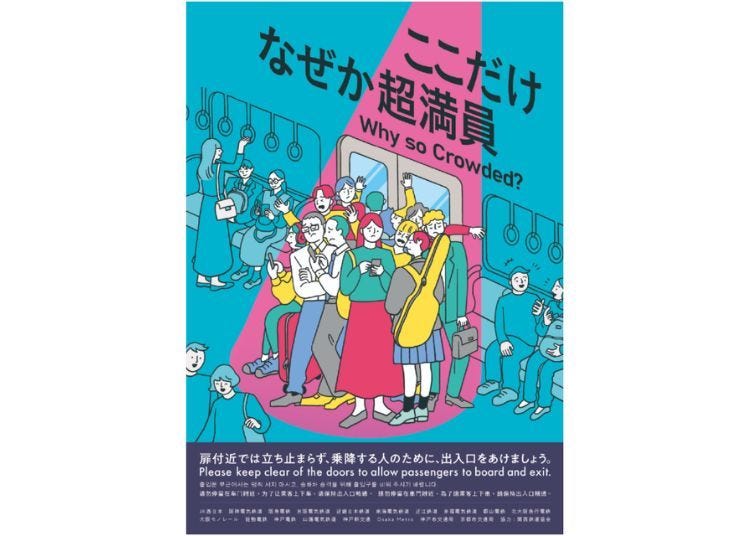
On August 20, 2026, 18 railway operators across Kansai, including Osaka Metro, announced a joint manners campaign focused on boarding and exiting trains, particularly avoiding blocking the area around train doors.
The message is simple: everyone can help make public transportation safer and more comfortable by being aware of the people around them. For international visitors, learning a few of these everyday habits can also make traveling by train feel much easier and more intuitive.
Travel Like a Local: 5 Simple Train Etiquette Tips in Japan
Here are five useful things to keep in mind when traveling by train in Japan, along with a little context on why they matter.
1. Queue Up and Let Passengers Off First
Platforms in Japan generally have lines or markings showing where passengers should wait. Depending on the station, people may form two or three orderly lines before the train arrives.
When the doors open, stand to either side and let passengers exit before boarding. It keeps people moving smoothly and is one of the easiest pieces of Japanese train etiquette for visitors to follow.
2. Keep the Volume Down
Even in the middle of a busy city, Japanese train cars can be surprisingly quiet. Many passengers use the journey to read, rest, or simply enjoy a little downtime.
Phone calls are generally avoided inside commuter trains, and conversations are best kept at a moderate volume. You do not need to remain completely silent, but being mindful of the people around you goes a long way.
3. Be Mindful of Your Luggage
Traveling with a suitcase or backpack is perfectly normal, but large bags can take up valuable space on crowded trains.
If possible, take your backpack off and hold it in front of you or place it on the overhead rack. Keep suitcases close and secure so they do not roll around, block the aisle, or obstruct the doors. This is especially helpful during busy commuting periods.
4. Know How Priority Seats Work
Priority seats are provided for passengers who may have greater need of a seat, including older adults, pregnant passengers, people with disabilities, and passengers traveling with small children.
You can generally sit in an empty priority seat, but be prepared to offer it to someone who needs it. Even without speaking Japanese, a little eye contact and a gesture toward the seat are usually enough.
5. Know When It's Okay to Eat and Drink
Eating an ekiben station bento aboard the Shinkansen or a long-distance limited express train is one of the pleasures of traveling around Japan.
On urban commuter trains and subways, however, passengers generally avoid eating meals, particularly anything messy or strongly scented. Having a drink from a resealable bottle is normally fine.
How Kansai's Railways Helped Shape Modern City Life
Why Kansai Is Known as Japan's "Private Railway Kingdom
Kansai has long been known for its extensive network of private railways. Companies including Hankyu Railway, Keihan Railway, Kintetsu Railway, and Nankai Electric Railway expanded their networks while competing for passengers.
What makes this history especially interesting is that these companies did much more than build railway lines. They also helped develop the neighborhoods around their stations, including department stores, residential areas, shopping districts, and leisure destinations.
That connection between railways and everyday life is still easy to see today. Step outside many stations in Kansai and you will find lively shopping streets, department stores, restaurants, and neighborhoods that grew alongside the railway itself.
Historic & Cultural Spots to Visit by Train in Kansai
One of the great advantages of traveling around Kansai is how easy it is to reach major sightseeing destinations by rail. Here are several classic stops where you can explore the region's history and culture.
Osaka: The Nation's Kitchen and a Stage of Grand History
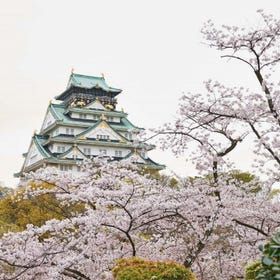
Originally built by Toyotomi Hideyoshi in the late 16th century, Osaka Castle is one of the city's defining historic landmarks. The current main tower dates from 1931, while the enormous stone walls and moats surrounding it hint at the scale and power of the castle complex that once stood here.
Spring is an especially popular time to visit, when thousands of cherry trees bloom around the castle grounds. The combination of historic architecture, blossoms, and Osaka's modern skyline makes for some of the city's most memorable views.
-

-
Address
Osakajo, Chuo-ku, Osaka-shi, Osaka, 540-0002
View Map -
Nearest Station
Osakajokoen Station (JR Osaka Loop Line)
- Phone Number 06-6755-4146
-
Address
Osakajo, Chuo-ku, Osaka-shi, Osaka, 540-0002
Namba / Dotonbori
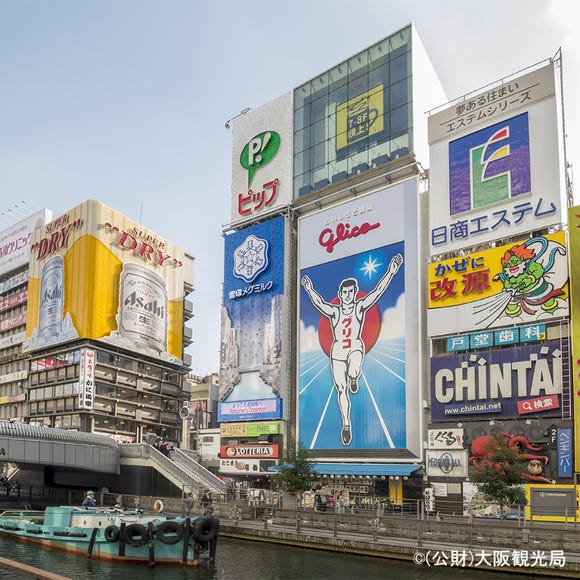
Bright neon, giant signs, takoyaki, okonomiyaki, and restaurants seemingly everywhere you look: Namba and Dotonbori capture Osaka's famous kuidaore food culture, a phrase loosely referring to spending yourself into ruin through eating.
Food may be the big attraction today, but Dotonbori has a long entertainment history. The area developed as a major theater district during the Edo period (1603–1867), making its modern-day buzz the continuation of a tradition stretching back centuries.
Kyoto: Step Into Japan's Former Imperial Capital
Around 30 to 45 minutes from Osaka by train, Kyoto puts centuries of temples, shrines, traditional streets, and cultural landmarks within easy reach.
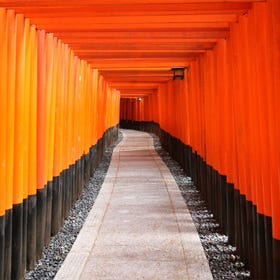
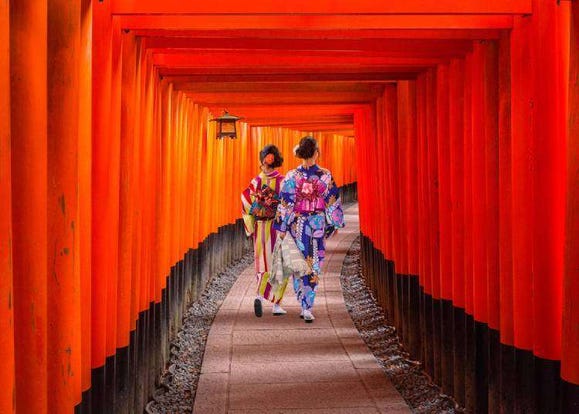
Fushimi Inari Taisha is famous for the seemingly endless rows of vermilion torii gates that climb the slopes of Mount Inari. The shrine is dedicated to Inari, a deity associated with rice, agriculture, prosperity, and business.
Walking beneath the torii gates and gradually climbing away from the city is part of the experience. Continue beyond the busiest areas near the entrance and the atmosphere becomes progressively quieter and more peaceful.
-

-
Address
68, Fukakusayabunouchicho, Fushimi-ku, Kyoto-shi, Kyoto, 612-0882
View Map -
Nearest Station
Inari Station (JR Nara Line)
- Phone Number 075-641-7331
-
Address
68, Fukakusayabunouchicho, Fushimi-ku, Kyoto-shi, Kyoto, 612-0882
■Kiyomizu-dera Temple
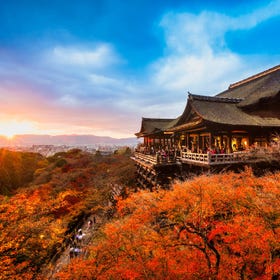
Kiyomizu-dera is so deeply embedded in Japanese culture that its famous wooden stage inspired the expression kiyomizu no butai kara tobioriru, or "to jump from the stage of Kiyomizu," meaning to make a bold decision.
The temple's expansive wooden stage offers views across Kyoto, while the surrounding Higashiyama district is almost as much a part of the experience. Allow time to wander the atmospheric Ninenzaka and Sannenzaka streets, lined with traditional buildings, shops, cafés, and souvenir stores.
-
-
Address
1-294 Kiyomizu, Higashiyama-ku, Kyoto City, Kyoto Prefecture, 605-0862
View Map -
Nearest Station
Gionshijo Station (Keihan Line)
25 minutes on foot
- Phone Number 075-551-1234
-
Address
1-294 Kiyomizu, Higashiyama-ku, Kyoto City, Kyoto Prefecture, 605-0862
Nara: The Birthplace of Japan and Sacred Deer
More than 1,000 deer roam around Nara Park, where visitors can purchase special shika senbei crackers to feed them. The deer have long held a special place in the area's religious traditions and have become one of Nara's most recognizable sights.
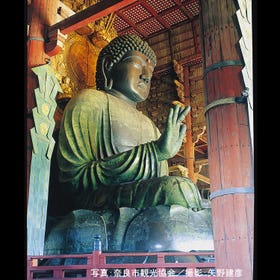
Continue through the park to Todaiji, where the enormous Great Buddha of Nara sits inside the temple's Daibutsuden, one of the world's largest wooden buildings. The sheer scale of the temple and bronze Buddha offers an impressive glimpse into the craftsmanship and Buddhist culture of 8th-century Japan.
-
-
Address
406-1 Zoshicho, Nara City, Nara Prefecture, 630-8587
View Map -
Nearest Station
Kintetsunara Station (Kintetsu-nara Line)
20 minutes on foot
- Phone Number 0742-22-5511
-
Address
406-1 Zoshicho, Nara City, Nara Prefecture, 630-8587
Japan Train Travel FAQ: Tickets, Luggage, Wi-Fi & More
We clearly answer questions about using Japanese railways that are often searched on chatbots and Google before traveling.
Q1. Do I Need to Buy a Ticket Every Time I Ride a Train?
A. Not necessarily. An IC travel card such as ICOCA, Suica, or PASMO makes getting around much easier. Simply tap it at the ticket gate when entering and exiting, and the correct fare is deducted automatically. ICOCA is particularly convenient for travelers based in Kansai and can also be used across many other major transport networks in Japan. Depending on your itinerary, tourist rail passes such as the Kansai Railway Pass may also be worth comparing with regular pay-as-you-go fares.
Q2. Is there a size limit for luggage that can be brought onto Japanese trains?
A. Yes, although rules vary by operator. On JR-West trains, passengers can generally bring up to two pieces of luggage, with each item measuring no more than 250 cm in total dimensions, no more than 2 meters on its longest side, and weighing no more than 30 kg.
Special rules apply to oversized baggage on the Tokaido, Sanyo, Kyushu, and Nishi Kyushu Shinkansen. If the total of your suitcase's three dimensions is more than 160 cm and no more than 250 cm, you will generally need to reserve a seat with an oversized baggage area or compartment in advance.
Regular suitcases are usually manageable on subways and private railways, but carrying one during rush hour can be uncomfortable. In major cities, avoiding roughly 7:30–9 AM and 5:30–7:30 PM can make your journey much easier.
Q3. What should I do if I feel sick or encounter a problem on the train?
A. If you are at a staffed station, ask a member of station staff at the ticket gates or on the platform for assistance. Many major stations also have multilingual signage and may use translation tools or tablets to help international visitors.
If there is an emergency aboard the train, use the emergency communication or SOS button inside the car to contact train staff. Its location varies by train, but it is generally clearly marked.
Q4. Can I use free Wi-Fi on subways like Osaka Metro?
A. Osaka Free Wi-Fi service at Osaka Metro stations ended in March 2023, so travelers should not rely on free station Wi-Fi when getting around the city.
Mobile phone data is available throughout Osaka Metro stations and tunnels through participating Japanese carriers. For international visitors, arranging an eSIM, roaming plan, SIM card, or pocket Wi-Fi before traveling is the easiest way to ensure reliable access to maps and translation apps.
Q5. What is a "Women-Only Car"?
A. Women-only cars are designated train cars intended primarily to help prevent harassment. Depending on the railway and line, they may operate only during certain commuting hours or throughout the weekday.
On Osaka Metro, for example, the Midosuji Line has a women-only car throughout the day on weekdays, while the Tanimachi Line operates one from the first train until 9 AM on weekdays. Eligible passengers also include elementary-school-age children and younger, as well as passengers with disabilities and their caregivers.
The designated boarding area is clearly marked on the platform and train windows, so check the signs before boarding.
Let the Railway Be Part of Your Kansai Experience
Japan's railway network is more than a convenient way to get around. It is part of everyday life, supported by railway staff and millions of passengers making small efforts to keep journeys running smoothly.
You do not need to memorize a long list of rules before your trip. Simply letting passengers off first, keeping noise down, being mindful of luggage, and paying attention to signs will make navigating Kansai's trains much easier.
Then comes the fun part. Hop aboard and use the network to connect Osaka's castle and food districts with Kyoto's historic temples and Nara's ancient landmarks. In Kansai, the train ride is not just transportation. It is part of the journey.
(Source/Main Image :Osaka Metro)
- Area
- Category
*Prices and options mentioned are subject to change.
*Unless stated otherwise, all prices include tax.

Popular Tours & Activities
Recommended places for you
-
Dotonbori
Other Sightseeing
Namba, Dotonbori, Shinsaibashi
-
Kasuga-taisha Shrine
Shrines
Nara, Ikoma, Tenri
-
Jukuseiniku-to Namamottsuarera Nikubaru Italian Nikutaria Sannomiya
Izakaya
Kobe, Sannomiya, Kitano
-
Abeno Harukas
Landmarks
Shinsekai, Tennouji, Tsuruhashi
-
ISHIDAYA Hanare
Yakiniku
Kobe, Sannomiya, Kitano
-
Goods
Yoshida Gennojo-Roho Kyoto Buddhist Altars
Gift Shops
Nijo Castle, Kyoto Imperial Palace
-
Kansai Hidden Gem: Step Into a Real-Life Shangri-La at MIHO MUSEUM, I.M. Pei's Stunning Mountain Masterpiece
by: Wemmy Chau
-
Travel Hands-Free from Kansai Airport (KIX) with Yamato Transport’s New Counter
by: Guest Contributor
-
10 Recommended Apartment Hotels in Kyoto for Long Stays and Family Trips
by: Yotsuka Hizuki
-
July Events in Kansai: Fun Festivals, Food, and Things to Do in Kyoto & Osaka
-
Top-Booked in Japan: Must-Try Sushi in Osaka for First-Time Visitors
by: Guest Contributor
-
Missed the Sumo Tournament? 5 Best Shows in Osaka & Kyoto
Inspiration for Accommodations
-
Ad
Traveling from Osaka to Beppu? Enjoy a Comfortable, Relaxing Ferry Journey
-
Ad
See Kyoto with Ease on a Rentacycle! How to Enjoy Sightseeing by Bike & Rules/Manners You Should Know
-
15 Exciting Tours to Experience the Best of Osaka
by: Himanshi Shah
-

Why Osaka Tennoji Zoo is So Popular with Foreign Tourists (Guide & Highlights)
-
Japan Travel Guide: The Top 10 Cities You Have to Visit! Where Should You Go in Japan?
-
Sightseeing Highlights: Experience the Appeal of Kyoto Geisha Culture
- #best gourmet Osaka
- #things to do Osaka
- #what to do in kyoto
- #what to bring to japan
- #best gourmet Kyoto
- #new years in Osaka
- #what to buy in nanba
- #Visiting Osaka
- #onsen tattoo friendly arima
- #daiso
- #Visiting Kyoto
- #best japanese soft drinks
- #japanese fashion culture
- #japanese convenience store snacks
- #japanese nail trends