



Summer Driving in Hokkaido: Essential Tips for Travelers Renting a Car
- Written by: Minna no Kotoba Sha
Summer reveals a completely different side of Hokkaido compared to winter. From Furano’s sweeping lavender fields to the patchwork hills of Biei, many of the island’s most beautiful landscapes are spread far apart.
Whether you are looking to rent a car in Sapporo or pick up a New Chitose Airport car rental right when you land, driving yourself is often the best way to explore these wide-open areas. Booking a Hokkaido car hire gives you the freedom to move between scenic spots at your own pace and reach places that public transportation simply cannot access.
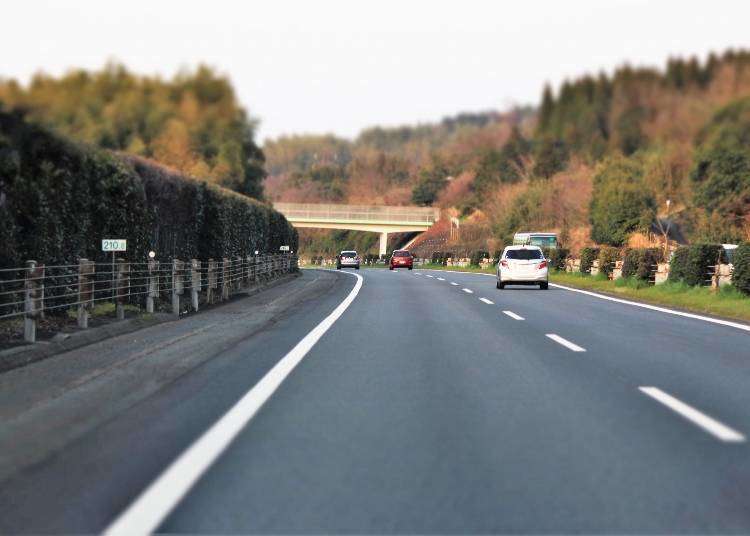
However, summer driving in Hokkaido comes with its own unique environment. The region’s roads are long, straight, and often lightly trafficked, which can lead to unintentional speeding or fatigue. To help make your road trip both enjoyable and safe, this guide explains the key rules and tips every traveler should know.
(Main image: PIXTA)
(This article contains sponsored content)
- Table of Contents
-
- 1. Check Vehicle Availability: Find the best car for your Hokkaido road trip
- 2. Core Traffic Rules: Driving Basics in Japan
- 3. Hokkaido-Specific Signs and Road Markers
- 4. Advanced Safety Tips: Speed Limits and Wildlife
- 5. Navigation, Tolls, and Rest Stops
- 6. Emergency Guide for Hokkaido Rental Car Drivers
- 7. Frequently Asked Questions (FAQ)
1. Check Vehicle Availability: Find the best car for your Hokkaido road trip
Hokkaido is vast, and where you choose to begin your journey depends heavily on your flight itinerary or train route. To help you secure the right vehicle, here is a breakdown of the island's primary transport hubs, who they serve best, and some of the trusted rental providers available at each location.
New Chitose Airport (CTS)
Best for: International arrivals and travelers planning a comprehensive loop of the island starting immediately upon landing. This is Hokkaido’s main aviation hub, offering the largest vehicle fleets and widest selection.
Available Providers: Nippon Rent-A-Car, Toyota Rent-A-Car, Orix Rent-A-Car, Nissan Rent-A-Car.
Sapporo Station Area
Best for: Travelers spending their first few days exploring Sapporo city by subway or foot before breaking away to the countryside. Starting here saves you from paying daily city parking fees.
Available Providers: Nippon Rent-A-Car, Toyota Rent-A-Car, Orix Rent-A-Car, JR Rent-A-Car, Nissan Rent-A-Car, Hertz Car Rental.
Asahikawa Airport (AKJ)
Best for: Those prioritizing central Hokkaido. Choosing this airport places you right on the doorstep of Furano’s flower fields, Biei’s rolling hills, and the dramatic mountain passes of Daisetsuzan National Park.
Available Providers: Nippon Rent-A-Car, Toyota Rent-A-Car, Orix Rent-A-Car, Nissan Rent-A-Car, Times Car Rental.
Memanbetsu Airport (MMB)
Best for: Adventurers headed to the wild east. It offers immediate access to the pristine wilderness of the Shiretoko Peninsula (a UNESCO World Heritage site), Akan Mashu National Park, and Abashiri.
Available Providers: Nippon Rent-A-Car, Toyota Rent-A-Car, JR Rent-A-Car, Times Car Rental.
Hakodate Airport (HKD)
Best for: Travelers flying directly into southern Hokkaido to explore the historic port city of Hakodate, its famous morning markets, and nearby Onuma Quasi-National Park.
Available Providers: Nippon Rent-A-Car, Toyota Rent-A-Car, Orix Rent-A-Car, Nissan Rent-A-Car, Times Car Rental, Budget Rent-A-Car.
Shin-Hakodate-Hokuto Station
Best for: Travelers arriving from Tokyo or Tohoku via the Hokkaido Shinkansen (bullet train). Stepping off the platform and straight into a rental car allows for a seamless transition from rail to road.
Available Providers: Nippon Rent-A-Car, Toyota Rent-A-Car, Orix Rent-A-Car, Times Car Rental.
Exclusive Traveler Deal
To help maximize your travel budget, LIVE JAPAN has partnered with Nippon Rent-A-Car to offer an exclusive discount code for our readers. You can apply this deal across their extensive network of convenient pick-up spots throughout Hokkaido.
2. Core Traffic Rules: Driving Basics in Japan
The Basics: Drive on the Left in Japan
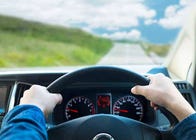
Especially if you are visiting from North America or Europe, one of the most noticeable differences when driving in Japan is that traffic keeps to the left. The driver’s seat is on the right side of the car (same side as the solid white divider between oncoming traffic), while the gear selector is on the left.
For travelers used to right-side driving, mistakes often happen at intersections. A helpful rule to remember is “tight left turns, wide right turns.” Also, keep in mind that the turn signal and windshield wiper controls are usually reversed!
Never Drive on the Shoulder: Where to Stop Safely
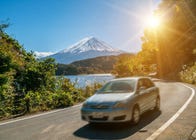
Although many roads in Hokkaido are wide, the roadside shoulder is reserved for emergency vehicles and winter snow clearance. Regular vehicles are not allowed to drive or park there. If you spot a beautiful view, do not pull onto the shoulder, as this creates a rear-end collision risk. Instead, look for designated roadside pull-offs.
Japan’s Pedestrian-First Rule: Watch Intersections Carefully
Intersections are a common accident hotspot. In Japan, pedestrians have priority, followed by oncoming vehicles going straight and vehicles turning left. Drivers turning right must yield and wait until the way is clear.
At quieter intersections, traffic signals may flash. A flashing red light means stop completely before proceeding, while a flashing yellow light means continue with caution. These signals are especially common on rural roads in Hokkaido.
In towns and cities, always put pedestrians first. Check for people crossing before turning, even on a green light. At a red triangular 止まれ (Stop) sign, come to a complete stop for at least three seconds before moving on.
3. Hokkaido-Specific Signs and Road Markers
The Mysterious Downward Arrows (“Yahane”)
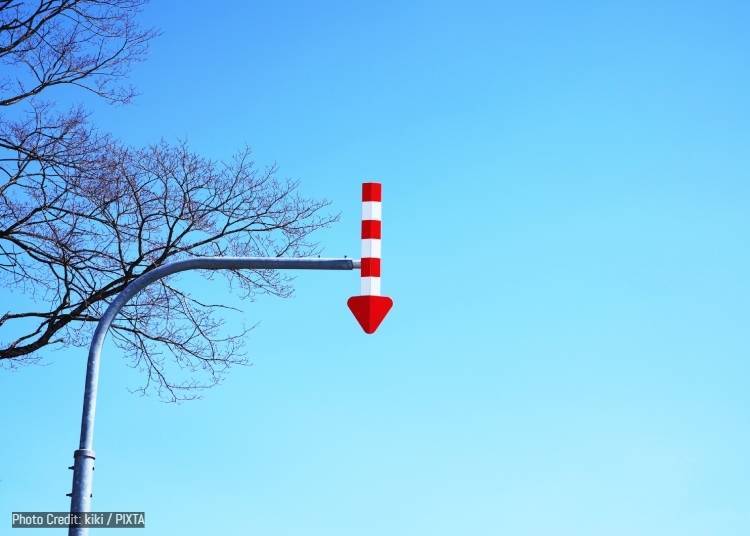
When driving your rental car, you will notice red-and-white markers with downward-pointing arrows hanging above the road. These are “yahane.” Originally installed to help drivers find the road's edge in winter snow, they are crucial in summer too, as many rural Hokkaido roads lack curbs. They help prevent vehicles from drifting into roadside drainage ditches.
Know the Meaning of Traffic Signs: Common Signs You’ll See in Hokkaido
In addition to the standard road signs used across Japan, there are a few warnings that are particularly important to notice in Hokkaido. For example, the red inverted triangle sign indicates “Stop” (止まれ), which means drivers must come to a complete stop.
Because Hokkaido has abundant wildlife, you will also often see yellow diamond-shaped “Animal Crossing” signs. These may feature illustrations of Ezo deer or foxes, indicating that collisions with wildlife occur frequently in the area. When you see these signs, slow down and stay alert.
Although many road signs are similar to those used internationally, some signs in Japan display Japanese text only or have designs unique to the country. It is helpful to familiarize yourself with the key ones before driving.
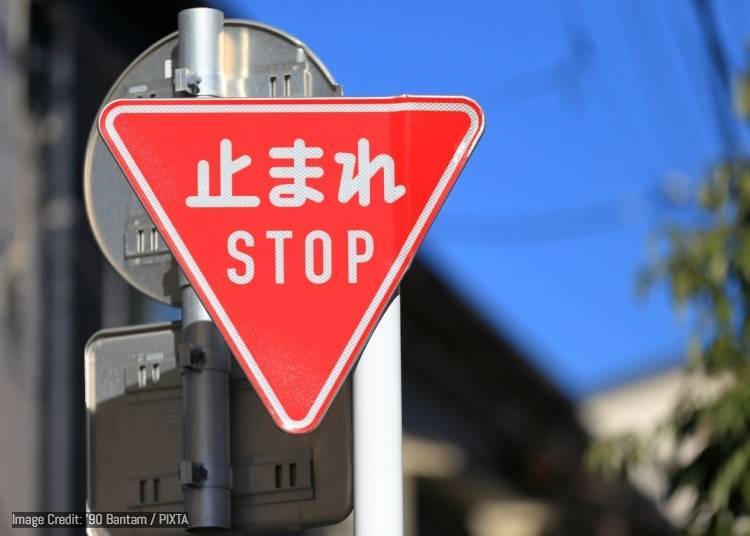
1. Stop
This sign means you must come to a complete stop before the sign or at the stop line. Do not simply slow down. The vehicle must stop fully so the driver can check for traffic before proceeding.
Japan uses an inverted triangle to indicate a stop sign. While some may include the English word “STOP,” many display only Japanese text. It is helpful to recognize the shape so you can identify the sign quickly while driving.
2. One-Way Street
This sign means vehicles may travel only in the direction indicated by the arrow. Entering from the opposite direction is not allowed.
Sometimes you will also see Japanese text under the sign reading “ここから,” which means the one-way restriction begins from that point onward.
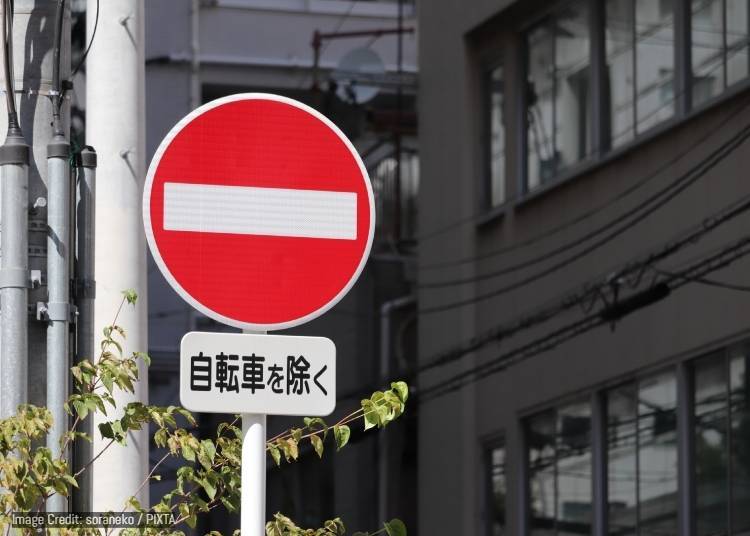
3. No Entry
This sign is commonly placed at the exit of one-way streets. Vehicles are not allowed to enter from that direction. Ignoring the sign would result in driving against traffic, which can easily cause accidents.
A similar sign indicates “No Motor Vehicles,” which is often placed at pedestrian-only streets or areas where cars are not permitted.
4. No Entry Except in the Indicated Direction
This sign means vehicles may only proceed in the direction shown by the arrow and cannot travel in other directions. The arrows may point in different directions depending on the intersection.
Although it looks similar to the one-way sign, there is an important difference. This sign is circular, while one-way signs are rectangular. Paying attention to the shape of the sign can help you avoid confusion.
Parking Tips: Summer Heat and Reversing in Japan
Summer sunlight in Hokkaido can be surprisingly strong, and cars parked outdoors can heat up quickly. Never leave children, pets, or flammable items such as lighters or power banks inside the vehicle.
In Japan, many parking areas require drivers to reverse into the space. When backing up, use your mirrors and backup camera carefully, and watch for pedestrians or children passing behind the car. If parking near sightseeing spots along the road, always check for signs indicating that parking is prohibited.
4. Advanced Safety Tips: Speed Limits and Wildlife
Watch Your Speed: Don’t Blindly Follow Faster Local Traffic
Hokkaido’s roads are wide and straight, creating the illusion that higher speeds are safe. The legal limit on most general roads is 60 km/h (dropping to 40 or 50 km/h in towns). Local drivers might drive faster, but visitors should strictly adhere to the limits. Hokkaido police frequently conduct hidden mobile speed enforcement.
Wildlife on the Road
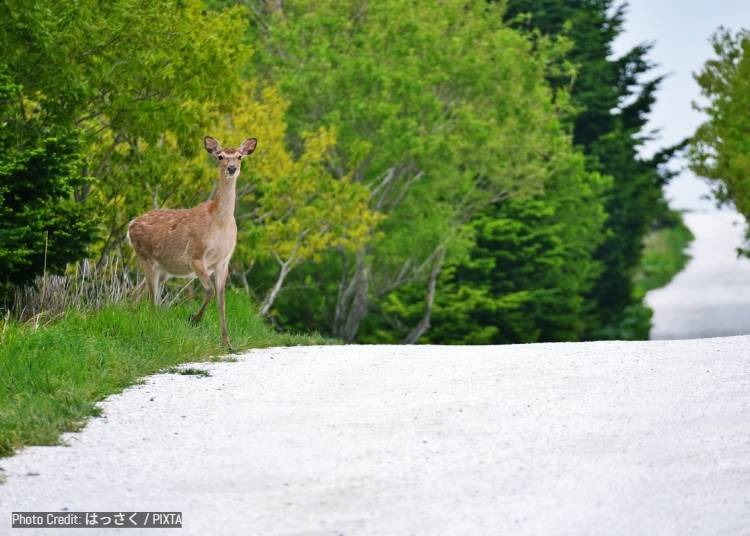
Wildlife is highly active during early morning and evening in summer. You will frequently see yellow diamond-shaped “Animal Crossing” signs.
If you see a deer: Slow down immediately. Deer travel in groups, so more will likely follow.
Do not honk continuously: Loud noises can cause animals to freeze in your path.
Brake in a straight line: If a collision is unavoidable, brake firmly. Swerving sharply can cause you to roll over or enter the opposite lane.
5. Navigation, Tolls, and Rest Stops
The Hokkaido Expressway Pass (HEP)
If you plan to cover a lot of ground, toll roads can add up quickly. The Hokkaido Expressway Pass (HEP) allows for unlimited expressway use for a flat fee (e.g., 7,700 yen for 4 days in a standard vehicle). You can easily add this ETC (Electronic Toll Collection) card to your reservation when picking up your car hire. See details on the official website here.
Note: This is only available for non-Japanese passport holders with an International Driving Permit.
Refuel Regularly
Hokkaido is vast, and when driving toward eastern Hokkaido or mountainous areas, gas stations can sometimes be separated by dozens of kilometers. Because of this, experienced drivers follow a simple rule: refuel frequently.
A practical guideline is to stop for fuel whenever your tank drops to around half and you pass a gas station, often marked “SS” in Japan. Avoid assuming that the next station will be closer or more convenient. In remote areas, the next opportunity to refuel may be much farther away than expected.
How Self-Service Gas Stations Work in Japan
Many gas stations in Japan are self-service. When using one, start by selecting your payment method on the screen, then choose the fuel type.
For most passenger cars, select the red-labeled “Regular” (レギュラー) gasoline option. Before pumping fuel, touch the static electricity discharge pad provided at the station. After filling up, return the nozzle and collect your receipt and any change.
If you are renting a camper van or a larger vehicle, confirm with the rental company whether the car uses gasoline or diesel before leaving the rental office.
Mapcodes and “Michi-no-Eki”
Hokkaido has the largest number of “Michi-no-Eki” roadside stations in Japan. These facilities offer clean restrooms, free rest areas, and often feature local specialties and regional foods, making them excellent stops during long drives.
Because some sightseeing spots in Hokkaido have vague or difficult-to-search addresses, using Mapcode navigation can also be very helpful. By entering a short numeric code into your car’s navigation system, you can reach specific destinations accurately, including scenic viewpoints in Biei or lesser-known rural attractions.
6. Emergency Guide for Hokkaido Rental Car Drivers
What to Do If an Accident Happens
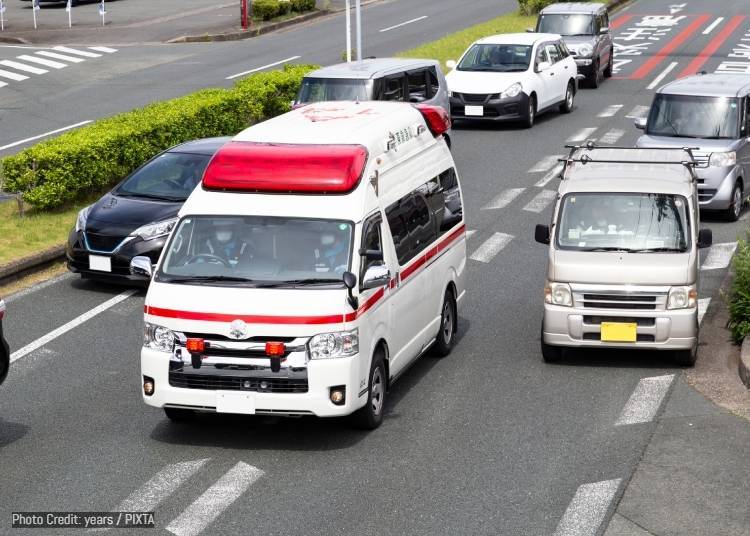
If you are involved in a collision or accident while driving, the first priority is safety. Turn on your hazard lights and place a warning triangle behind your vehicle to alert other drivers.
Next, call the police by dialing 110. If anyone is injured, call 119 for emergency medical assistance. Even if the accident is minor, you must still report it to the police. Without an official accident report issued by the police, insurance companies will not process compensation claims.
After contacting the authorities, notify your rental car company and follow the instructions provided by their staff for the next steps.
Rental Car Insurance Explained: What Are CDW and NOC?
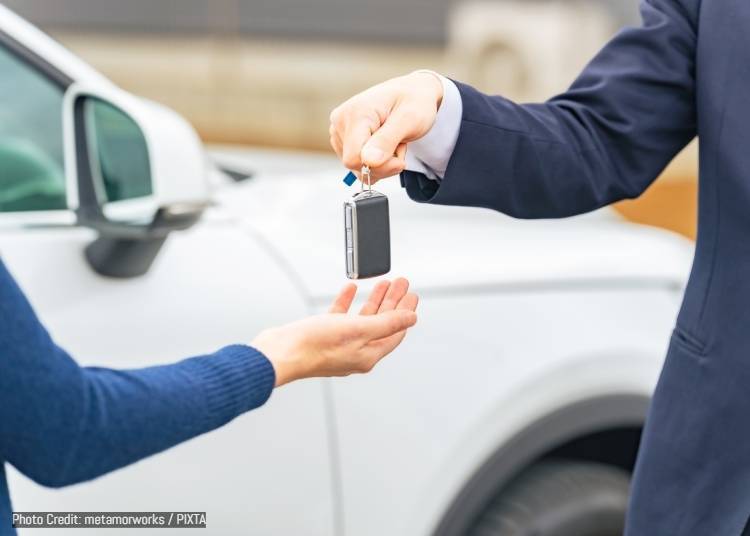
When reserving a rental car in Japan, it is strongly recommended to purchase full insurance coverage. CDW (Collision Damage Waiver) reduces or eliminates the driver’s financial responsibility for vehicle damage or property damage caused in an accident.
Another important coverage is NOC (Non-Operation Charge). This fee compensates the rental company for lost business while the damaged vehicle is being repaired. Because driving conditions in Hokkaido can include wildlife crossings and long rural roads, choosing comprehensive coverage (often called a “full protection” or “peace of mind” package) can prevent unexpected expenses if an accident occurs.
7. Frequently Asked Questions (FAQ)
Do I need an International Driving Permit (IDP) to rent a car in Hokkaido?
Yes. To legally hire and drive a car in Japan, foreign tourists must present their home country's driver's license alongside a valid International Driving Permit (issued under the 1949 Geneva Convention) and their passport at the rental counter.
Is it hard to drive in Hokkaido for foreigners?
Hokkaido is actually considered one of the easiest and most scenic places to drive in Japan! The roads are much wider and less congested than in Tokyo or Kyoto. The main adjustments are driving on the left side of the road and getting used to the lower speed limits.
How much does it cost to rent a car in Hokkaido in summer?
Summer is peak season. A standard compact car typically costs between 7,000 to 12,000 yen per day, depending on how early you book and your insurance choices. Reserving well in advance is crucial to secure the best rates and availability.
Hokkaido’s summer scenery is absolutely worth exploring by car. At the same time, enjoying the journey safely requires self-discipline and respect for local driving rules. From keeping to the left side of the road to staying alert for wildlife that may suddenly appear, a little preparation and careful attention will help ensure your road trip becomes one of the most memorable experiences of your travels.
If you plan to rent a larger RV or camper van, remember to check parking height restrictions and wastewater disposal rules in advance. With proper planning, your Hokkaido road trip can be both exciting and smooth from start to finish.
▼ Explore More Articles About Driving in Japan ▼

Minna no Kotoba Sha is a production company founded by an editor with extensive experience in editing local magazines in Sapporo. For over 20 years, our team has conducted research and written articles across Hokkaido, with Sapporo as our primary hub. Our diverse portfolio includes the production of various books such as travel guides, informational magazines, and collections showcasing the picturesque landscapes of Hokkaido. Comprised entirely of women, the team at Minna no Kotoba Sha boasts diverse interests, including a passion for travel, culinary delights, and alcoholic beverages. The scope of our communication efforts spans a wide range, covering everything from introducing notable restaurants to providing coverage of local events and sharing stories of leisure experiences.
- Area
- Category
*Prices and options mentioned are subject to change.
*Unless stated otherwise, all prices include tax.
Popular Tours & Activities
Recommended places for you
-
Niseko Village Ski Resort
Skiing & Snowboarding
Niseko / Rusutsu
-
Appealing
Sapporo Ramen Yokocho
Ramen
Sapporo / Chitose
-
Former Hokkaido Government Office Building (Red Brick Office)
Other Historic Sites
Sapporo / Chitose
-
Appealing
Rukku and Uohei
Izakaya
Sapporo / Chitose
-
Appealing
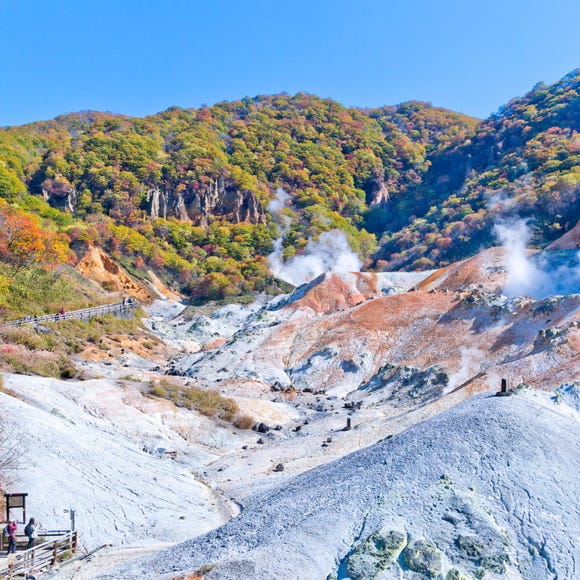
Noboribetsu Onsen
Hot Springs (Onsen) & Bath Houses (Sento)
Noboribetsu / Lake Toya
-
Appealing
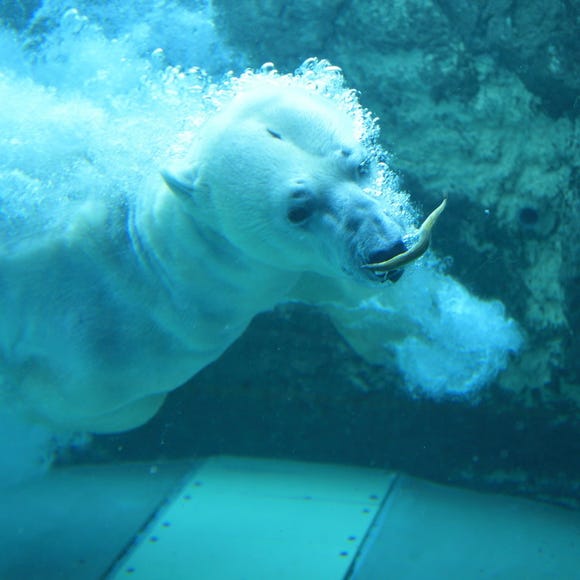
Asahiyama Zoo
Zoos, Aquariums & Botanical Gardens
Asahikawa
-
Experience 'Ghost of Yotei' IRL! See Why Niseko is The Ultimate Summer Escape
-
10 Recommended Apartment Hotels in Hakodate for Families & Groups
by: Sae Haneda
-

Why Kitami Mint Once Dominated the Global Market: A Visit to Hokkaido's Mint Museum
-
Hokkaido for Travelers from India: A Complete First-Trip Guide
by: Himanshi Shah
-

Furano & Biei Bus Tour Review: Farm Tomita, Blue Pond & Shikisai no Oka in One Day
-
Brewing Tradition Since 1944: Visiting Kikko Nihon - One of Asahikawa's Longest-Running Soy Sauce Companies
-

The Otaru Canal Cruise: Enjoy the Sea and Gorgeous Brick Buildings!
-
Japan's Bath Culture: Tips You Should Know!
-
5 Cool Tomamu Activities: This Area in Japan Takes Snow Fun to a New Level
-
10 Important Japanese Phrases to Know Before You Enter a Japanese Convenience Store
by: Teni Wada
-
JR Edition: Visit all of Tokyo in one Day with the Tokyo Metropolitan District Pass!
-
Hokkaido Travel Guide: Everything You Need to Know Before You Go (Transportation, Food, Souvenirs & Hidden Gems)
- #best sushi hokkaido
- #things to do hokkaido
- #best ramen sapporo
- #what to bring to japan
- #new years in tokyo
- #what to buy in ameyoko
- #japanese nail trends
- #what to do in odaiba
- #onsen tattoo friendly tokyo
- #daiso
- #best sweets otaru
- #japanese fashion culture
- #best nature furano
- #japanese convenience store snacks
- #best japanese soft drinks