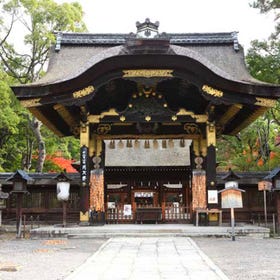
Where the guardian buck and doe are enshrined
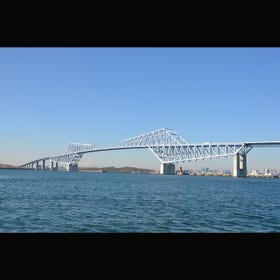
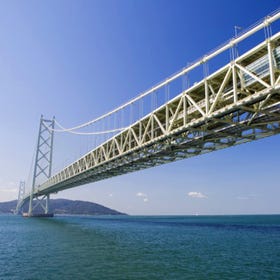
The Tokyo Gate Bridge is a large bridge that spans the Tokyo Port Sea Lane 3, with a total length of 2,618 meters.
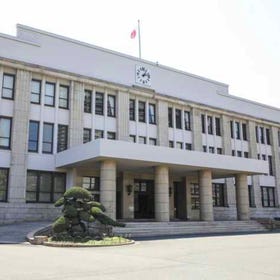
The modern architecture leaves a bold impression
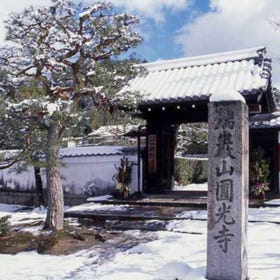
Known by locals as “Kurodani-san”
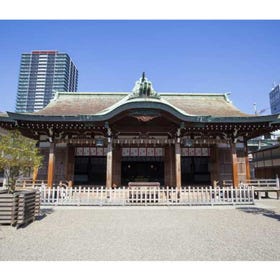
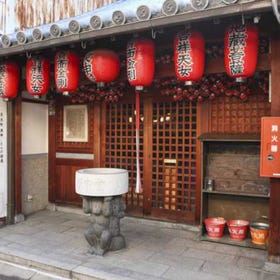
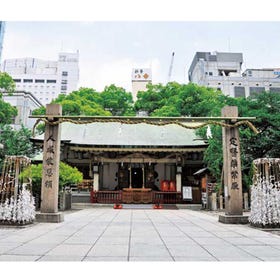
An old shrine known as “Ebessan” to Osaka’s merchants
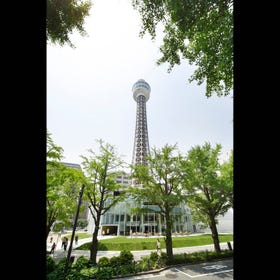
The Yokohama Marine Tower is one of the symbols in Yokohama built in 1961. Visitors can enjoy the 360° panorama view from its observation deck.
A temple with strings of ”monkey charms”
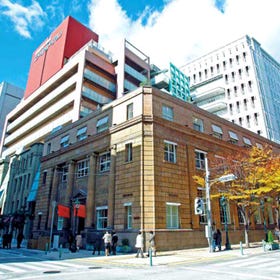
Marvel at the sight of money being produced before you
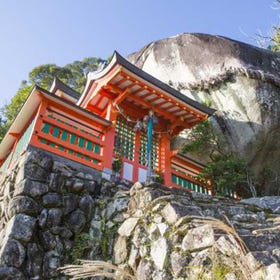
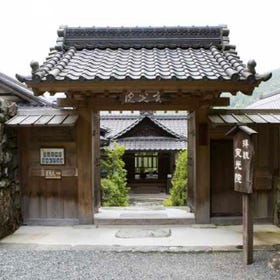
Formerly Kumano Hayatama Taisha Shrine, this shrine is located on the grounds where Kumano’s three deities descended
Autumn colors light up the moss garden in this temple's garden of enlightenment
A shrine for a popular matchmaking deity and associated with the puppet play “Sonezaki Shinju”
View the ocean from 47 meters above sea level
For those who want to succeed like Hideyoshi did
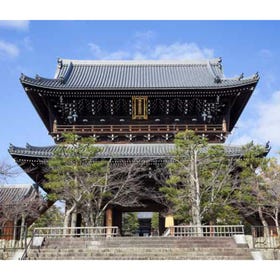
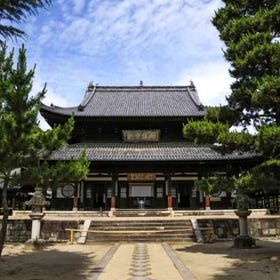
A massive triple gate welcomes you to the head temple for the Obaku sect of Zen Buddhism
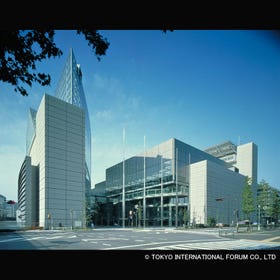
It is a convention and art center built to disseminate comprehensive cultural information.
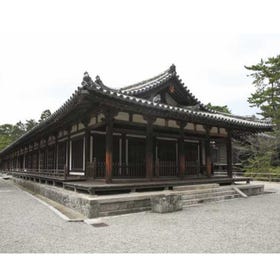
This Buddhist school was established by the Chinese monk Jianzhen
Stroll along the heart-shaped pond in the garden
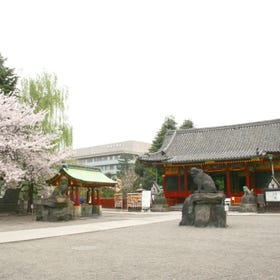
A shrine that has a beautiful vermilion-lacquered shrine pavilion from the Edo period. It is also called Sanja Gongen (in honor of three men who founded the temple), and the Sanja Matsuri held in May is one of the Three Great Festivals of Edo (now Tokyo).
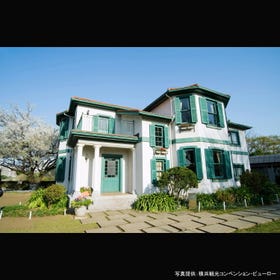
A house built in late Taisho era, after the Great Kanto Earthquake, as a residence for foreigners.
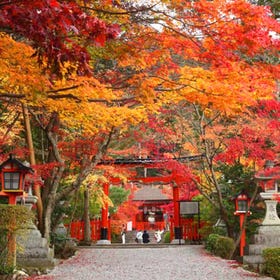
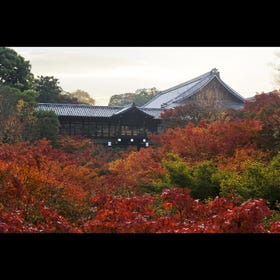
The head temple of the Rinzai sect's Tofuku-ji School, which has Japan's largest monastery and oldest San-mon gate. It is known as one of Kyoto's best places to view autumn leaves.