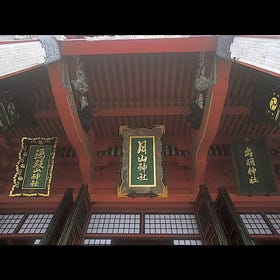
The centerpiece of the sacred Dewa Sanzan
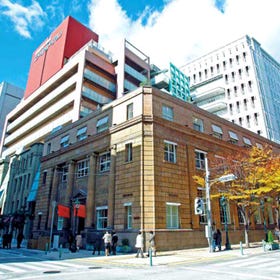
The modern architecture leaves a bold impression
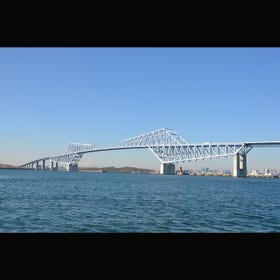
The Tokyo Gate Bridge is a large bridge that spans the Tokyo Port Sea Lane 3, with a total length of 2,618 meters.
View the ocean from 47 meters above sea level
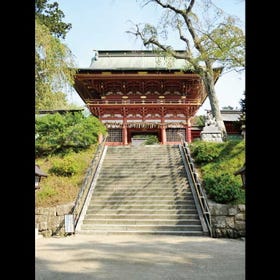
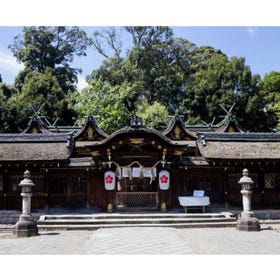
The head shrine of Oshu, boasting 1,200 years of history
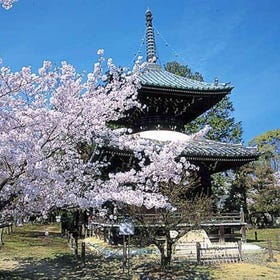
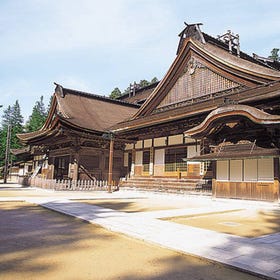
A grand temple complex established on Mount Koya some 900 years ago
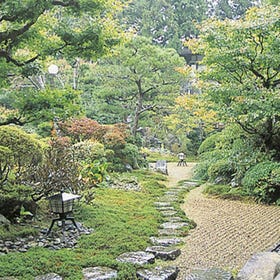
The mountain villa of Minamoto no Toru, the model for Hikaru Genji
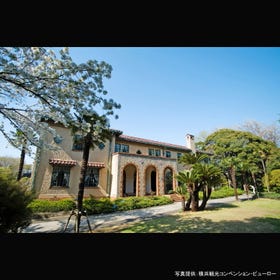
Berrick Hall is a Spanish-style mansion built on top of a hill. You can enjoy both the historical building and a garden that sits on 1,980 square meters of land.
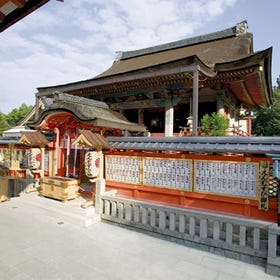
The shrine to the north of the main hall of Kiyomizu-dera Temple, whose spirit is worshipped as a deity of marriage. A pair of guardian stones in the grounds known as ”Koi uranai-no-Ishi” dates back to the Jomon period.
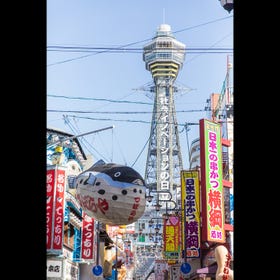
With a history of over 100 years, Tsutenkaku Tower is a symbol of Naniwa, Osaka, and is protected by the third-generation blonde Billiken.
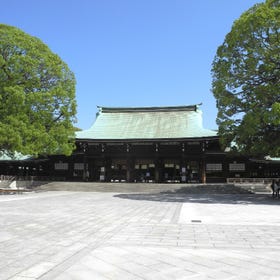
This is a shrine that worships the Emperor Meiji and his wife. It is one of the most popular sightseeing spots in Tokyo, and you can experience the traditional culture of Japan through various rituals.
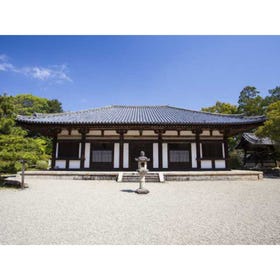
The graceful standing statue of Gigeiten is a must-see attraction
The nation’s head Koyasan Shingon-shu temple
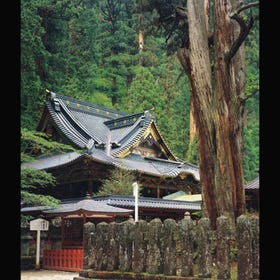
This is a shrine founded on the vast premises surrounded by the mountains of Nikko. It is familiar to people as the god of luck and marital matchmaking.
Kudo-no-kami, the god of the kitchen, is enshrined here
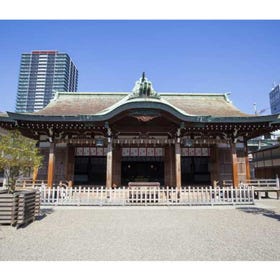
An old shrine known as “Ebessan” to Osaka’s merchants
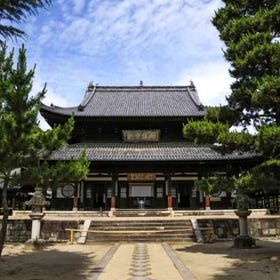
A massive triple gate welcomes you to the head temple for the Obaku sect of Zen Buddhism
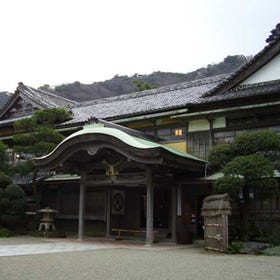
A lodging facility for guests on their way to visit Ise Jingu Shrine
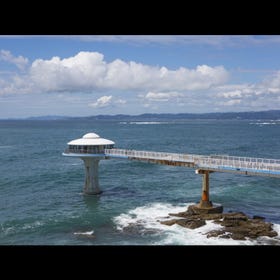
View the world six meters below the water surface
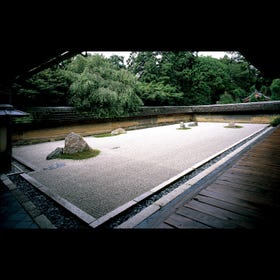
A Zen temple of the Rinzai Sect of Buddhism, world famous for its traditional rock garden.