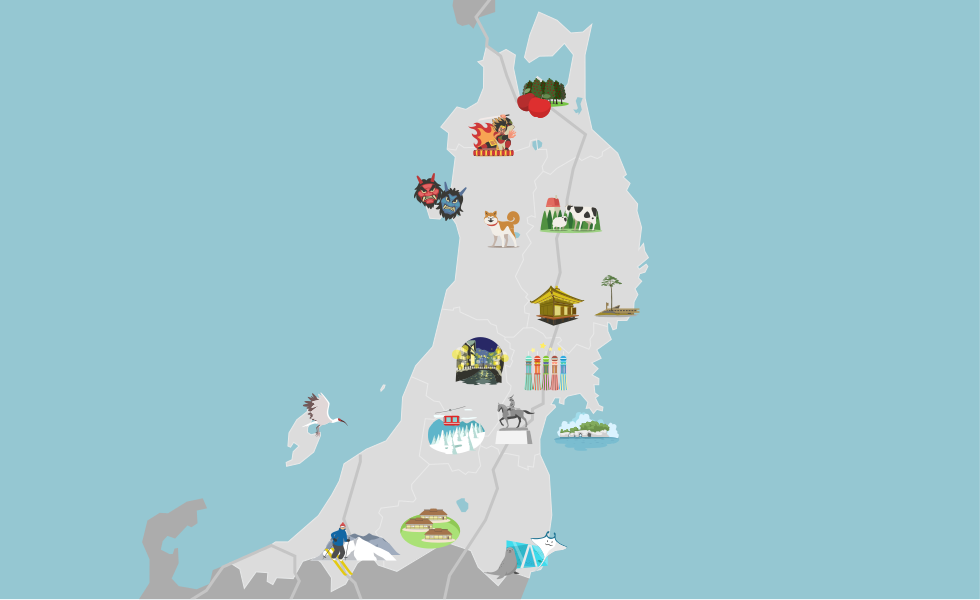
This is a shrine founded on the vast premises surrounded by the mountains of Nikko. It is familiar to people as the god of luck and marital matchmaking.
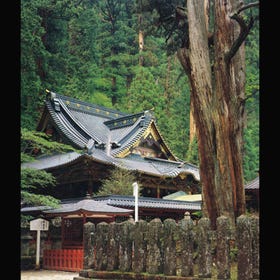
Famous for its majestic, moss-covered garden
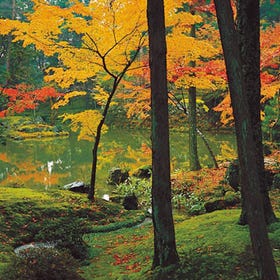
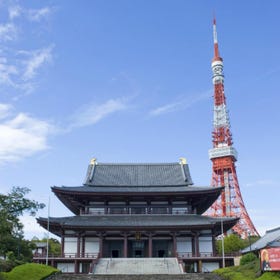
Zojo-ji is one of the seven Daihonzan (head temples) of Jodo-shu Buddhism and contains many designated Cultural Properties. It is also where the souls of the Tokugawa clan are mourned.
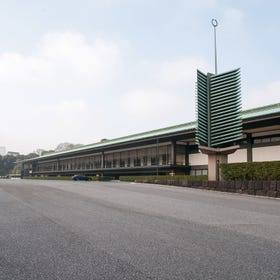
It is the palace where the generations of Emperors and Empresses of Japan have lived starting in the Meiji era (1868-1912) to this day. You can visit the palace site as long as you obtain prior permission.
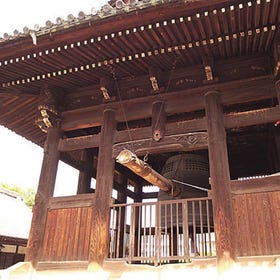
Famous for the bell that angered Ieyasu
The resting place of the Tsugaru family
A school that embodies the dreams of Buddhist teacher Kobo Daishi
This ancient temple contains the history of the Southern Dynasty
The oldest shrine in Kyoto
Blessed with knowledge by Monju
An historic shrine favored as a place of rest and relaxation by locals
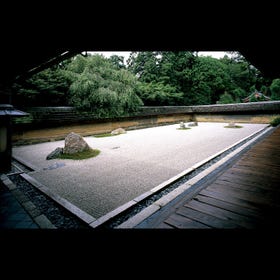
A Zen temple of the Rinzai Sect of Buddhism, world famous for its traditional rock garden.
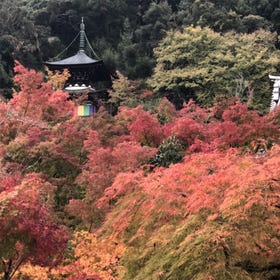
An ancient temple known as an exemplary viewing spot for autumn leaves since the Heian period.
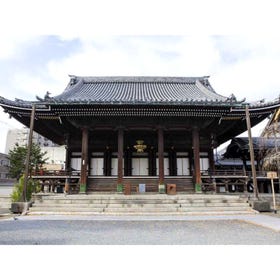
The object of worship here is Amida Nyorai and the statue of Prince Shotoku in the main hall is an important cultural property
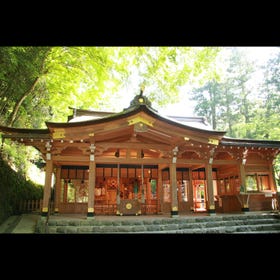
A guardian deity of water with miraculous virtue worshipped since ancient times. The shrine has been worshipped for better luck marriage by countless people through the ages, including nobles.
Famous for its deity of scholarship
A temple famous for its Bone Buddhas
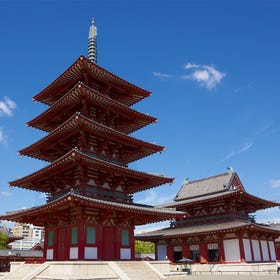
Shitenno-ji Temple is the oldest state-built Buddhist temple in Japan, established in 593 by Prince Shotoku. The architectural structures seen today are faithful reproductions of the temple's original appearance.
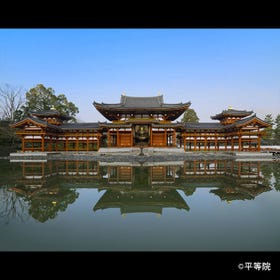
A beautiful temple like the Pure Land itself that illustrates the prosperity of the Fujiwara regency during the late Heian Period.
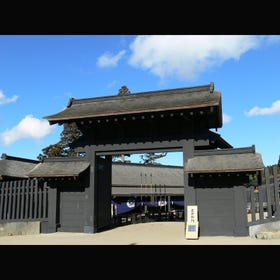
Hakone Sekisho is an impressive reproduction of an Edo Period sekisho on the banks of Lake Ashi. It is as if you've slipped back in time to the Edo Period.