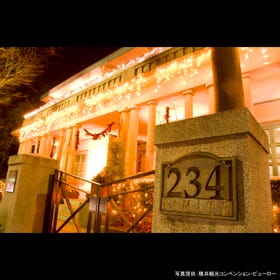
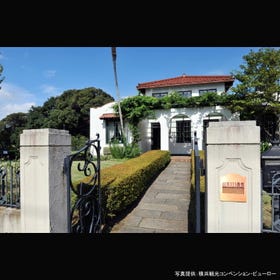
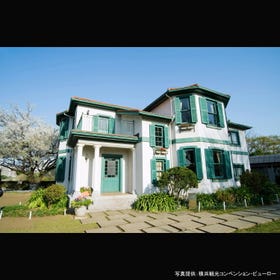
Yamate 234 Ban-Kan, or the Yamate #234 Residence, is a Western-style mansion that served as an apartment building for foreign residents. The panel exhibits displayed on the first floor tell the history of the building.
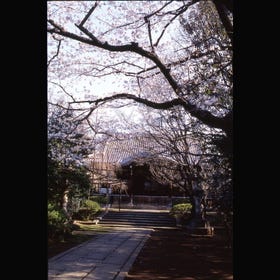
A Nichiren Buddhist temple housing Kishimojin (Hariti), the deity of easy childbirth. Steeped in nature, Kishimojin-do has been a popular site for viewing cherry blossoms since the Edo period (1603-1868).
Atago Shrine is a scenically situated shrine perched 26 meters above sea level atop Mount Atago.
A shrine where the god for safe sea travel is enshrined has been respected by people. Many important cultural properties of the ward are preserved in the shrine ground.
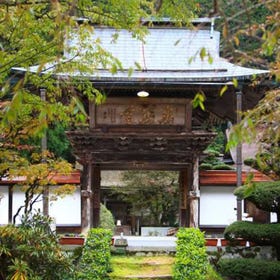
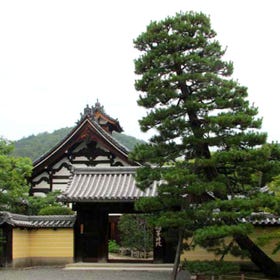
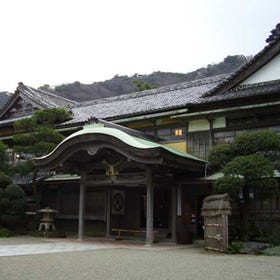
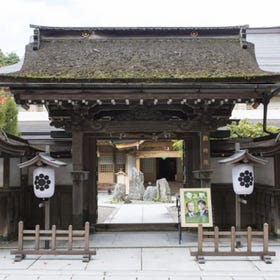
This temple guesthouse is home to national treasures
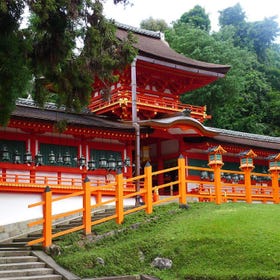
The head shrine of all the Kasuga-jinja shrines all over Japan, it is located on Mt. Mikasa, which has been treated as a sacred area since ancient times. In 2018, the shrine commemorated its 1,250th anniversary.
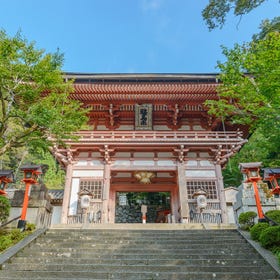
A temple located in the holy mountain of Kurama in Kyoto. Minamoto no Yoshitsune is said to have trained here, and visitors can feel the vibrant energy of nature and the universe.
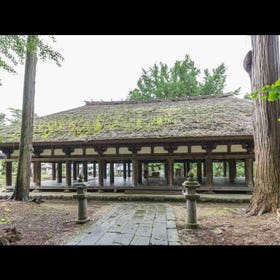
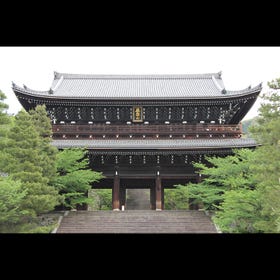
A spectacular hall of worship with 44 massive pillars
Featuring a wooden statue of a historical Shogun from the Ashikaga period
Yamate 111 Ban-Kan, or the Yamate #111 Residence, is a Spanish-style mansion with red roofing tiles and white exterior walls built inside the Harbor View Park.
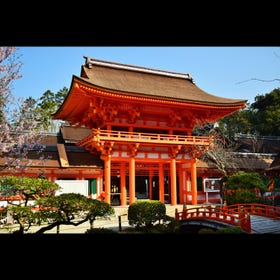
Kamigamo-jinja Shrine is one of the oldest shrines in Kyoto, founded during the mythical age. It is famous for its Aoi Festival (Kamo Festival) and is registered as a World Heritage Site.
A lodging facility for guests on their way to visit Ise Jingu Shrine
Spend your time comfortably in the visitor's lodging at a first-class ryokan
A house built in late Taisho era, after the Great Kanto Earthquake, as a residence for foreigners.
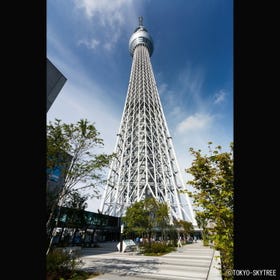
It is 634 meters tall, the tallest free-standing broadcasting tower in the world. From its two observatories, you can overlook a view up to 70 km away on a sunny day.
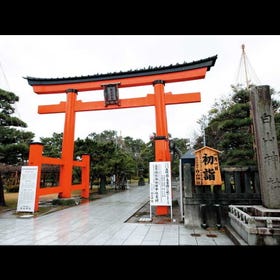
An historic shrine favored as a place of rest and relaxation by locals
The head temple of the Jodo sect, founded at the place where Honen Shonin passed away. The magnificent monastery was built under the wing of the Tokugawa family.
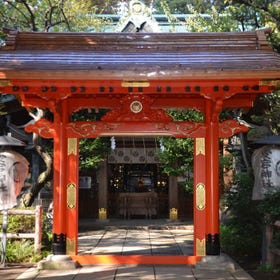
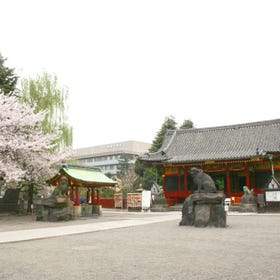
A shrine that has a beautiful vermilion-lacquered shrine pavilion from the Edo period. It is also called Sanja Gongen (in honor of three men who founded the temple), and the Sanja Matsuri held in May is one of the Three Great Festivals of Edo (now Tokyo).
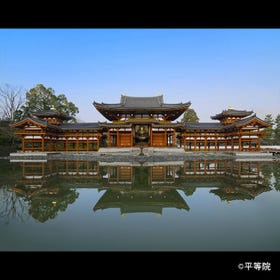
A beautiful temple like the Pure Land itself that illustrates the prosperity of the Fujiwara regency during the late Heian Period.
For those who want to succeed like Hideyoshi did