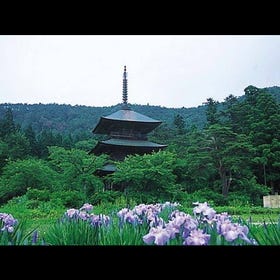
The three-story pagoda is the symbol of Takahata
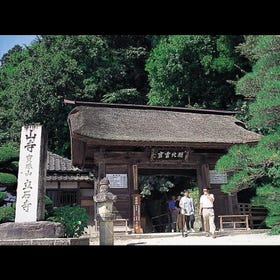
Magnificent views await at the end of the 1,015-step climb
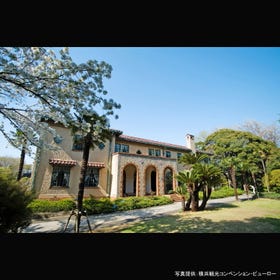
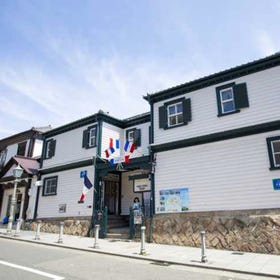
Berrick Hall is a Spanish-style mansion built on top of a hill. You can enjoy both the historical building and a garden that sits on 1,980 square meters of land.
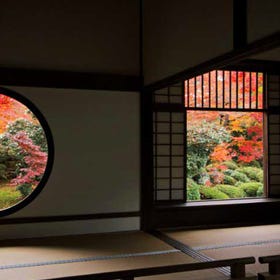
Two different windows overlooking a garden
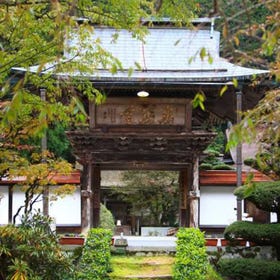
This temple guesthouse is home to national treasures
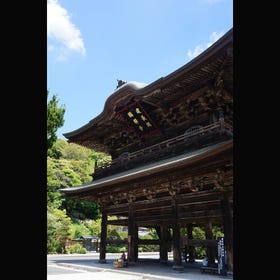
This temple is the daihonzan (head temple) of the Kencho-ji Temple school of the Rinzai sect and ranks first among the Kamakura Gozan (Kamakura's Five Great Zen Temples). It has a number of national treasures, cultural assets, and historical structures. The Sanmon (three gates) are a must-see.
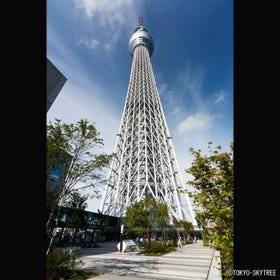
It is 634 meters tall, the tallest free-standing broadcasting tower in the world. From its two observatories, you can overlook a view up to 70 km away on a sunny day.
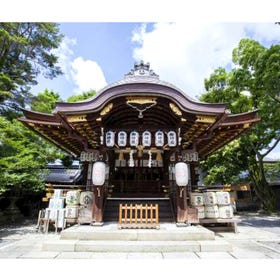
An old shrine that has continued to protect the northeast entry to Kyoto
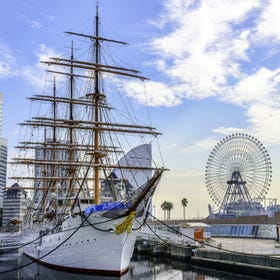
A museum where you can learn about the history of Yokohama Port and Nippon maru, a sail boat sitting in dock No.1 which is available for an interior tour.
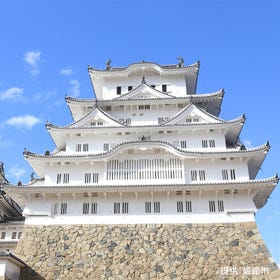
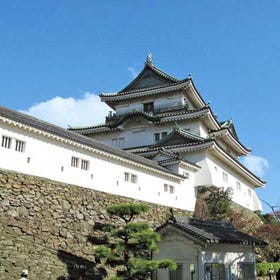
A beautiful castle otherwise known as Shirasagi-jo Castle. It was Japan's first UNESCO World Heritage site.
An ancient temple supported by common people
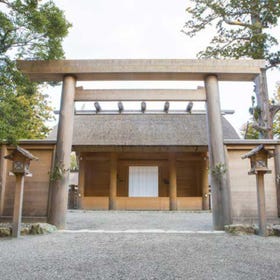
Dedicated to Toyo'uke-no-Omikami
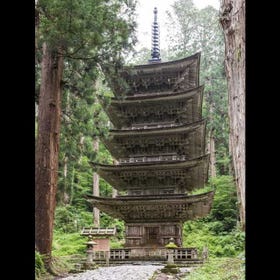
Symbolizing the sacred mountain Haguro
A unique, symmetrical building
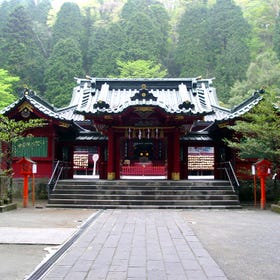
The Hakone Shrine with its vermillion-lacquered torii (Shinto shrine archway) and its Japanese cedars is a shrine with a holy presence that tells you about history
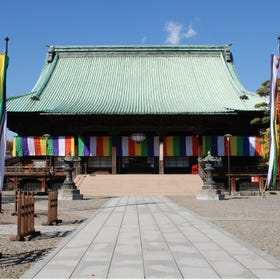
This is a temple erected at the wish of Keishoin, the real mother of Shogun Tsunayoshi Tokugawa. The main hall, remaining in its original state from the Genroku period, has been designated as a National Important Cultural Property.
Castle remains of the Kishu Tokugawa family made up of 555,000 stones
A shrine to visit for breaking bad habits or starting good ones
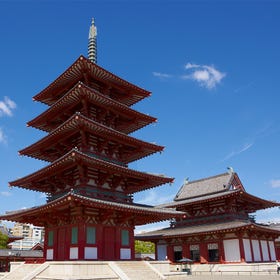
Shitenno-ji Temple is the oldest state-built Buddhist temple in Japan, established in 593 by Prince Shotoku. The architectural structures seen today are faithful reproductions of the temple's original appearance.
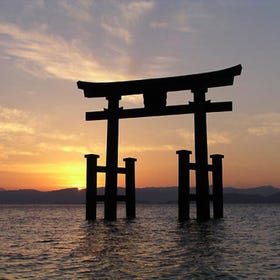
The mystical, large torii (gateway) that appears as if it’s floating on the lake’s surface is a must-see