Hozomon Gate houses Nio statues on each side (one called Agyo and the other called Ungyo). The 4.5-meter long giant waraji sandals ward off evil
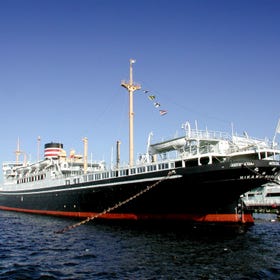
Hikawa Maru, an ocean liner of Nippon Yusen (NYK Line or Japan Mail Shipping Line), is one of the historical cargo-passenger ships and was built in 1930 for the purpose of running a regular route to Seattle. Today, the liner is open to the public and the visitors can enter the guestroom, the dining room, wheelhouse, the engine room, and other areas.
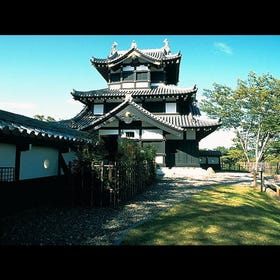
Reconstructed in Takada Park, the Sanju Yagura houses a gallery of artifacts and an observation room
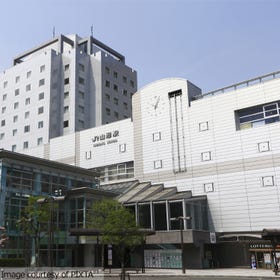
Begin your journey from Yamagata Station and enjoy history, cuisine, and beautiful scenery.
A shrine where the god for safe sea travel is enshrined has been respected by people. Many important cultural properties of the ward are preserved in the shrine ground.
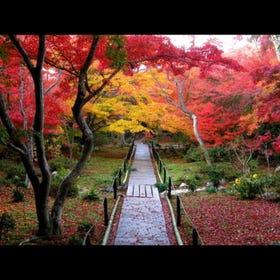
Established by Emperor Shirakawa during the Heian Period, the temple's name derives from the ingo (posthumous Buddhist name) of Yoshiakira Ashikaga, the second shogun of the Muromachi bakufu (Japanese feudal government headed by a shogun). While exploring the precinct, you'll find the graves of Yoshiakira and Masatsura Kusunoki, the busho (military commander) of Nancho (Southern Court) located next to each other. Masatsura was much respected by Yoshiakira even though he was an enemy general. During autumn, the maple leaves turn a striking red (visitors are not allowed to bring in a tripod stand or a unipod).
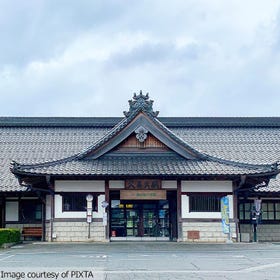
A base for exploring Kyoto by the Sea, including Kumihama Bay, Amanohashidate, and the Ine Funaya boathouses.
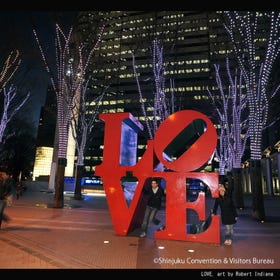
A meeting place in Nishi-Shinjuku. A symbol of Shinjuku i-LAND and its message of love.
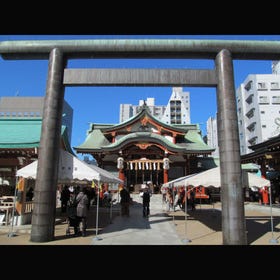
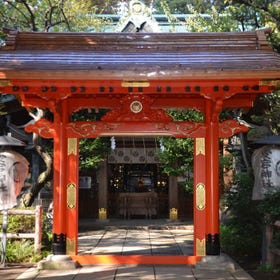
The Suiten-gu Shrine is a historical shrine where a god of easy child delivery is enshrined and has been widely worshiped since the Edo period (1603-1868).
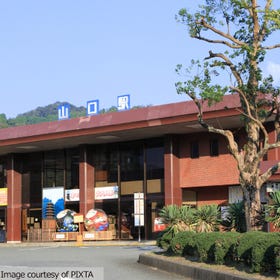
Your base for discovering the history and culture of Yamaguchi, known as the Kyoto of the West.
One of two Daihonzan (head temples) of the Soto school of Zen Buddhism, with modern buildings in the spacious temple grounds. You can practice Zen meditation here.
Atago Shrine is a scenically situated shrine perched 26 meters above sea level atop Mount Atago.
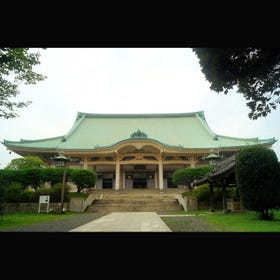
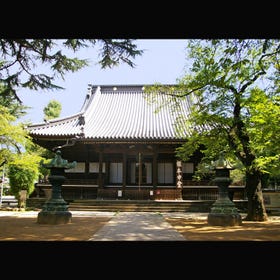
A spacious Buddhist temple with buildings of historical and cultural value. Kan'ei-ji is easily accessible to the general public and heartily welcomes visitors.
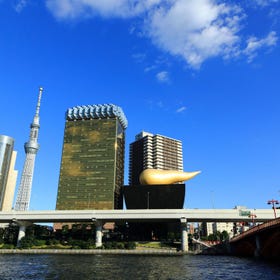
The facade of the Asahi Group's headquarter building was designed in the image of a beer mug.
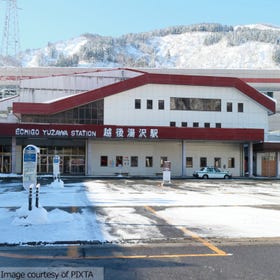
The gateway to top ski resorts and a hub for Snow Country culture, hot springs, and literature.
Travel around islands with black-tailed gulls
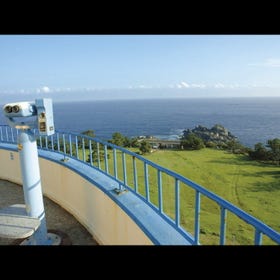
This observation deck lies at the southern tip of Shionomisaki. The seventh and eighth floors, which are 100 meters above sea level, are observation galleries, commanding a magnificent view of the Pacific Ocean. On a fine day, the vista even takes in the distant Mt. Nachi. On entering the deck, you'll receive a certificate for visiting the southernmost point of Japan's main island as proof of your visit to Shionomisaki. The grasslands at the tip of the cape, called “Boro no Shiba,” stretch out over 100,000 square meters. A restaurant there serves a variety of dishes using locally sourced ingredients.
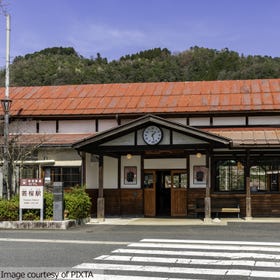
Experience the history of Japan's nostalgic railways and the serene, beautiful ambiance of a mountain castle town.
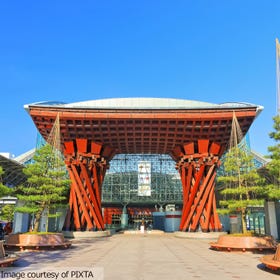
Your base for sightseeing in Kanazawa, a place packed with traditional crafts, delicious cuisine, and history.
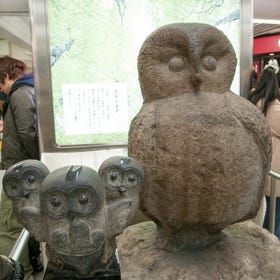
It is a stone statue of an owl that was made into a landmark in the yard of the Ikebukuro Station when the JR (Japan Railways) was launched.