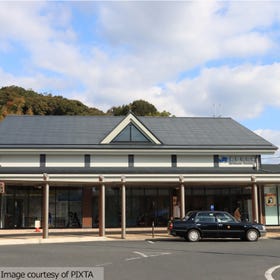
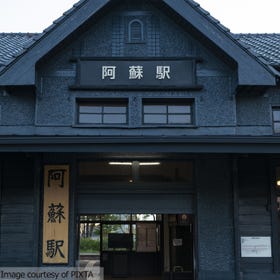
The starting point for the World Heritage Kumano Kodo, offering services that help visitors travel with confidence.
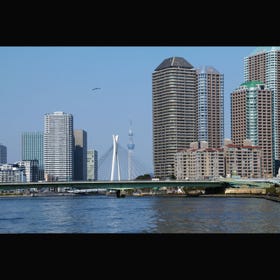
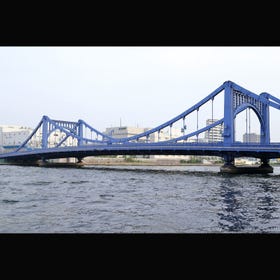
A bridge built over the Sumida River after World War II with a panoramic view of skyscrapers in Tokyo.
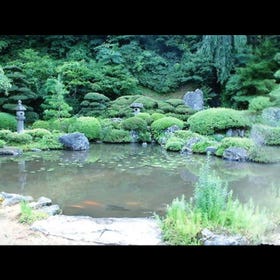
A temple of flowers, with a circuit-style garden
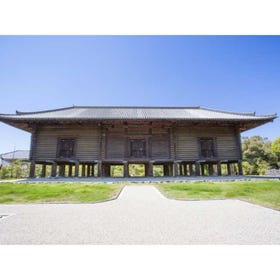
A vault of many national cultural artifacts from the Nara period
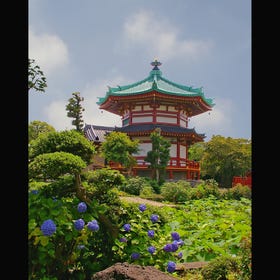
Surrounded by nature and visited by many people, Bentendo Temple rises from the center of Shinobazu Pond in Ueno Park.
Purported to be the most beautiful of all bridges on the Sumida River. Characterized by its elegant silhouette.
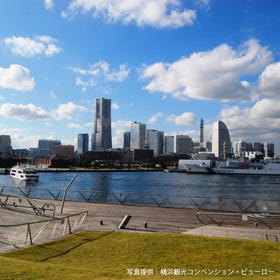
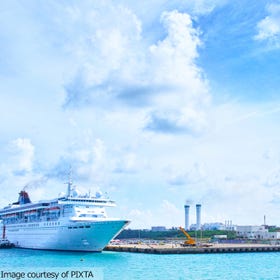
Newly renovated in 2002, it is an international passenger terminal that Japan boasts about to the world.
Your base for exploring one of the world's largest calderas and active volcanoes.
The gateway to Miyakojima’s famous beaches and its iconic Miyako Blue sea.
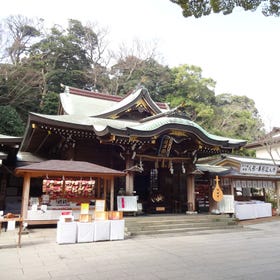
The Enoshima Shrine is situated on Enoshima Island and is dedicated to the worship of three sister goddesses. It is a popular power spot to increase luck with money and matchmaking.
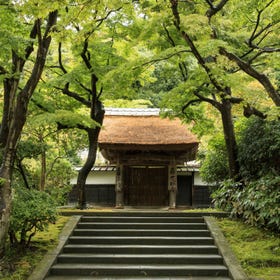
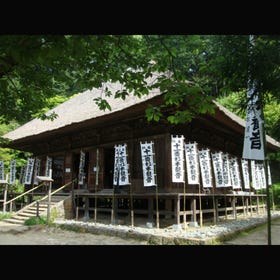
This is a historically valuable temple that has National Treasures within its magnificent scenery that makes good use of nature. Zazen seated meditation meetings are held on weekends.
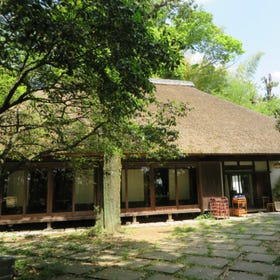
The former residence of the Japanese diplomat, Jiro Shirasu, and his wife and essayist, Masako. He was a liaison officer with the occupying forces after the war, and instrumental in drafting the Constitution of Japan.
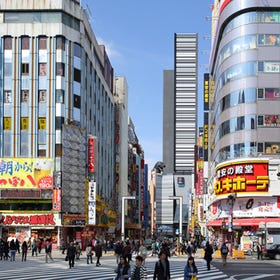
This huge 12-meter tall model of ”Godzilla” was established as the symbol of Kabukicho, Shinjuku.
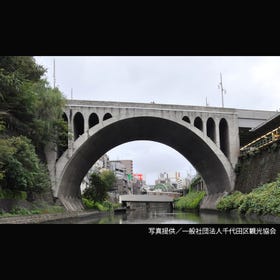
Hijiri-bashi is a bridge over the Kanda River. Its three-dimensional piers are beautiful.
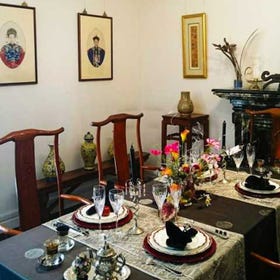
Strong Chinese influence, rare in Kitano
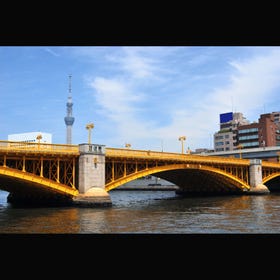
The bridge is called Kuramae (”front of warehouse”) since rice was stored in the area during the Edo period. Painted in bright yellow, the bridge reminds us of rice grains.
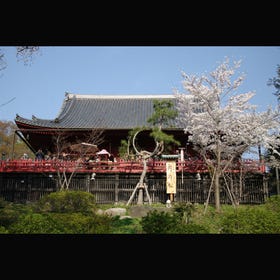
The temple hall is classified as an Important Cultural Property, modeled after Kiyomizu Temple in Kyoto Higashiyama. The gorgeous vermillion facade fascinates visitors.
Main priests' residence of Senso-ji complex where the Three Buddha Statues of Amitabha are enshrined. The temple also houses ancestral tablets of Tokugawa Shoguns.
The temple is the oldest one in Kamakura, founded by a high priest called Gyoki. Its principal image of worship is the three figures of eleven-faced Kan'non, and the temple ground is covered with various flowers throughout the seasons.
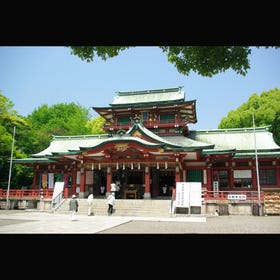
Tomioka Hachimangu Shrine is the largest shrine in Edo. Its grounds contain 17 small shrines for gods such as the founder of sumo wrestling and those of travel.