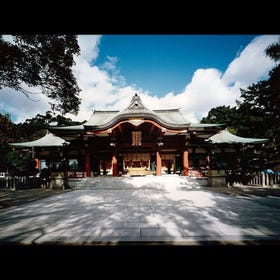
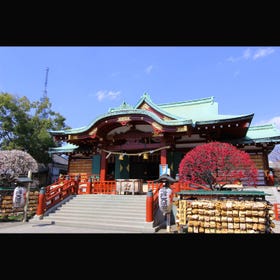
Worshipped as the deity of good fortune, this is the head shrine of all the Ebisu-jinja shrines in Japan that enshrine Ebisu, the god of business success. During the period from January 9 to 11 called Toka Ebisu, the shrine bustles with as many as one million visitors every year. A particularly famous event at this time is the Shinto ritual called Fukuotoko Erabi (choosing a lucky man), which takes place early in the morning of January 10. It is also well known that Hanshin Tigers players come here in spring to pray for victory before the official professional baseball season begins. The 247-meter Oneribei, which was constructed in the Muromachi Period, and the Omote-Daimon gate, which was built in 1604 using funds donated by Hideyori Toyotomi, are both designated as national Important Cultural Properties.
This is where Michizane Sugawara, the god of learning and study, is enshrined. You can enjoy flower festivals, too; there are flowers blooming all year round.
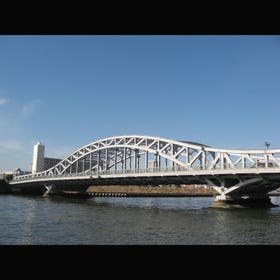
A bridge connecting Arakawa, Sumida and Taito. A nice place to stroll and view Tokyo Skytree®.
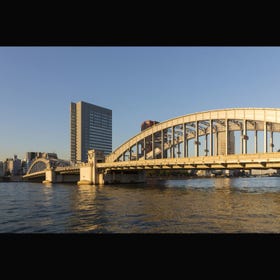
One of the nation's largest movable road bridges built over the mouth of Sumida River.
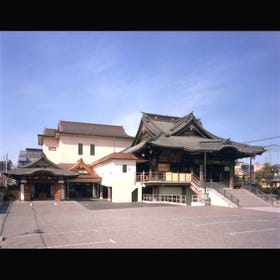
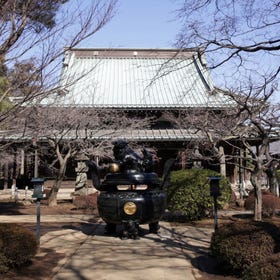
This is a branch temple of the Naritasan Shinshoji Temple on the land of Kawagoe and is famous for its goma-kito (a ritual of consecrated fire) and the flea market on the 28th of every month.
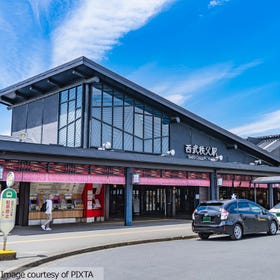
The gateway to Chichibu, where timeless Japanese scenery awaits just 80 minutes from Ikebukuro Station in central Tokyo.
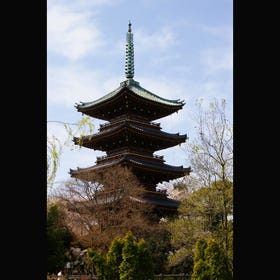
A five-story traditional Japanese building, towering in the lush woods, you are sure to find while walking in Ueno Park. It is a National Important Cultural Property.
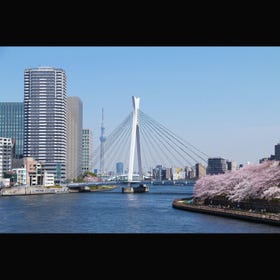
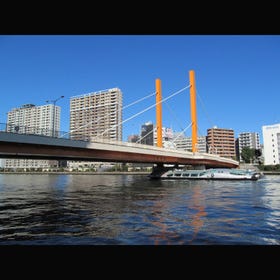
This is a cable-stayed bridge over the Sumida River. Its 32 cables stage the presence of this beautiful bridge.
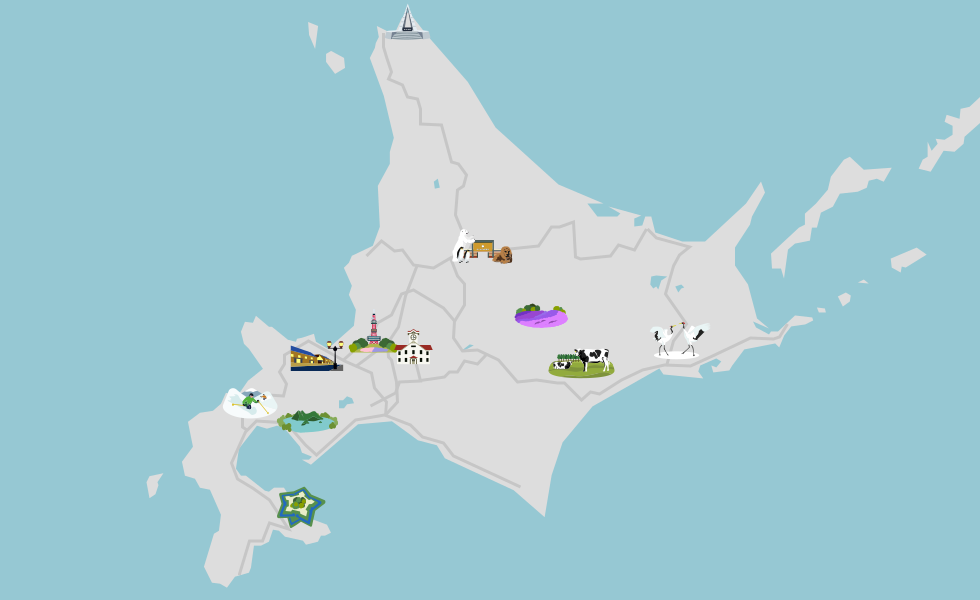
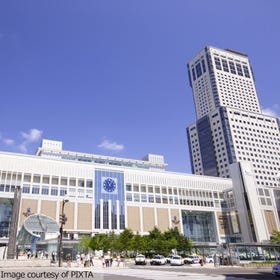
Welcome to Sapporo Station, your gateway to Hokkaido.
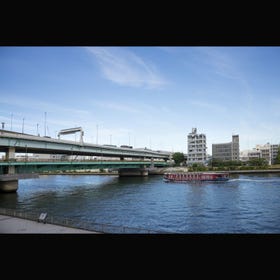
A double-decked bridge carrying an expressway and general road over the Sumida River. The general road has a beautiful night view.
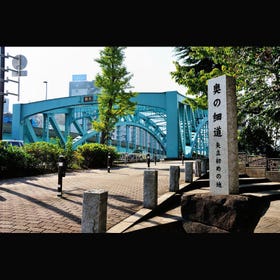
A bridge with a beautiful rectilinear design listed in ”100 Views of New Tokyo.”
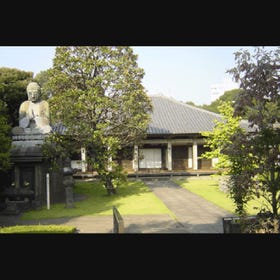
It is the Buddhist temple which is said to be the origin of maneki-neko or a luck-inviting cat figurine, beckoning with its right front paw. In its temple grounds, a number of historical assets still remain.
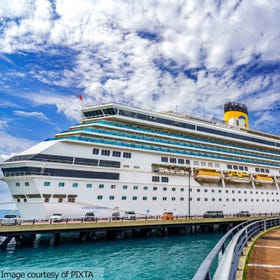
Okinawa's maritime gateway, where many cruise ships dock. A shuttle bus trial currently runs from the port to the Naha city center.
This is a historical iron bridge that was illustrated in nishiki-e (multi-colored woodblock print) by an ukiyo-e artist, Hiroshige Utagawa.
This is an old temple that is said to have been built in the Kamakura period (1192 to 1333). During the Edo period (1603 to 1868), it became known for the tomi-kuji lottery and was called Edo-santomi (three shrines selling lotteries).
Legend has it that the temple buildings were built by Emperor Shomu. In addition to the exquisite Kamakura-Period-style Romon Gate (National Treasure) facing the old road, there is a Kamakura-Period-style thirteen-story pagoda (Important Cultural Property) towering at the center of the temple grounds. The temple is also famous for its cosmos flowers.
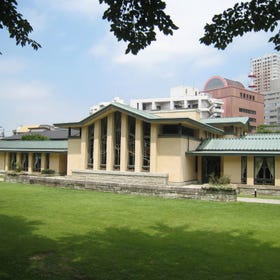
It was build at the former school building of Jiyugakuen. It was designated as a National Important Cultural Property in May of 1997.
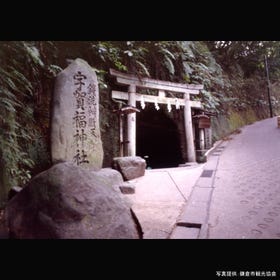
A Shinto shrine known for Zeniarai Spring, one of five ”remarkable waters” in Kamakura, where it is said that visitors can multiply their money by simply washing it.
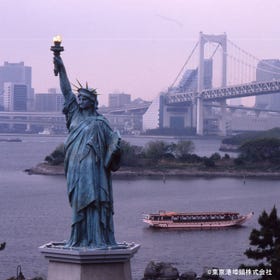
The Statue of Liberty in the Odaiba area is a replica molded from the Statue of Liberty in Paris, France.
A convenient gateway to Shizuoka’s nature and cuisine, with close-up views of Mt. Fuji.