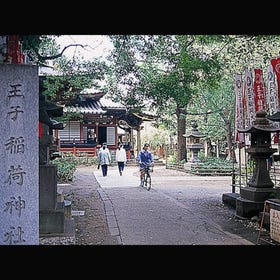
The shrine was established by the then Shogun, Tokugawa Ienari. It is also known as an old Kanto Inari Sotsukasa shrine (the top Kanto area shrines enshrining the Inari.)
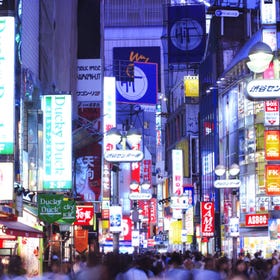
Shibuya's top commercial district right near the Shibuya scramble crossing. Has a wide variety of shops including restaurants and karaoke stores.
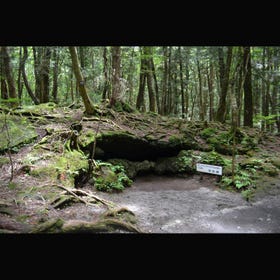
This is a natural monument-designated wind cave surrounded by the Aokigahara Jukai Forest.
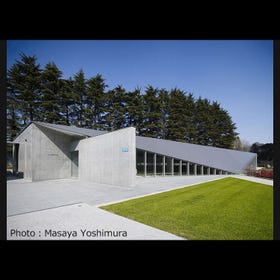
This museum was established in March 2003 with 3 designers, Issei Miyake (fashion designer), Taku Sato (graphic designer), and Naoto Fukazawa (product designer) as its directors and Noriko Kawakami, a journalist and editor, as its associate director. Not only does it offer exhibitions, but it also offers various programs such as talks and workshops with a concept of ”becoming a venue where day-to-day perspectives and views can be proposed.” The building with a symbolic roof created with an image of ”one sheet of fabric” was designed by Tadao Ando, an architect.
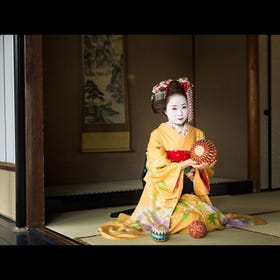
This studio has started offering a new experience called the Maiko Location Photo Plan, where you can take a photo in front of a Kyo-machiya (townhouse in Kyoto) or in the Higashiyama area. To experience being a maiko, you can choose from a variety of gorgeous attire and wear traditional Japanese makeup using face powder and a water-soluble lipstick. Other popular plans include Couple Plan where you can take a photo with your partner wearing a kimono, and the Kids Maiko Plan for children aged five and over (height: 100 centimeters or more).
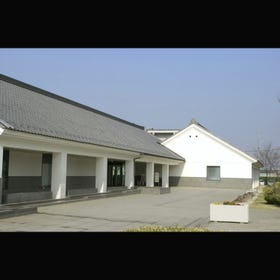
Artworks that blend in well with traditional Japanese houses are displayed
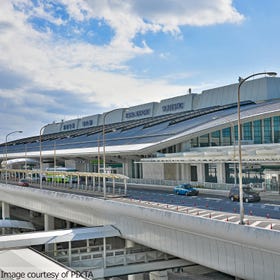
The gateway to Okinawa. From Naha Airport, explore its stunning seas and unique Ryukyu culture.
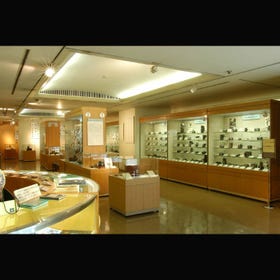
Nippon Camera Hakubutsu-kan or the JCII Camera Museum is a museum operated by the Japan Camera Industry Institute, and you can have fun learning and familiarizing yourself with cameras by looking at and touching cameras. There are more than 300 cameras on display.
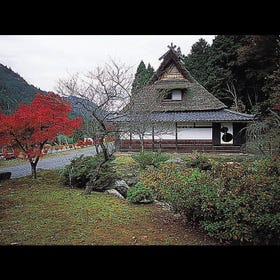
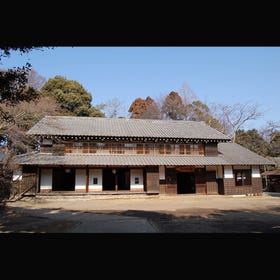
The former Wada residence―Kurosuke no ie― is a traditional folk house built over 100 years ago.
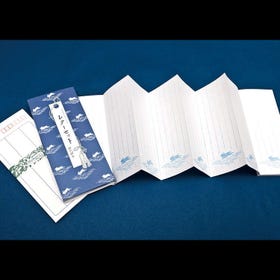
Haibara is a washi shop in Nihonbashi that has been around for over 200 years. They sell various types of washi, from letters sets to kazari fans and paper products. The shop is also for the fact that Takehisa Yumeji, an artist famous for drawing beautiful women in the Taisho period (1912 - 1926) designed many of the patterns for this shop's letter writing sets, envelopes and uchiwas. The ”Jabara (rickrack/zigzag) letter writing set” is the shop's most popular item, with dotted lines at every folding point, and you can just tear off the part you need to use.
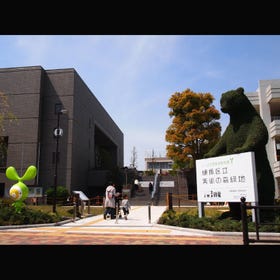
Holds many exhibitions and shows by artists connected to Nerima. A community-based art museum beloved by locals.
This is a museum built on the site where the Kawagoe Castle used to stand. Through various exhibitions, the museum explains how the people in the castle town lived.
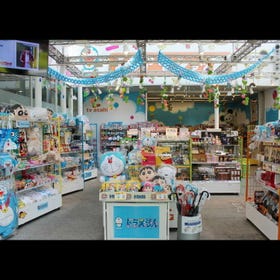
The headquarters of the famous TV Asahi face the lush Mori Garden, being a vital part of Roppongi Hills. On its first floor, the TV Asahi shops sells all kinds of goods and merchandise of the channel. This includes all-time favorites such as Doraemon and Crayon Shin-chan, shows and animations that aren't only majorly popular in Japan but also abroad. Around 2,000 different unique items and a lot of special editions can be found here, making for excellent souvenirs that perfectly represent the modern Tokyo that Roppongi Hills and TV Asahi stand for.
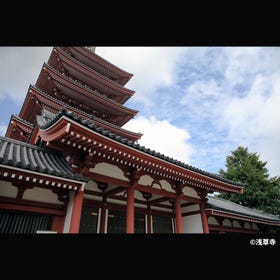
A soaring five-story pagoda at Senso-ji Temple in Asakusa with magnificent nighttime illumination.
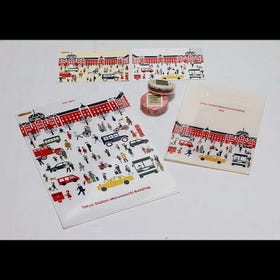
The Tokyo Central Post Office was one of the first postal offices established in Japan in 1871. In 2012, it was moved to the current location that is now the bottom layer building of JP Tower, and has been drawing attention as one of Japan’s tourist spots. The products such as the clear document holders, masking tapes and postcards with the motif of Tokyo Marunouchi Station Building which can only be bought at the Tokyo Central Post Office is popular as a new Tokyo souvenir. If you post a postcard in the mailbox set around various places in Tokyo Station, they will seal it with the date stamp which has the scenery of Tokyo station.
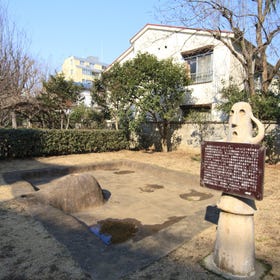
An archaeological park in Minato Ward, Tokyo with a reconstructed pit-house from the latter Jomon Period (approximately 4,000 years ago).
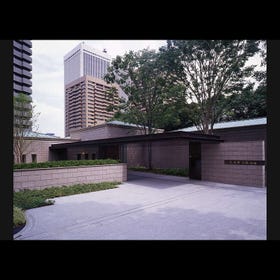
This museum conserves and exhibits arts collected by the Sumitomo family, with its main building located in Shishiga-tani, Kyoto. The collection is composed of various and diverse items, such as modern Japanese and Western paintings, modern pottery and chinaware, tea utensils, and Noh masks and costumes collected from the middle of the Meiji era to Taisho era. Despite being in the middle of Roppongi, it is surrounded by greenery and is a quiet environment, which lets you forget about time and appreciate the arts to your heart's content.
Main priests' residence of Senso-ji complex where the Three Buddha Statues of Amitabha are enshrined. The temple also houses ancestral tablets of Tokugawa Shoguns.
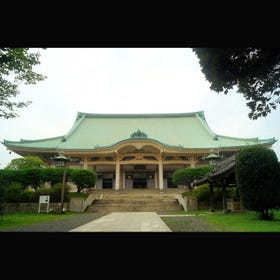
One of two Daihonzan (head temples) of the Soto school of Zen Buddhism, with modern buildings in the spacious temple grounds. You can practice Zen meditation here.
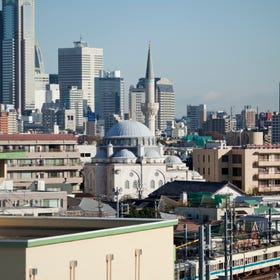
It is one of the largest mosques in Japan. The interior of the building is furnished with beautiful decorations, including stained glass mounted windows.