The main gate of Sensoji Temple. Its huge, impressive paper lantern with ”Kaminarimon” written in kanji is a landmark of Asakusa.
A vault of many national cultural artifacts from the Nara period
A seaside park with great views
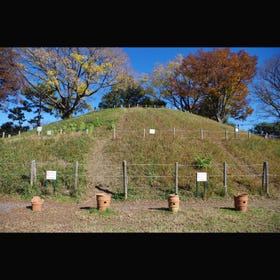
The Noge Otsuka Tumulus is the largest tumulus of the Noge Tumulus Cluster. Excavations have unearthed objects like armor, stone tools, and grave goods made out of beads.
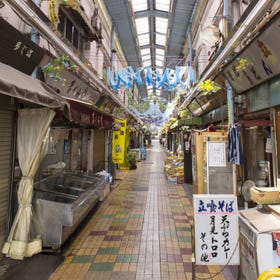
A charming shitamachi (downtown) shopping street lined with takeout shops, candy shops, izakaya (bars) and more.
Lots to enjoy, lots of ways to enjoy it
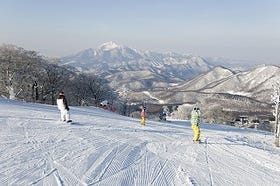
The mecca of alpine board and ski competitions located 21Km (30minutes) from Youkahyonosen IC on the KitaKinki-Toyooka Expressway
Hayashi-han, Azumayama Kokuyurin194, Wakamiya, Inawashiro-machi, Yama-gun, Fukushima-ken
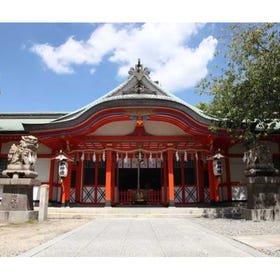
This shrine is mentioned in the ancient book Nihongi
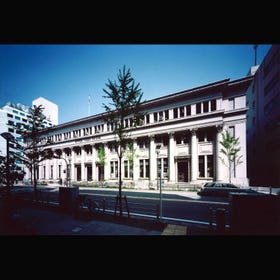
It is a museum where the Japanese maritime history can be learned from videos and valuable displays. The NYK Maritime Museum widely introduces the history of marine vessels along with the history of Nippon Yusen as a company. (NYK stands for Nippon Yusen Kaisha, a shipping company.)
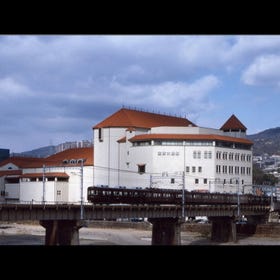
This is the home theater of the Takarazuka Revue, which enthralls its audiences with fantastic stage performances. These spectacular theatrical plays and shows are conducted in turn by one of the five troupes: Flower, Moon, Snow, Star, and Cosmos; each troupe has a top star called otoko yaku (a male role). The plays performed range widely from original plays to overseas musicals to revues. This grand theater is exclusive to the Takarazuka Revue and comes with a history stretching back over 100 years. The live orchestra accompanying performances is one of the big attractions of these shows in the grand theater.
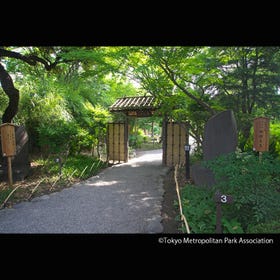
Founded as a private garden and created by notable writers and artists during the Edo period (1603–1868). The garden's biggest draw is its 30-meter tunnel lined with bush clover.
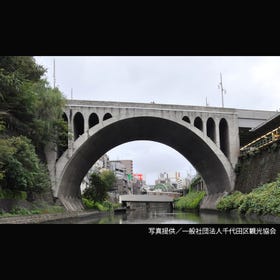
Hijiri-bashi is a bridge over the Kanda River. Its three-dimensional piers are beautiful.
The History of Tsukiji Lives On
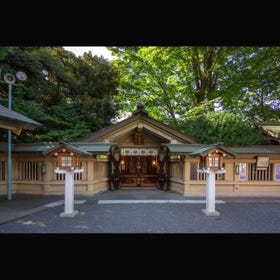
Enshrines Heihachiro Togo, Commander-in-Chief of the Imperial Japanese Navy, who defeated the Baltic Fleet.
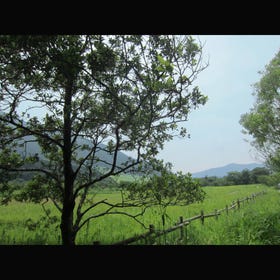
Various marsh plants grow in the marsh plant community in the Sengokuhara area. It was designated as a National Natural Treasure because its value in phytogeography was recognized.
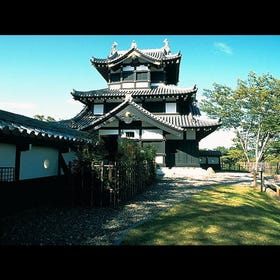
Reconstructed in Takada Park, the Sanju Yagura houses a gallery of artifacts and an observation room
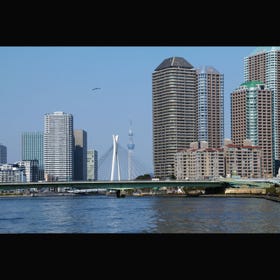
A bridge built over the Sumida River after World War II with a panoramic view of skyscrapers in Tokyo.