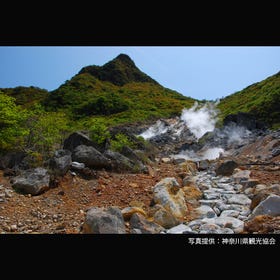
Owakudani is filled with clouds of volcanic smoke and a sulfurous smell. Tasting the famous black eggs is a must.
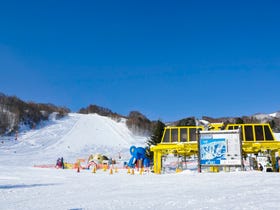
Feel safe and have peace of mind on the only skier exclusive ski resort in the Kanto region.
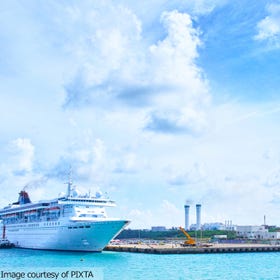
The gateway to Miyakojima’s famous beaches and its iconic Miyako Blue sea.
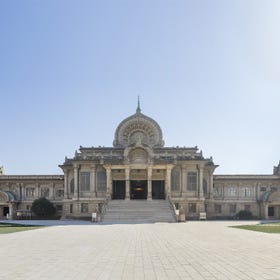
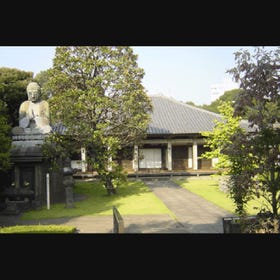
It is a Buddhist temple in Tsukiji. The exterior of the main worship hall is a stone construction in the ancient Indian style, and the interior of the hall is arranged in the traditional Shinshu-sect temple design and layout.
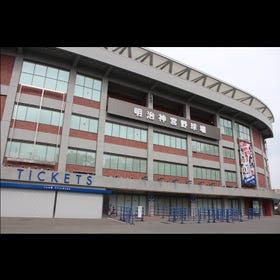
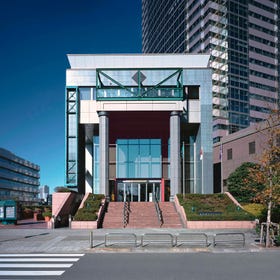
This is the home ground of the professional baseball team Tokyo Yakult Swallows. It is also known as the mecca for students' baseball games.
This is an old temple that is said to have been built in the Kamakura period (1192 to 1333). During the Edo period (1603 to 1868), it became known for the tomi-kuji lottery and was called Edo-santomi (three shrines selling lotteries).
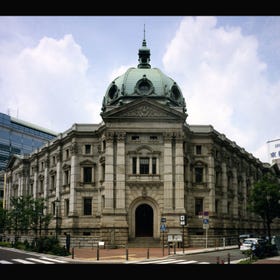
The History of Tsukiji Lives On
*Currently closed
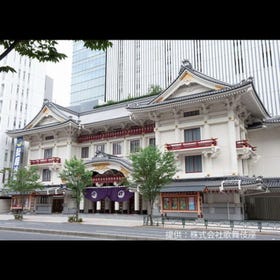
The Kabuki-za theater is a large-scale theater where kabuki, a traditional Japanese play, is performed.
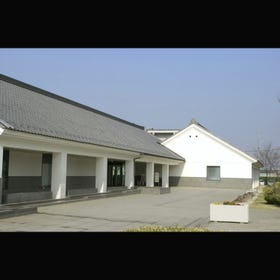
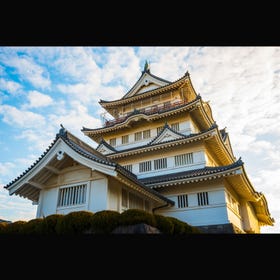
This is a museum built on the site where the Kawagoe Castle used to stand. Through various exhibitions, the museum explains how the people in the castle town lived.
Currently under renovation, and plans to reopen in the autumn of 2016. One of the few museums worldwide focusing on photography and film.
This is an interactive museum where you can enjoy the world of Anpanman. It is very popular among both children and adults.
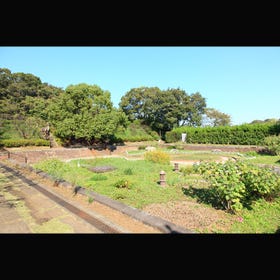
The Tumulus cluster dates back to the latter of the Kofun (tumulus) period (250 - 538). Excavations unearthed horse tack like bits for horses, Sue ware (type of unglazed pottery made from the middle of the Kofun era through the Heian era), Haji ware (plain, unglazed, reddish-brown Japanese pottery made from the Kofun era through the Heian era), and haniwa (clay figures from the Kofun period).
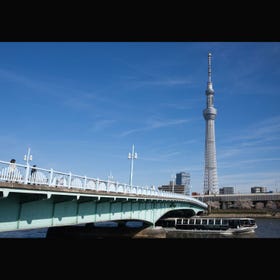
The Kototoi Bridge with its beautiful rectilinear shape is built over the Sumida River. It is a perfect place to see cherry blossom trees lined up at the banks of the river.
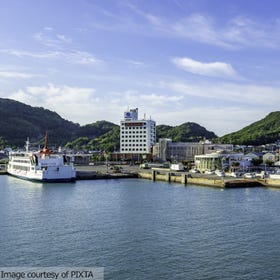
Your base for sightseeing in Shodoshima Island, famous for its Setouchi art, olives, and soy sauce.
It is a historical museum where you can learn about the Chiba clan, who made the foundation and historical contribution to Chiba City. From the observation deck, you can see a magnificent view of Chiba City.
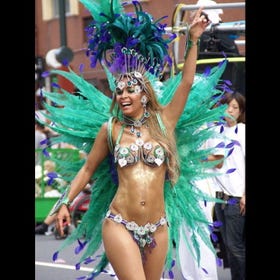
A Must-See Performance with Colorful Costumes and Spectacular Dancing
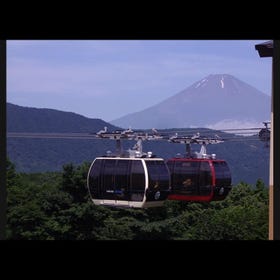
The Hakone Ropeway operates for about 4km from Tougendai station, facing Lake Ashi via Ubako and Owakudani stations, to Sounzan station. Opened in 1959, currently over 2 million people ride it each year. On the route going through Hakone mountains, you can view the nature which changes by seasons, such as cherry blossoms, azaleas, hydrangeas, and red and yellow leaves, as well as allowing you to view Mount Fuji in the distance on a sunny day. From Sounzan Station, the terminal station, you can change trains to Hakone Tozan cable cars and go to Gora Onsen (hot springs) and further down to the Hakone Open-Air Museum by Hakone Tozan Railway.
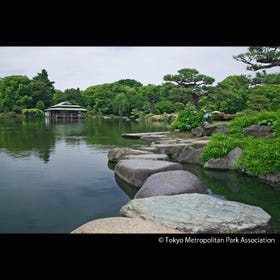
A stroll-style garden featuring miniature hills, dry landscaping and a huge pond. Designated one of metropolitan Tokyo's Places of Scenic Beauty.
An art center open to all where you can enjoy exhibitions, workshops, and a variety of other events.