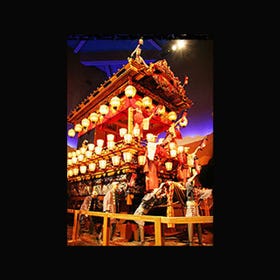
An exhibition center where Chichibu Yomatsuri, one of Japan's three major hikiyama (float) festivals, is introduced through historical material and a live performance.
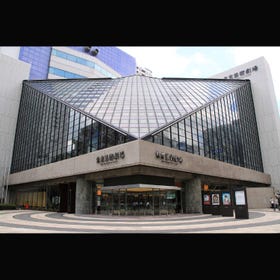
This is an art and cultural facility that possesses a pipe organ of the world's largest class. You can appreciate various artworks throughout the year.
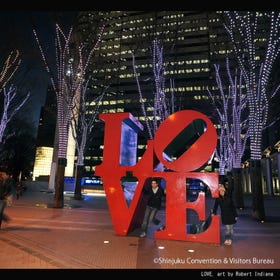
A meeting place in Nishi-Shinjuku. A symbol of Shinjuku i-LAND and its message of love.
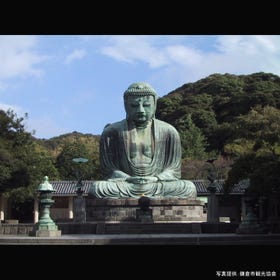
Famous for the Great Buddha of Kamakura which weighs 121 tonnes, Kotoku-in is a Buddhist temple of the Jodo-shu sect.
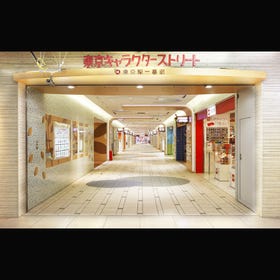
Many shops that sell popular character merchandise are located there. There are also limited editions that can only be found here.
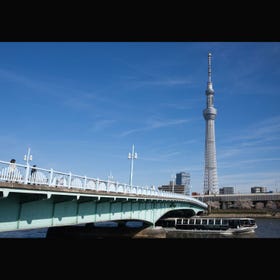
A bridge connecting Arakawa, Sumida and Taito. A nice place to stroll and view Tokyo Skytree®.
Pick up your items at the airport counter upon arrival in Japan.
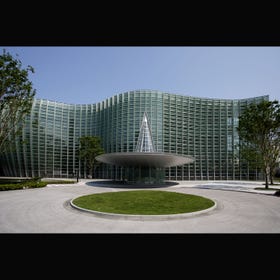
A building that is in itself a work of art. An art center where you can enjoy a variety of art exhibitions.
One of the nation's largest movable road bridges built over the mouth of Sumida River.
The Sogo Museum of Art is located inside a department store that is directly connected with Yokohama Station. You can enjoy both shopping and art at the same time.
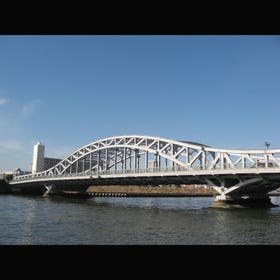
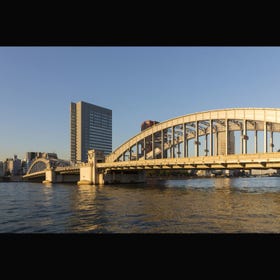
The Kototoi Bridge with its beautiful rectilinear shape is built over the Sumida River. It is a perfect place to see cherry blossom trees lined up at the banks of the river.
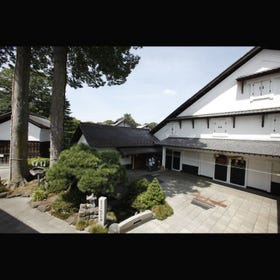
Ishikawa Brewery is where numerous traditional Japanese-style warehouses stand. It also has restaurants where you can enjoy sake and local beer.
A history museum featuring precious cultural artifacts from the Kamakura Era.
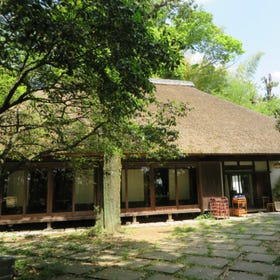
The former residence of the Japanese diplomat, Jiro Shirasu, and his wife and essayist, Masako. He was a liaison officer with the occupying forces after the war, and instrumental in drafting the Constitution of Japan.
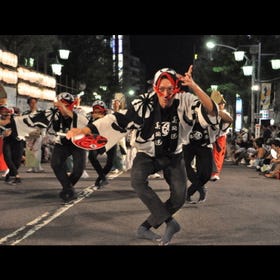
Watch Performers Dancing to the Beat of Drums and Shamisens in Koenji’s Streets
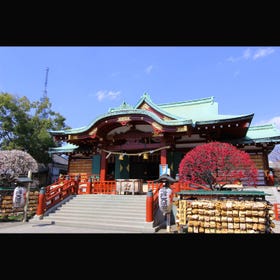
This is where Michizane Sugawara, the god of learning and study, is enshrined. You can enjoy flower festivals, too; there are flowers blooming all year round.
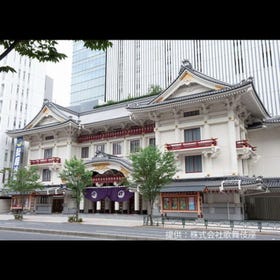
The Kabuki-za theater is a large-scale theater where kabuki, a traditional Japanese play, is performed.
Start your Shinjuku and Tokyo trip here! From driving around Tokyo to a long drive to Koshin'etsu, go with Nippon Rent-A-Car!
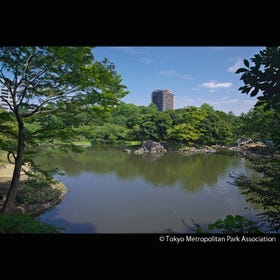
The Koishikawa Korakuen Garden is designated as a National Special Historic Site and Special Place of Scenic Beauty. Highlights of the garden include a lake, a hill, a river, and a pastoral scenery that resembles the scenic beauty from various places in Japan.