



Why Is There a Giant Moai Statue in Japan? A Powerful Story Awaits in Minamisanriku
- Written by: Timothy Sullivan
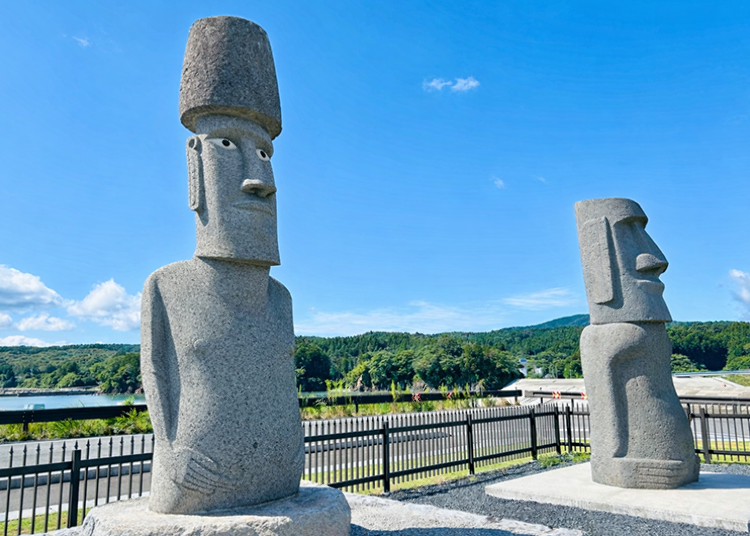
When most people think of Moai statues, they picture the mysterious stone giants of Easter Island in Chile. So it comes as quite a surprise to find towering Moai statues standing along the coast of northeastern Japan.
But in the seaside town of Minamisanriku (南三陸) in Miyagi Prefecture, these statues are much more than quirky photo spots. They represent a decades-long connection between Japan and Chile, a shared history of tsunami disasters, and the remarkable recovery of a town devastated by the 2011 Great East Japan Earthquake.
Now, visitors can experience that story firsthand through a new guided walking program that blends sightseeing with lessons in disaster preparedness and local history.
(Main image: Minamisanriku Tourism Association)
A New Way to Explore Minamisanriku
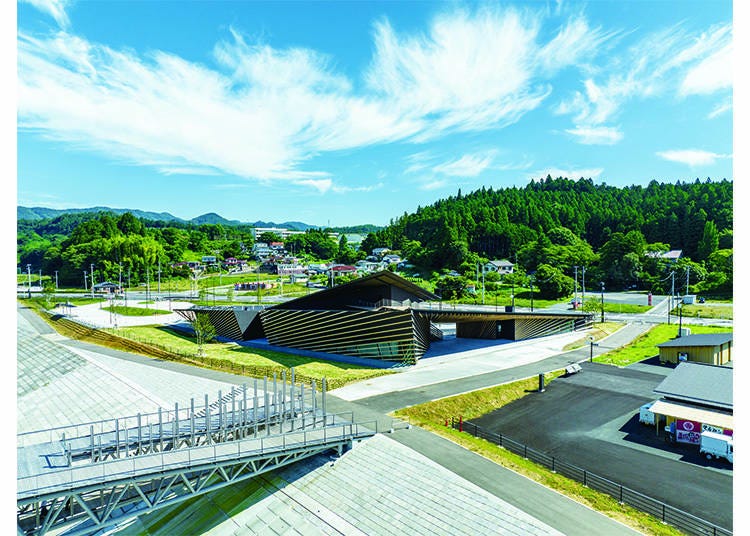
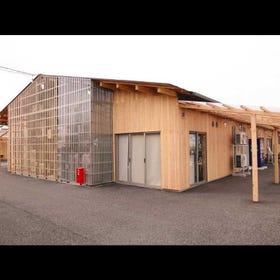
Opened in October 2022 in Miyagi Prefecture, Minamisanriku 311 Memorial is an educational and commemorative facility dedicated to the Great East Japan Earthquake and Tsunami of March 11, 2011.
Designed by Kengo Kuma & Associates, the building was conceived as a symbolic gateway connecting the sea, town, mountains, and memorial spaces. Its exterior uses locally sourced Minamisanriku cedar louvers arranged to create a sense of being drawn into the structure.
The memorial features an exhibition gallery, art zone, learning theater, and an observatory, among other areas. Some exhibition panels, testimonial videos, and learning programs are available in English and Traditional Chinese.
Beyond the memorial itself, Minamisanriku also offers four guided walking tours led by local residents. Among them is the newly launched Tourism × Disaster Prevention! Meet a Real Moai Course, a 60-minute experience introduced in April 2026 that combines sightseeing, disaster education, and stories of the town’s recovery.
Rather than simply viewing exhibits indoors, participants walk through the rebuilt town together with a local storyteller known as a kataribe, hearing firsthand accounts of the 2011 tsunami and learning how the community rebuilt itself afterward.
Traditionally, kataribe were people who orally passed down folk tales, legends, regional history, and cultural traditions from one generation to the next. But in modern Japan, the word has taken on an especially important role in places connected to war, natural disasters, and historical tragedies.
Rather than listening to a scripted lecture, visitors hear deeply personal accounts from kataribe while standing in the actual places where events unfolded. Many guides describe what they saw that day, how the town changed afterward, and what they hope future generations can learn from the disaster.
The route includes several important locations tied to the disaster and recovery efforts, including:
・Minamisanriku 311 Memorial
・The former Disaster Management Office building
・The rebuilt shopping district
・Minamisanriku’s Moai Statues
As visitors move through the town, guides explain not only what happened during the tsunami, but also how local residents rebuilt their lives and community in the years that followed.
Why Are There Moai Statues in Minamisanriku?
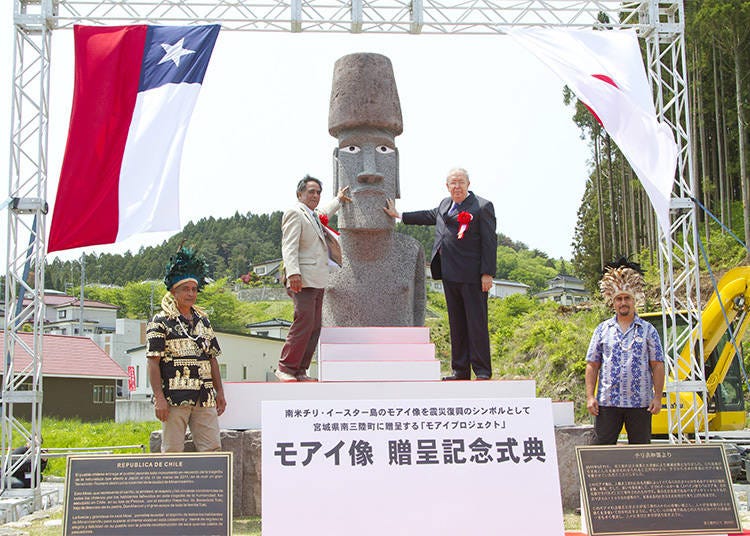
At first glance, the connection between Chile and a small Japanese fishing town may seem unexpected.
However, Minamisanriku has a long history with tsunami disasters dating back well before 2011. In 1960, the massive earthquake in Chile triggered a tsunami that crossed the Pacific Ocean and caused significant damage along Japan’s northeastern coastline, including Minamisanriku.
That shared experience eventually led to a friendship and cultural exchange between Chile and the town.
The Moai statues were originally installed as symbols of that connection. After the 2011 earthquake and tsunami destroyed much of the area, Chile once again stepped forward in support, donating new Moai statues as symbols of hope, friendship, and recovery.
Today, they’ve become one of Minamisanriku’s most recognizable landmarks.
Learning About Disaster Preparedness Through Travel
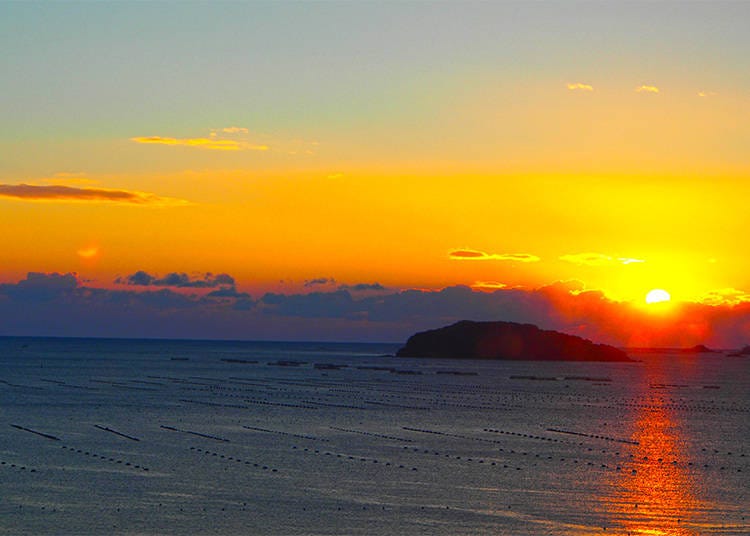
One of the most distinctive aspects of this experience is how naturally it combines tourism with education.
While the walking course includes photogenic landmarks and rebuilt streets filled with shops and restaurants, it also encourages visitors to think seriously about disaster preparedness and resilience.
Standing in the actual locations where the tsunami struck gives many travelers a much deeper understanding of the scale of the disaster than they might get from photos or documentaries alone.
At the same time, the lively atmosphere of today’s Minamisanriku highlights the strength of the local community and the town’s ongoing recovery.
The program is aimed at a wide range of visitors, from educational school trips to independent travelers exploring the Tohoku region.
- Tour Registration Venue: Minamisanriku 311 Memorial (reception counter)
- Duration: Approximately 60 minutes
- Main Stops: Minamisanriku 311 Memorial, former Disaster Management Office building, shopping district, Moai statues
- Admission: 5+ people: 2,000 yen per person / 3–4 people: 2,500 yen per person / 2 people: 3,500 yen per person / 1 person: 7,000 yen (Preschool children free; discounts available for groups of 10 or more)
- Note: Available year-round except during the New Year holidays
- Tour details and reservations on the official website
-
Minamisanriku 311 Memorial南三陸311メモリアル
-
Address
Itsukamachi-200-1 Shizugawa, Minamisanriku, Motoyoshi District, Miyagi 986-0752
View Map -
Nearest Station
JR Shizugawa Station (Kesen-Numa Line BRT)
・Hours: Monday, Wednesday to Sunday 9 AM–5 PM
・Closed: Tuesday
・Website: https://m311m.jp/ -
Address
Itsukamachi-200-1 Shizugawa, Minamisanriku, Motoyoshi District, Miyagi 986-0752
A Meaningful Stop Along Japan’s Northeast Coast
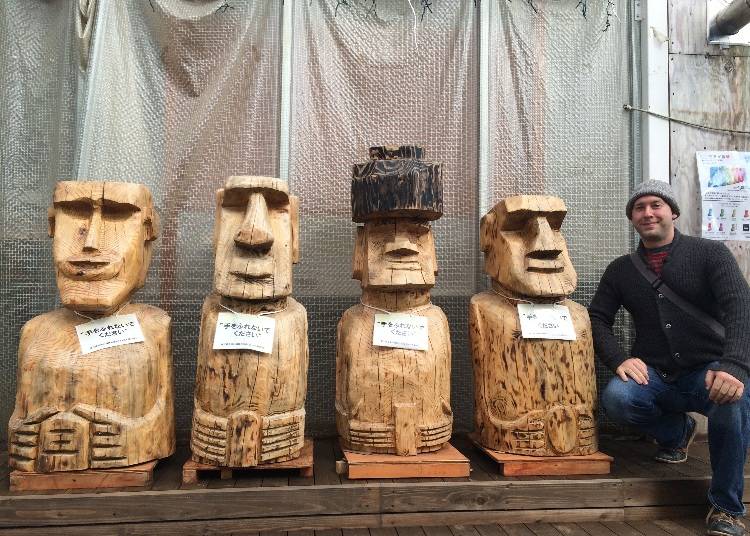
For travelers visiting Tohoku, Minamisanriku offers something quite different from Japan’s typical sightseeing destinations.
It’s a place where local stories, international friendship, disaster education, and modern reconstruction all come together in a deeply human way. And of course, it’s also one of the very few places in Japan where you can stand beside a genuine Moai statue.
-

-
Address
201-5, Shizugawaitsukamachi, Minamisanriku-cho, Motoyoshi-gun, Miyagi, 986-0752
View Map -
Nearest Station
Yanaizu Station (Kesen-numa Line)
26 minutes by bus
- Phone Number 0226-25-8903
-
Address
201-5, Shizugawaitsukamachi, Minamisanriku-cho, Motoyoshi-gun, Miyagi, 986-0752

- Area
- Category
*Prices and options mentioned are subject to change.
*Unless stated otherwise, all prices include tax.
Popular Tours & Activities
Recommended places for you
-
Asamushi Onsen
Hot Springs (Onsen) & Bath Houses (Sento)
Aomori, Hirosaki And Hachinohe
-
Geibikei Gorge
Rivers, Lakes & Canyons
Morioka, Hiraizumi And Hachimantai
-
Sado Gold Mine
Winter
Niigata And Sado
-
Baeren Brewery Co., Ltd.
Other Sightseeing
Morioka, Hiraizumi And Hachimantai
-
Aomori Museum of Art
Art Museums
Aomori, Hirosaki And Hachinohe
-
Hachimantai Aspite Line
Landscapes
Morioka, Hiraizumi And Hachimantai
-
Aomori Summer Weather Guide (June–August) + What to Wear: Tips from a Japan-Based Editor
by: Nemi Lin
-
Ad

Explore Samurai City Aizu-Wakamatsu: Your Full Guide to History, Nature, and Culture
-
Travel Tohoku for Less in 2026: Why the JR EAST PASS Is a Game Changer
by: Sae Haneda
-
Ad
Explore Snow Country from Echigo-Yuzawa Station: A Year-Round Guide to Ski Resorts, Art, and Regional Travel
-
Ad
Scandinavian Brands Meet Harajuku: Inside Japan's Only Flagship Stores for Haglöfs and D_b_
-

This Dreamy 'Underwater Forest' in Japan Only Appears in Spring
-

6 Surprisingly Cheap Things in Japan
-
We Board Japan's 'Setsugekka' Resort Train And Have An Incredible Journey Through The Heartland
-
Akita Prefecture Guide: Destinations, Activities, Travel Advice, Shopping & More
-
Kaminoyama Onsen Guide: Best Things to Do in Japan's Samurai Town!
-
Ad
Revamped, Improved: We Try 'JR-EAST Train Reservation' & Are Surprised By Ease of Purchase, Pickup, Boarding
-
8 Things to Do on Sado Island (Niigata): The Curious 'Butterfly Island' That's One of Japan's Best-Kept Secrets