








Ouchi-juku is a quaint town of thatched-roof houses worthy of a Hollywood film set. Located in the mountains of Shimogo Town in Fukushima Prefecture, it was particularly prosperous in the 1600s. There are over 30 thatch-roofed houses surrounded by hills and farm fields in this town. And when it snows, the incredible view blanketed in white creates an otherworldly atmosphere.
Around 1 million people visit each year to experience this fairytale-like Japanese scenery. The village is especially striking in winter, when its snow-covered rooftops look like a traditional sumi-e (ink wash painting).
Ouchi-juku: Former Ryokan Inn-Town Lined with Thatch-Roofed Houses

Ouchi-juku developed around 1643 along the Aizu Nishi Kaido, a route connecting Aizu with Nikko and onward to Edo, now Tokyo.
From Aizuwakamatsu, you can take the Aizu Railway to Yunokami Onsen Station and arrange a taxi for the last stretch. If you’re considering a spring trip, our guide to cherry blossom trains in Tohoku covers the Aizu Railway and Yunokami Onsen Station. The Saruyugo bus runs seasonally, so check service for your travel date. In winter, arrange your return ride in advance, especially if you plan to stay after dark.
If you rent a car, follow National Route 121 south, then turn onto Prefectural Road 329. It’s a short walk from the parking area to the historic street. Allow extra time when there’s snow or festival traffic.
First Stop: Ouchi-juku Machinami Tenjikan (Exhibition Hall)
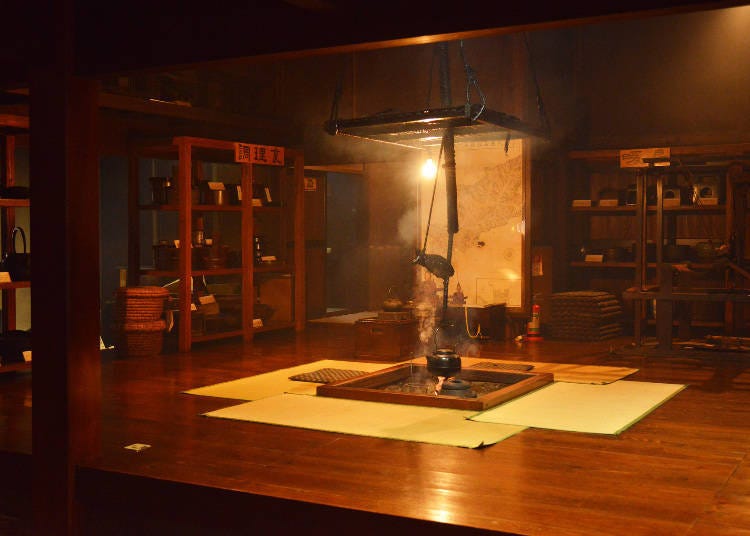
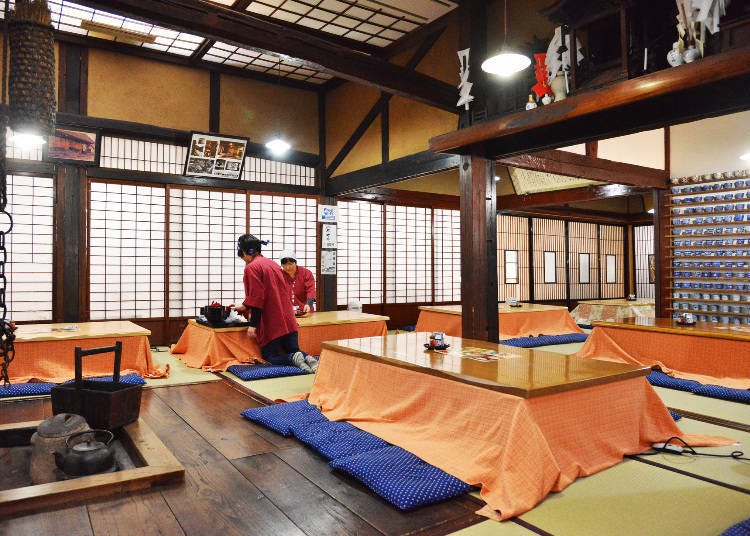
Start at the Ouchi-juku Machinami Tenjikan, a thatched exhibition hall reconstructed on the site of the former honjin, an inn reserved for officials and other high-ranking travelers. Inside, a traditional sunken hearth, photographs, and household tools give a sense of daily life in the old post town. It’s a useful first stop before walking the rest of the village.
-
Ouchi-juku Machinami Tenjikan大内宿町並み展示館
-
Address
Yamamoto 8, Ouchi, Minamiaizu Gun Shimogo Machi, Fukushima Ken, 969-5207, Japan
View Map - Phone Number 0241-68-2657
・Hours: 9 AM–4:30 PM
・Admission: 250 yen for adults, 150 yen for elementary and junior high students
・Closed: December 29–January 3 -
Address
Yamamoto 8, Ouchi, Minamiaizu Gun Shimogo Machi, Fukushima Ken, 969-5207, Japan
Ouchi-juku Misawaya: Savor the Local Specialty, Takato Soba

Takato soba traces its roots to the history of the Aizu domain. The lord of Aizu was raised in the Shinshu Takato domain, where soba is traditionally eaten with grated daikon radish. This custom later spread to Aizu, and soba topped with grated daikon became known as Takato soba (1,500 yen, tax included).
At Ouchi-juku Misawaya, Takato soba is served in a large bowl, generously topped with bonito flakes and grated daikon. Instead of chopsticks, diners use a long Japanese leek to lift the noodles. Its unusual presentation and eating style have made this dish a signature specialty of Ouchi-juku.
Regulars scoop up the soba with the leek and take small bites as they eat. It may feel unfamiliar at first, but that is part of the experience. If you are visiting Ouchi-juku, this local soba is well worth trying.
Misawaya makes its noodles with 100% buckwheat flour. Alongside the signature Takato soba, the restaurant’s menu lists seasonal kenchin soba, assorted tempura, and Aizu specialties like kozuyu, a local soup.
-
Ouchi-juku Misawaya大内宿 三澤屋
-
Address
Yamamoto26-1, Ouchi, Minamiaizu Gun Shimogo Machi, Fukushima Ken, 969-5207, Japan
View Map - Phone Number 0241-68-2927
・Hours: 9:30 AM–4 PM
・No regular closing day. Check the restaurant’s website for any changes. -
Address
Yamamoto26-1, Ouchi, Minamiaizu Gun Shimogo Machi, Fukushima Ken, 969-5207, Japan
Misawaya Chaya: A Snack Stop on the Main Street

Misawaya Chaya, the sister shop of Ouchi-juku Misawaya, is a place to look for a light bite as you explore the village. Check with the shop for its winter opening hours and what’s available that day.
-
Misawaya Chaya三澤屋茶屋
-
Address
Yamamoto26-1, Ouchi, Minamiaizu Gun Shimogo Machi, Fukushima Ken, 969-5207, Japan
View Map - Phone Number 0241-68-2927
・Check winter opening hours and menu availability with the shop before visiting.
-
Address
Yamamoto26-1, Ouchi, Minamiaizu Gun Shimogo Machi, Fukushima Ken, 969-5207, Japan
Ajidokoro Minatoya: Enjoy Freshly-Grilled Shingoro

Along the main street of Ouchi-juku, Ajidokoro Minatoya is easy to spot thanks to its traditional thatched roof and the aroma of food grilling over charcoal. Here, you can try shingoro, a local specialty from southern Aizu, freshly cooked right in front of the shop.
Shingoro is a skewered rice ball brushed with a savory sauce made from miso, soy sauce, and egoma, also known as beefsteak plant. Slowly grilled over charcoal, it develops a chewy texture and a deep, fragrant flavor that is simple but satisfying.
If you prefer to sit down for a meal, Ajidokoro Minatoya also serves heartier dishes such as handmade soba and Aizu chicken curry topped with fried chicken. It is a convenient stop whether you want a quick snack or a more filling meal while exploring the village.
-
Ajidokoro Minatoya味処みなとや
-
Address
Yamamoto 34, Ouchi, Minamiaizu Gun Shimogo Machi, Fukushima Ken, 969-5207, Japan
View Map - Phone Number 0241-68-2933
・Check winter opening days with the restaurant before visiting.
-
Address
Yamamoto 34, Ouchi, Minamiaizu Gun Shimogo Machi, Fukushima Ken, 969-5207, Japan
Honke Kanouya: Pick Up Exceptional Folk Craft Souvenirs

As you stroll through Ouchi-juku, Honke Kanouya stands out immediately. Inside the thatched-roof shop, colorful folk crafts hang from the ceiling, creating a playful and almost fantastical scene. Along the veranda, silk crepe ornaments of various sizes are neatly displayed, adding to the charm of the storefront.
All items here are handmade in Japan using silk crepe, a fabric known for its distinctive texture. The artisans make use of the fabric’s natural unevenness to create animals, plants, and zodiac motifs. Each piece has a warm, rustic feel that highlights its handcrafted character, making these crafts easy to imagine as decorative accents back home.

Among the most popular items are silk crepe beanbags shaped like vegetables and dolls. Available in multiple colors, they are often bought in sets, especially by visitors looking for small but distinctive souvenirs.
Honke Kanouya also offers a wide range of good-luck motifs, including chili peppers and hozuki, as well as fruits and flowers. These pieces work well as interior decorations or welcoming accents for an entryway, and make thoughtful souvenirs that capture the spirit of Ouchi-juku.
-
Honke Kanouya本家 叶屋
-
Address
Yamamoto 48, Ouchi, Minamiaizu Gun Shimogo Machi, Fukushima Ken, 969-5207, Japan
View Map - Phone Number 0241-68-2954
・Check winter opening days with the shop before visiting.
-
Address
Yamamoto 48, Ouchi, Minamiaizu Gun Shimogo Machi, Fukushima Ken, 969-5207, Japan
Yamagataya: Try the Ouchi-juku Local Specialty, Tochi Mochi

Located near the center of Ouchi-juku, Yamagataya recreates the atmosphere of a traditional hatago, an old-style inn for travelers. The restored veranda, wooden doors, and interior details immediately set the tone, and upon entering, your attention is drawn to the large sunken hearth at the heart of the space. Once a common feature in rural homes, the hearth is still used here to salt-grill iwana and smoke fish for kotsuzake, a local sake infused with char bones.
A popular choice on the menu is the handmade soba, prepared with locally grown buckwheat flour. Fragrant and smooth, it is a straightforward but satisfying expression of Aizu soba culture. Another must-try is the generously sized tochi mochi, a regional specialty that reflects careful, time-intensive preparation.
Tochi mochi is made from tochi no mi, or Japanese horse-chestnuts, which are naturally very bitter. The nuts are soaked in warm water for about a week to remove the bitterness before being mixed into mochi, resulting in a deeply flavored rice cake. Yamagataya serves it with kinako, or roasted soybean flour. Bring cash, as the restaurant does not take cards.
-
 Yamagataya山形屋
- Address Atsushio Kanomachi Atsushio Kitatairatako 347-2, Kitakata, Fukushima View Map
- Original source: Booking.com
Vacancy search, reservation
-
from 37,750JPY 1room, 2adults
Check with our partner site as the latest rates, rate details, and guest room requirements may vary.
Don't Miss the Ouchi-juku Snow Festival in February

Ouchi-juku usually holds its Snow Festival on the second weekend in February. That falls on February 13–14, 2027. The organizer has yet to announce the 2027 program, so check the official festival listings before making plans.
In past editions, snow lanterns lit up the thatched-roof street after dark, and fireworks rose above the village. Shop opening days and hours can vary in winter, including during the festival.
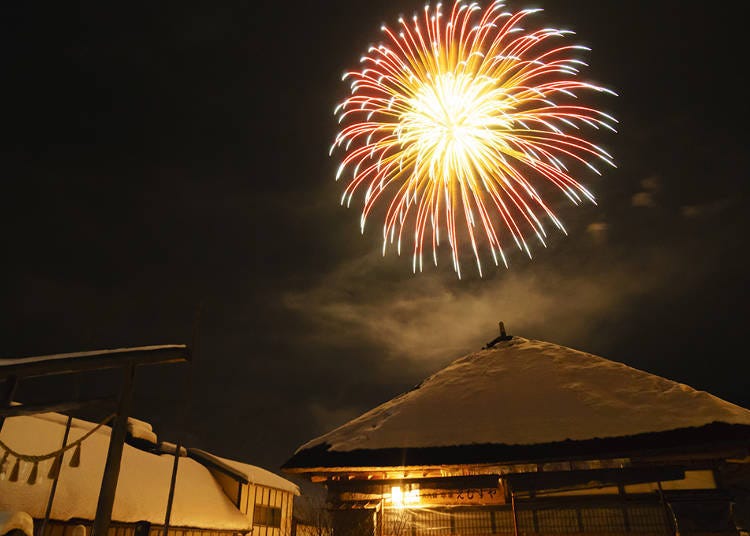
Bring waterproof boots with good traction, a warm coat, gloves, and a hat. If you’re coming by train, confirm any festival shuttle from Yunokami Onsen Station and check the last return departure before planning to stay after dark. See the Ouchi-juku Tourism Association’s event announcements for confirmed dates, fireworks times, and access details.
-
Ouchi-Juku Yukimatsuri大内宿雪まつり
-
Address
Yamamoto 43, Ouchi, Minamiaizu Gun Shimogo Machi, Fukushima Ken, 969-5207, Japan
View Map
・Telephone: 0241-68-3611 (Ouchi-juku Tourism Association)
・Expected dates: February 13–14, 2027. The official program is pending. -
Address
Yamamoto 43, Ouchi, Minamiaizu Gun Shimogo Machi, Fukushima Ken, 969-5207, Japan
At Ouchi-juku, you can see the traditional scenery of Japan combined with the surrounding nature throughout the four seasons. The snowscape of winter is on a different level. We strongly recommend visiting during the snow festival!
For more ideas in the area, see our guide to snowy destinations in Tohoku, including Tsuruga Castle and the Tadami Line in Fukushima.
Text by: SHOE PRESs


- Area
- Category
*Prices and options mentioned are subject to change.
*Unless stated otherwise, all prices include tax.
Popular Tours & Activities
Recommended places for you
-

Zuiganji Temple
Temples
Sendai And Matsushima
-

Geibikei Gorge
Rivers, Lakes & Canyons
Morioka, Hiraizumi And Hachimantai
-
Aquamarine Fukushima
Zoos, Aquariums & Botanical Gardens
Fukushima, Koriyama And Iwaki
-
Namahage Museum
Other Museums
Surrounding Areas Of Akita
-
Akiu Onsen
Hot Springs (Onsen) & Bath Houses (Sento)
Sendai And Matsushima
-
Sannai-Maruyama Site
Village Ruins
Aomori, Hirosaki And Hachinohe
-
Why Is There a Giant Moai Statue in Japan? A Powerful Story Awaits in Minamisanriku
by: Timothy Sullivan
-
Sendai & Miyagi: 10 Recommended Apartment Hotels Perfect for Road Trips and Local Experiences
-

6 Morioka Souvenirs Worth Buying near the Station: An Editor's Picks from Iwate
by: Yukiko Honda
-

Hotel Mazarium: Stay In the Heart of Morioka at This Atmospheric Hotel
by: Timothy Sullivan
-
Tohoku's Best Value Onsen Ryokan: 10 Hidden Hot Spring Gems from Sendai to Aomori and Niigata
-
This Akita Hotel Brings a Legendary Japanese Folklore Tradition to Your Room
by: Guest Contributor
-

3 Famous Ramen Shops in Yamagata - Japan's "Ramen Prefecture"!
-

Tokyo to Sendai and Beyond: Riding the Shinkansen to Japan's Stunning North
by: Guest Contributor
-

Magical Japanese Villages in Northern Tohoku
by: Steve Csorgo
-

Yamagata Prefecture Guide: Destinations, Activities, Travel Advice, Shopping & More
by: Steve Csorgo
-

Japanese Foods List: 16 Crazy Tasty Japanese Tohoku Region Dishes You've Never Heard of
by: Guest Contributor
-

Dakigaeri Gorge: Stroll Beside Aqua-Blue Streams and Brilliant Autumn Leaves in Akita
by: Guest Contributor