



Summer 2026 in Tohoku: The Smart Traveler's Guide to Beating Crowds and Securing Hotels
- Written by: Sae Haneda
Summer in the Tohoku region is an incredible season, home to iconic festivals like the Aomori Nebuta, Akita Kanto, Yamagata Hanagasa, and the Omagari Fireworks. On festival days, these cities—which are relatively small compared to Japan's major hubs—are flooded with travelers from across the country and the world. Consequently, hotel prices skyrocket months in advance, rooms sell out quickly, and the areas surrounding the venues become exceptionally crowded.
As a travel writer who has explored Tohoku countless times, my top recommendation is to let go of the idea that you must stay in the festival's host city.
By utilizing the JR EAST PASS, which was renewed in March 2026, you can base yourself in a city about 30 to 60 minutes away by Shinkansen. This style of travel allows you to escape the extreme congestion and price hikes while still fully immersing yourself in the excitement of the festivals.
In this article, I’ll share my expert tips as a Tohoku enthusiast on how to choose efficient accommodation bases and the latest transportation techniques for a smooth, stress-free summer adventure.
(This article may contain affiliate links or coupons. All featured facilities, stores, and products are selected based on our editorial standards)
- Table of Contents
-
- Why Are Hotels So Hard to Book During Tohoku’s Summer Festivals?
- Tip 1: Choose a Nearby City as Your Accommodation Base
- Tip 2: Use the JR EAST PASS to Travel Smartly by Shinkansen
- Tip 3: Use Private Car Services and Rental Cars Strategically
- The Ideal Transport-and-Accommodation Strategy for Making the Most of Tohoku’s Summer Festivals
- LIVE JAPAN Travel Hacks | 2026 Update: Latest Booking Timeline and Strategies for Sold-Out Dates
- In Summary: Smart Transport and Accommodation Planning Lets You Fully Enjoy Tohoku’s Summer Festivals
Why Are Hotels So Hard to Book During Tohoku’s Summer Festivals?
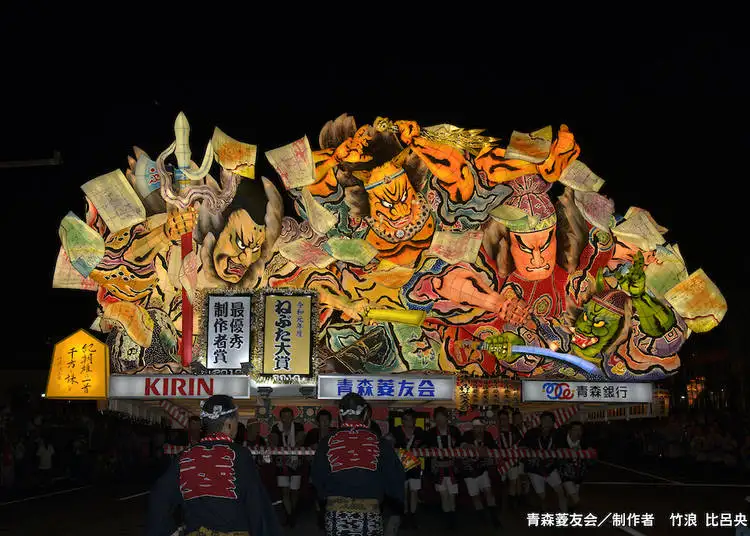
In August, summer festivals and fireworks events are held all across Japan.
Among them, in the Tohoku region in early August, major summer festivals such as the Aomori Nebuta Festival, Hirosaki Neputa Festival, Akita Kanto Festival, Sendai Tanabata Festival, and Yamagata Hanagasa Festival are concentrated in almost the same period.
One characteristic of these Tohoku summer festivals is that the number of visitors who come to see them is extremely large compared with the size of the host cities. For example, the population of Aomori City, where the Nebuta Festival is held, is about 270,000, but the 2025 Nebuta Festival drew around 1 million visitors, roughly four times the city’s population.
Naturally, the cities become extremely crowded during the festival period, and accommodations are overwhelmingly insufficient.
Securing accommodations and transportation during the Tohoku summer festivals is difficult even for Japanese travelers. With competition from repeat visitors and major tour companies, hotels in the festival host cities are highly likely to sell out quickly or see accommodation prices rise sharply.
In addition, traffic restrictions are put in place around the venues, and it is often difficult to move around as planned or avoid traffic jams. Traveling from the festival venue to nearby districts or suburban areas may become a major source of stress.
So, in order to enjoy the Tohoku summer festivals at a better value and make the experience more satisfying, I would like to suggest three key strategies.
Tip 1: Choose a Nearby City as Your Accommodation Base
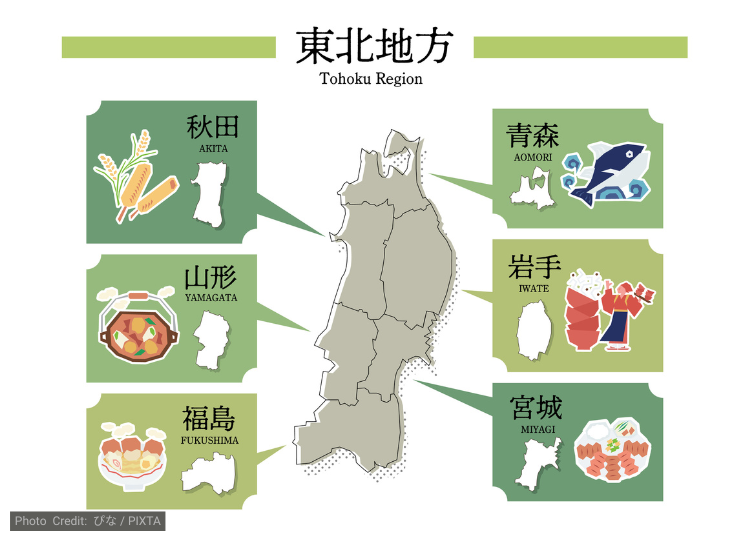
Being too focused on staying in the festival host city is a recipe for trouble. After enjoying the festival, you can travel by Shinkansen to a city within about 30 to 60 minutes that is not hosting a festival and stay there instead, making your trip both more affordable and more comfortable.
In particular, I recommend the following three cities as especially convenient bases.
- This city is the branching point of the Tohoku Shinkansen and the Akita Shinkansen, making it a very convenient location, with Akita about 1.5 hours away and Shin-Aomori about 1 hour away. It offers smooth access to Aomori, Akita, and Sendai, making it ideal for a trip where you travel around the region.
Please note that it can be somewhat crowded because the Morioka Sansa Odori, known for its Japanese taiko drums and group dancing, is held from August 1 to 4. It is also a city where you can enjoy unique noodle dishes such as wanko soba (all-you-can-eat mini bowls of soba), jajamen (thick noodles with a miso-based meat sauce), and Morioka reimen (cold noodles in a clear broth).
- The most underrated option may be Hachinohe. It is within just about 30 minutes of Shin-Aomori by Shinkansen, making access to Aomori especially convenient.
Because there are no major events there during the summer festival season, price fluctuations tend to be relatively moderate, and one of its strengths is that hotel vacancies are more likely to remain available even during the Aomori Nebuta Festival period. Hachinohe is also one of Japan’s leading port towns and is known as a city where you can enjoy fresh and delicious seafood.
Note: Please be aware that the traditional Hachinohe Sansha Taisai festival takes place from July 31 to August 4, during which hotels will be crowded. However, for the latter half of the Aomori Nebuta Festival (from August 5 onwards), Hachinohe becomes a "true hidden gem" where you are relatively likely to find available rooms.
- With a population of 1 million, Sendai is the largest city in the Tohoku region. It has a large number of hotel rooms, and with many international hotel brands and English-friendly hotels, it is a place where you can stay with peace of mind. Local specialties such as gyutan (grilled beef tongue) are another attraction.
Because it is also close to Tokyo, I recommend it as a base for traveling around Tohoku or as a place to stay on the final day of your trip. It is located farther south than Morioka or Hachinohe, and it takes about 2 hours to reach Shin-Aomori, so you do need to keep travel time in mind. Additionally, the "BAGGAGE STORAGE+" at Sendai Station offers a service where luggage dropped off by 11:00 a.m. can be delivered to hotels within Tokyo's 23 wards on the same day—perfect for hands-free sightseeing on your final day.
【Book Now!】Find Hotels in Nearby Cities via Agoda and Booking.com
Check out accommodations in Morioka, Hachinohe, and Sendai—where you are more likely to find available rooms even during the summer festival season—and ensure a comfortable journey.
Tip 2: Use the JR EAST PASS to Travel Smartly by Shinkansen
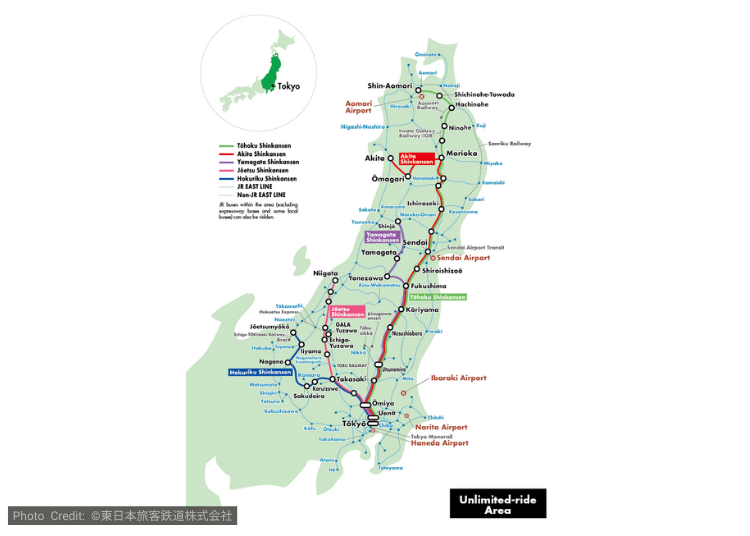
For a travel plan where you stay in a base city away from the festival venue, improving travel efficiency is key. That is where the ultimate tool comes in: the JR EAST PASS. With the renewal on March 14, 2026, the previous "Tohoku Area" and "Nagano/Niigata Area" passes were integrated into one, allowing this single pass to cover the entire East Japan region.
The price is now 35,000 yen (for adults/5 days), but the range of use has expanded significantly. It now includes the entire Sanriku Railway Line, the entire Hokuetsu Express Line, and the Echigo Tokimeki Railway (between Naoetsu and Arai).
This is especially beneficial for travelers diving deep into Niigata and Iwate Prefectures. Combined with the convenience of unlimited rides without having to buy a ticket each time, the advantages remain immense.
The Main Benefits of the JR EAST PASS
- This is a great-value, unlimited-ride pass exclusively for foreign travelers, and it can be reserved and purchased online before visiting Japan. You can freely choose the start date of use, and there are no blackout dates. You can use it without being affected by Japanese holiday periods and similar busy times.
In addition to the Shinkansen, it can also be used on the Narita Express from Narita Airport to Tokyo Station and the Tokyo Monorail connecting Haneda Airport with central Tokyo. You can pick up your pass at automatic ticket machines within the major airports and start traveling right away.
- It can be used for five consecutive days (or 10 days for 50,000 yen), making it perfect for trips around the region. It covers not only JR East lines, but also the entire Aoimori Railway Line, the entire IGR Iwate Galaxy Railway Line, and JR buses within the area. Rather than simply moving between cities, it also gives you the chance to enjoy visiting small towns that appeal to seasoned travelers and nature-rich mountain areas. Since it offers unlimited rides, it is incredibly convenient, saving you the hassle of purchasing a ticket for every single journey.
- With the latest fare update on March 14, 2026, a round-trip Shinkansen ticket (reserved seat) between Tokyo and Shin-Aomori costs 36,220 yen. This means that a single round trip to Shin-Aomori already covers the cost of the 35,000-yen pass. Not only do you avoid the hassle of buying a ticket every time, but the more you travel, the more worthwhile it becomes.
You can reserve seats as many times as you like during the validity period. However, be aware that reserved seats tend to sell out quickly during the summer festival season. We recommend booking as early as possible—ideally as soon as seats go on sale at 10:00 a.m. (JST) exactly one month before your departure date.
The Benefits of Combining the JR EAST PASS with Shinkansen Travel
・If you travel by Shinkansen, you can avoid traffic jams and travel in comfort even after the festival has ended. Even if you are tired after fully enjoying the festival, you can still travel safely and comfortably.
・The Shinkansen runs from morning until night, and because there are a fair number of services, you have many options, which also makes it easier to book. Be careful though, because reserved seats on evening trains timed to match the end of the festival can become highly competitive. Be sure to make your reservation promptly on the day sales open, one month before boarding.
・Japan’s Shinkansen is famous for being punctual, and delays of more than five minutes are extremely rare. You can travel comfortably and on time without worrying about traffic jams. Public restrooms around festival venues and major stations also tend to get crowded, so I also recommend using the clean restrooms on board the Shinkansen while traveling.
・If you travel by Shinkansen and stay in a city farther away, hotels are generally more affordable and more likely to have availability. Compared with staying in the host city, you can significantly reduce accommodation costs.
Tip 3: Use Private Car Services and Rental Cars Strategically
The key to enjoying a seamless trip is to make full use of the JR EAST PASS and use the Shinkansen for long-distance travel, while combining that with car charters or rental cars for sightseeing and getting around near festival venues.
Especially during the summer festival season, travel demand in Tohoku is high, and charter vehicles with English support and rental cars with good conditions tend to get booked up early.
March, when many travelers begin planning their trips, is truly the last chance to make reservations. Once you have secured your accommodations, the next thing to prioritize is arranging a car as quickly as possible.
Also, even in Tohoku, which is relatively cool compared with other parts of Japan, early August can be humid and muggy, and sudden evening showers are common. Traveling in an air-conditioned car is easier on the body and allows for comfortable door-to-door transportation. Understand the advantages and disadvantages of each option, and choose the mode of transport that best suits your trip.
Car Charter
A car charter is the only way to free yourself from the stress of searching for parking and getting stuck in traffic around crowded festival venues where traffic restrictions are in place.
It is worth considering a plan where you enjoy sightseeing during the day and then travel to the area around the festival venue by chartered car. With a professional driver who knows the area well, you can travel safely and efficiently even late at night or through busy urban districts.
Rental costs during peak periods do tend to be high, but if you split the cost among several people, the cost per person can become quite reasonable. The more people you have, the better the value, which makes this a good option for families and group trips. Because it also puts less physical strain on small children and older travelers, I especially recommend it for three-generation family trips.
Rental Car
The advantage of a rental car is its high degree of flexibility and ease of getting around. Because there is no driver labor cost, it also tends to be available for longer periods at a lower price than a car charter.
Beautiful sightseeing destinations in Tohoku such as Lake Towada, the Sanriku Coast, and Zao can be difficult to reach by rail alone. With a rental car, you can access these spectacular spots during the daytime.
The drawback is that you are more likely to be affected by traffic jams and traffic restrictions around festival venues. In areas you are unfamiliar with, it can be difficult to find routes that avoid congestion or to look for parking.
If you use a rental car, I recommend parking it in the area where you are staying, or returning it by the evening, and then traveling to the festival host city by Shinkansen.
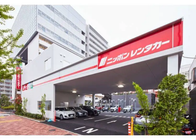
【Book Now!】Secure Your Tohoku Transportation (Car Charters & Rentals)
Demand for transportation spikes during the Tohoku summer festival season, and bookings fill up fast. To ensure a smooth and comfortable trip, check out the transportation options in the Tohoku region on Klook right away.
The Ideal Transport-and-Accommodation Strategy for Making the Most of Tohoku’s Summer Festivals
Based on the three tips introduced so far, here are specific route examples and places to stay that I recommend as a writers familiar with traveling in Tohoku, so you can avoid common mistakes.
Note: All transportation listed below, including the JR Shinkansen, JR local lines, and the Aoimori Railway, is covered by the JR EAST PASS.
Aomori Nebuta Festival (Aomori Prefecture)
- Transportation
- Tohoku Shinkansen (JR EAST PASS) + JR conventional lines (JR EAST PASS)
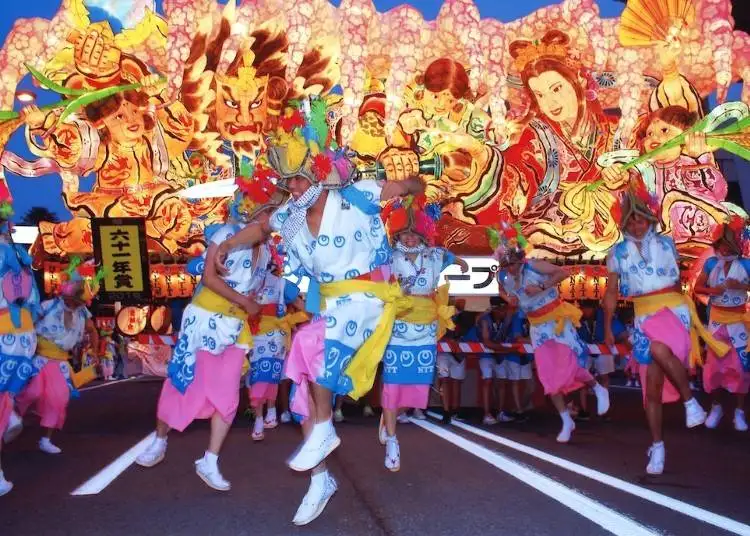
This plan involves spending the daytime sightseeing in breathtaking natural areas such as Oirase Gorge and Lake Towada by rental car, then heading to the festival venue in the evening.
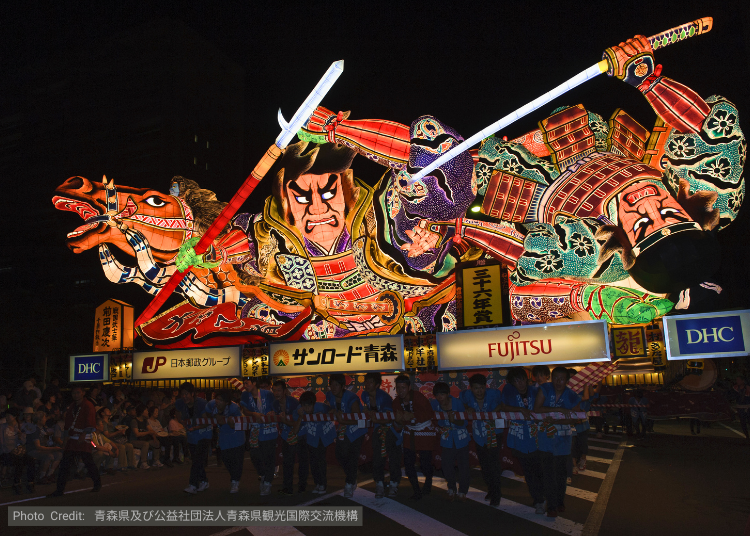
Except for the final day, the parade of the large Nebuta floats begins around 7:00 p.m. On the final day, the floats start moving from around 1:00 p.m., culminating in a spectacular marine parade where the Nebuta are loaded onto boats at Aomori Port.
While the festival is within walking distance of JR Aomori Station, the route into the city center becomes extremely crowded. I recommend arriving at the station 1 to 2 hours early to visit Nebuta Museum WA RASSE. It’s a great way to learn about the festival’s history in cool, air-conditioned comfort before the action starts.
The last Shinkansen services toward Hachinohe and Morioka depart Shin-Aomori Station in the 9:00 p.m. hour. Because these trains are in extremely high demand, you should secure your reserved seats as soon as they go on sale at 10:00 a.m. (JST) exactly one month before your travel date.
In addition to the Aomori Nebuta Festival, the Hirosaki Neputa Festival (40–50 mins from Aomori via JR local lines) and the Goshogawara Tachineputa Festival (60–70 mins from Aomori) are also famous. Together, they are known as the "Three Great Nebuta Festivals of Aomori."
Visiting a different one each day to experience their unique beauty and scale is a fantastic experience, but do be mindful of travel times. If you plan to visit Goshogawara, staying in Hachinohe is highly recommended over Morioka, as it significantly shortens your commute.
-

-
Address
Aomori Chamber of Commerce Hall 4F, 1-2-18 Shinmachi, Aomori City, Aomori Prefecture, 030-0801
View Map -
Nearest Station
Aomori Station (Ou Line / Tsugaru Line / Aoimori Tetsudo)
3 minutes on foot
- Phone Number 017-723-7211
-
Address
Aomori Chamber of Commerce Hall 4F, 1-2-18 Shinmachi, Aomori City, Aomori Prefecture, 030-0801
Omagari Fireworks Festival (Akita Prefecture)
- Accommodation
- Morioka
- Transportation
- Akita Shinkansen (JR EAST PASS) (+ car charter)
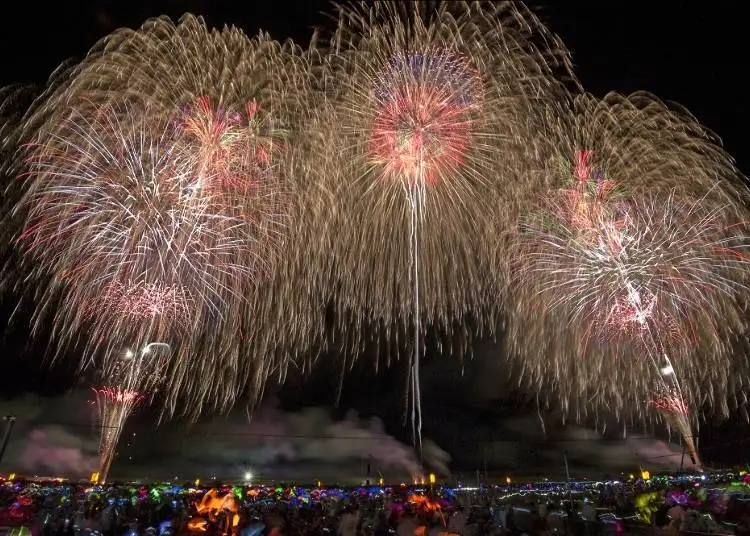
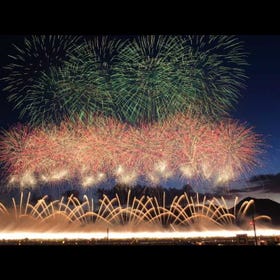
The Omagari Fireworks Festival is one of Japan’s premier fireworks events, with around 18,000 shells launched into the sky. Every year, a staggering 600,000 visitors descend upon this small city of just 70,000 residents. If you want to watch the show at a relaxed pace or ensure you capture high-quality photos and videos, I highly recommend securing paid reserved seating, which typically goes on sale around June.
It takes about 1 hour by Shinkansen from Morioka Station to Omagari Station, and the festival venue is approximately 2 km from the station.
The 98th National Fireworks Competition (Omagari Fireworks) consists of two parts: Daytime Fireworks (5:10 p.m. – 6:00 p.m.) and Nighttime Fireworks (7:00 p.m. – 9:30 p.m.). The rare Daytime Fireworks are a unique spectacle where colorful smoke creates intricate patterns against the bright sky, accompanied by festive sounds—definitely worth seeing!
While the event ends at 9:30 p.m., regular Shinkansen services conclude in the 8:00 p.m. hour. Extra Shinkansen trains run until the 10:00 p.m. hour on the day of the event, but reserved seats for these trains sell out within minutes of going on sale. Even with a JR EAST PASS, if you don't succeed in booking your seat at exactly 10:00 a.m. (JST) one month prior (the "10 o'clock strike"), you may find yourself stranded. If you prefer to travel by car between the station and the venue, be sure to arrange a car charter well in advance.
-
-
Address
Daisen-shi, Akita, 014-0000
View Map -
Nearest Station
Omagari Station (Ou Line / Tazawako Line)
30 minutes on foot
- Phone Number 0187-88-8073
-
Address
Daisen-shi, Akita, 014-0000
Sendai Tanabata Festival (Miyagi Prefecture)
- Accommodation
- Sendai (staying multiple nights is recommended)
- Transportation
- On foot + JR conventional lines (JR EAST PASS)
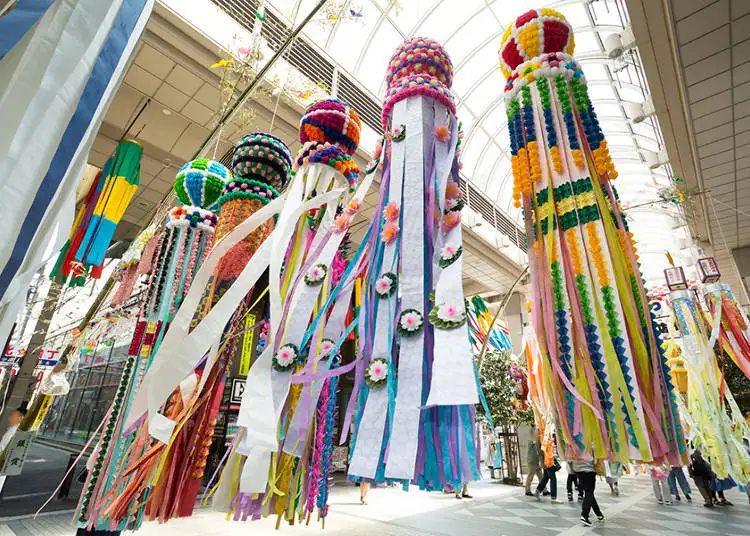
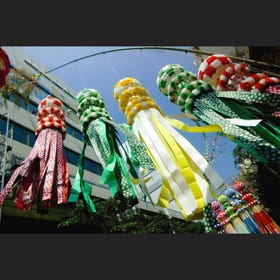
The Sendai Tanabata Festival, where you can enjoy vividly colorful Tanabata decorations during the day, takes on a much more atmospheric mood at night. Unlike fireworks festivals or parades, it is a festival you can enjoy regardless of the time, but from around 7:00 p.m., illumination events are held in different parts of the city.
The festival is always crowded with both locals and tourists, but weekday mornings are relatively less crowded and make it easier to stroll around and take photos.
I strongly recommend staying several nights in Sendai and setting aside both a day to enjoy the Tanabata decorations during the relatively quieter morning hours and another day to enjoy the nighttime illumination events. In between, it’s a good idea to rent a car for a day trip and go sightseeing in places such as Matsushima or the Sanriku area.
-
-
Address
Sendai-shi, Miyagi center and neighboring malls, 980-0000
View Map -
Nearest Station
Sendai Station (Namboku Line)
- Phone Number 022-265-8185
-
Address
Sendai-shi, Miyagi center and neighboring malls, 980-0000
Yamagata Hanagasa Festival (Yamagata Prefecture)
- Accommodation
- Sendai, Fukushima, or Yonezawa
- Transportation
- Yamagata Shinkansen (JR EAST PASS)+JR conventional lines (JR EAST PASS)
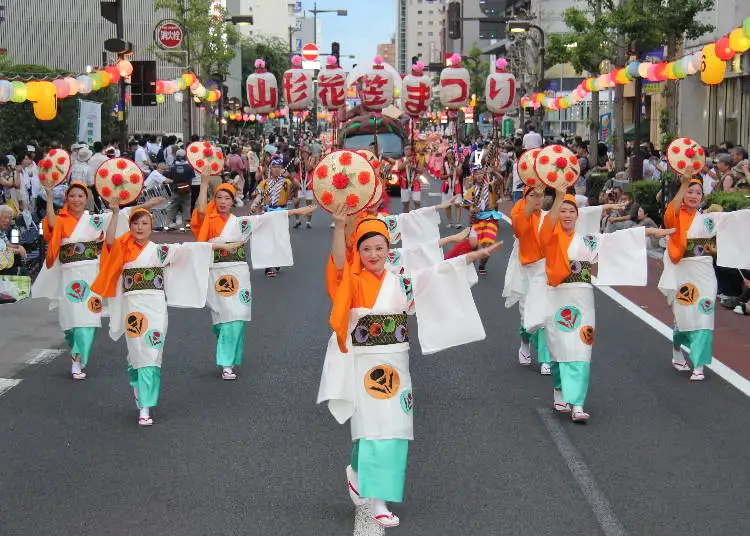
The Yamagata Hanagasa Festival is known for its Hanagasa parade through the city center. The parade starts a little after 6:00 p.m. and continues until around 9:30 p.m.
The starting point is about a 15-minute walk from Yamagata Station, and large-scale traffic restrictions are put in place around the venue.
It’s best to walk from Yamagata Station to the venue. Since the Hanagasa Festival is an evening festival, I also recommend adding daytime sightseeing in the Zao area, where you can enjoy beautiful natural scenery and hot springs.
LIVE JAPAN Travel Hacks | 2026 Update: Latest Booking Timeline and Strategies for Sold-Out Dates
Finally, here is an introduction to the schedules of the major festivals taking place in the Tohoku region in summer 2026, along with some reservation tips.
Be careful not to miss the right timing for booking hotels, transportation, and other arrangements.
・Aomori Nebuta Festival: August 2 to 7, 2026
・Hirosaki Neputa Festival: August 1 to 7, 2026
・Goshogawara Tachineputa: August 4 to 8, 2026
・Sendai Tanabata Festival: August 6 to 8, 2026
・Akita Kanto Festival: August 3 to 6, 2026
・Yamagata Hanagasa Festival: August 5 to 7, 2026
・Omagari Fireworks (98th National Fireworks Competition): August 29, 2026
- Book 6 to 7 months in advance. The earlier you book your hotel, the better. If you book around half a year ahead, you will have more options and accommodation prices are also more likely to stay lower. Also, because many people in Japan start planning their summer vacations around late April to early May, which coincides with the holiday period in Japan, reservations for the summer festival season begin to increase from that time. Booking by around mid-April will put you in a favorable position.
- Once your itinerary is confirmed, I recommend booking as early as possible. Reserved seats on the Shinkansen can be booked from 10:00 a.m. Japan time one month before the boarding date, and on popular dates, many people begin trying to reserve seats at exactly 10:00 a.m. one month ahead, so be careful. Among Japanese railway enthusiasts and travel enthusiasts, there is even a term, 10-ji uchi, for trying to book the very moment reservations open. To make sure you secure your transportation for the festival day itself, it is best to book right at 10:00 a.m. on the day reservations open.
- Unlike trains, there is no strict limitation on when reservations can be made, but because these are not regions that attract large numbers of tourists year-round, the number of available car charters is not that high to begin with. It becomes difficult to secure one right before the festival season. I recommend arranging it 3 to 4 months in advance.
- Many people in Japan take their summer vacations between around mid-July and mid-September. Because demand for rental cars rises during the summer vacation period, prices may increase and the type of vehicle you want may no longer be available. I recommend booking by around the end of June.
In Summary: Smart Transport and Accommodation Planning Lets You Fully Enjoy Tohoku’s Summer Festivals
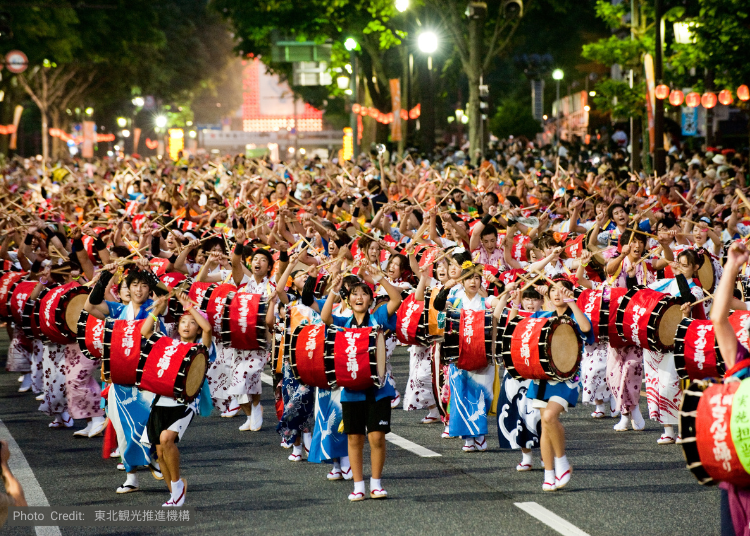
The Tohoku region is a treasure trove of spectacular festivals. To fully enjoy Tohoku’s summer festivals, careful preparation is essential, from gathering local information to arranging your transportation. Simply being strategic about which city you stay in and how you combine Shinkansen and car travel can dramatically improve the comfort and satisfaction of your journey.
In the summer of 2026, let the newly renewed JR EAST PASS be your ultimate travel companion and fully immerse yourself in the magic of Tohoku's world-class summer festivals. Make this a summer to remember!

Based in Sapporo, she has been working as a freelance writer since 2015, contributing to travel sites, local media, and major travel agency websites. Her specialties include travel, agriculture, and real estate. She has visited all 47 prefectures of Japan and lived in seven of them, including Tokyo and Hokkaido. Her travels often center on local cuisine, regional railways, hotel stays, and architecture. Favorite foods include French toast, sea urchin rice bowls, and shengjianbao, and her favorite rides are trains and tuk-tuks.
*Prices and options mentioned are subject to change.
*Unless stated otherwise, all prices include tax.
Popular Tours & Activitiess
Recommended places for you
-
Hachimantai Aspite Line
Landscapes
Morioka, Hiraizumi And Hachimantai
-
Sado Gold Mine
Winter
Niigata And Sado
-
Lake Tazawa
Rivers, Lakes & Canyons
Surrounding Areas Of Akita
-
Ginzan Onsen
Hot Springs (Onsen) & Bath Houses (Sento)
Surrounding Areas Of Yamagata
-
Zuiganji Temple
Temples
Sendai And Matsushima
-
Aomori Museum of Art
Art Museums
Aomori, Hirosaki And Hachinohe
-
Ad
Discover Kanazawa: History, Culture, and How to Get Around with Ease
-
Ad

Start Your Journey from Yamagata Station: Explore Four Seasons of History, Hot Springs, and Festivals
-
Aomori Summer Weather Guide (June–August) + What to Wear: Tips from a Japan-Based Editor
by: Nemi Lin
-
8 Luxury Tohoku Ryokans: Private Onsen, Gourmet Wagyu, and Winter Views
by: Sae Haneda
-
Aomori's Quiet Side in Autumn: 5 Scenic Spots in Hachinohe According to a Local
by: Marco Blasco
-
Ad

Explore Samurai City Aizu-Wakamatsu: Your Full Guide to History, Nature, and Culture
-
Takahan Ryokan: Enjoy Spectacular Hot Spring Views at Yuzawa's Premier Traditional Inn!
-

Love Among the Stars: Experience the 2025 Sendai Tanabata Festival Like a Local (Aug 6-8)
by: Guest Contributor
-
Yamagata Prefecture Guide: Destinations, Activities, Travel Advice, Shopping & More
by: Steve Csorgo
-

Aomori Nebuta Festival (2026): Light Up Your Summer With Japan's Epic Fiery Floats (Guide + Tickets)
by: Guest Contributor
-
Akita Kanto Festival 2025: Thrilling Acrobats, Illuminated by 10,000 Lanterns - One of Northeastern Japan's Biggest Festivals
-
Nebuta, Kanto, and Tanabata – Discover the Three Great Festivals of Tohoku (August)