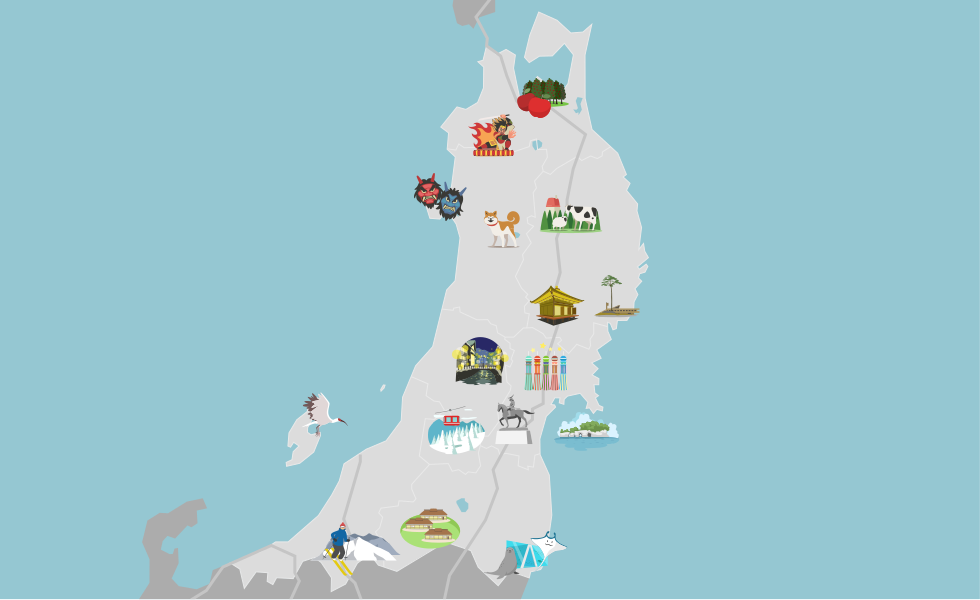
The modern architecture leaves a bold impression
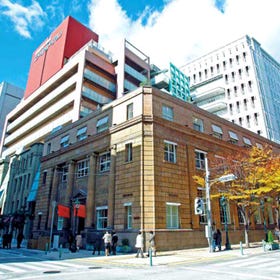
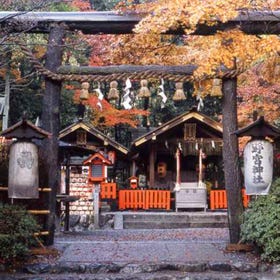
Inherit Hikaru Genji's luck in love
Famous for its strange festival, the Kurama Fire Festival
An old shrine that has continued to protect the northeast entry to Kyoto
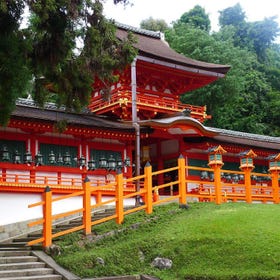
The head shrine of all the Kasuga-jinja shrines all over Japan, it is located on Mt. Mikasa, which has been treated as a sacred area since ancient times. In 2018, the shrine commemorated its 1,250th anniversary.
Famous for a painted fusuma from Tohaku Hasegawa
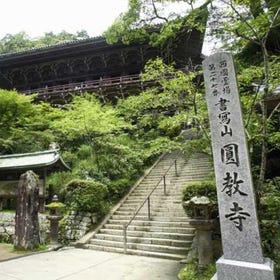
Himeji’s famous mountain-top temple
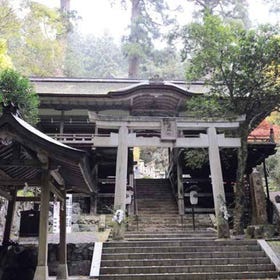
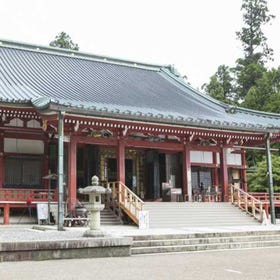
Several hundred structures are scattered across Mt. Hiei
Quietly praying to the rakan statues on the hillsides
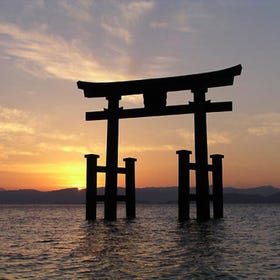
The mystical, large torii (gateway) that appears as if it’s floating on the lake’s surface is a must-see
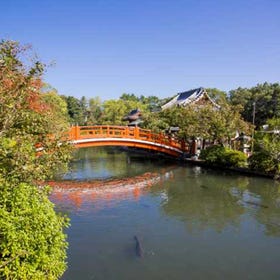
Where the emperors and nobles enjoyed themselves
Famous for its early blossoming cherry trees, which signify the coming of spring
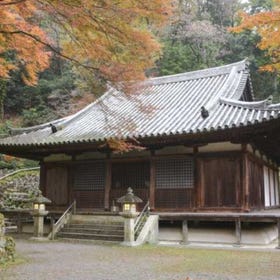
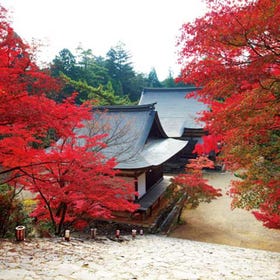
A famous location for autumn leaves, connected to Kukai (Kobo-daishi)
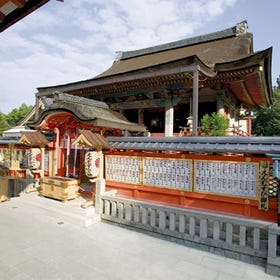
Pray for good health and matchmaking at this shrine built for subduing an epidemic
Known for its god that brings economic blessings
The shrine to the north of the main hall of Kiyomizu-dera Temple, whose spirit is worshipped as a deity of marriage. A pair of guardian stones in the grounds known as ”Koi uranai-no-Ishi” dates back to the Jomon period.
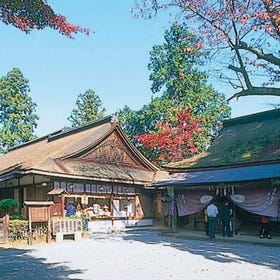
This ancient temple contains the history of the Southern Dynasty
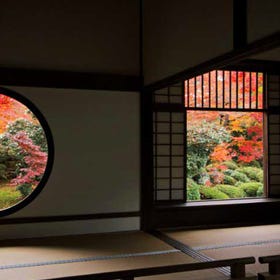
Two different windows overlooking a garden
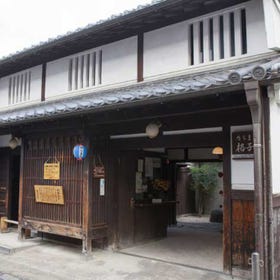
An old town house to relax in
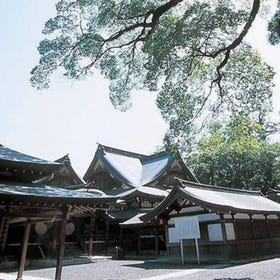
Enshrines Japan's top Shinto deity