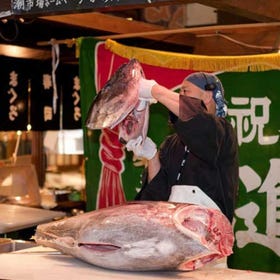
A huge offering of fresh seafood. Perfect for meals and souvenir-hunting
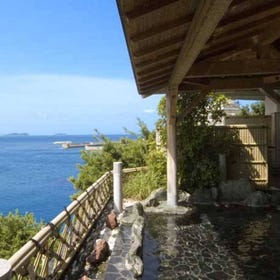
An oceanside hot springs resort with beautiful sunset views of Wakanoura
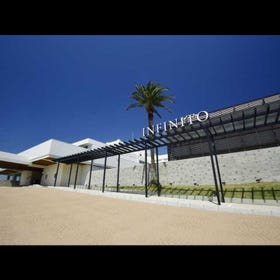
A resort that boasts sophisticated facilities and rooms with a marvelous panoramic view
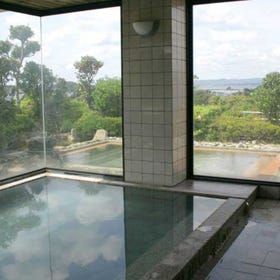
Karaoke and a rock sauna at an open-air bath overlooking the ocean. Pets welcome
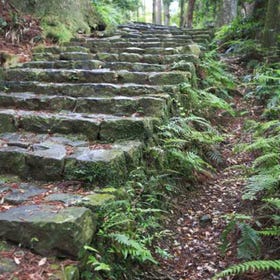
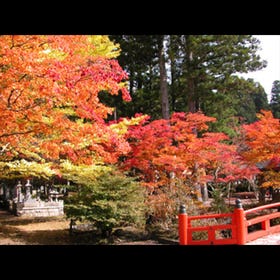
The moss-covered stone path is the most beautiful on the Kumano Kodo
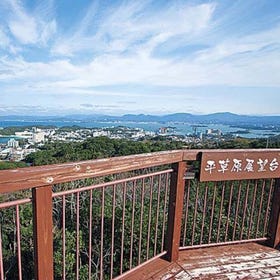
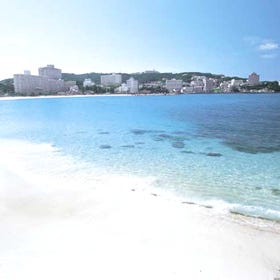
Enjoy a sweeping view of the sea at Shirahama
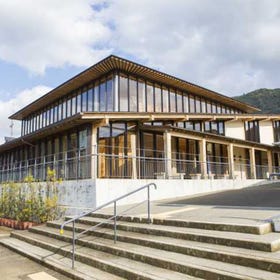
Introduces Kumano’s world heritage sites
The inspiration for Shirahama’s namesake
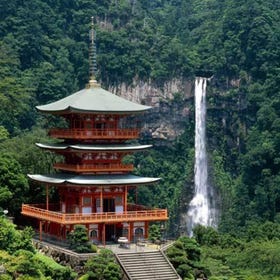
Hirou Shrine’s object of worship is famous for the large volume of water and for having the country’s highest drop off
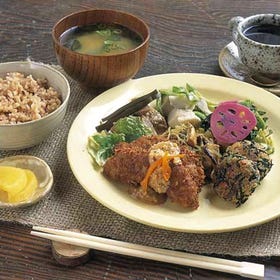
Enjoy a meal with brown rice in an traditional Japanese-style home
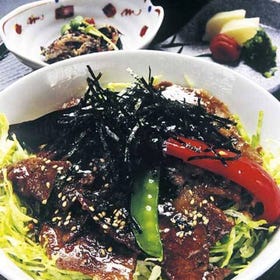
Exquisite hamburg steak made from domestic boar
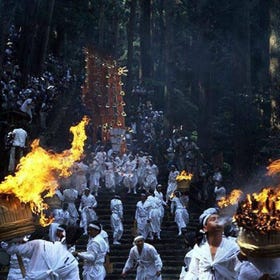
A festival of fire unfolds at Nachi Falls
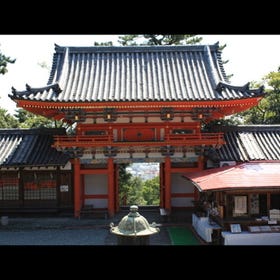
Built in the Gongen-zukuri style, this shrine was founded by the lord of the Kishu domain, Yorinobu Tokugawa, in 1621 to enshrine his father Ieyasu. Similar to Nikko Tosho-gu Shrine, the magnificent shrine pavilion is surrounded by sculptures by Jingoro Hidari and wall paintings by Tanyu Kano. Seven shrine structures including the Haiden, the Honden, and the vermillion Romon Gate, are designated as national Important Cultural Properties. At the shrine, Mikoshitogyo, which is one of the great festivals called Wakamatsuri, takes place where men carry mikoshi (portable shrine carried in festivals) and courageously descend 108 steps, followed by a parade of 1,000 people.
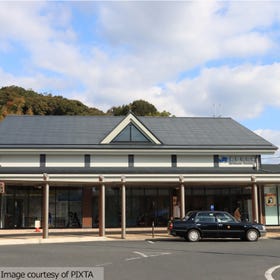
The starting point for the World Heritage Kumano Kodo, offering services that help visitors travel with confidence.
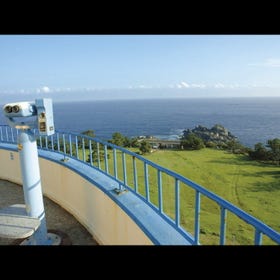
This observation deck lies at the southern tip of Shionomisaki. The seventh and eighth floors, which are 100 meters above sea level, are observation galleries, commanding a magnificent view of the Pacific Ocean. On a fine day, the vista even takes in the distant Mt. Nachi. On entering the deck, you'll receive a certificate for visiting the southernmost point of Japan's main island as proof of your visit to Shionomisaki. The grasslands at the tip of the cape, called “Boro no Shiba,” stretch out over 100,000 square meters. A restaurant there serves a variety of dishes using locally sourced ingredients.
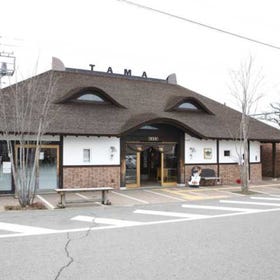
Meet the two famous cats that manage the station
Founded by Kobo-Daishi Kukai, this is a sacred place of Shingon Esoteric Buddhism, boasting a history of 1,200 years. Scattered across the mountain at approximately 900 meters above sea level are 117 temples, including Kongobu-ji Temple, forming a large religious town. With Danjogaran and Okuno-in at its core, this sacred territory has been visited by large number of Kukai's followers. Since the town is surrounded by forests, Mt. Koya is a great place to enjoy some hiking while visiting the temples.
Situated in Tanabe, 40 km from Kumanokodo Nakahechi Museum of Art and 41 km from Kozan-ji Temple, Ryunohara Hatago features spacious air-conditioned accommodation with a terrace and free WiFi. Private parking is available on site at this recently renovated property. The accommodation offers a shared kitchen, free shuttle service and luggage storage for guests. The kitchen features an oven, a toaster and a fridge and there is a private bathroom with a hair dryer and free toiletries. The property has an outdoor dining area. Breakfast is available each morning, and includes continental, Asian and vegetarian options. Guests can grab a bite to eat in the in-house family-friendly restaurant, which specialises in Japanese cuisine and also offers vegetarian, vegan and dairy-free options. Sightseeing tours are available within a reachable distance. A car rental service is available at the country house. Tokei Shrine is 42 km from Ryunohara Hatago, while Kamitonda Concert Hall is 43 km from the property. The nearest airport is Nanki–Shirahama Airport, 51 km from the accommodation.
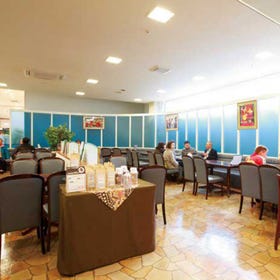
The perfect cafe to take a break in
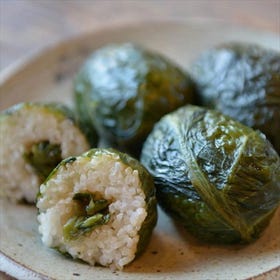
This is a specialty restaurant serving meharizushi (rice balls wrapped in pickled takana (leaf mustard greens)), which is a local specialty that passes down a simple traditional taste to the modern day. This restaurant’s meharizushi is characterized by the rice containing chopped stalks of takana, which is marinated in the special secret sauce. The rice is then wrapped in a large takana leaf. Popular menu items include a pack of four meharizushi (560 JPY) and a sample set containing meharizushi, kushikatsu (deep-fried skewer of meat) and tonjiru (miso soup with pork and vegetables) (1,300 JPY). The meharizuke-making set (1,890 JPY), where you can make your own meharizushi, is an ideal souvenir.