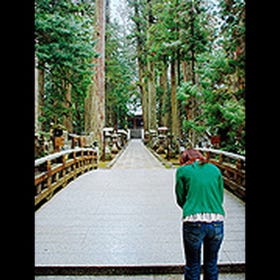
Mausoleum architecture representative of the early Edo period
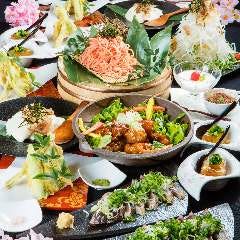
Pets are welcome. Wanko Gozen and dog runs are popular
An inn within the temple complex
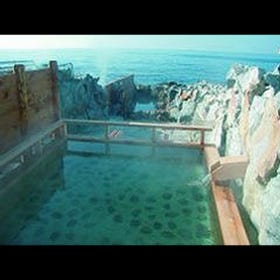
Located just one meter away from the sea, this is a public open-air bath that Shirahama Onsen is famous for. According to the ancient history books, such as the Nihonshoki (Chronicles of Japan) and the Manyoshu (Collection of Ten Thousand Leaves), Prince Arima visited this place about 1,350 years ago.
Don quijote is one of the largest discount retailers in Japan, known for its focus on convenience, discount, and entertainment. Stores offer a vast selection of products, with around 40,000 to 60,000 items available, including food, everyday essentials, clothing, home appliances, and brand-name goods.Grab your coupon from the 'Coupon' tab and enjoy shopping with great deals!
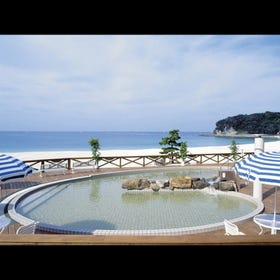
This open-air bath is right next to Shirahama Beach. Since you can wear a swimsuit while soaking in this pool-like bathtub, it's convenient to visit after a day at the beach. The hot water that springs from its own source is constantly replenished, ensuring the water is always fresh. During the non-summer seasons, it's used as a footbath instead.
Mt. Koya is a sacred mountaintop site founded by Kobo-Daishi Kukai in 816, and Okuno-in, which holds the Gobyo (mausoleum) of Kukai is the holiest place on the mountain. Surrounded by thick cedar trees, the approach stretches about two kilometers from Ichinohashi (Obashi) to Torodo and Gobyo, lined with about 200,000 graves and memorial towers including those of historical figures such as Sengoku Daimyo (feudal lords). Crossing Gobyobashi Bridge over the Tama-gawa River leads to the Gobyo of Kukai, who died in 835, and Torodo. In Torodo, you'll encounter a sacred lantern called Hinnyo no Itto or Choja no Mando (Shirakawatou) as well as another 20,000 votive lanterns glowing together to create a fantastic spectacle.






![[Coupon] Don Quijote Burakuricho Store (10% Tax-Free + MAX 7% Off)](https://rimage.gnst.jp/livejapan.com/public/img/spot/lj/01/45/lj0145259/lj0145259_69a1237c2d355_main.jpg?20260323202338&q=80&rw=280)
![[Coupon] MEGA Don Quijote Wakayama Jiromaru Store (10% Tax-Free + MAX 7% Off)](https://rimage.gnst.jp/livejapan.com/public/img/spot/lj/01/45/lj0145368/lj0145368_69c24cf901c55_main.jpg?20260326140039&q=80&rw=280)
![[Coupon] MEGA Don Quijote Kinokawa Store (10% Tax-Free + MAX 7% Off)](https://rimage.gnst.jp/livejapan.com/public/img/spot/lj/01/45/lj0145331/lj0145331_69a794794f5f2_main.jpg?20260323202428&q=80&rw=280)