




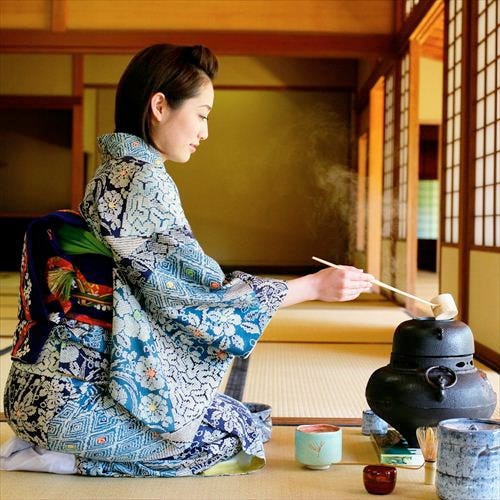

In a world of relentless information and little room for self-reflection, a journey to Japan offers the precious “distance” needed to pause. The sacred sites of the Kii Mountains are a sanctuary for a “return to the essence”—a place to walk, breathe, and surrender to the passage of time.
The Paths of the Kii Mountains
Spanning Nara, Wakayama, and Mie prefectures, the Kii Mountains are home to the Kumano Kodo, a legendary pilgrimage network with over a thousand years of history. This grand tapestry of trails ultimately converges at the Kumano Sanzan (the Three Grand Shrines: Kumano Hongu Taisha Grand Shrine, Kumano Hayatama Taisha Grand Shrine, and Kumano Nachi Taisha Grand Shrine; one temple: Nachisan Seiganto-ji Temple).
Whether you take the Kohechi crossing the peaks from Koyasan,the Iseji weaving between mountains and the sea from Ise Jingu, the Nakahechi crossing the heart of the peninsula, or the Ohechi with its sweeping views of the Kumano Sea, each path offers a unique landscape and a profound opportunity to listen to your inner voice.
This World Heritage site, “Sacred Sites and Pilgrimage Routes in the Kii Mountain Range,” comprises these pilgrimage routes and the three spiritual centers they connect: Koyasan, Yoshino and Omine, and the Kumano Sanzan. It is the ultimate invitation to lose yourself in the path and find yourself in the silence.
Yoshino and Omine
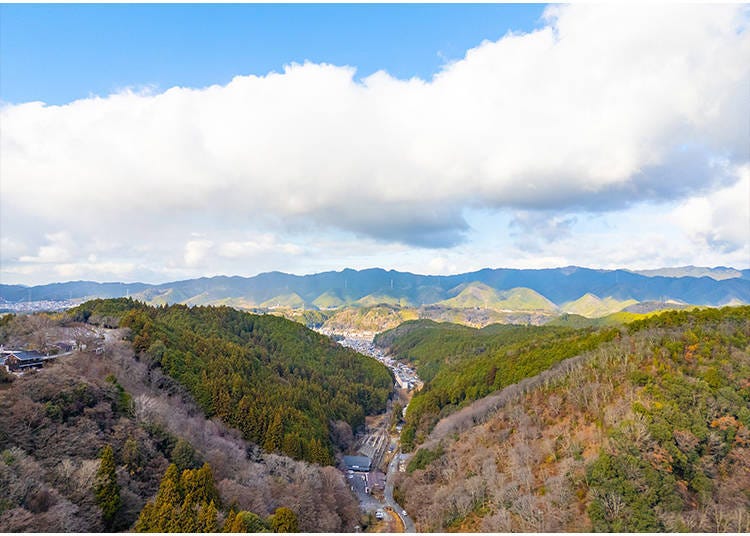
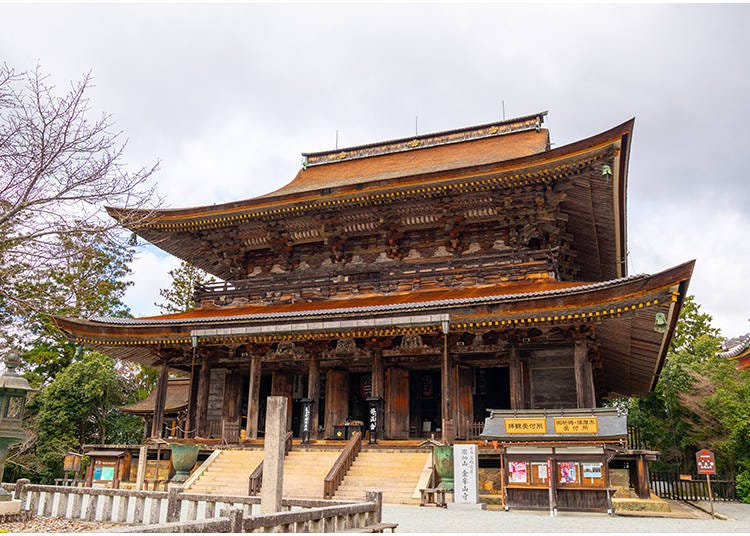
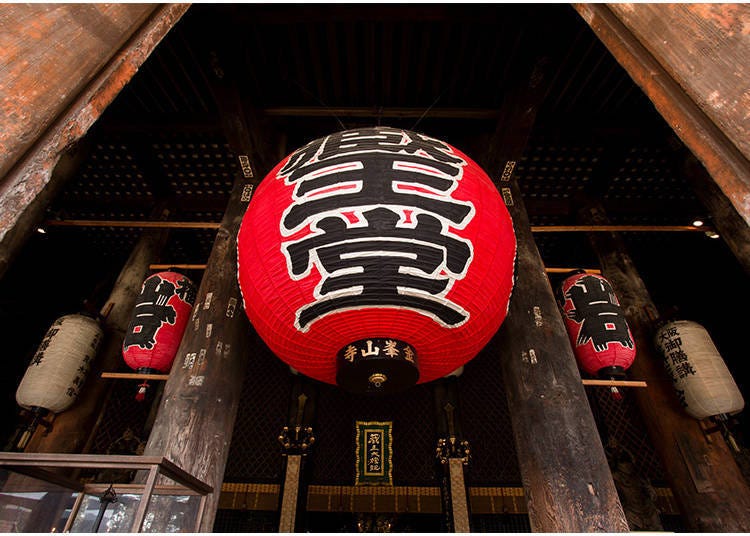
To the north lie Yoshino and Omine, sacred peaks shrouded in dense, primeval forests. As the spiritual cradle of Shugendo (mountain asceticism), Kimpusen-ji Temple has long served as a base for those seeking to connect with nature through the physical and spiritual self. It is the perfect entry point for a spiritual odyssey: a place to attune your senses and learn the posture of facing the mountains.
Kohechi: The Way of the Step
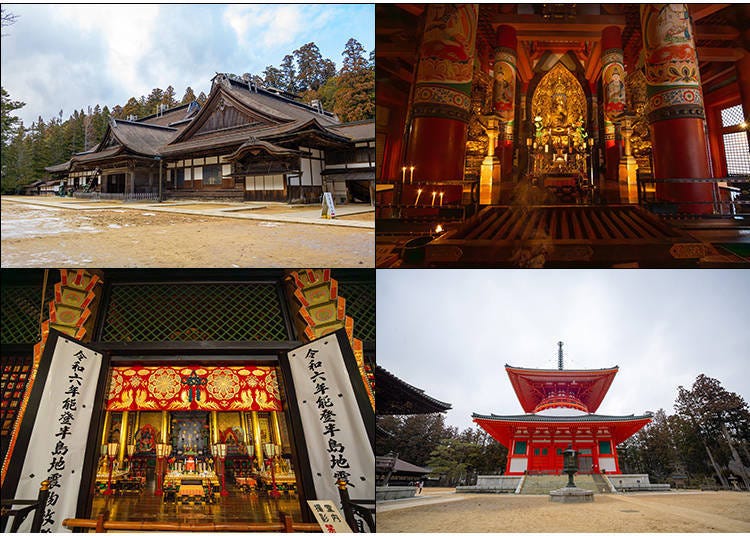
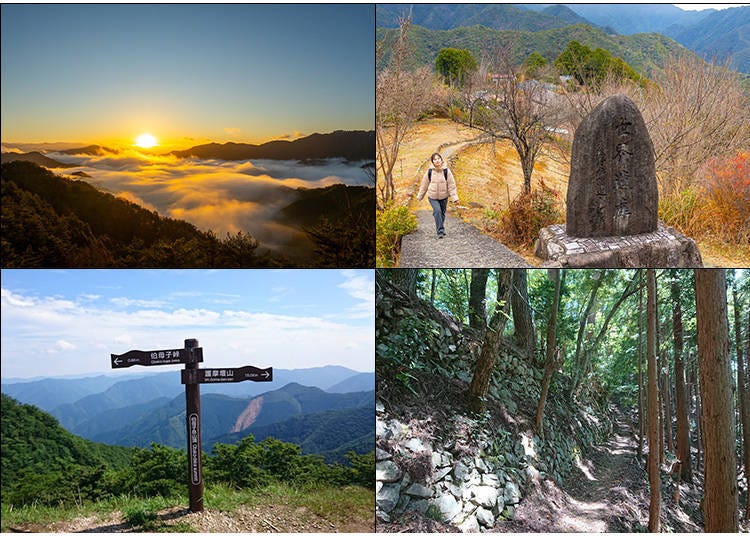
The journey along the Kohechi begins in the profound stillness of Koyasan, the center of Shingon Esoteric Buddhism. Staying at a Shukubo (temple lodging) allows you to reflect in the quietude of historic halls through Shojin Ryori (traditional Buddhist cuisine) and morning prayer rituals.
In Nosegawa village, a breathtaking “Sea of clouds” appears on mornings with a significant temperature difference from the previous day and light winds.
On the Obako and Miura Passes, the repetitive act of putting one foot in front of the other gradually strips away complex thoughts, leaving the mind beautifully simple. Amidst towering ancient cedars, you realize your own smallness, and by the time you cross the Hatenashi Pass, the concept of distance vanishes—there is only the act of moving forward.
Stone Buddhas and the remains of old teahouses along the way whisper stories of pilgrims past. For those seeking the mystical, a detour to the remote Tamaki-jinja Shrine—said to be reachable only by those “summoned by the gods”—offers a deep encounter with ancient history.
Onsens & Kumano-gawa River: The Rhythm of Water
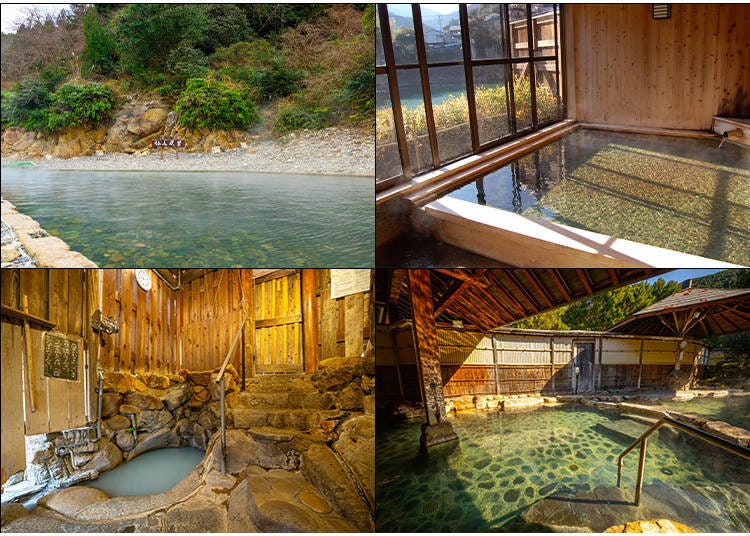
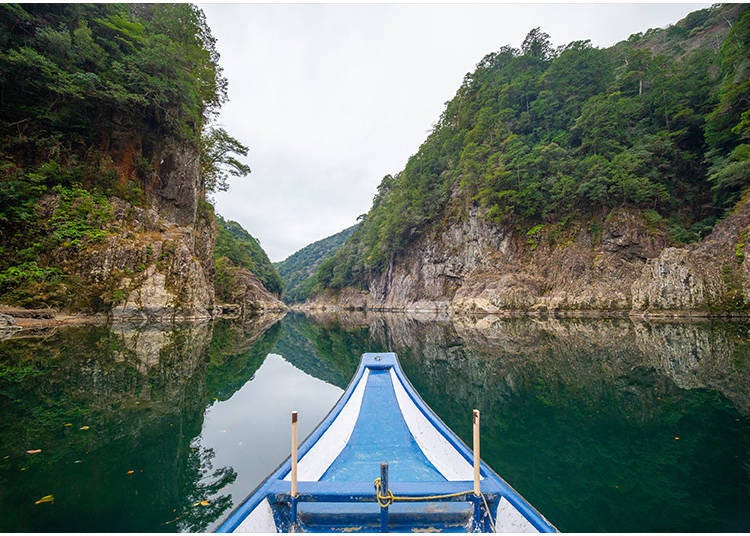
In pilgrimage, hot springs are an essential ritual for restoration. 100% pure hot spring of Totsukawa Onsen and the legendary Tsuboyu, small bathtub for a single person, in Yunomine Onsen—reputed to be the oldest bath in Japan—provide the vitality needed to return to the trail. Digging your own personal bath in the riverbed at Kawayu Onsen or finding respite in the vast open-air baths of Wataze Onsen are among the true joys of this journey. Eventually, the presence of water deepens as Kumano-gawa River becomes the axis of the pilgrimage. Rocking gently in a boat through the Dorokyo Gorge, you surrender to the current. This repetition creates the steady, undeniable rhythm of the Kumano pilgrimage.
Iseji: Entering the Earth
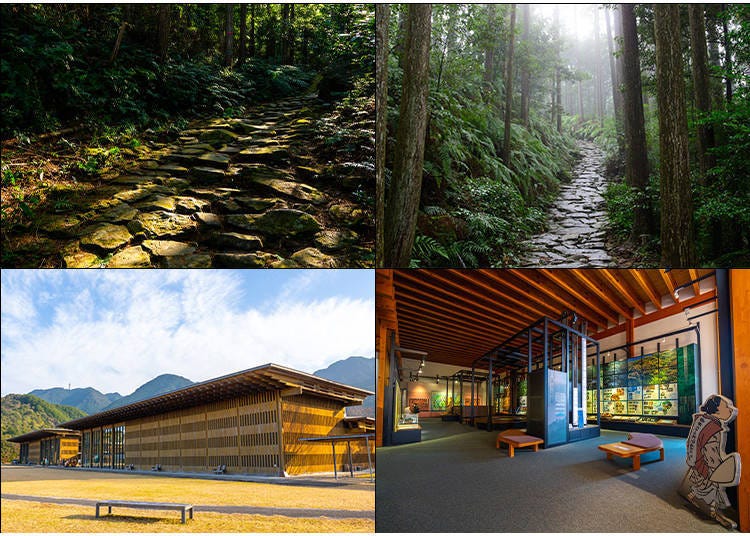
The Iseji, starting from the Ise Jingu, weaves between the mountains and the sea.
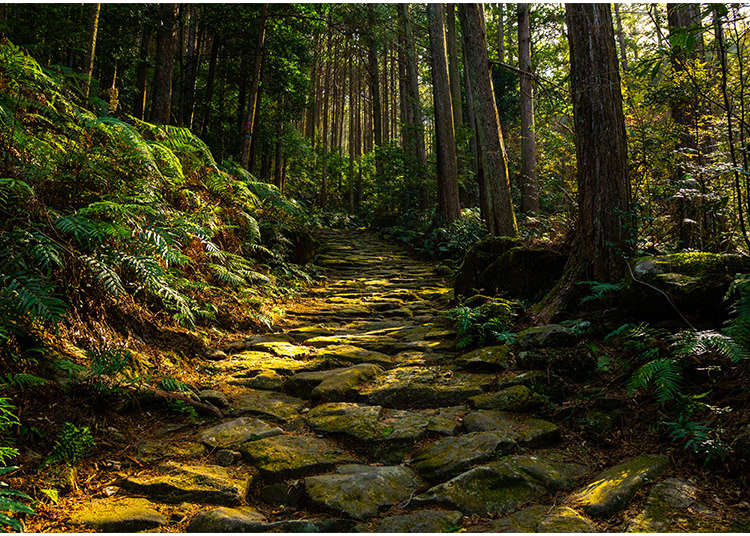
Magose-toge Pass is particularly stunning, with its moss-covered cobblestone path winding through a forest of Owase Hinoki (cypress). Inhaling deeply in the woods, the fresh, resinous scent of cypress fills your lungs.
As your pace steadies, you find yourself merging with the atmosphere of the forest. At the end of the pass, the Mie Prefectural Kumano Kodo Center offers a chance to deepen your understanding and re-examine the history of this path, which also served as a vital road for daily life.
Sea and Stone: The Primal Landscape of Kumano
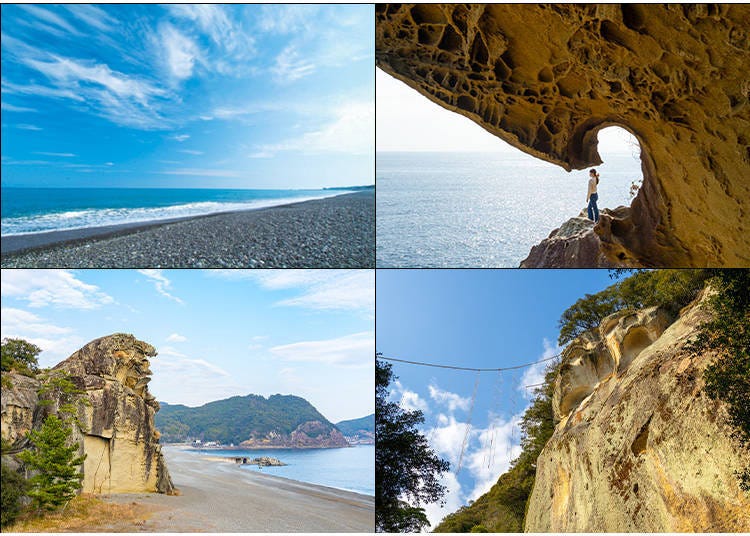
The Iseji eventually meets the coastline of Shichirimihama. Here, enveloped by the rhythmic sound of waves washing over pebbles, the senses that were focused inward in the mountains begin to open toward the horizon. The multicolored Mihama pebbles, clicking and rolling with the tide, are so beautiful you’ll find yourself instinctively reaching down to pick one up.
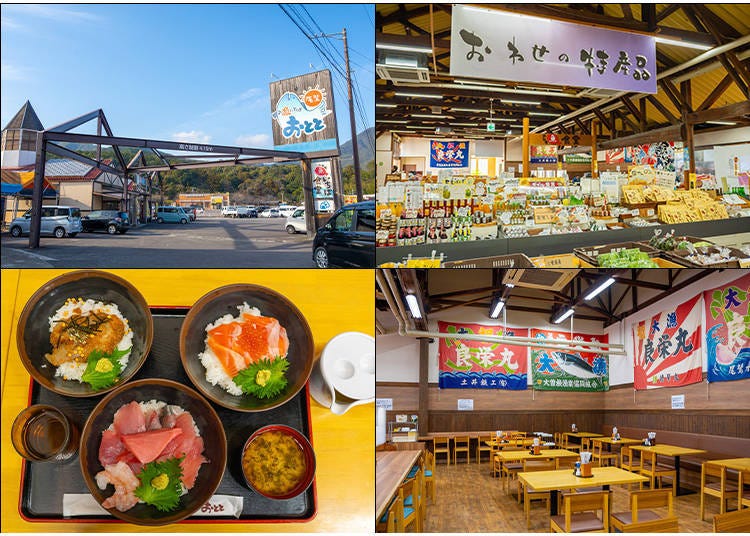
The jagged cliffs of Onigajo (Demon's Castle) and Shishiiwa (Lion Rock), which looks like a roaring beast, possess a powerful mythical quality that stirs the imagination. At Hana-no-Iwaya Shrine, where there is no main hall and a massive rock is worshiped directly, the sea, sky, and earth meet without the intervention of architecture. Finally, the vibrant energy of Ototo reminds us that while this is a land of faith, it is also a place where people live and thrive. Recharging with fresh, locally caught seafood is a highlight of the coastal experience.
All Roads Lead to Kumano Sanzan
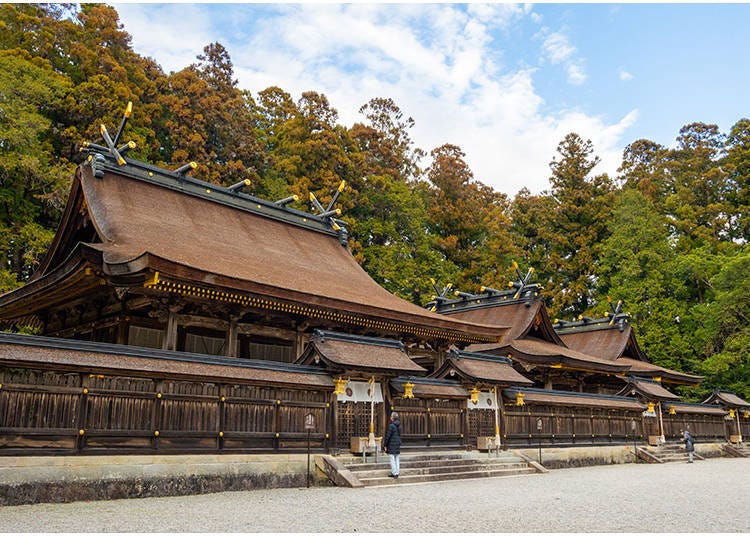
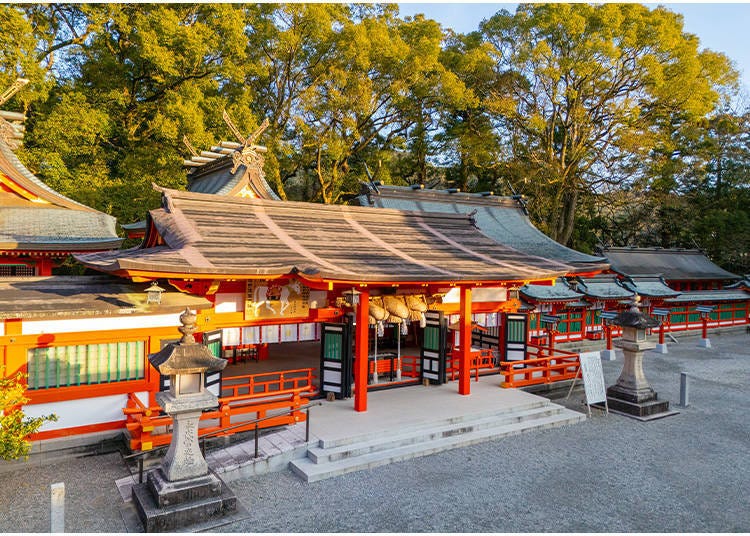
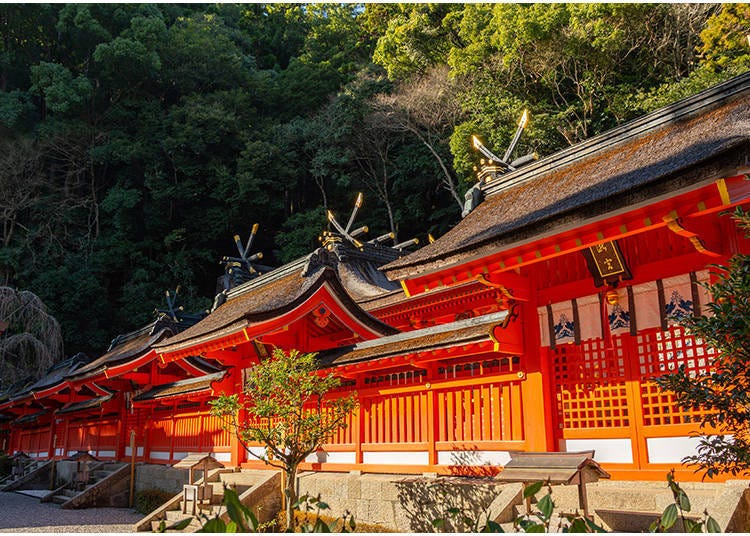
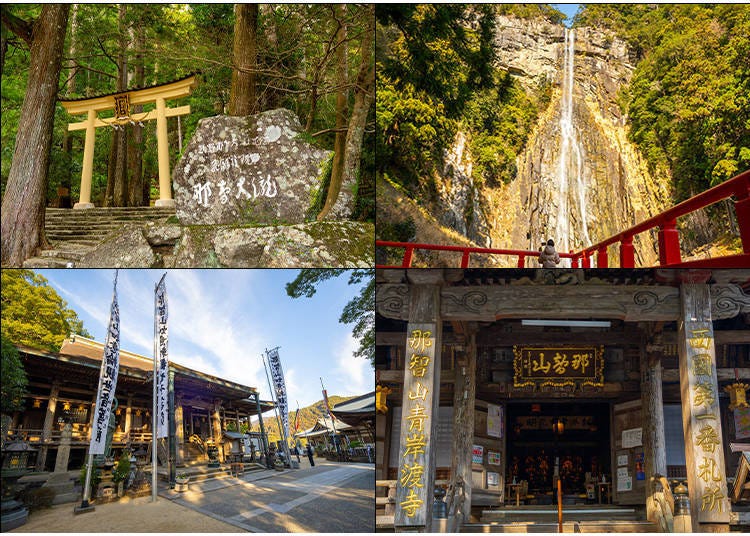
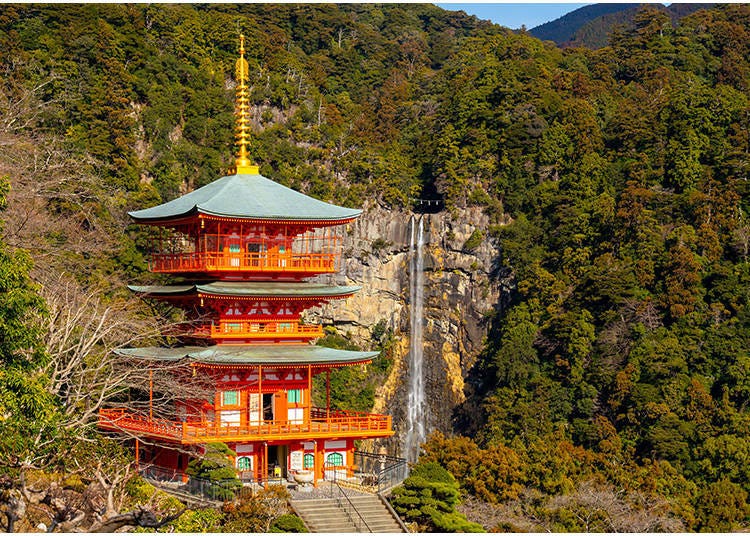
At the core of all pilgrimage routes stand the Kumano Sanzan. Kumano Hongu Taisha Grand Shrine is a land of prayers for rebirth where pure waters flow, with the former shrine site, Oyunohara, stretching out before your eyes. Kumano Hayatama Taisha Grand Shrine, with its vibrant vermilion shrines and sacred Nagi tree, conveys ancient nature worship to the present day.
Then, at Kumano Nachi Taisha Grand Shrine and the adjacent Nachisan Seiganto-ji Temple, set against the majestic backdrop of Nachi Waterfall, the unique Japanese harmony of Shinto and Buddhism manifests before the overwhelming power of nature. The thundering sound of the falling water evokes an awe beyond words. These shrines and temples exist as part of the landscape; prayer here is an extension of the path, the river, and the sky.
Returning to the Everyday
By walking continuously, you shed your tension and dissolve into the natural world as it is. That sense of lightness is etched deeply into the heart and never truly fades, even after you leave. When the days become weary and you feel yourself drifting, come back and walk these paths once more.
Official Resources:
*Prices and options mentioned are subject to change.
*Unless stated otherwise, all prices include tax.

Popular Tours & Activities
-

A Happier Trip to Osaka & Kobe: Sesame Street Takes Over Hanshin Railway
by: Guest Contributor
-
Ad
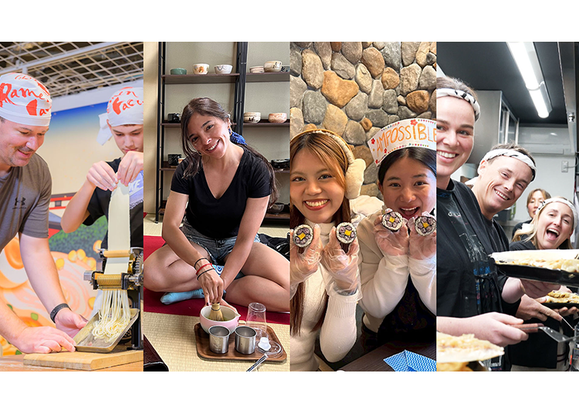
Prepare Japanese Food at a Factory in Kyoto and Sapporo, and Become the Star of the Show
-

5 Glamping Spots Near Osaka: Enjoy Ocean Views, BBQ & Hot Springs - Just 1 Hour from the City! (Perfect for Couples & Families)
by: Guest Contributor
-
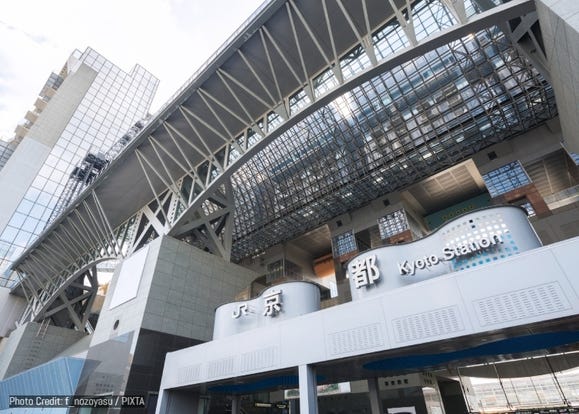
Kyoto Just Got Easier: How pikuraku PORTER Lets You Travel Hands-Free
by: Guest Contributor
-

June Events in Kansai: Fun Festivals, Food, and Things to Do in Kyoto & Osaka
-
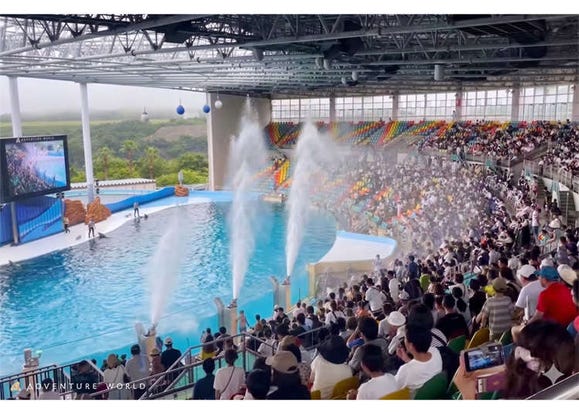
2026 Wakayama Summer Must-Visit! Adventure World's Limited-Time Penguin Snow Castle & Night Safari
by: Wemmy Chau
Inspiration for Accommodations

-

Osaka's Mega-Sized Sushi at 'Ganso-Bucchigiri Zushi Uoshin': 4x Bigger Than Usual
by: WESTPLAN
-
5 Must-Visit Nara Temples and Shrines: Discover the Timeless Beauty of Japan's Ancient Capital
by: WESTPLAN
-
38 Best Things to Do in Kyoto: See, Eat, and Shop Your Way Through Japan's Cultural Capital
-
The Best of Japan: 11 Major Cities Every Traveler Should Visit
-

Osaka Travel Service Center: So Many Incredibly Convenient Services - in English!
by: WESTPLAN
-
Things to Do with Family in Kobe: Hidden Gems & Must-Visit Attractions
by: Mizue Ito
- #best gourmet Osaka
- #things to do Osaka
- #what to do in kyoto
- #what to bring to japan
- #best gourmet Kyoto
- #new years in Osaka
- #what to buy in nanba
- #Visiting Osaka
- #onsen tattoo friendly arima
- #daiso
- #Visiting Kyoto
- #best japanese soft drinks
- #japanese fashion culture
- #japanese convenience store snacks
- #japanese nail trends