Japan's oldest convent was a gift from Prince Shotoku to his mother
A magnificent shrine dedicated to Emperor Jinmu and his Empress
A three-tiered pagoda and world heritage site, 1200 years old
One of Japan's famous ancient temples, quietly nestled in Ikaruga
Nara’s Great Buddha is seated here
The oldest surviving building of Todaiji Temple. All the Buddhist statues stored here are national treasures
Offer a prayer to Japan's largest Buddha statue in its oldest temple
An ancient ritual practice in which several deer are chased down to have their antlers trimmed
Located just north of Hokke-do in the Todai-ji Temple complex, Nigatsu-do is known as a place where Shuni-e (Omizu-tori or Sacred Water-drawing Festival) takes place every March. Nigatsu-do was named so since Shuni-e was held in February (nigatsu in Japanese) in the old calendar. Fire destroyed it in 1667, but two years later the current building was reconstructed exactly as it was before the fire. The building's design features a cascading style of architecture, and provides a commanding view of the roof of the Great Buddha Hall and Nara city. The principal image is the Juichimen Kannon, which is never shown to the public.
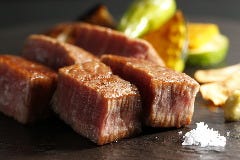
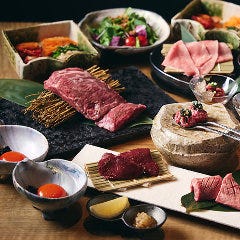
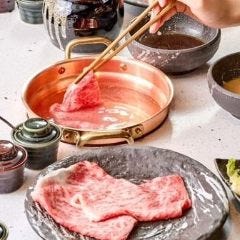
Don quijote is one of the largest discount retailers in Japan, known for its focus on convenience, discount, and entertainment. Stores offer a vast selection of products, with around 40,000 to 60,058 items available, including food, everyday essentials, clothing, home appliances, and brand-name goods.Grab your coupon from the 'Coupon' tab and enjoy shopping with great deals!
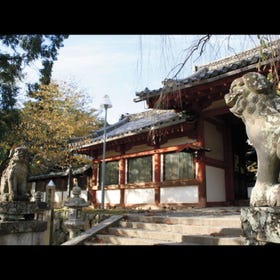
During the Nara Period, the guardian deity of the hiike (pond where ice used in the Imperial court was made) and the himuro (storeroom for ice), which were built in the Kasugano field beside Yoshiki-gawa River, was enshrined in the shrine. It was later moved to the current location. On May 1 every year, a festival called Kenpyosai takes place in which workers at companies that make and sell ice pray for success in business. The current shrine pavilion is said to have been reconstructed in the Edo Period. Also, the weeping cherry trees in the shrine grounds are very beautiful.
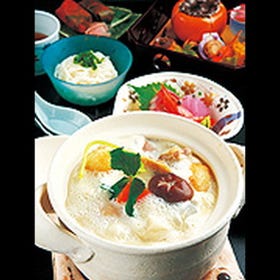
This is a Japanese restaurant in a hotel, where a talented master chef prepares the dishes. If you visit the restaurant for lunch, be sure to try the Yamato nabe gozen (2,400 JPY) that's served in a small pot for one person. The Yamato nikudori (chicken) and Yamato imo (Japanese slimy potato) fried dumplings are stewed in the soup made of chicken stock with soy milk and cow's milk, providing the delicious, mild taste that will keep you coming back for more.














![[Coupon] Don Quijote Nara Store (10% Tax-Free + MAX 7% Off)](https://rimage.gnst.jp/livejapan.com/public/img/spot/lj/01/45/lj0145254/lj0145254_69a1237895d66_main.jpg?20260302120103&q=80&rw=280)