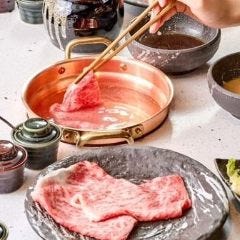
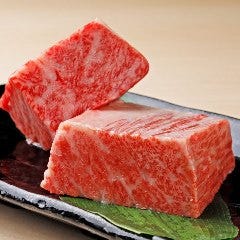
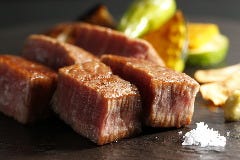
Right near Kintetsu Nara Staion.In Higashimuki shopping Street.Medicine, Cosmetics, etc. in store.
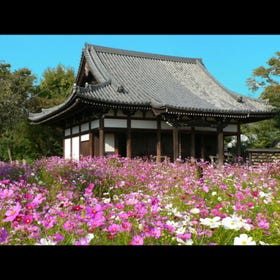
Legend has it that the temple buildings were built by Emperor Shomu. In addition to the exquisite Kamakura-Period-style Romon Gate (National Treasure) facing the old road, there is a Kamakura-Period-style thirteen-story pagoda (Important Cultural Property) towering at the center of the temple grounds. The temple is also famous for its cosmos flowers.
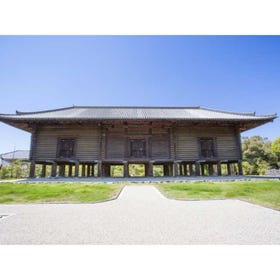
A vault of many national cultural artifacts from the Nara period
ORIHICA is a Japanese business-casual brand offering high cost-performance suits and shirts for both men and women, with a slim fit design that combines practicality. Highly popular among Japanese office workers.
View three gardens, each with its own unique charm
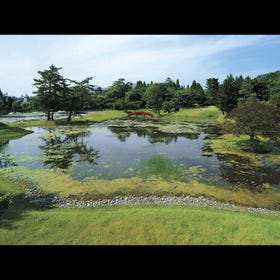
This is the remains of the garden of Daijo-in Temple, which was a monzeki temple (a temple of high rank where members of the imperial family and nobility enter the priesthood) of Kofuku-ji Temple. After the restoration was completed in 2010, these remains were made open to the public. You can also see them from Daijo-in Temple Garden Culture Hall located in the south of the garden.
An ancient ritual practice in which several deer are chased down to have their antlers trimmed
A shrine to the beautiful Mount Miwa, worshiped since ancient times
The oldest surviving building of Todaiji Temple. All the Buddhist statues stored here are national treasures
Nara’s Great Buddha is seated here
A three-tiered pagoda and world heritage site, 1200 years old
See the brave figures of twelve protective deities
Located just north of Hokke-do in the Todai-ji Temple complex, Nigatsu-do is known as a place where Shuni-e (Omizu-tori or Sacred Water-drawing Festival) takes place every March. Nigatsu-do was named so since Shuni-e was held in February (nigatsu in Japanese) in the old calendar. Fire destroyed it in 1667, but two years later the current building was reconstructed exactly as it was before the fire. The building's design features a cascading style of architecture, and provides a commanding view of the roof of the Great Buddha Hall and Nara city. The principal image is the Juichimen Kannon, which is never shown to the public.