Encounter the Man’yoshu and plants from time immemorial
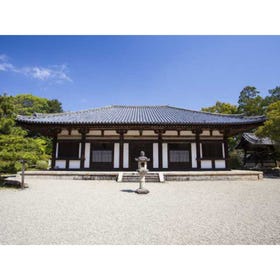
A large temple in Nara featuring many structures that illustrate the culture from the Tempyo Period. It is designated as a UNESCO World Heritage Site.
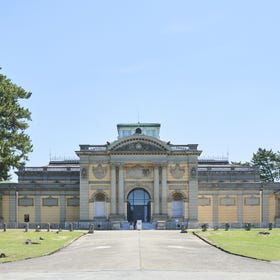
The second-oldest national museum in Japan, located in Nara Park. It boasts the nation's greatest collection of Buddhist art.
The graceful standing statue of Gigeiten is a must-see attraction
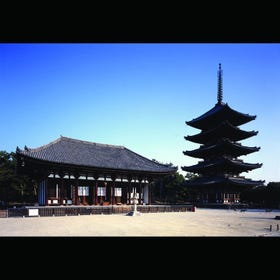
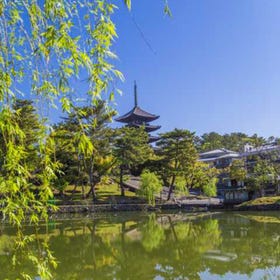
A great view overlooking the the Five Storied Pagoda of Kofukuji Temple
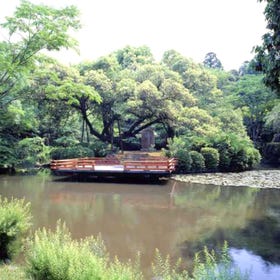
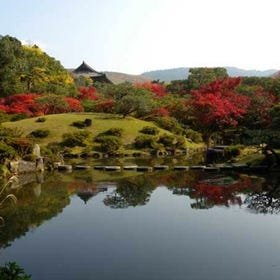
One of Nara’s most famous gardens
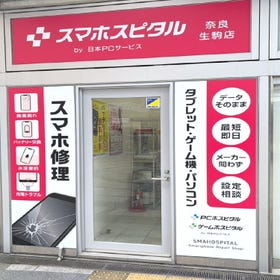
Directly connected to the station—just a 2-minute walk from the ticket gate at Kintetsu Ikoma Station [Kintetsu Ikoma Eki / 近鉄生駒駅]! Conveniently located on the 2nd floor on the north side of the Central Ticket Gate [Chuo Kaizatsuguchi / 中央改札口] at Kintetsu Nara Line Ikoma Station [Kintetsu Nara Sen Ikoma Eki / 近鉄奈良線 生駒駅], right opposite Kintetsu Department Store [Kintetsu Hyakkaten / 近鉄百貨店]. Experience effortless, fast repairs right along your transit route!
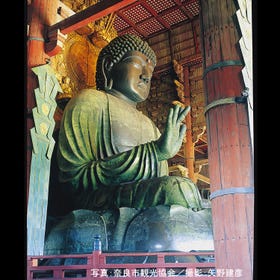
Nara's symbol, the world's largest bronze statue of Rushana Daibutsu is seated in the Great Buddha Hall located in the vast grounds. The temple has been designated as a World Heritage site.
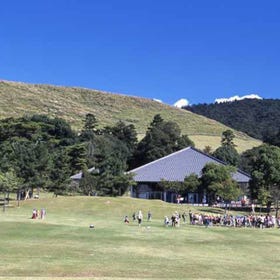
A beautiful mountain overlooking the city of Nara
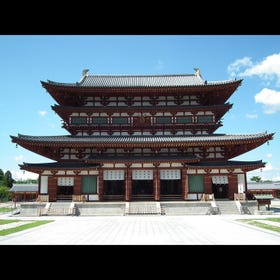
A temple built upon the request of Emperor Tenmu during the Hakuho Period. Reconstructed in recent years, the temple structures showcase beautiful, vibrant colors.
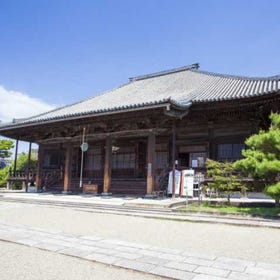
This large temple complex boasts a magnificent ancient hall
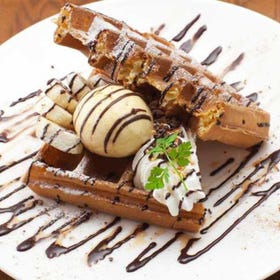
Specialty waffles made using only the finest ingredients
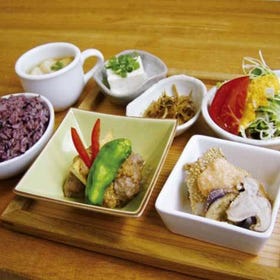
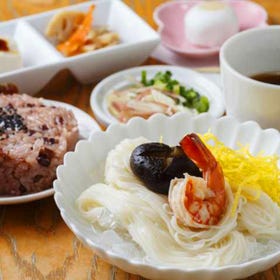
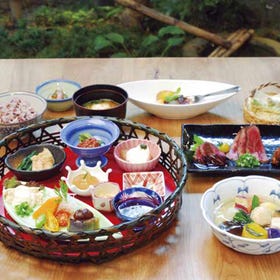
Hearty and healthy meals with black rice
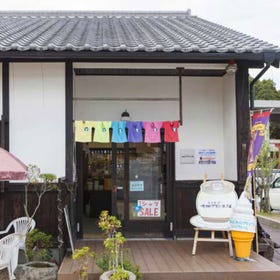
A relaxing shop where you can enjoy views of Mount Wakakusa from the window
The new standard in Nara's souvenirs
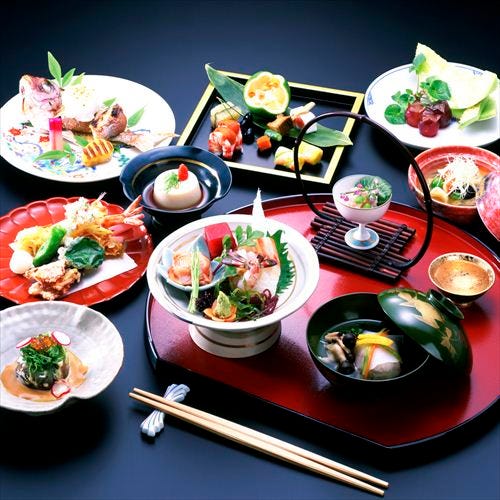
Taste Nara’s best foods
This is a branch store of a nationwide sock chain. At the Nara Konishi-dori store, you can buy unique and original socks named ”Shika-chan” socks, which were designed by the store’s staff and a young designer in Nara. Various colors and designs are available, including a design featuring cute Bambi lying on the grass.
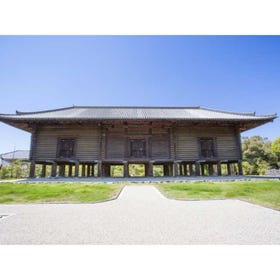
A vault of many national cultural artifacts from the Nara period
ORIHICA is a Japanese business-casual brand offering high cost-performance suits and shirts for both men and women, with a slim fit design that combines practicality. Highly popular among Japanese office workers.
Right near Kintetsu Nara Staion.In Higashimuki shopping Street.Medicine, Cosmetics, etc. in store.