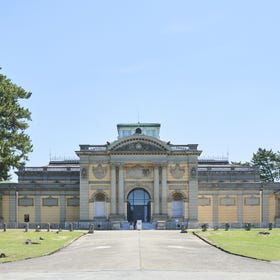
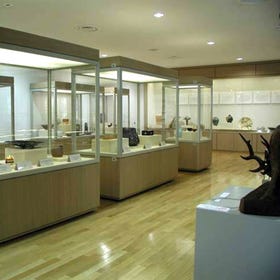
The second-oldest national museum in Japan, located in Nara Park. It boasts the nation's greatest collection of Buddhist art.
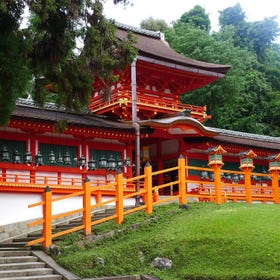
The head shrine of all the Kasuga-jinja shrines all over Japan, it is located on Mt. Mikasa, which has been treated as a sacred area since ancient times. In 2018, the shrine commemorated its 1,250th anniversary.
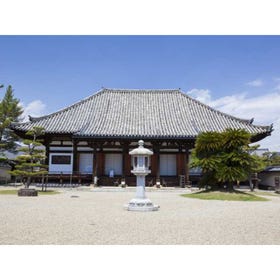
This ancient temple was erected by Empress Komyo
Learn about Nara's traditional crafts
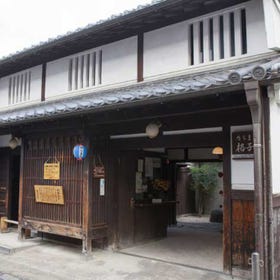
An old town house to relax in
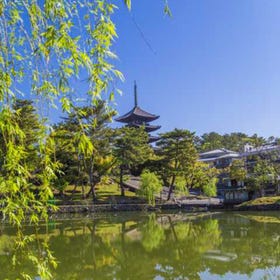
A great view overlooking the the Five Storied Pagoda of Kofukuji Temple
This Buddhist school was established by the Chinese monk Jianzhen
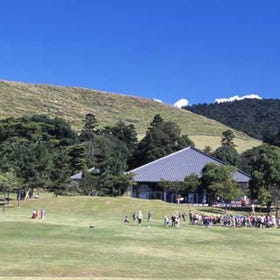
A beautiful mountain overlooking the city of Nara
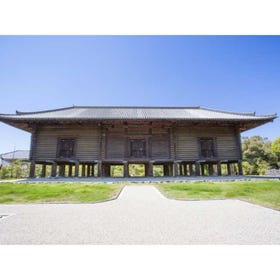
A vault of many national cultural artifacts from the Nara period
This is the remains of the garden of Daijo-in Temple, which was a monzeki temple (a temple of high rank where members of the imperial family and nobility enter the priesthood) of Kofuku-ji Temple. After the restoration was completed in 2010, these remains were made open to the public. You can also see them from Daijo-in Temple Garden Culture Hall located in the south of the garden.
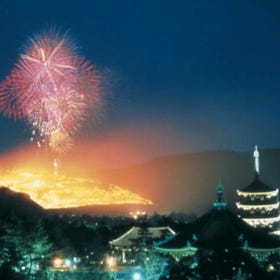
Enjoy an ancient Nara ritual at the summit. The Wakakusa Yamayaki Festival is held every January
Legend has it that the temple buildings were built by Emperor Shomu. In addition to the exquisite Kamakura-Period-style Romon Gate (National Treasure) facing the old road, there is a Kamakura-Period-style thirteen-story pagoda (Important Cultural Property) towering at the center of the temple grounds. The temple is also famous for its cosmos flowers.
View three gardens, each with its own unique charm
A three-tiered pagoda and world heritage site, 1200 years old
Nara’s Great Buddha is seated here
An ancient ritual practice in which several deer are chased down to have their antlers trimmed
A shrine to the beautiful Mount Miwa, worshiped since ancient times
See the brave figures of twelve protective deities
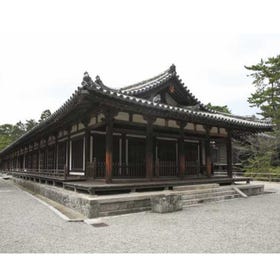
The oldest surviving building of Todaiji Temple. All the Buddhist statues stored here are national treasures
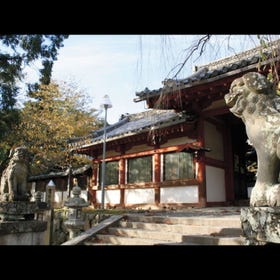
During the Nara Period, the guardian deity of the hiike (pond where ice used in the Imperial court was made) and the himuro (storeroom for ice), which were built in the Kasugano field beside Yoshiki-gawa River, was enshrined in the shrine. It was later moved to the current location. On May 1 every year, a festival called Kenpyosai takes place in which workers at companies that make and sell ice pray for success in business. The current shrine pavilion is said to have been reconstructed in the Edo Period. Also, the weeping cherry trees in the shrine grounds are very beautiful.