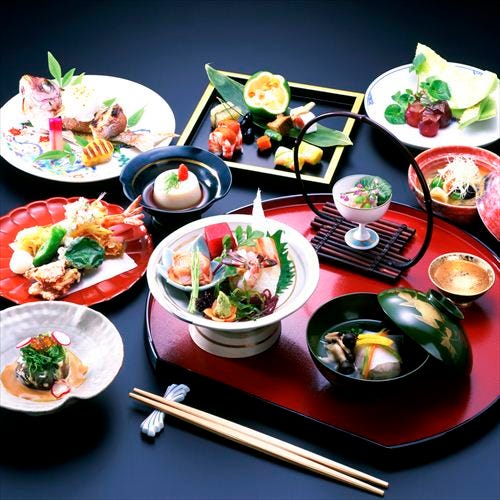
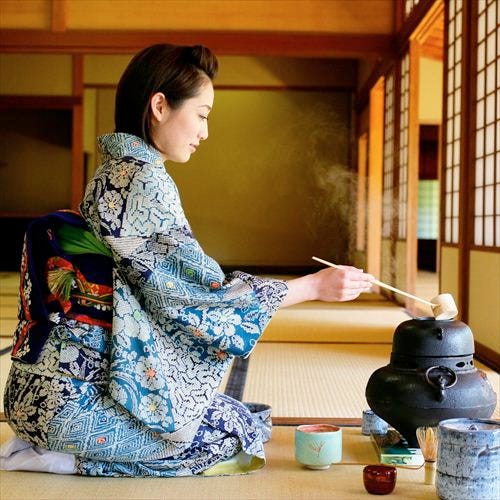
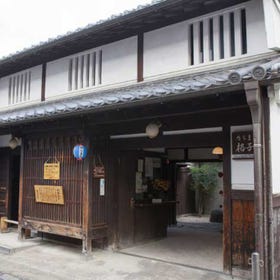
Take your time and enjoy the traditional Japanese culture of tea ceremony and kimono in a hidden retreat salon away from the hustle and bustle of everyday life.
This sacred primeval forest is registered as a world heritage site
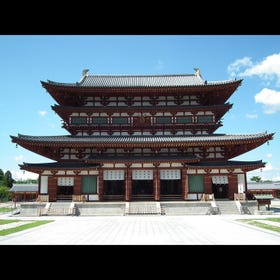
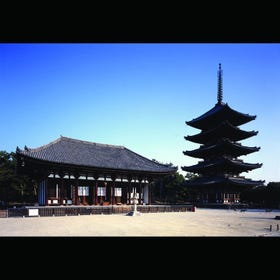
A temple built upon the request of Emperor Tenmu during the Hakuho Period. Reconstructed in recent years, the temple structures showcase beautiful, vibrant colors.
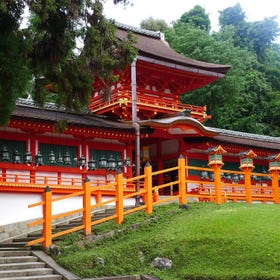
The head shrine of all the Kasuga-jinja shrines all over Japan, it is located on Mt. Mikasa, which has been treated as a sacred area since ancient times. In 2018, the shrine commemorated its 1,250th anniversary.
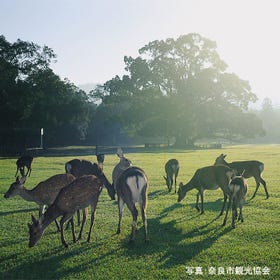
A city park famed as a sightseeing spot representing Nara. World Heritage sites such as Todai-ji Temple, Kofuku-ji Temple and Kasuga-taisha Shrine are close to each other.
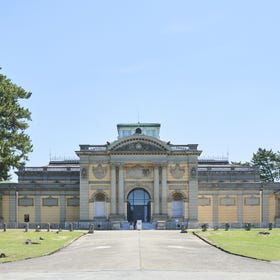
The second-oldest national museum in Japan, located in Nara Park. It boasts the nation's greatest collection of Buddhist art.
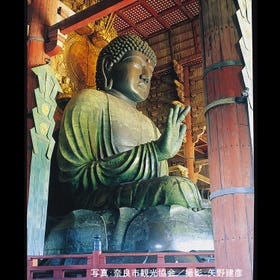
Nara's symbol, the world's largest bronze statue of Rushana Daibutsu is seated in the Great Buddha Hall located in the vast grounds. The temple has been designated as a World Heritage site.
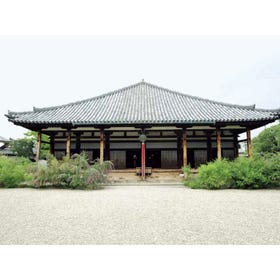
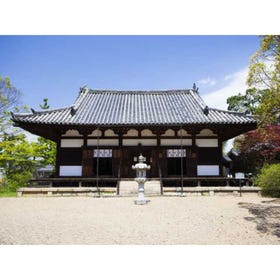
An ancient temple supported by common people
This Buddhist school was established by the Chinese monk Jianzhen
The graceful standing statue of Gigeiten is a must-see attraction
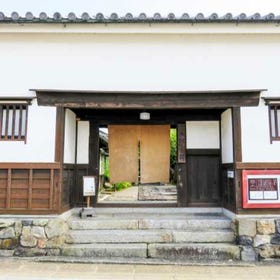
An old town house to relax in
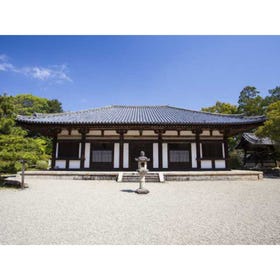
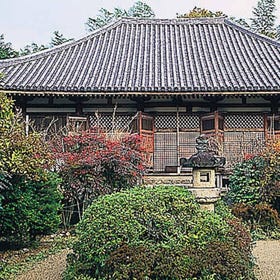
A temple associated with Heian-era poet Ariwara no Narihara
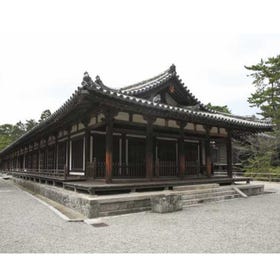
Beloved Buddha artifacts inside the school of Heijo Palace
Enjoy the Japanese architecture in the elegant drawing room
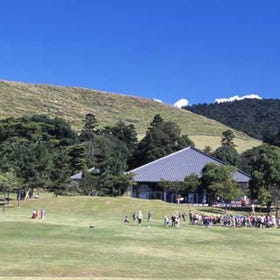
A beautiful mountain overlooking the city of Nara
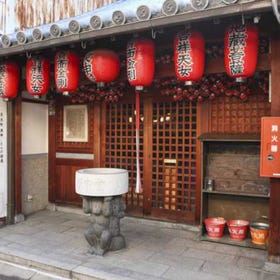
A temple with strings of ”monkey charms”
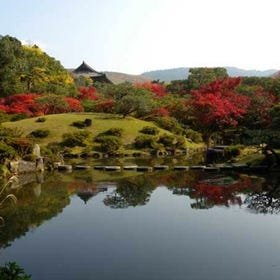
One of Nara’s most famous gardens
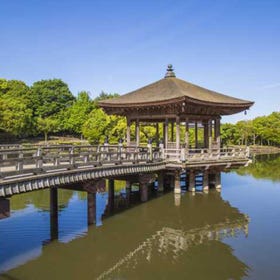
A relaxing spot above the pond
A large temple in Nara featuring many structures that illustrate the culture from the Tempyo Period. It is designated as a UNESCO World Heritage Site.
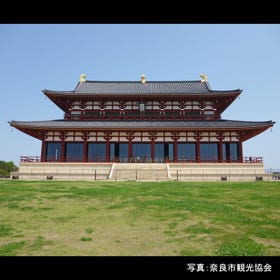
Reproduction of the center of the ancient capital, Nara. Daigokuden (Council Hall in the Imperial Palace) and gardens line up in this vast historical site.