





Kyoto in One Day: 5 Proven Routes for Kimono Photos, Food & Transport Deals
- Written by: WESTPLAN
For many travelers, Kyoto’s beauty feels timeless. Yet the way we explore this historic city continues to evolve. Kyoto is no longer just a sightseeing destination. It is actively working to balance high visitor numbers with everyday local life. Today, “efficiency” is not simply about saving time. It is the key to enjoying Kyoto’s quiet charm while avoiding the heaviest crowds.
In the past, most itineraries relied heavily on the city’s dense bus network. But traffic congestion and long queues often disrupted even the best-laid plans. The new Kyoto travel norm centers on two smart strategies: making full use of the Sightseeing Express Bus and prioritizing subway routes whenever possible. To improve the visitor experience, Kyoto City has introduced direct bus services connecting major attractions with fewer stops. With the right transportation plan, you can still uncover the refined, relaxed spirit of Japan’s ancient capital even on a busy day.
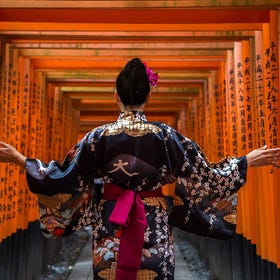
(Main image: PIXTA)
(This page contains affiliate links)
- Table of Contents
The Essentials: 3 Winning Keys to a Perfect Kyoto Day Trip
To explore Kyoto efficiently in a single day, these three core principles remain the foundation of a smooth itinerary.
1. Combine Trains, Buses & Walking
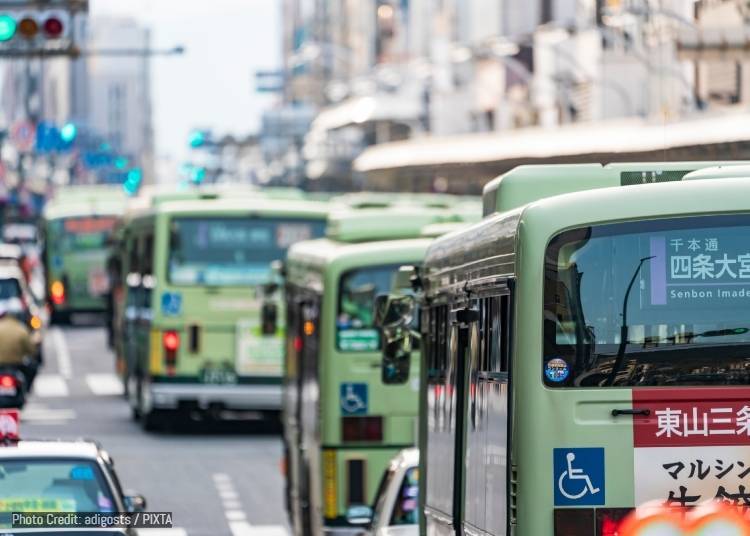
Make smart use of the Subway & Bus One-Day Pass. Many of Kyoto’s shrines and temples sit along the foothills, offering beautiful scenery but often located some distance from the nearest train station. The most efficient approach is simple: rely on trains for longer distances, then use buses and walking to complete the journey.
Kyoto’s train lines run frequently, with waits typically around 10 to 20 minutes. Ride the train to your target area, then explore on foot through charming backstreets where buses do not reach. Note that the former Bus One-Day Pass has been discontinued. In its place is the better-value Subway & Bus One-Day Pass (1,100 yen), which lets you avoid road traffic by taking the subway, then transferring to a bus that brings you close to major attractions, creating a seamless, flexible route.
2. Stay Near Kyoto Station
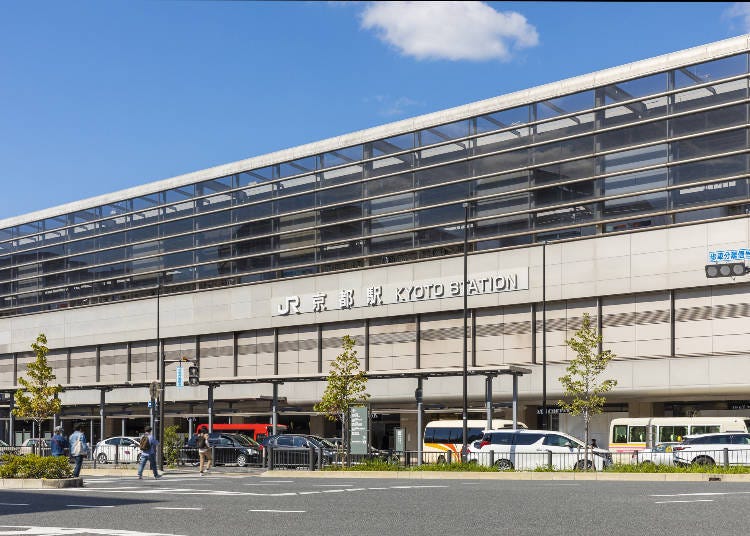
Smart luggage management starts with choosing the right base. While Kyoto offers accommodations across the city, the area around JR Kyoto Station remains the most efficient place to stay. It is the main hub for the Shinkansen, JR lines, Kintetsu trains, and major bus routes, making it ideal for smooth arrivals and departures.
As of 2026, Kyoto Station not only provides more than 4,000 coin lockers, but also expanded access to the Hands-Free Kyoto service. Whether you arrive early and want to drop off your bags before sightseeing, or prefer to send your luggage from the station to your hotel or next destination after checkout, staying near Kyoto Station lets you move freely without hauling heavy suitcases across stone paths, keeping your trip relaxed and refined.
3. Plan Around Temple Hours (9 AM–5 PM)
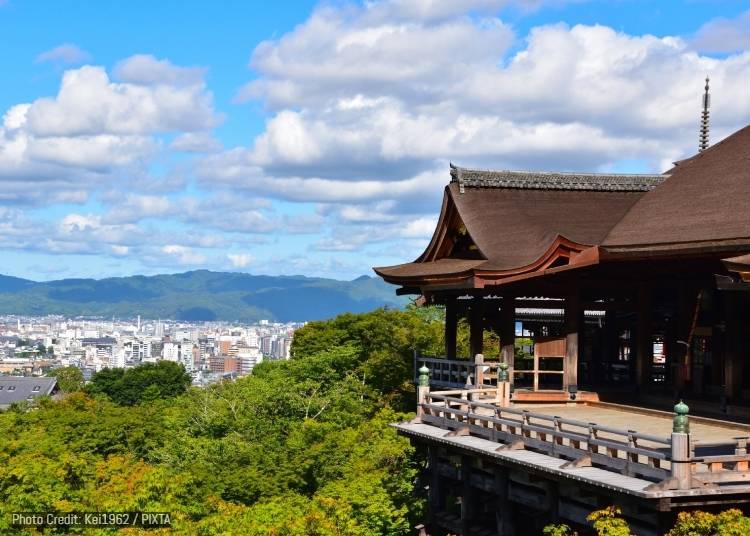
Most temples operate between 9 AM and 5 PM, with some closing as early as 4 PM in winter due to earlier sunsets. If you plan to purchase amulets or collect temple stamps, this window is essential. Be sure to schedule these visits within core opening hours to avoid disappointment.
Seasoned travelers, however, take advantage of time gaps. Many shrines, including Fushimi Inari, have no strict visiting hours, making them ideal for early mornings around 7 AM or after major buildings close in the evening. During peak seasons such as cherry blossom or autumn foliage, select temples offer special night openings with illuminations until around 9 PM. By shifting your schedule to quieter early and late hours, you can experience Kyoto at its most atmospheric while avoiding peak crowds.
5 Distinct Kyoto Day Trip Routes to Match Your Travel Style
Route A: Classic by Rail — LIVE JAPAN Editors’ Pick! Explore Fushimi & Higashiyama via the Keihan Railway
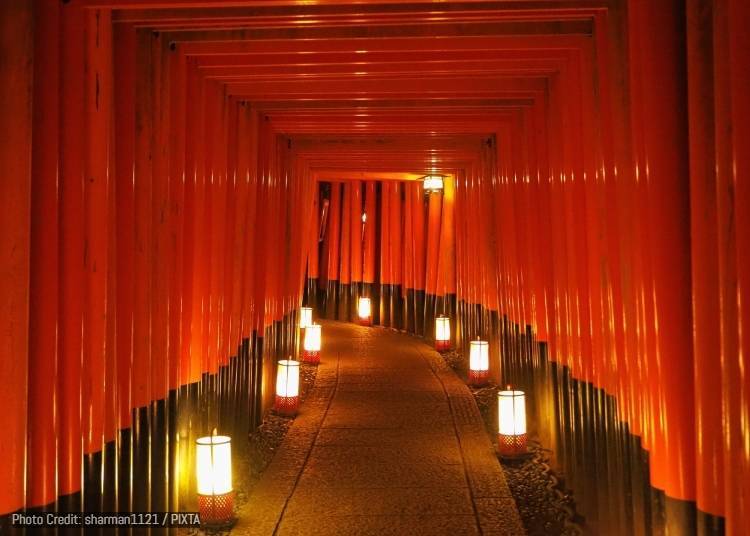
If you want a route that feels unmistakably Kyoto while remaining smooth and predictable, this itinerary along the Keihan Main Line is one of the most efficient choices. The Keihan Railway connects southern Kyoto’s Fushimi area with central Higashiyama, allowing you to bypass the city’s busiest road traffic and move quickly between several world-class cultural landmarks.
Start your morning at Fushimi Inari Taisha, the head shrine of more than 30,000 Inari shrines across Japan. Walking through the seemingly endless tunnel of vermilion torii gates is especially striking in the soft morning light. From there, ride the Keihan Line north to Shichijo Station and walk to Sanjusangendo, famous for its 1,001 statues of Kannon. In the afternoon, continue to Gion-Shijo Station to explore Gion and Hanamikoji Street, where traditional teahouse architecture still lines the streets. As evening falls, stroll through Yasaka Shrine or along the Kamo River to soak in the lingering atmosphere of old Kyoto.
This route is ideal for first-time visitors or anyone hoping to cover Kyoto’s signature sights in a single, well-paced day. In 2026, the Keihan Railway continues to offer special one-day passes for international visitors, making travel between Fushimi and Higashiyama both convenient and cost-effective.
・Route Highlights: Fushimi Inari Taisha → Sanjusangendo → Gion & Hanamikoji
・Transport Tip: Use the Keihan Kyoto Sightseeing One-Day Pass and combine with short walks between sights
・Why It Works: Direct routing and frequent departures, perfect for travelers who prefer minimal transfers
- 8 AM | Depart: Walk from your Kyoto Station hotel to the JR Nara Line platform
- 8:15–8:20 AM | Travel: Take the JR Nara Line bound for Joyō or Nara from JR Kyoto Station to JR Inari Station (about 5 minutes)
- 8:20–10 AM | Sightseeing: Fushimi Inari Taisha. Arrive early to enjoy the Senbon Torii with fewer visitors
- 10:15–10:30 AM | Travel: From Keihan Fushimi-Inari Station, ride the Keihan Main Line toward Demachiyanagi to Shichijo Station
- 10:30 AM–12 PM | Sightseeing: Sanjusangendo. About a 7-minute walk from Shichijo Station to see the magnificent 1,001 Kannon statues
- 12–1:30 PM | Lunch: Enjoy local soba or a set meal around the Shichijo or Gojo area
- 1:40–1:50 PM | Travel: From Keihan Shichijo Station, ride to Gion-Shijo Station
- 2–5 PM | Sightseeing: Gion, Hanamikoji Street, and Yasaka Shrine. Take your time exploring the historic streets
- 5:30 PM | Return: From Gion-Shijo Station, take the Keihan Line to Tambabashi to transfer to JR, or return directly to Kyoto Station by bus
-

-
Address
68, Fukakusayabunouchicho, Fushimi-ku, Kyoto-shi, Kyoto, 612-0882
View Map -
Nearest Station
Inari Station (JR Nara Line)
- Phone Number 075-641-7331
-
Address
68, Fukakusayabunouchicho, Fushimi-ku, Kyoto-shi, Kyoto, 612-0882
Route B: The Ultimate Pass Strategy — Cross Kyoto from Kinkakuji to Ginkakuji with the Subway & Bus Pass
This route is designed for travelers who want to cover both western and eastern Kyoto in a single day without losing time to traffic congestion. With the Subway & Bus One-Day Pass, begin by taking the Karasuma Subway Line north from Kyoto Station, avoiding the often-crowded bus terminals above ground. From Imadegawa or Kitaoji Station, transfer to a short bus ride to reach the iconic Kinkakuji (Rokuonji). In the morning light, the Golden Pavilion’s gold-leaf exterior reflecting in Kyokochi Pond is at its most dazzling.
After visiting Kinkakuji, head east toward Ginkakuji (Jisho-ji) and the Philosopher’s Path. In contrast to Kinkakuji’s brilliance, Ginkakuji embodies the refined simplicity and quiet elegance of Japanese aesthetics. The strength of this route lies in relying on underground rail to cross the city’s busiest corridors, using buses only for the final stretch. If time and energy allow, end the day with a stroll through Kitano Tenmangu Shrine, known for its association with the deity of learning and its seasonal plum blossoms or autumn foliage.
・Route Highlights: Kyoto Station → Subway → Kinkakuji → Ginkakuji → Philosopher’s Path
・Transport Tip: Use the Subway & Bus One-Day Pass throughout and prioritize subway travel
・Why It Works: Efficiently connects eastern and western Kyoto while maximizing pass value
- 8:30 AM | Depart: Head to Kyoto Station Subway
- 8:45–9 AM | Travel: Take the Karasuma Line toward Kokusaikaikan to Kitaoji Station
- 9:10–9:25 AM | Travel: Transfer at Kitaoji Bus Terminal to Kyoto City Bus 204 or 205 and get off at Kinkakuji-michi
- 9:30–11 AM | Sightseeing: Kinkakuji. Enjoy the Golden Pavilion glowing in the morning sun
- 11:15–11:45 AM | Travel: Take Kyoto City Bus 204 across the city to Ginkakuji-michi
- 12–1:30 PM | Lunch: Try tofu cuisine or matcha sweets along the Ginkakuji approach
- 1:30–3:30 PM | Sightseeing: Ginkakuji and the Philosopher’s Path. Experience tranquil gardens and quiet walking trails
- 3:45–4:15 PM | Travel: Take Kyoto City Bus 102 or 203 to Kitano Tenmangu-mae
- 4:15–5:30 PM | Sightseeing: Kitano Tenmangu Shrine. Visit the shrine grounds in the softer light of late afternoon
- 5:45 PM | Return: Take a bus back to Kyoto Station or return via Imadegawa Station on the subway
-

-
Address
1, Kinkakujicho, Kita-ku, Kyoto-shi, Kyoto, 603-8361
View Map -
Nearest Station
Kitanohakubaicho Station (Keifuku Dentetsu-kitano Line)
20 minutes on foot
- Phone Number 075-461-0013
-
Address
1, Kinkakujicho, Kita-ku, Kyoto-shi, Kyoto, 603-8361
Route C: The Ultimate Photo Route — Kimono Moments Around Kiyomizudera & teamLab Digital Art
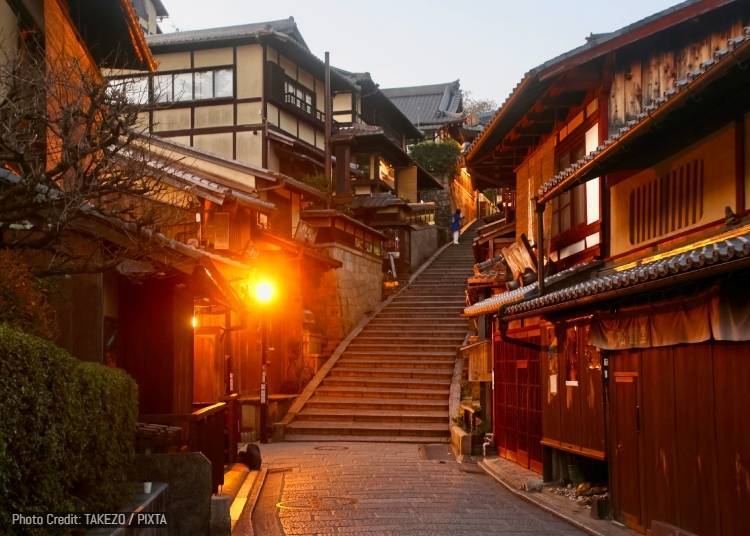
Designed for travelers chasing picture-perfect moments, this photogenic route is all about capturing Kyoto at its most visually stunning. Begin around 9 AM at a professional kimono rental shop near Kiyomizudera. Once dressed, head straight to Kiyomizudera’s iconic wooden stage to photograph the temple bathed in soft morning light.
From there, stroll down Sannenzaka, where stone steps and preserved machiya townhouses create one of Kyoto’s most recognizable backdrops. Frame your shots with Hokanji Temple’s Yasaka Pagoda rising in the distance for a classic Kyoto composition. Another standout photo stop is Nanzenji Temple’s Suirokaku Aqueduct, whose retro red-brick arches offer a striking contrast against traditional kimono attire.
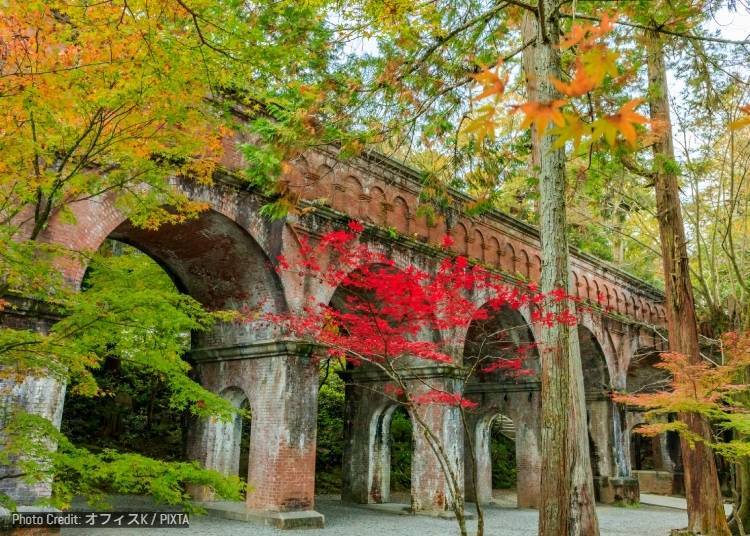
As daylight fades, shift to one of Kyoto’s popular teamLab digital art exhibitions, often held near Kyoto Station or at select cultural venues. The immersive light installations pair beautifully with the intricate textures of a kimono, creating dreamlike, time-crossing visuals. This route is not about covering the most ground. It is about capturing light, color, and atmosphere so your Kyoto memories live not only in your mind, but vividly in your photos.
・Route Highlights: Kiyomizudera → Sannenzaka & Yasaka Pagoda → Nanzenji Aqueduct → teamLab Kyoto
・Transport Tip: Walk within Higashiyama, then take a taxi or subway to the teamLab venue in the evening
・Why It Works: Blends Kyoto’s timeless scenery with cutting-edge digital art for maximum visual impact
- 9 AM | Depart: Take Kyoto City Bus 206 or a taxi from Kyoto Station to Kiyomizu-michi
- 9:30–10:30 AM | Kimono Experience: Change into kimono at your reserved rental shop near Kiyomizudera
- 10:30 AM–1 PM | Sightseeing: Kiyomizudera → Sannenzaka → Ninenzaka → Yasaka Pagoda. Take your time strolling and photographing
- 1–2:30 PM | Lunch: Enjoy a garden-view restaurant around Ninenzaka or Nene-no-Michi
- 2:45–3:15 PM | Travel: From Higashiyama Yasui bus stop, take a bus to Okazaki Park / Museum and walk to Nanzenji
- 3:15–4:30 PM | Sightseeing: Nanzenji Suirokaku Aqueduct. Capture photos beneath the retro red-brick arches
- 5–5:30 PM | Travel: Take a taxi or the Tozai Subway Line, transferring at Karasuma Oike if needed, back toward the Kyoto Station area
- 6–8 PM | Sightseeing: teamLab Kyoto exhibition. Photograph dramatic, immersive light art while wearing kimono
- 8:15 PM | Return: Since the venue is near Kyoto Station, walk back to your hotel afterward
-
-
Address
2, Ginkakujicho, Sakyo-ku, Kyoto-shi, Kyoto, 606-8402
View Map -
Nearest Station
Mototanaka Station (Eizan Dentetsu Eizan Line)
28 minutes on foot
- Phone Number 075-771-5725
-
Address
2, Ginkakujicho, Sakyo-ku, Kyoto-shi, Kyoto, 606-8402
-
-
Address
1-294 Kiyomizu, Higashiyama-ku, Kyoto City, Kyoto Prefecture, 605-0862
View Map -
Nearest Station
Gionshijo Station (Keihan Line)
25 minutes on foot
- Phone Number 075-551-1234
-
Address
1-294 Kiyomizu, Higashiyama-ku, Kyoto City, Kyoto Prefecture, 605-0862
-
Suirokaku Aqueduct南禅寺水路閣
- Address Nanzenji Fukuchi-cho, Sakyo-ku, Kyoto-shi, Kyoto-fu, 606-8435
Route D: A Foodie Escape — Arashiyama Bamboo Grove & Michelin-Level Dining
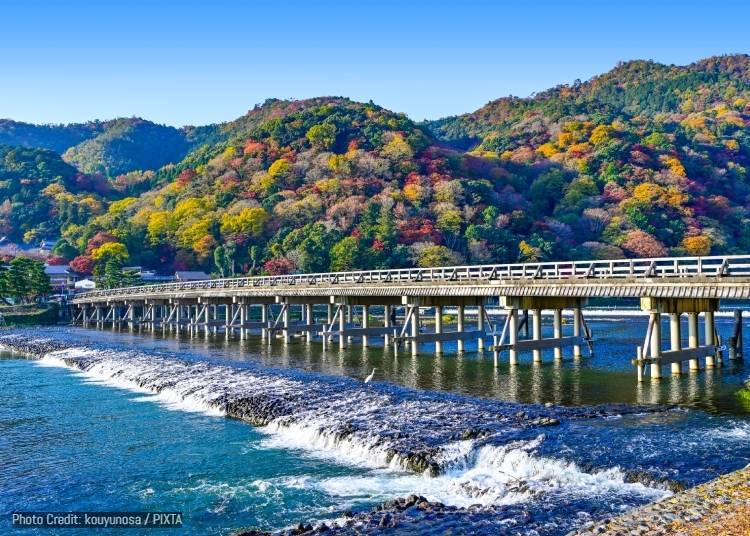
Arashiyama is not only one of Kyoto’s most iconic scenic areas, it has also become one of the city’s most exciting food destinations in recent years. This route focuses on a dual sensory experience: breathtaking natural beauty paired with unforgettable flavors, from Michelin-recommended restaurants to beloved local specialties.
Begin early along the Bamboo Grove Path, when the morning light filters softly through the towering stalks and crowds are still thin. Continue on to Nonomiya Shrine, tucked quietly within the forest. From there, shift the spotlight to food. For lunch, a standout choice is Tai-sho HANANA, famous for its sea bream chazuke. Thin slices of fresh madai are served with a rich sesame sauce, first enjoyed over rice, then transformed by pouring hot green tea to create a layered, comforting bowl. It is a signature Arashiyama experience no food lover should miss.
In the afternoon, stroll toward Togetsukyo Bridge and pause for a handcrafted coffee at % Arabica Kyoto Arashiyama while gazing out over the gentle flow of the Hozugawa River. If you prefer sweets, Arashiyama Rilakkuma Sakura Teahouse or the elegant garden setting of eX cafe both offer beautifully presented Japanese desserts that delight both the eyes and the palate.
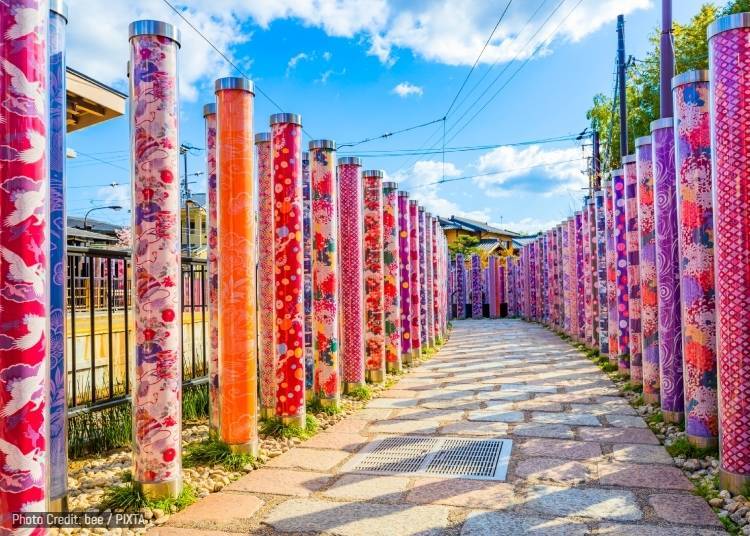
As evening approaches, head to Arashiyama Station on the Randen Line, home to the famous Kimono Forest. More than 600 pillars wrapped in vibrant Kyoto Yuzen textiles glow softly at dusk. You can also purchase a ticket for the station’s footbath and soak your feet while taking in this romantic Kyoto setting.
・Route Highlights: JR Saga-Arashiyama Station → Bamboo Grove → Sea Bream Chazuke Lunch → Togetsukyo Bridge & Café Stops → Kimono Forest & Footbath
・Transport Tip: Take the JR Sagano Line from Kyoto Station for the fastest access; explore Arashiyama mainly on foot
・Why It Works: Combines refined dining and trending street bites for a food-focused Kyoto experience
- 8:30 AM | Depart: Take the JR Sagano Line from JR Kyoto Station
- 8:50–9:10 AM | Arrival: Arrive at JR Saga-Arashiyama Station and walk about 10 minutes
- 9:15–10:30 AM | Sightseeing: Bamboo Grove. Enjoy the crisp morning air and the sound of rustling bamboo
- 10:45 AM–12:30 PM | Lunch: Tai-sho HANANA. Arrive early to secure a seat and savor the layered sea bream chazuke experience
- 12:30–2 PM | Stroll: Tenryuji Temple and Sogenchi Garden. Experience seasonal beauty within this World Heritage site
- 2–4 PM | Café & Street Snacks: Around Togetsukyo Bridge. Sip % Arabica coffee or try Arashiyama tofu croquettes
- 4–5:15 PM | Experience: Kimono Forest and footbath at Randen Arashiyama Station. Photograph the illuminated textile pillars and relax
- 5:30 PM | Return: Take the JR line back to Kyoto Station
-
-
Address
Sagatenryuji Suenobaba Town, Ukyo Ward, Kyoto City, Kyoto Prefecture, 616-8385
View Map -
Nearest Station
Arashiyama Station (Keifuku Dentetsu-arashiyama Line)
3 minutes on foot
- Phone Number 075-411-9990
-
Address
Sagatenryuji Suenobaba Town, Ukyo Ward, Kyoto City, Kyoto Prefecture, 616-8385
Route E: A Hidden Retreat — Ohara Sanzenin & the Mystical Kifune Shrine
If you have already visited Kyoto’s most famous shrines and temples, this journey into the city’s “inner garden” offers a completely different atmosphere. The first half of the day takes you north to Ohara, home to Sanzenin Temple. Inside, you will find the moss-covered Ojo Gokuraku-in Hall and charming Jizo statues quietly tucked into the greenery. Whether in fresh spring foliage or autumn colors, the setting feels serene and deeply contemplative.
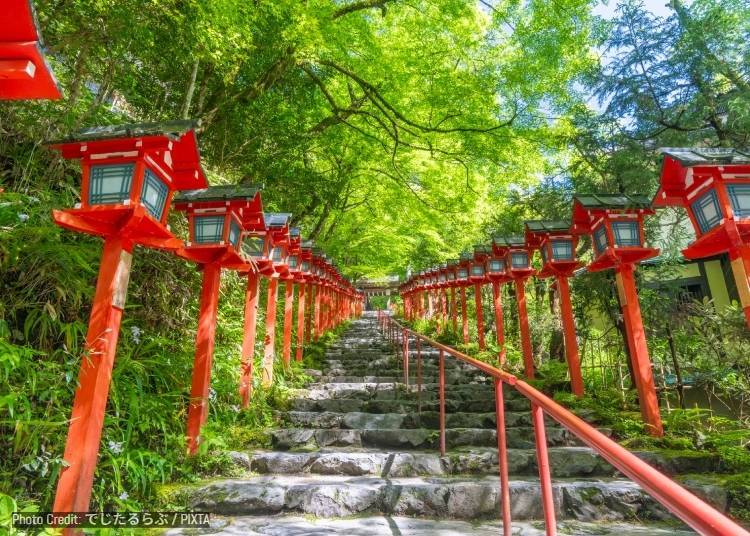
In the afternoon, continue to Kifune Shrine, dedicated to the water deity Takaokami no Kami. Known for its lantern-lined stone steps, the shrine is also considered the birthplace of ema wooden prayer plaques. One of the highlights is the water fortune experience. Place a blank fortune slip into the sacred spring, and the hidden text gradually appears. During autumn leaves or winter illuminations, the shrine’s atmosphere feels almost otherworldly.
・Route Highlights: Kyoto Station → Ohara Sanzenin → Kifune Shrine (Water Fortune) → Eizan Railway Maple Tunnel
・Transport Tip: Use the Subway & Bus One-Day Pass to reach Ohara by bus; transfer to the scenic Eizan Railway when heading toward Kifune
・Why It Works: Escapes the city crowds and immerses you in forest air, spiritual calm, and seasonal beauty
- 8:30 AM | Depart: Take Kyoto Bus 17 from the Kyoto Station Bus Terminal
- 9:30–11:30 AM | Sightseeing: Ohara Sanzenin. Wander through moss gardens and look for the small Jizo statues hidden among the greenery
- 11:45 AM–1 PM | Lunch: Enjoy local shiso cuisine or a seasonal vegetable set meal along the Ohara approach. Shiso ice cream is a local specialty
- 1:15–2:30 PM | Travel: Take a bus back to Demachiyanagi Station, transfer to the Eizan Railway to Kibuneguchi Station, then board the short shuttle bus
- 2:30–4:30 PM | Sightseeing: Kifune Shrine. Walk up the lantern-lined steps, try the water fortune, and if time allows continue to the inner shrine
- 4:45–5:45 PM | Travel: Return to the city via the Eizan Railway. In autumn, watch for the illuminated Maple Tunnel outside the train windows
- 6:30 PM | Return: From Demachiyanagi Station, transfer to the Keihan Line or take a bus back to your Kyoto Station hotel
Tested Tips: 3 Practical Things to Know Before Your Kyoto Trip
Before setting out on any of these five routes, there are three on-the-ground insights about Kyoto in 2026 that can transform your experience from barely managing the crowds to traveling with confidence and ease.
1. Sightseeing Express Bus Guide: Look for the “S” Routes & Distinct Colors
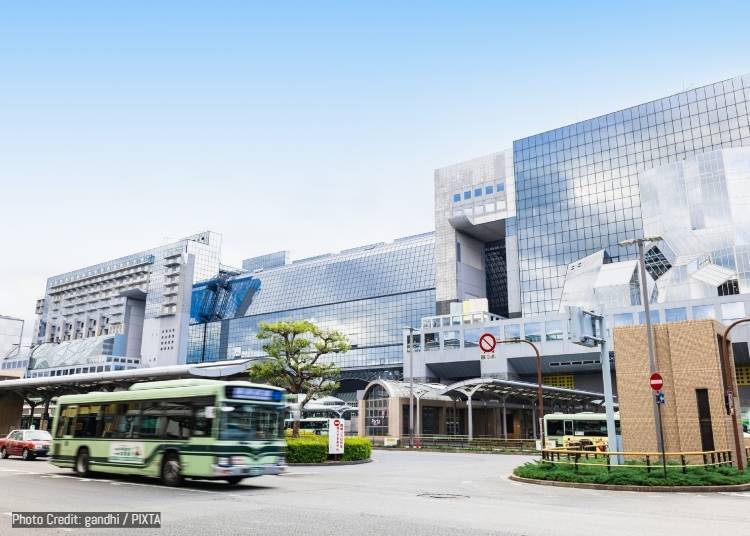
To reduce congestion between local commuters and visitors, Kyoto has expanded its dedicated Sightseeing Express Bus services. On station signboards, you will see route numbers such as S1 (bound for Kiyomizudera and Gion), S2 (bound for Kinkakuji), and S3 (bound for Ginkakuji).
Unlike regular city buses such as Route 206, these express buses stop only at major sightseeing hubs. They are usually marked with brighter exterior colors or a clear “EXPRESS” label, making them easy to spot. The Subway & Bus One-Day Pass is valid on these routes, and many vehicles include designated luggage space. When you see an “S” route bus, board with confidence. It can cut road waiting time by at least 20 percent compared to standard routes.
2. Moving in a Kimono: Watch the Slopes & Gravel Paths
Wearing a kimono makes for stunning photos, but Kyoto’s terrain is not always friendly to wooden sandals. Sannenzaka and Ninenzaka are iconic photo spots, yet the steep slopes and occasionally slick stone steps require careful footing. Take small, steady steps, especially when walking downhill.
Gravel paths at places like Nanzenji and Shimogamo Shrine can also be tricky. Wooden sandals sink easily into loose stones, increasing the risk of sand getting inside or twisting an ankle. When choosing a rental shop, prioritize those offering hotel return services so you are not rushing back before closing time. It is also wise to carry a few bandages just in case. If you feel fatigued, consider reserving a rickshaw. It makes moving around easier and adds dramatic flair to your photos.
3. The Reality of Reservations & Lines: Don’t Expect to Just Scan and Go
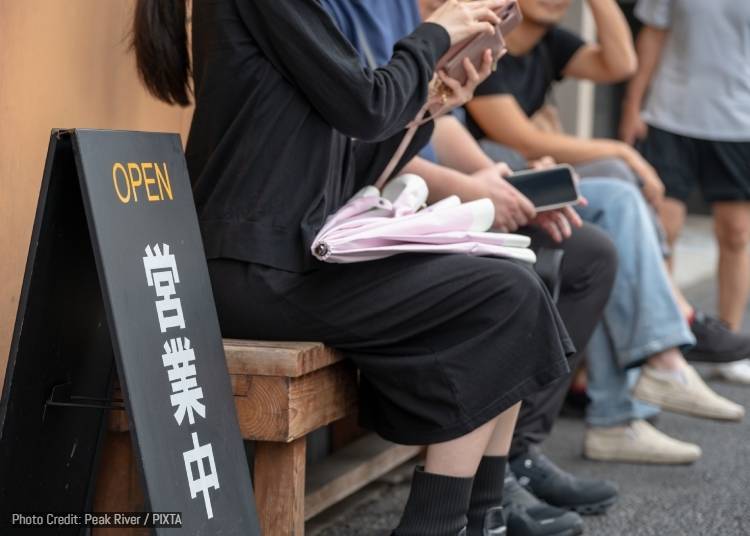
Despite widespread digitalization, many of Kyoto’s top restaurants, including popular spots in Arashiyama and long-established eateries in Gion, still operate on an in-person waiting system. Remote QR code queueing is often not available. If you leave the line, your spot may be forfeited. When planning your day, allow at least 60 to 90 minutes for waiting at sought-after restaurants.
On the other hand, certain attractions such as teamLab exhibitions or specialty venues like Yusai-tei now require strict online reservations, with no same-day ticket sales on site. About a month before your trip, check each official website carefully to confirm which places require advance booking and which require arriving early to queue. A little preparation can save you from disappointment at the door.
In 10 Seconds: Pick the Right Kyoto Day Route for You
Today, exploring Kyoto is no longer about how many landmarks you can squeeze in. It is about choosing wisely and moving efficiently. Each of these five routes offers a different strength.
Want a steady, classic introduction? Choose Route A and follow the Keihan Line through Higashiyama.
Want maximum efficiency across east and west Kyoto? Choose Route B and make the most of the Subway & Bus Pass.
Dreaming of dramatic kimono photos for Instagram? Choose Route C, from historic temples to immersive teamLab art.
Traveling for your taste buds? Choose Route D and focus on Arashiyama’s bamboo groves and signature sea bream chazuke.
Looking to escape the crowds? Choose Route E and venture into the serene forests of Ohara and Kifune.
Whichever path you take, remember two key principles: start early and take advantage of the Sightseeing Express Buses. Do that, and you are already one step ahead on your Kyoto journey.
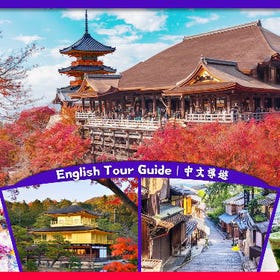
Prefer a Guided Tour? Here Are Easy Kyoto Day Trip Options
▼ If you’d rather leave the planning to the pros, these guided day tours may be perfect for you ▼

▼ Explore more Kyoto travel inspiration below ▼


Kiko Matsuda, Keiko Kimura, Risa Tsushi, and a team of female writers familiar with Kansai. We love eating, drinking and traveling! We share fun information based on our experiences.
- Area
- Category
*Prices and options mentioned are subject to change.
*Unless stated otherwise, all prices include tax.

Popular Tours & Activitiess
Recommended places for you
-
Kambei Sannomiyahonten
Yakiniku
Kobe, Sannomiya, Kitano
-
Goods
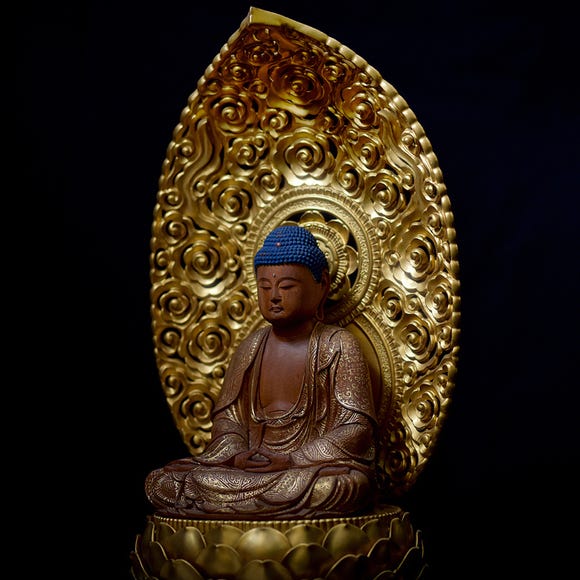
Yoshida Gennojo-Roho Kyoto Buddhist Altars
Gift Shops
Nijo Castle, Kyoto Imperial Palace
-

Kanzenkoshitsuyakinikutabehodai Gyugyu Paradise Sannomiya
Yakiniku
Kobe, Sannomiya, Kitano
-
ISHIDAYA Hanare
Yakiniku
Kobe, Sannomiya, Kitano
-

Sunflower terminal (Osaka) Terminal 1
Other Sightseeing
USJ, Nanko Port
-

Jukuseiniku-to Namamottsuarera Nikubaru Italian Nikutaria Sannomiya
Izakaya
Kobe, Sannomiya, Kitano
-
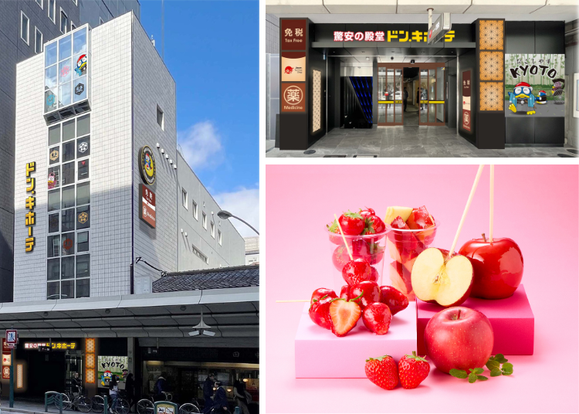
[2026] Don Quijote Opens New Store on Shijo-dori, Kyoto! Experience Exclusive "Fruit Skewers" at Kansai's First Inbound-Focused Store
-
Ad
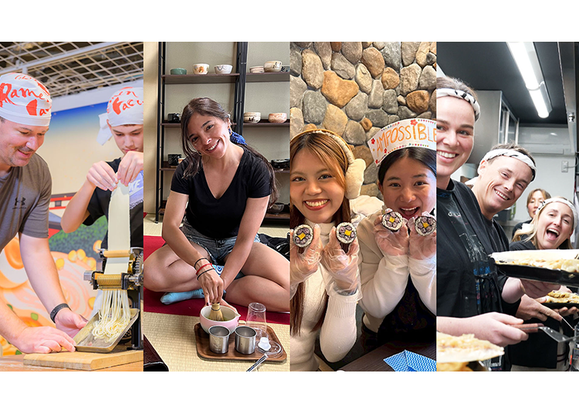
Prepare Japanese Food at a Factory in Kyoto and Sapporo, and Become the Star of the Show
-

Osaka's New Must-Have: Eki-Inki Station Stamps
by: Guest Contributor
-
Ad

Meet Osaka's Fluffiest Locals: Relax With Samoyeds at Cafe moffu in Shinsaibashi!
-
One of Western Japan's Largest Character Hubs Is Coming to Osaka Station in 2026
by: Guest Contributor
-
This Spring, Enjoy Magical Night Sakura Reflections Along Nara's Uda River (Local Hidden Gem!)
-
3 Best Hotels in Kobe, Japan with Amazing Views of Kobe Bay!
-

8 Unique Things to Do At Kyoto Station - According to Locals
-
Kansai Sightseeing Passes: See Western Japan on a Budget With These 5 Travel Deals!
by: WESTPLAN
-
Become a Maiko For the Day! Trying the Popular Kyoto Maiko Experience Near Kiyomizu-dera Temple
by: WESTPLAN
-
Fine Japanese Dining in Kyoto! Top 3 Japanese Restaurants in Kiyamachi and Pontocho Geisha Districts
-
Kichijoji – Explore Tokyo’s Top-Rated Stylish Suburb in Half a Day!
- #best gourmet Osaka
- #things to do Osaka
- #what to do in kyoto
- #what to bring to japan
- #best gourmet Kyoto
- #new years in Osaka
- #what to buy in nanba
- #Visiting Osaka
- #onsen tattoo friendly arima
- #daiso
- #Visiting Kyoto
- #best japanese soft drinks
- #japanese fashion culture
- #japanese convenience store snacks
- #japanese nail trends