



Wait, You Can’t Eat While Walking? 5 Japan Travel Customs That Surprise Foreign Visitors
- Written by: Nemi Lin
Japan keeps travelers coming back with its theme parks, gorgeous seasonal scenery, incredible food, and unmistakably Japanese atmosphere. But even frequent visitors can still run into little cultural differences that make them stop and think, “Wait...am I not supposed to do that here?”
Some habits that feel completely normal in other countries can work a little differently in Japan, from eating on the go to everyday etiquette you might not even think twice about. Drawing on 10 years of life in Japan, we break down five common cultural surprises so you can avoid awkward moments and travel with a little more confidence.
Wait, That’s a Faux Pas? Japan’s Unwritten Cultural Rules Even Repeat Visitors Miss
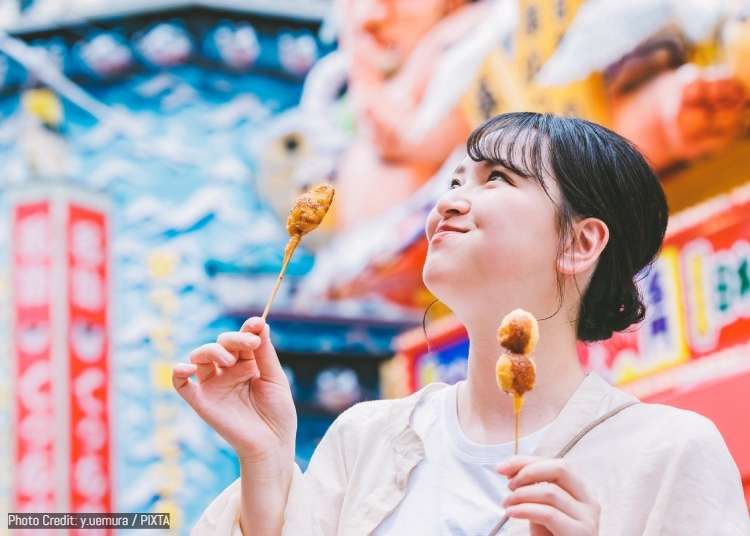
Japan Culture Rule #1: Festival Food in Hand… So Why Is Nobody Eating While Walking?
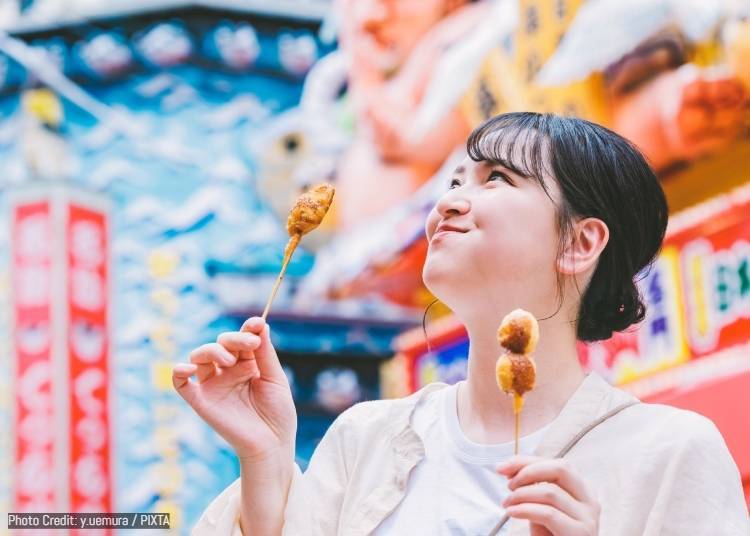
“I bought food from a festival stall, but all the Japanese visitors seemed to finish eating near the stand before moving on. The only people eating while walking were tourists, including me!” (Woman, 20s)
It’s an easy habit to fall into. If you’re used to wandering through a Taiwanese night market with snacks in hand, a Japanese festival can instantly trigger that same “eat as you go” mode.
In Japan, though, it’s generally considered more thoughtful to stop somewhere and finish your food before moving on, even at busy festival stalls. Besides helping prevent spills, dropped food, and mess, it also reduces the chance of bumping into someone while carrying skewers, hot dishes, or sauce-covered snacks through a crowd.
Many festivals provide designated eating areas or trash bins near the stalls. Once you’re finished, it’s also common to return wrappers, trays, or skewers to the stall where you bought the food rather than handing another vendor your trash.
And if you want to add a little extra politeness, a quick gochisosama deshita, or “thanks for the meal,” never hurts.
Japan Culture Rule #2: Japan Is So Clean… So Where Are All the Trash Cans?
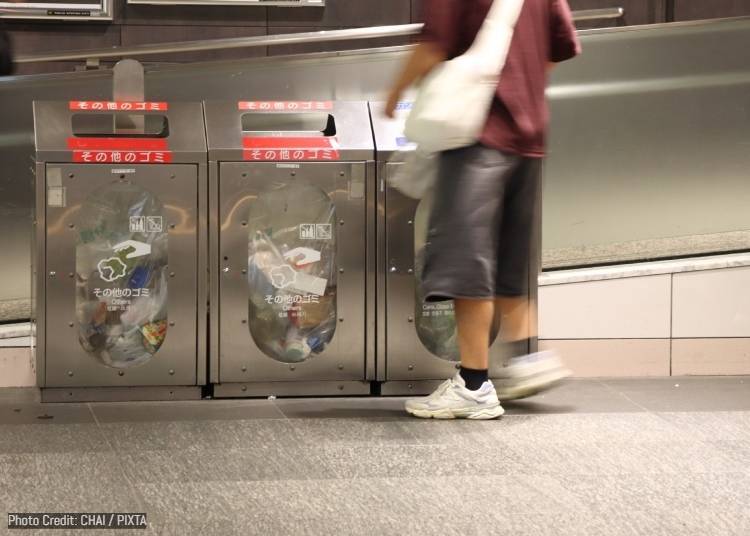
“I bought a snack in a shopping street, but once I finished it, I had no idea where to throw the packaging away. I eventually took it to a convenience store.” (Man, 20s)
Anyone who has visited Japan has probably noticed the same strange combination: the streets are remarkably clean, yet public trash cans can be surprisingly hard to find.
One reason is that people in Japan are generally expected to take their own trash with them until they find an appropriate place to dispose of it. Carrying a small plastic bag for wrappers, tissues, and other bits of rubbish can be incredibly handy while sightseeing.
If you buy a snack from a shop or food stall, the easiest option is often to eat nearby and ask the same vendor where to dispose of the packaging. Avoid bringing outside trash into convenience stores just to use their bins, as some stores restrict them to waste from products purchased there.
For bottles and cans, you may also find dedicated recycling bins beside vending machines. A tiny trash bag in your daypack can save you a surprising amount of hassle.
Japan Culture Rule #3: Why Won’t the Cashier Take My Money?
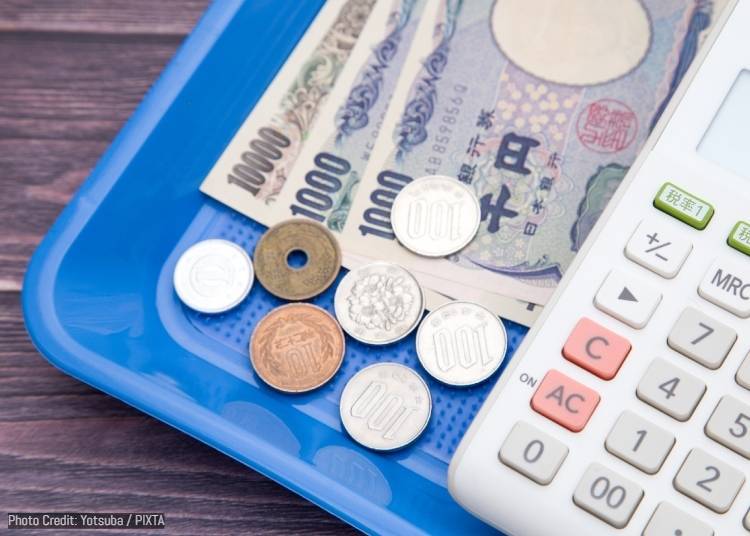
“I tried to hand the cashier my money at a convenience store, but they didn’t reach out to take it. I had no idea what I was supposed to do!” (Woman, 20s)
If you’re used to handing cash directly to a cashier, paying in Japan can feel surprisingly different at first.
At many convenience stores, supermarkets, and drugstores, automatic or semi-automatic registers are now common. After the cashier scans your items, you may need to insert your own bills and coins into the machine or tap your card or mobile payment yourself, without the staff ever handling your cash.
At smaller shops with traditional registers, look for a small cash tray on the counter. Rather than placing bills and coins directly into the cashier’s hand, simply set them on the tray. It makes the amount easier for both sides to see and helps keep the transaction smooth.
So before reaching out with your money, take a quick look at the register. Machine or tray? Once you know what to look for, it quickly becomes second nature.
Japan Culture Rule #4: Cute Street Photo? Be Careful Who’s in the Frame
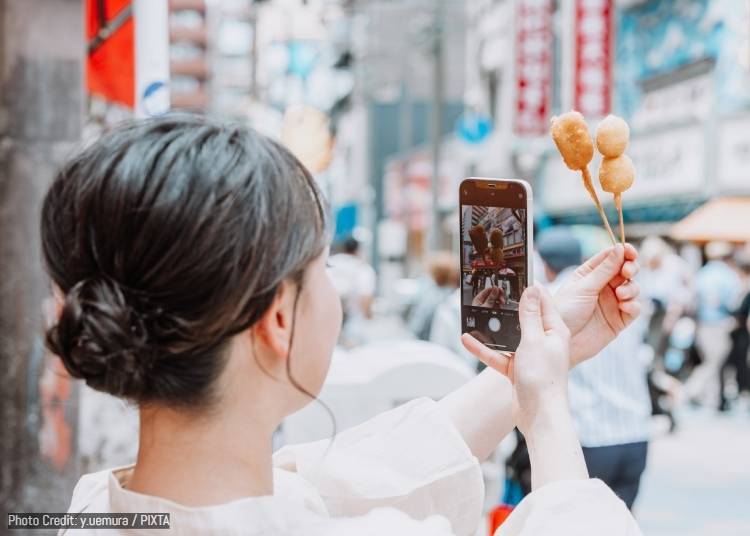
“I saw an adorable child on the street who reminded me of [Crayon] Shin-chan, so I snapped a photo. Their mother immediately asked me to delete it.” (Woman, 30s)
Taking photos is one of the best parts of traveling, especially when you stumble across a photogenic street scene or a charming everyday moment. But in Japan, photographing strangers without permission, particularly children, can cross a line very quickly.
Privacy and portrait rights are taken seriously, so pointing a camera at someone you don’t know can come across as intrusive or inappropriate. Photographing children is especially sensitive and may attract unwanted attention from parents or people nearby.
It’s also worth being careful with identifying details such as house nameplates and vehicle license plates. If strangers happen to appear in your shot, consider blurring faces and other identifying information before posting the photo online.
The simplest rule? Enjoy the street scene, but when a person becomes the main subject, ask first.
Japan Culture Rule #5: Why Is Everyone Looking at Me? Blowing Your Nose on the Train
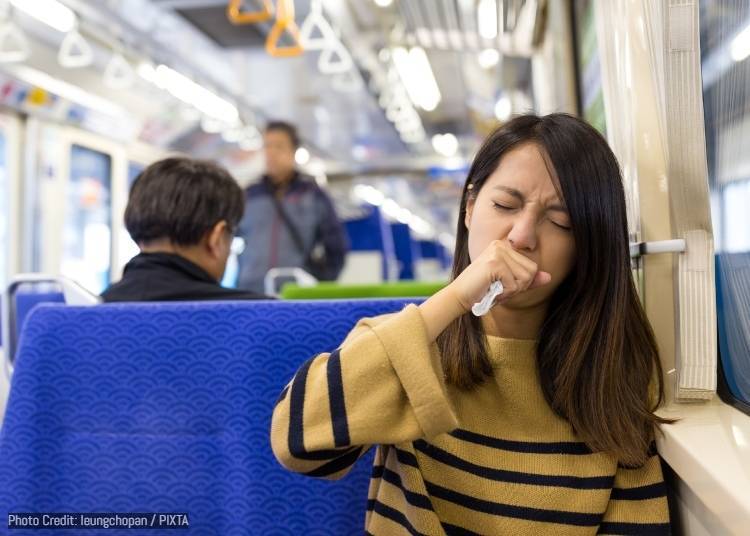
“It was pollen season and my nose wouldn’t stop running, so I loudly blew my nose on the train. Suddenly, I felt like everyone around me was staring...” (Man, 40s)
If your nose is bothering you, dealing with it probably feels completely normal. But on Japanese trains, making a lot of noise while blowing your nose can attract attention, especially in otherwise quiet carriages.
Constantly sniffing can be distracting too, so the safest approach is somewhere in the middle. If you’re dealing with allergies or a cold, wear a mask and discreetly wipe or gently blow your nose with a tissue. If you really need to clear your nose properly, consider stepping off at the next station and using a restroom.
The same quiet-carriage mindset applies elsewhere, too. Keep your phone on silent, avoid taking calls, and keep conversations at a moderate volume. A little awareness goes a long way on Japan’s famously quiet trains.
Know the Cultural Differences, Skip the Awkward Moments
Every country has its own unwritten rules, and figuring them out is part of the fun of traveling. In Japan, where cleanliness, quiet, and privacy tend to be taken seriously, some everyday habits can feel surprisingly different from what Taiwanese travelers are used to.
Keep these little cultural differences in mind and you’ll be less likely to attract confused looks, avoid a few awkward moments, and enjoy a smoother, more comfortable trip around Japan.



Nemi has been living in Japan since 2015. She attended a Japanese-Chinese translation school in Japan and volunteered as a translator at the Osaka International House Foundation for 2 years. A busy mother, she explores trendy cafes, value-for-money buffets, and captures beautiful moments of cherry blossoms, hydrangeas, and maple leaves in her free time. She often travels with her family during holidays, collecting regional snacks and sampling local puddings. Nemi regularly shares top foodie spots, the best locations for picturesque views, and family-friendly guides to Osaka on her Instagram.
*Prices and options mentioned are subject to change.
*Unless stated otherwise, all prices include tax.
Popular Tours & Activities
Recommended places for you
-
Appealing
Rukku and Uohei
Izakaya
Sapporo / Chitose
-
Goods
Yoshida Gennojo-Roho Kyoto Buddhist Altars
Gift Shops
Nijo Castle, Kyoto Imperial Palace
-
ISHIDAYA Hanare
Yakiniku
Kobe, Sannomiya, Kitano
-
Akiu Onsen
Hot Springs (Onsen) & Bath Houses (Sento)
Sendai And Matsushima
-
Myoshin-ji Temple
Temples
Arashiyama, Uzumasa
-
Jukuseiniku-to Namamottsuarera Nikubaru Italian Nikutaria Sannomiya
Izakaya
Kobe, Sannomiya, Kitano
-
Pocket WiFi Rental in Japan 2026: Complete Price Comparison & Where to Get the Best Deal
-

The Best Sumo Experiences in Tokyo: Morning Practices vs. Sumo Shows
-
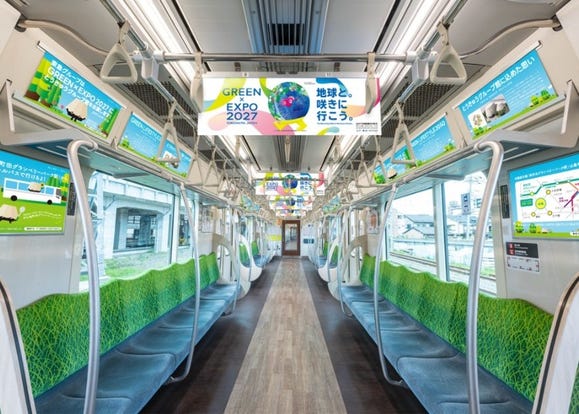
Japan's New GREEN LIFESTYLE TRAIN Connects Tokyo, Yokohama, and a Greener Future
by: Guest Contributor
-
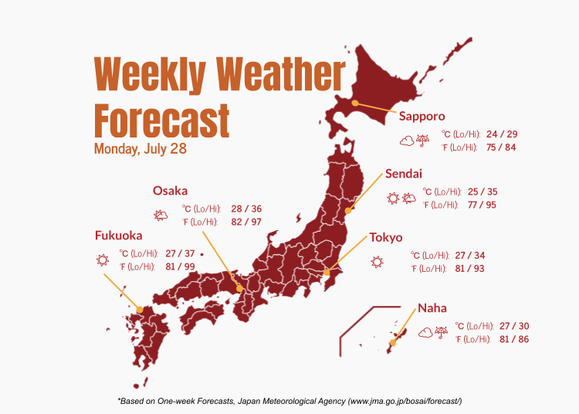
7-Day Japan Weather Forecast: Tokyo, Osaka, Sapporo, Sendai, Fukuoka, Naha – Plan & Pack Smart for Your Trip
-

Daikoku PA Car Meet: What Is JDM, and Why Do Enthusiasts Flock Here?
-
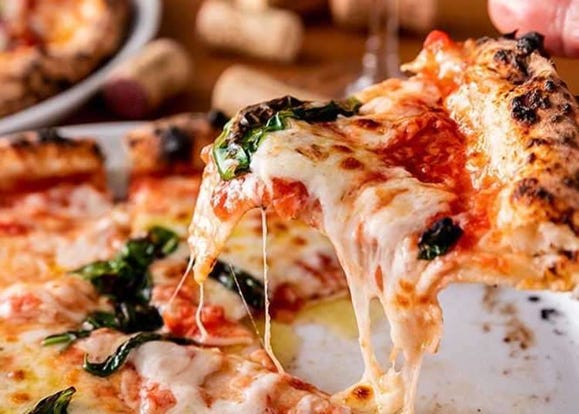
Top-Booked by International Visitors: Must-Try Italian & Pizza in Tokyo for First-Time Visitors
by: Guest Contributor
-
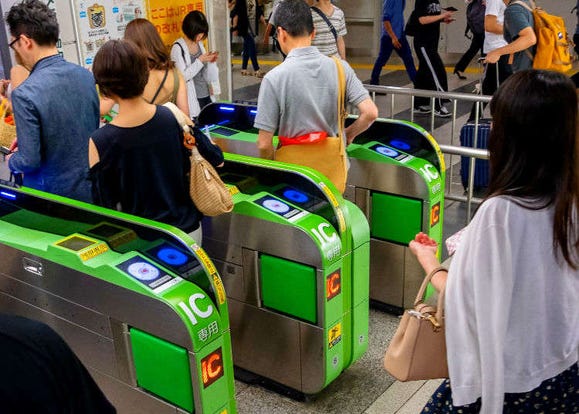
JR Edition: Visit all of Tokyo in one Day with the Tokyo Metropolitan District Pass!
-
Under The Tracks: Introducing 5 of Tokyo's Hot New Trendy Spots!
-

'Too Strict!' 7 Things That Shocked a French Tourist When Visiting Japan
-

'Is This Really Italian?!' Crazy Things About Japanese Food That Shocked an Italian Traveler
-

'It Might Look Tasty But...' The Weird Ways Japanese Sweets Surprised Foreigners
-
Kiyomizu-dera Temple: Guide to Visiting Kyoto's Most Famous Sightseeing Spot
- #best sushi japan
- #what to do in odaiba
- #what to bring to japan
- #new years in tokyo
- #best ramen japan
- #what to buy in ameyoko
- #japanese nail trends
- #things to do japan
- #onsen tattoo friendly tokyo
- #daiso
- #best coffee japan
- #best japanese soft drinks
- #best yakiniku japan
- #japanese fashion culture
- #japanese convenience store snacks