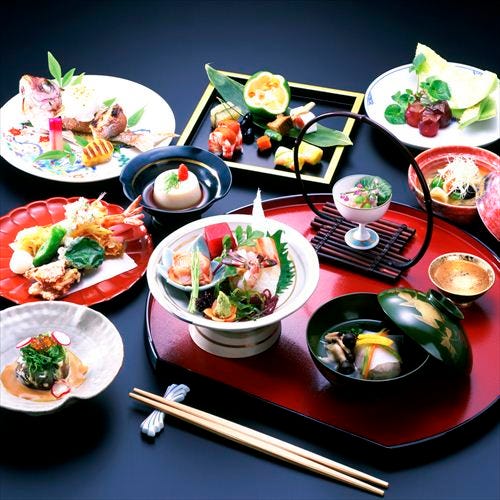






Step away from Tokyo’s bustle and settle in for a journey where the scenery shifts with the seasons and every course feels like a destination of its own. Come March 2028, that experience is set to reach a whole new level.
Seibu Railway has revealed its next-generation fine dining train, “vies.” More than just a train, this is a moving stage for gastronomy. It’s designed for slow travel, special occasions, and sharing memorable moments with the people who matter most. Here, we take a closer look at what makes this new experience so compelling, along with the history and culture that unfold along the Seibu Line itself.
- Table of Contents
A playful hidden message: a subtle nod to “Seibu”
There’s a clever detail hidden in the name. If you read “vies” from right to left, it becomes s-i-e-v—pronounced in Japanese in a similar manner to “Seibu.”
This kind of playful word design, reminiscent of traditional Japanese language games and palindromes, was created by renowned creative director Toshiyuki Konishi. Even the logo hints at this idea, with an underline that extends from the right, subtly guiding the eye in that direction.
In a world that prioritizes speed and efficiency, the logo’s soft, organic curves instead express something more deliberate: the luxury of slowing down and truly savoring time.
Design and Cuisine by Leading Creators
One of the most striking aspects of “vies” is the caliber of its creative team.
The train’s design is led by Kazuyo Sejima, a Pritzker Prize-winning architect often described as the Nobel laureate of architecture. She also designed Seibu Railway’s flagship limited express, Laview. Her signature approach, blending seamlessly with the surrounding landscape, is fully realized here. Expansive windows invite in natural light, enhancing each dish while creating a calm, enveloping space that feels connected to the scenery outside.
Cuisine driven by passion and place
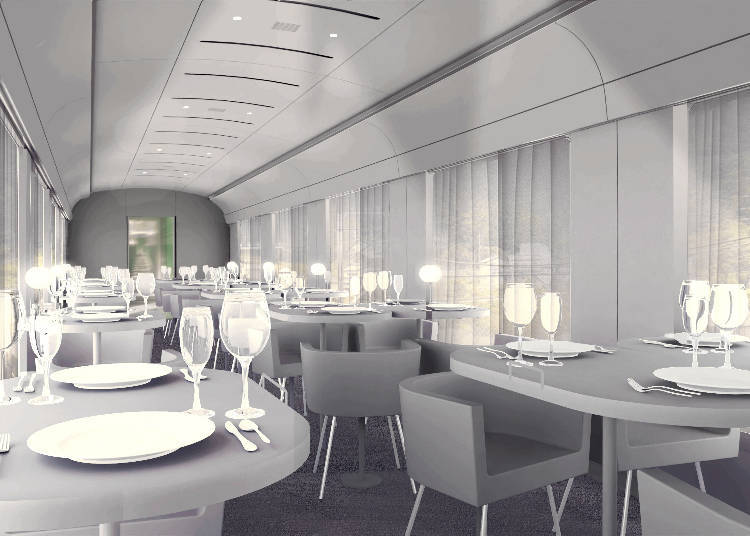
The culinary direction comes from Hideki Obude, executive chef at Balnibarbi, known for its portfolio of popular restaurants. Grounded in the Japanese philosophy that eating is an act of receiving life, the menu highlights seasonal ingredients sourced from along the railway line. As seen in the brand film, Chef Obude’s focused approach to each ingredient hints at something deeper, with every course telling its own story.
Along the Seibu Line: Where History and Culture Come to Life
The Seibu Line traces a region where Edo-period traditions and rich natural landscapes still coexist. Before or after your journey, there are plenty of places worth exploring.
1. Chichibu — A sacred land of gods and nature
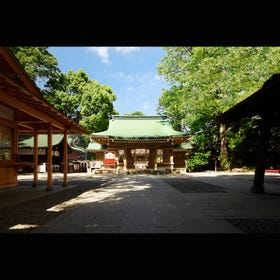
At the end of the Seibu Line lies Chichibu, an area long shaped by faith, craftsmanship, and the natural beauty of western Saitama. Centered around Chichibu Shrine, which has a history of more than 2,000 years, the town developed as a place of worship and pilgrimage. Even today, it feels distinct from Tokyo, with a deeper sense of seasonality and a quieter, more spiritual atmosphere.
One of Chichibu’s defining charms is how strongly the seasons shape the experience. In spring, Hitsujiyama Park draws visitors with its vivid moss phlox, which spreads across the hillside in sweeping bands of pink, purple, and white. Early summer brings fresh greenery to the valleys and river gorges, while autumn colors transform the mountains into rich shades of red and gold. In winter, the famous Misotsuchi Icicles create a striking landscape that highlights the area’s raw natural beauty.
Chichibu is also known for traditions that remain closely tied to local identity. Chichibu Meisen, a distinctive silk textile, is one example. Also used in the interiors of Seibu’s “52 Seats of Happiness” train, it is prized for its bold patterns and the unique hogushi-ori weaving technique that once captivated fashion-conscious people across Japan. This spirit of artistry and regional pride still lingers throughout the area.
The wider region also rewards travelers who want to explore beyond the station area. Nearby Nagatoro offers another side of Chichibu, with river scenery, rocky gorges, and a more relaxed outdoor feel that changes beautifully with the seasons. It is the kind of place where boat rides, walks by the water, and views of the surrounding mountains make the landscape feel especially close.
Chichibu has also gained attention for its food and drink culture. Among the area’s best-known names is Ichiro’s Malt, the internationally acclaimed whisky brand with roots in Chichibu. Its growing reputation adds another layer to the region’s appeal, showing how this historic area continues to produce craftsmanship that resonates far beyond Japan.
-

-
Address
Chichibu-shi, Saitama Banba 1-3, 368-0041
View Map -
Nearest Station
Chichibu Station (Chichibu Railway)
3 minutes on foot
- Phone Number 0494-22-0262
-
Address
Chichibu-shi, Saitama Banba 1-3, 368-0041
2. Kawagoe — Step into the nostalgic streets of “Little Edo”
Just a short trip from central Tokyo, Kawagoe offers a glimpse into the atmosphere of old Edo. The town developed as an important northern stronghold and trading hub, and much of that legacy remains visible today. Walking through its streets, you will notice rows of kura-style warehouses, with thick clay walls and traditional facades that preserve the look and feel of centuries past.
At the heart of this historic town stands Toki no Kane, a symbol of Kawagoe that has marked the passage of time since the early Edo period. The bell still rings four times a day, its sound echoing through the streets and connecting the present with the rhythms of the past. In fact, the bell tower’s chimes are designated as one of the “100 Best Soundscapes in Japan,” to be protected by the Ministry of the Environment.
Kawagoe’s charm also shifts with the seasons. In late April, just before Golden Week, colorful carp streamers known as koinobori are strung across parts of the town, gently swaying above the streets and waterways. Their movement in the spring breeze adds a festive, family-oriented atmosphere and signals the arrival of Children’s Day.
In summer, Kawagoe Hikawa Shrine hosts its well-known wind chime displays, where hundreds of glass chimes create a cooling soundscape that complements the heat of the season. Then on October 14, the Kawagoe Festival transforms the town into a vibrant stage of towering floats, traditional music, and lantern-lit processions, offering a vivid glimpse into Edo-period celebration culture that continues today.
Beyond its landmarks, Kawagoe invites slow exploration. Strolling along Candy Alley, browsing small shops, or sampling local sweets adds to the sense of stepping back in time.
-
-
Address
2-11-3 Miyashitamachi, Kawagoe City, Saitama Prefecture, 350-0052
View Map -
Nearest Station
Kawagoe Station (JR Kawagoe Line / Tobu Tojo Line)
10 minutes by bus
- Phone Number 049-224-0589
-
Address
2-11-3 Miyashitamachi, Kawagoe City, Saitama Prefecture, 350-0052
A Promise for Two Years From Now: A Special Pre-Launch Campaign
If March 2028 feels far off, here’s something to look forward to sooner. Seibu Railway has launched a campaign offering a chance to experience “vies” ahead of its official debut.
The theme is “A Promise for Two Years Later.” A milestone birthday, an anniversary, or simply a moment of gratitude. Participants are invited to share how they’d like to spend a meaningful day aboard “vies” in 2028.
Prize: Invitation to a special chartered ride (up to 15 groups, 50 guests total)
Application deadline: March 31, 2027 (may close early)
How to apply:
・Instagram: Follow @seibu_vies and comment with who you’d like to travel with
・X: Follow @seibu_event and repost
・Application form: Submit a story of 100 words or more (increases your chances). See the official website for details.
Entries are open worldwide. Your message to someone important could become part of this train’s very first story.
How Japan Turned Train Travel Into a Dining Experience
Japan has long had a strong culture of ekiben (train bentos), but in recent years, that has evolved into something more immersive: full-course dining experiences on board. Since 2016, Seibu’s “52 Seats of Happiness,” designed by Kengo Kuma, has set the standard. “vies” builds on that success, taking both quality and personalization even further.
A New Chapter Begins
Just a few hours from Tokyo, an entirely different kind of journey awaits. Fine Dining Train “vies” isn’t just about luxury. It’s a space to experience Japan’s changing seasons, its deep-rooted craftsmanship, and most of all, meaningful time with the people who matter to you.
Come March 2028, when the doors open, you’ll be stepping into scenery and flavors you won’t soon forget.
Thinking about your next trip? Now might be the perfect moment to look ahead. Why not make a promise for two years from now, to your future self and someone special?
(Source/Main Image :Seibu Railway Co., Ltd.)
- Area
- Category
*Prices and options mentioned are subject to change.
*Unless stated otherwise, all prices include tax.
Popular Tours & Activitiess
Recommended places for you
-
Ueno Zoo (Ueno Zoological Gardens)
Zoos, Aquariums & Botanical Gardens
Ueno
-

Hato Bus Tokyo city tours
Adventure Activities
Tokyo Station
-
Tokyo Metropolitan Government
Landmarks
Shinjuku
-
Tokyo Disney Sea®
Theme Parks
Chiba Suburbs
-

NISSAN CROSSING
Adventure Activities
Ginza
-
Shinjuku Gyoen National Garden
Gardens
Shinjuku
-
Grand Reopening! The Edo-Tokyo Museum Returns After 4 Years: New Highlights, Interactive Tech, and Limited-Edition Goods
-

No Suitcases, No Stress! Tokyo's Haneda Airport Begins New Same-Day Haneda Luggage Delivery
by: Guest Contributor
-

Front-Row Seat by the Sea: Inside the Newly Opened La Vista Atami Terrace and Its Unique Everyday Escape
by: Yukiko Honda
-

SILK AND ILY DONUT: Tokyo's New, Laid-Back Waterfront Shop Is A Real Treat
by: Timothy Sullivan
-
No More Getting Lost in Tokyo's Subways! The "Magic Translation Terminal" Appearing at All 171 Stations Will Revolutionize Your Journey
by: Guest Contributor
-
2026 Japan Cherry Blossom Report: Tokyo at Peak Bloom
-
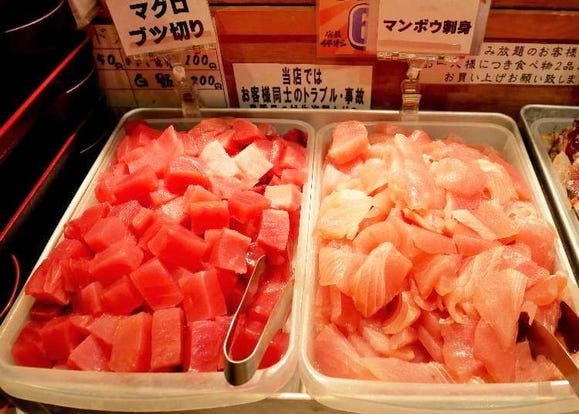
Numazuko Kaisho in Ueno: Good Quality, All-You-Can-Eat Seafood for Just US$12!?
-
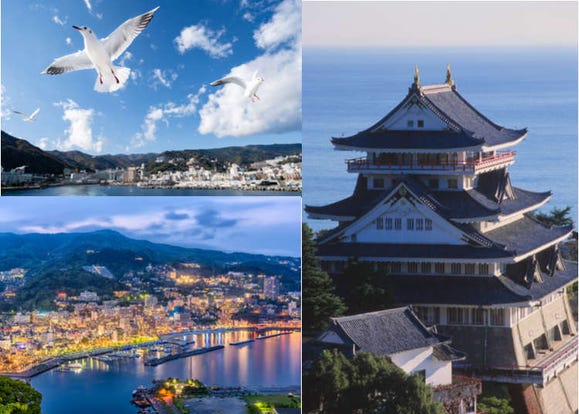
Atami 1-Day Itinerary: Exploring Japan's Castle & Hot Springs Resort Town Near Tokyo!
-
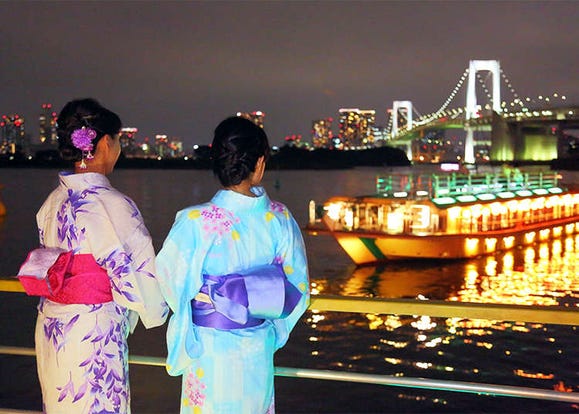
Yakatabune Boat Cruises in Tokyo Bay: Enjoy an Unforgettable Dinner on a Traditional Japanese Boat
-
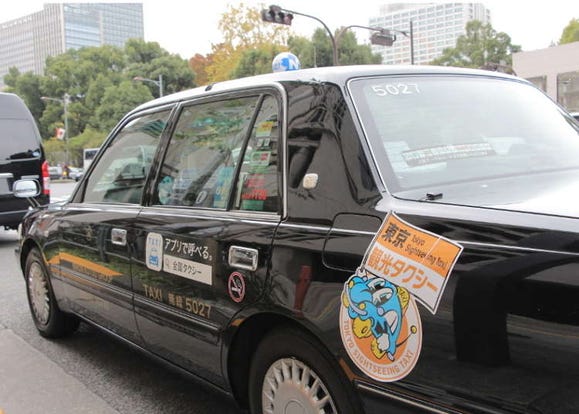
[MOVIE] Sightseeing Taxi: Tour Tokyo the Easy Way!
-
Tokyo Sightseeing Deals: 1 Day of Unlimited Rides on the Tokyo Skyhop Bus for Under $30!
-
Taking the Tokyo Asakusa Rickshaw Tour: Guide and First-Hand Experience! (Video)
by: Holly Neslusan
- #best ramen tokyo
- #what to buy in ameyoko
- #what to bring to japan
- #new years in tokyo
- #best izakaya shinjuku
- #things to do tokyo
- #japanese nail trends
- #what to do in odaiba
- #onsen tattoo friendly tokyo
- #daiso
- #best sushi ginza
- #japanese convenience store snacks
- #best yakiniku shibuya
- #japanese fashion culture
- #best japanese soft drinks