




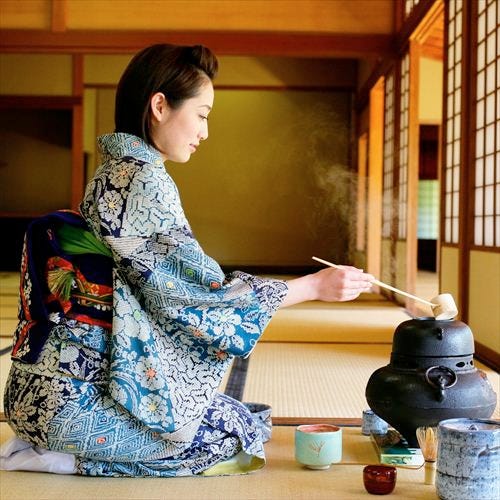


Do the cold winter months make you want to crawl back into bed and hibernate until cherry blossom season? There's no need to wish away the winter; here are five uniquely Japanese ways to keep warm during the coldest time of year. This season, enjoy Japan the cozy and toasty way!
Relax Under the “Kotatsu”
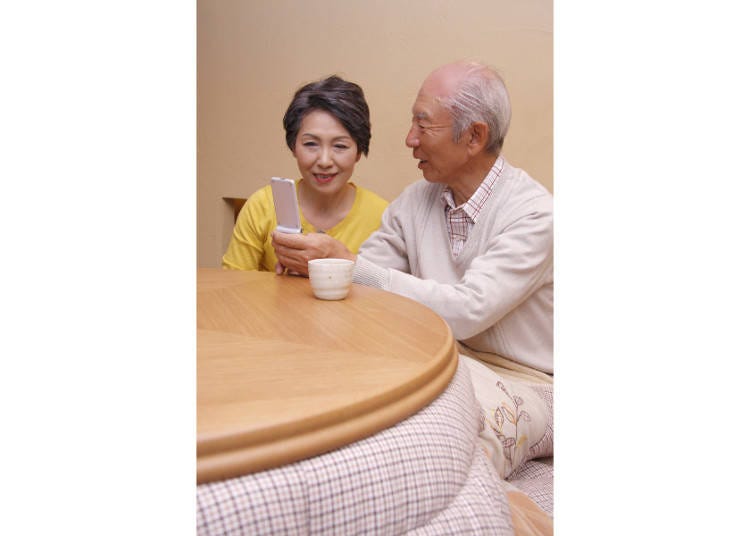
It may look like just a coffee table with a blanket sticking out of it, but the kotatsu is so much more. To understand the true beauty of this Japanese invention, you'll need to take a peek underneath.
What you can expect to find under the square-shaped table is a heating device that will keep your legs toasty and warm, while eating or watching TV. Japan's kotatsu has a history dating back to the 14th century Muromachi era, when it was originally called a “hori-gatsu,” when quilts were placed over the home cooking hearth. After several centuries and quite a bit of evolution, the kotatsu as we know it today (an electrically heated table covered by a specially made blanket) is enjoyed by modern Japanese families looking to keep warm each winter.
Eat “Nabe” or "Nabemono" – Japanese Hot Pot
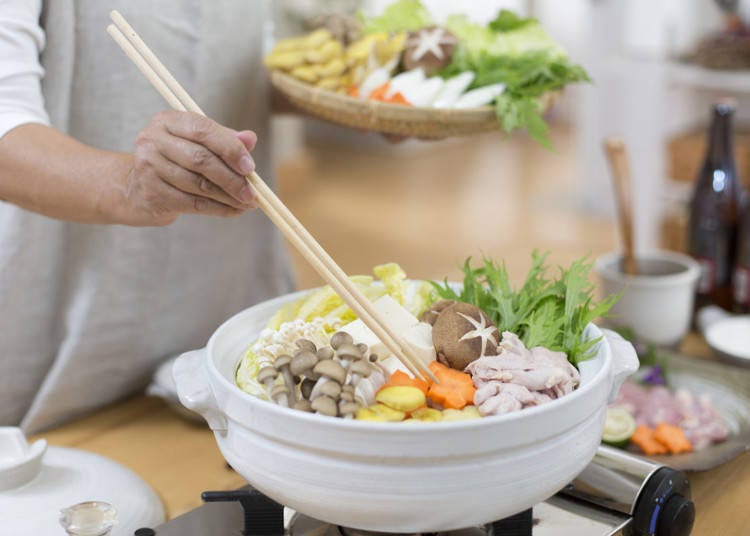
The hot pot dish known as “nabemono” or simply, “nabe,” is a winter time staple in Japan. As a matter of fact, the chanko variety of nabe is famous for being a traditional favorite of sumo wrestlers! You'll find any number of ingredient combinations inside, although some popular foods are meat, seafood, tofu, mushrooms, shirataki (konjac noodles), negi (a type of long, thick green onion), cabbage, and other vegetables. Some popular types include kimchi nabe, mille-feuille nabe, and even curry nabe. If you'd like to try your hand at the dish, there's no need to be intimidated by rules – the limit of nabe variety extends only as far as the imagination of the cook!
Take a Fruity Bath
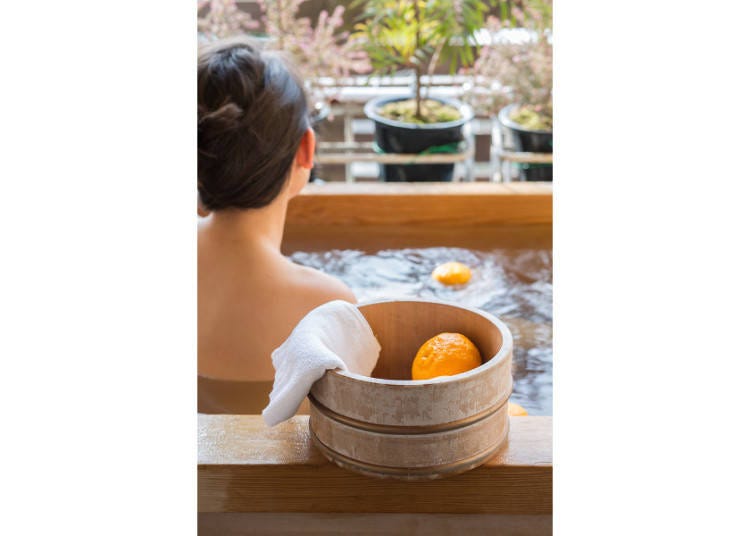
Whether it's called “onsen” (hot spring), “sento” (a communal bath house), or “ofuro” (bath), it's no secret that the Japanese love their baths. Not just a way to get clean, in Japan, bathing is almost a national pastime, a way to unwind, while socializing with family and friends. While bathing is certainly enjoyed year-round, the colder months make for especially inviting time to take a dip, when Japanese citrus fruits like yuzu or decopon are used as a fragrant and refreshing bath addition. Some sento may even include whole fruits that float freely in the bath. It may look a little silly at first glance, but try it for yourself and it won't be long before you're a fruit bath addict!
Keep a “Kairo” on Hand
If you are heading outside, or just spending time in a drafty house, you might want to invest in some of these hot packs. Simply open the package, and it will be just a matter of seconds before you have a perfect, portable pocket of heat! The heat is produced by a fairly simple chemical reaction between iron, and the air’s oxygen and water. There are some kairo that are made for holding or keeping in your pocket, while others have an adhesive that allows you to attach it onto clothing easily, as well as reusable types that can be heated in the microwave again and again, for those who want an eco-friendly way to keep their hands warm.
Drink a Cup of “Shouga-yu” – Ginger Water / Tea
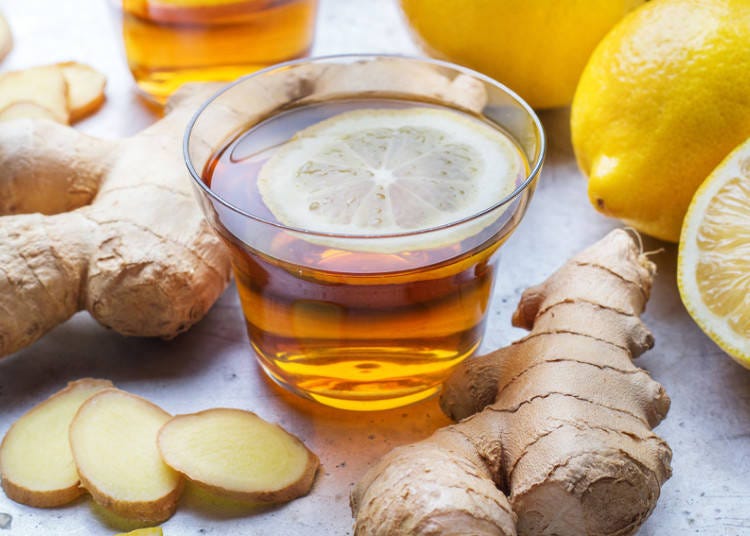
While the spicy taste is a treat itself, ginger has been known to increase blood flow, increasing circulation, which in turn, heats the body. There are also a number of health benefits that have been attributed to ginger, such as helping prevent colds, relieving pain and nausea, and even aiding in weight loss. How do people make this miracle in a teacup? Just grate fresh ginger (found in just about any Japanese supermarket) into some hot water, add some honey and lemon if you'd like, and you have a delicious homemade shouga-yu! If you'd like something even easier, you can also buy the ever-popular powdered shouga-yu sold in just about any Japanese supermarket–just add hot boiled water and mix!
What's your favorite way to warm up in, or out of Japan? Let us know on any of our social media platforms!
*Prices and options mentioned are subject to change.
*Unless stated otherwise, all prices include tax.
Popular Tours & Activities
Recommended places for you
-
ISHIDAYA Hanare
Yakiniku
Kobe, Sannomiya, Kitano
-
Tsukiji Outer Market
Old Towns (Shitamachi)
Tsukiji
-
Jukuseiniku-to Namamottsuarera Nikubaru Italian Nikutaria Sannomiya
Izakaya
Kobe, Sannomiya, Kitano
-
Goods
Yoshida Gennojo-Roho Kyoto Buddhist Altars
Gift Shops
Nijo Castle, Kyoto Imperial Palace
-

Tokyo Metropolitan Government
Landmarks
Shinjuku
-
Appealing
Rukku and Uohei
Izakaya
Sapporo / Chitose
-

Best Sumo Shows & Experiences in Tokyo (2026): Prices Compared
-

ANA’s Chiikawa Jet Is Taking Off—Here’s Everything You Need to Know About Exclusive Goods, In‑Flight Fun & Travel Tips
by: Guest Contributor
-

Seibu Group Launches New Chichibu Adventure Tourism Experience for International Travelers in 2026
by: Guest Contributor
-

Top-Booked by International Visitors: Must-Try Italian & Pizza in Tokyo for First-Time Visitors
by: Guest Contributor
-
Ad
Pocket WiFi Rental in Japan 2026: Complete Price Comparison & Where to Get the Best Deal
-
Autumn in Japan 2026: Fall Foliage Forecast & Where to Enjoy the Colorful Leaves (+Tour Info)(Updated Oct 1)
-
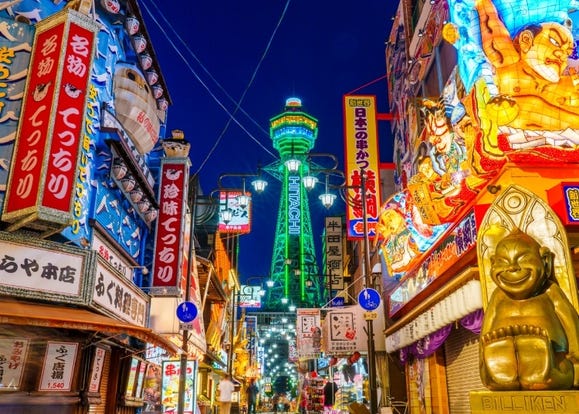
Visiting Tsutenkaku Tower: Osaka's Retro Icon in the Heart of Shinsekai
by: Guest Contributor
-

8 Fun Things to do in Hokkaido in Winter
by: Andy Cheng
-

Cleansing with Fire: Spiritual Bonfires during Japanese New Year!
-

December Events in Kansai: Fun Festivals, Food, and Things to Do in Kyoto & Osaka
-

Takahan Ryokan: Enjoy Spectacular Hot Spring Views at Yuzawa's Premier Traditional Inn!
-
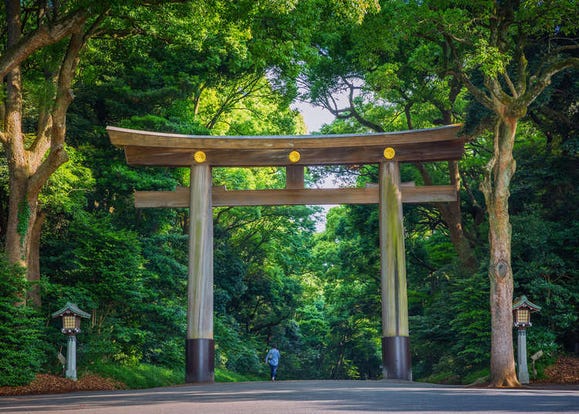
Meiji Shrine (Meiji Jingu): Exploring the Sacred Sanctuary of Peace in Bustling Tokyo
- #best sushi japan
- #what to do in odaiba
- #what to bring to japan
- #new years in tokyo
- #best ramen japan
- #what to buy in ameyoko
- #japanese nail trends
- #things to do japan
- #onsen tattoo friendly tokyo
- #daiso
- #best coffee japan
- #best japanese soft drinks
- #best yakiniku japan
- #japanese fashion culture
- #japanese convenience store snacks