



Japanese people are accustomed to eating curry and rice cooked at home since their childhood. Many Japanese people also love ethnic dishes of the countries which are famous for curries. Speaking of curry, Indian curries used to be the most famous in Japan. However, Nepalese curries are becoming popular in Japan these days.
The history of Nepalese cuisine in Japan
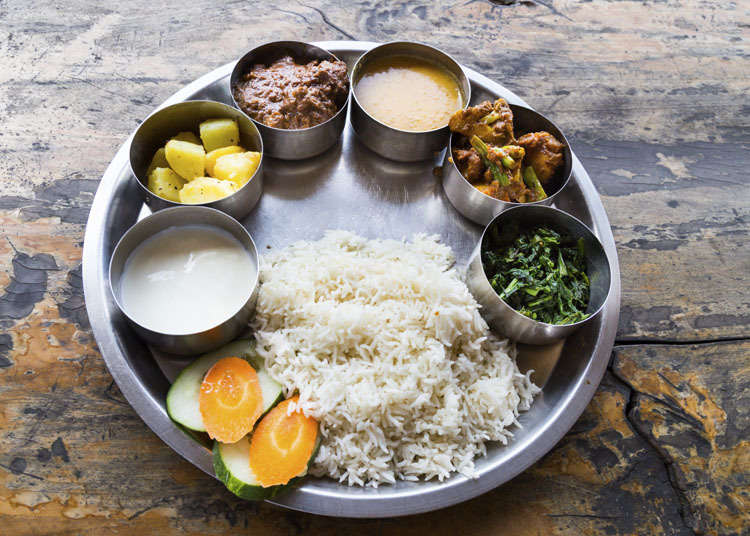
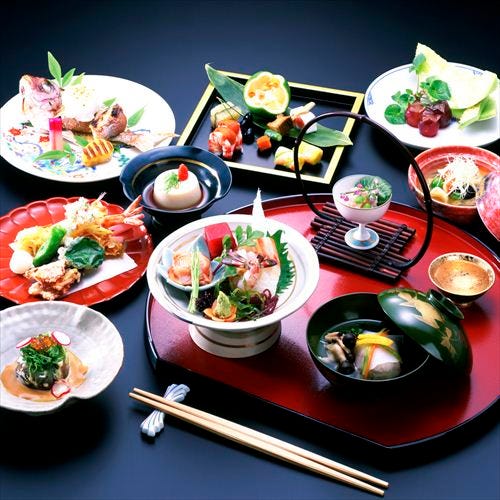
When Japanese people are asked about Nepalese cuisine, most first mention curry. Many Indian curry restaurants have opened in Japan since 2000. At the same time, Nepalese curries also drew attention. There aren't many Nepalese restaurants in Japan, but the number gradually is increasing. For most Japanese people, the difference between Indian cuisine and Nepalese cuisine is not clear, and thus many restaurants serve both cuisines.
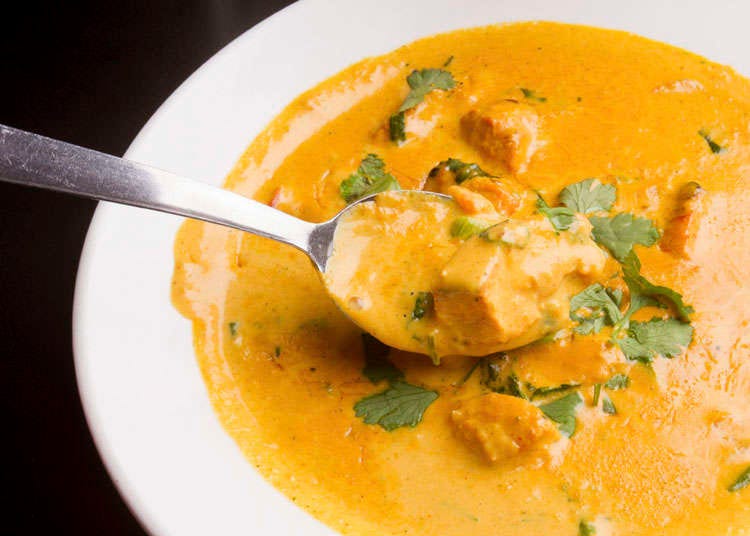
Tarkari (Nepalese curry)
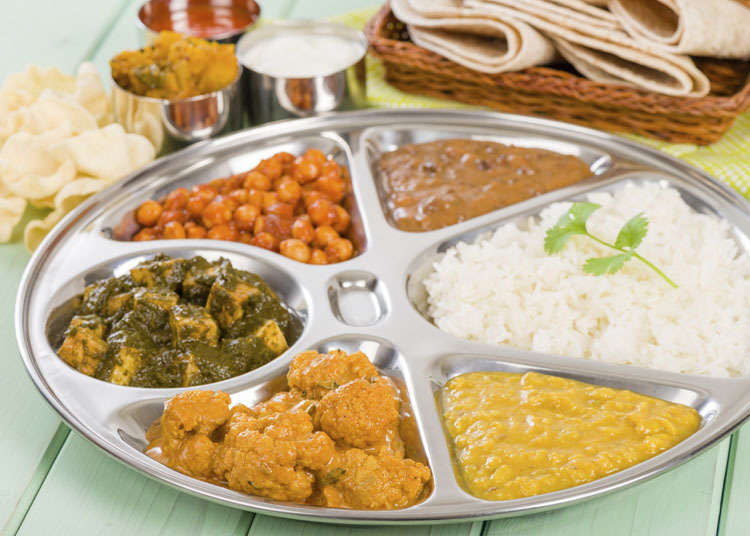
Tarkari means side dish in Nepalese but in Nepalese restaurants in Japan it often means Nepalese curry. Spices used in tarkari are called masala and a variety of masala is blended. It is cooked with less oil and its texture is smooth compared to Indian curry.
Momo (Nepalese dumpling)
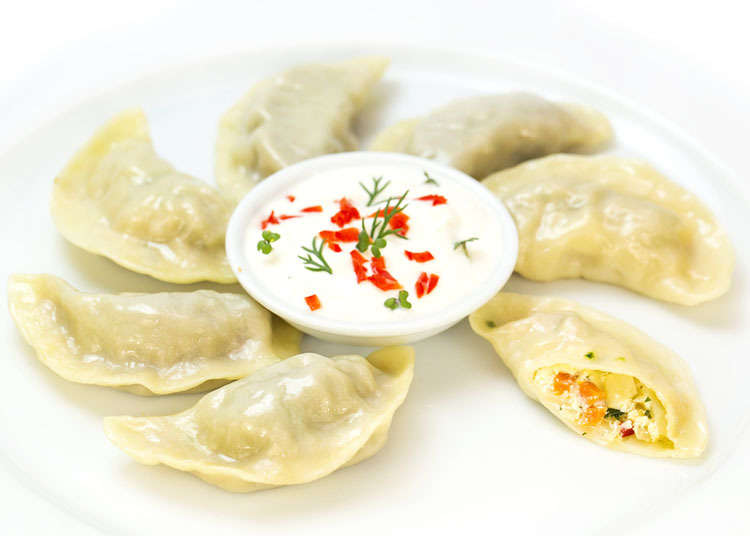
Fried gyoza dumplings with minced meat and vegetables fillings are very popular in Japan and everyone from small children to adults enjoy gyoza at home or in restaurants. Nepalese momo are similar to gyoza and many Japanese people love them as Nepalese gyoza. Momo is a steamed dumpling with minced meat and vegetable filling. They are usually eaten with a bit of spicy sauce.
Where to find it in Japan
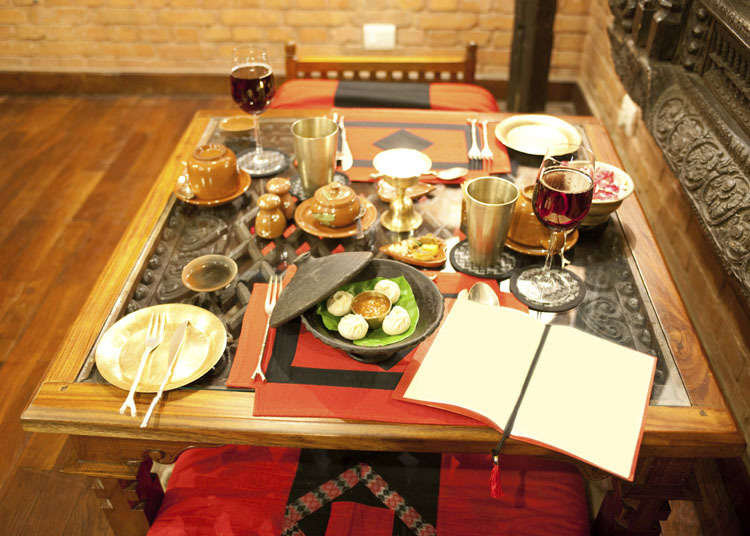
There are Nepalese restaurants in Ebisu and Nakaitabashi, Tokyo. Most chefs are Nepalese and serve authentic Nepalese cuisine including tarkari. The number of Nepalese restaurants is gradually increasing. Many Indian restaurants in Japan hire Nepalese chefs. So it might be a good idea to ask if they serve Nepalese cuisine.
- Category
*Prices and options mentioned are subject to change.
*Unless stated otherwise, all prices include tax.
Popular Tours & Activities
Recommended places for you
-
Ishiguro Samurai House
Historical Places
Surrounding Areas Of Akita
-
Goods
Yoshida Gennojo-Roho Kyoto Buddhist Altars
Gift Shops
Nijo Castle, Kyoto Imperial Palace
-
Jukuseiniku-to Namamottsuarera Nikubaru Italian Nikutaria Sannomiya
Izakaya
Kobe, Sannomiya, Kitano
-
Appealing
Rukku and Uohei
Izakaya
Sapporo / Chitose
-
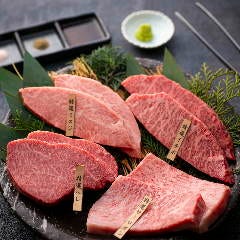
ISHIDAYA Hanare
Yakiniku
Kobe, Sannomiya, Kitano
-
Appealing
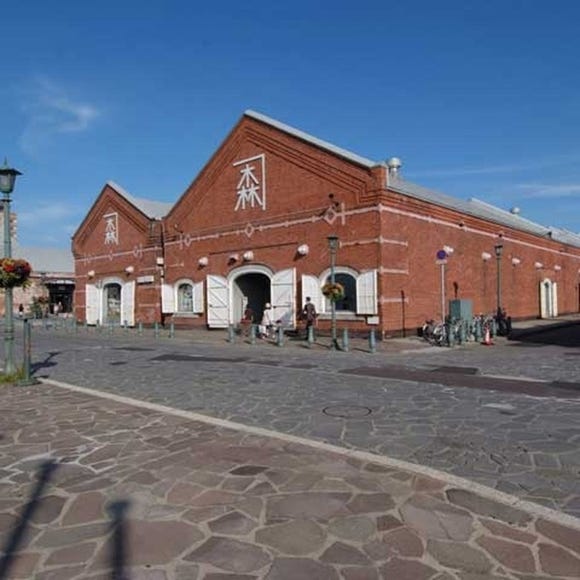
Kanemori Red Brick Warehouse
Shopping Malls
Hakodate
-
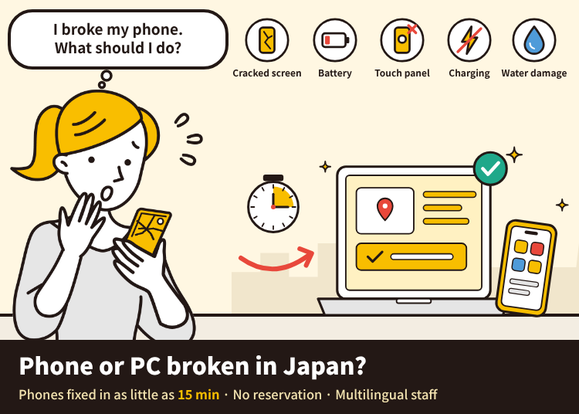
Cracked Phone Screen in Japan? Smahospital Repair Guide: Keep Your Data, Fixed in 15 Min, Multilingual Support | Up to 10,000 Yen Off with LIVE JAPAN Coupon
-
Ad
Pocket WiFi Rental in Japan 2026: Complete Price Comparison & Where to Get the Best Deal
-

Daikoku Car Meet Guide: How to Visit, Best Times & Rules
-
Ad
Do’s and Don’ts: The Complete Guide to Sento Baths! Getting the Full Experience In Ueno’s Famous Kotobuki-yu
-
Autumn in Japan 2026: Fall Foliage Forecast & Where to Enjoy the Colorful Leaves (+Tour Info)(Updated Oct 1)
-
Haneda Airport Duty-Free Shopping Guide: What to Buy, How to Save & Where to Eat Before Your Flight
by: Guest Contributor
-
5 Popular Things to do in Umeda - Osaka's Central Area!
by: WESTPLAN
-
Visiting Tsutenkaku Tower: Osaka's Retro Icon in the Heart of Shinsekai
by: Guest Contributor
-

Shopping in Japan 2026: Annual Sale Calendar, Best Deals & Where to Shop
-
Kiyomizu-dera Temple: Guide to Visiting Kyoto's Most Famous Sightseeing Spot
-
Visiting Japan's Miffy Cafe Will Make Your Heart Melt (Photos)
-

Popular Food at Universal Studios Japan
by: WESTPLAN
- #best sushi japan
- #what to do in odaiba
- #what to bring to japan
- #new years in tokyo
- #best ramen japan
- #what to buy in ameyoko
- #japanese nail trends
- #things to do japan
- #onsen tattoo friendly tokyo
- #daiso
- #best coffee japan
- #best japanese soft drinks
- #best yakiniku japan
- #japanese fashion culture
- #japanese convenience store snacks