




We will be introducing the traditional techniques and the history of kinko (metalwork) which has been nurtured since long ago in Japan.
Traditional Techniques of Metalwork
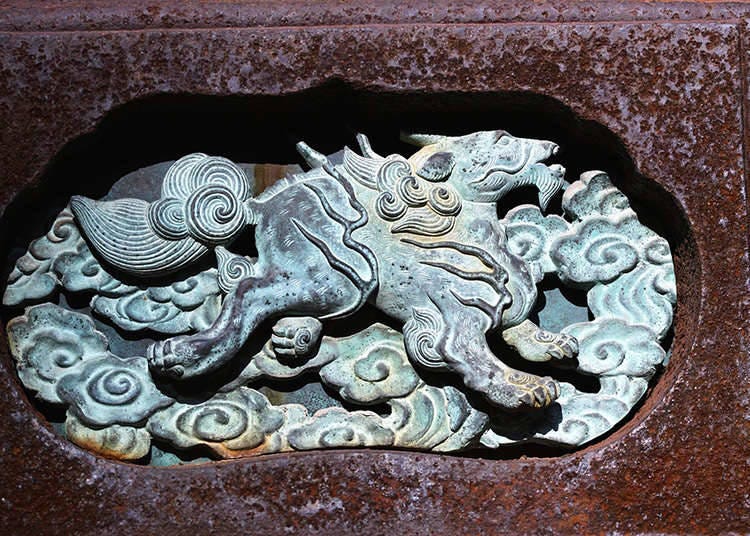
Kinko, the Japanese word for metalwork, refers to the industrial art of crafting metals, as well as the artisans who craft metalwork. For metalwork, a wide variety of materials such as gold, silver, iron, and bronze are used. Metalwork technique has three classifications: tankin (hammering), chukin (casting), and chokin (engraving).
What is Tankin?
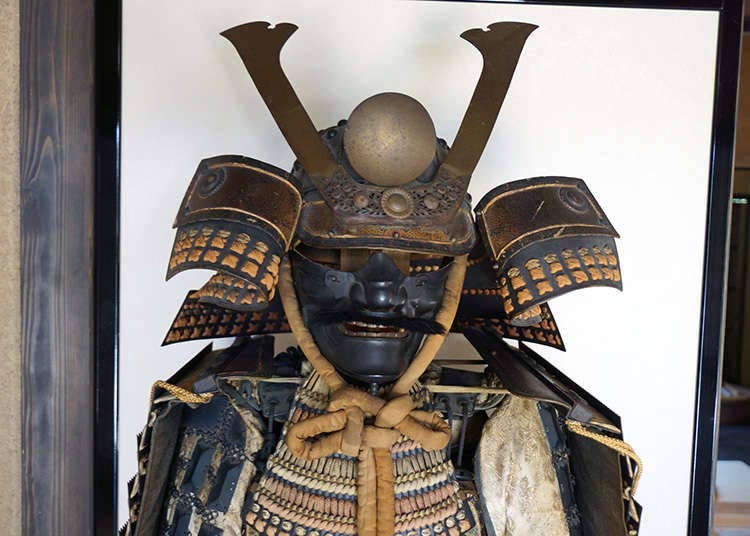
Tankin is the process of changing the shape of metal by hammering. When it was first introduced to Japan in the Yayoi period, the technique was used to create bronze mirrors, iron swords, and armors. During the Asuka period, it was also used for creating Buddhist altar equipment.
What is Chukin?
Chukin is a technique where molten metal is poured in a mold called igata and left to be cooled to harden the metal. When the metal is taken out from the mold, the surface is polished to make it shiny. Casting is mainly used to create tea kettles, flower vases, and Buddhist statues. The statue of Buddha in Nara was made by this technique.
What is Chokin?
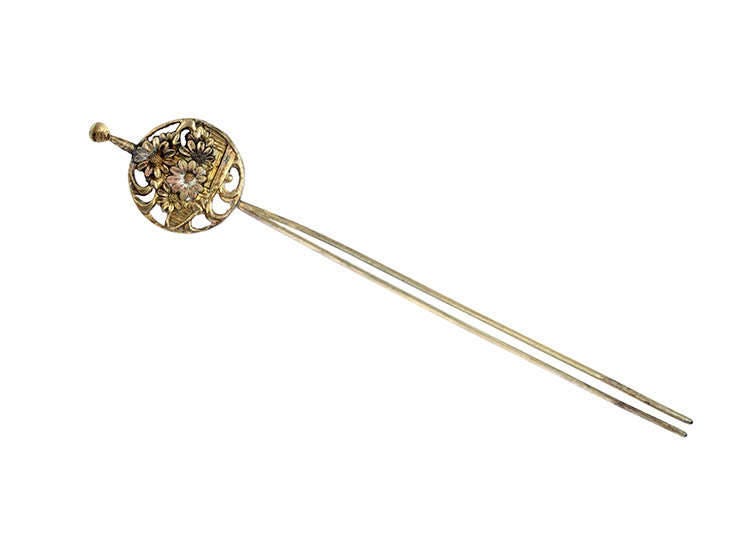
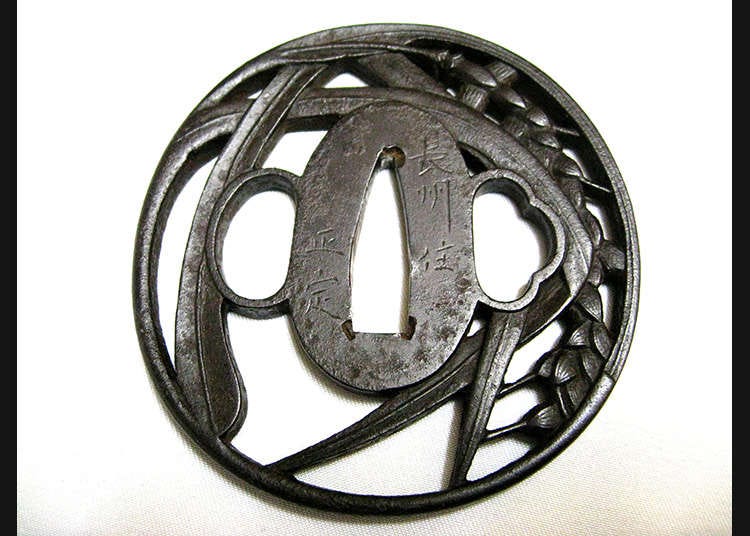
Chokin is a technique which uses a kind of chisel called tagane to engrave metal. Engraving is commonly used for fine, precise art works such as accessories and other ornaments. In the medieval feudal society, engraved patterns and pictures on tsuba (sword guard), which is set between the katana (blade) and e (grip) of a sword, were thought to be popular article to show the owner's sense of beauty, and nowadays such tsuba are highly evaluated for their sophisticated designs.
The Origin of Metalwork
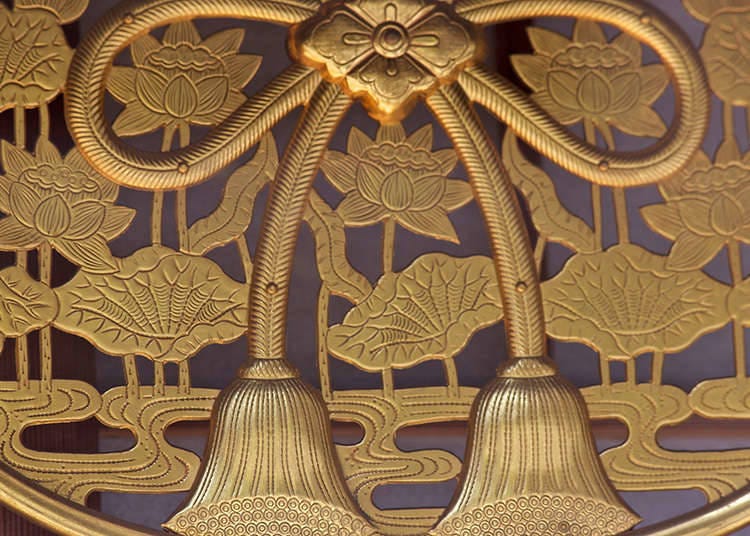
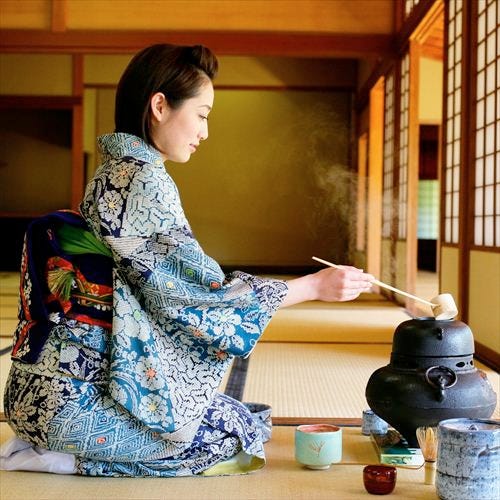
Metalwork was first introduced to Kyushu from the Chinese continent and Korean peninsula. In the beginning, it was used to create bronze bells and mirrors as ritual equipment. Very long after the introduction, with the development of Japanese tea culture, metalwork was preferably employed to create kettles for boiling water.
Metalwork in the Edo Period
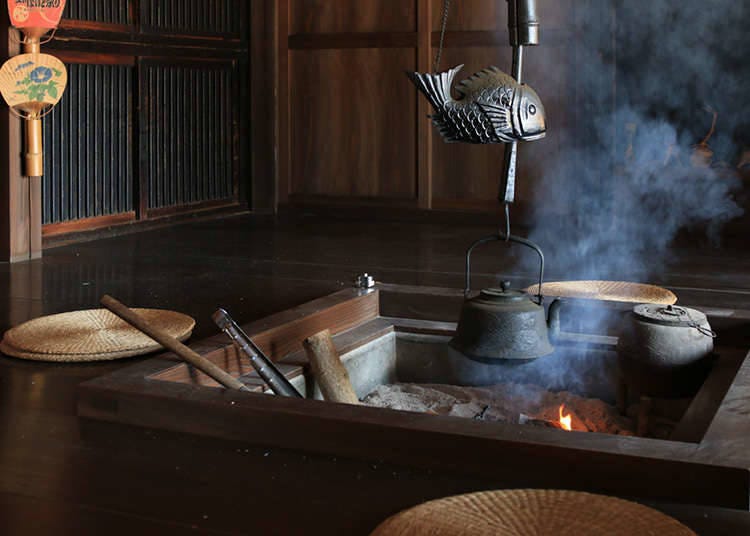
During the Edo period, people started to create various household goods and equipment by metalwork techniques. This made the daily lives livelier since such metalwork like statues, the smoking instrument kiseru, and iron kettles were decorated dazzlingly.
Metalwork Still in the Limelight
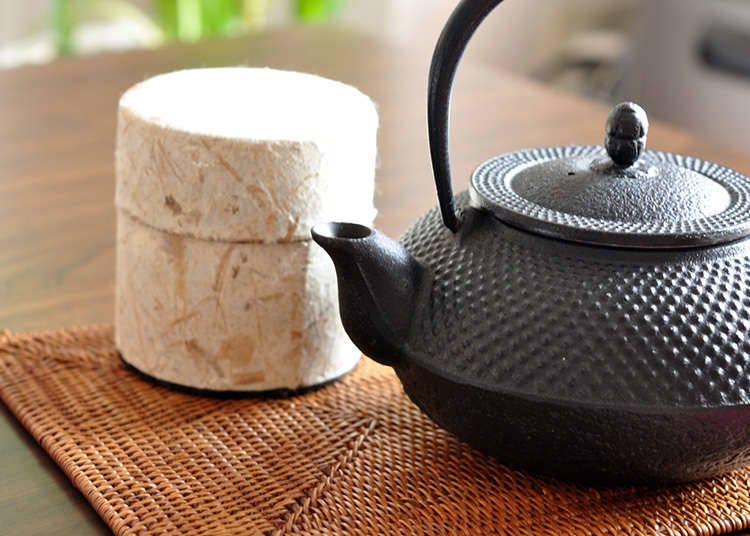
Now, handmade metalwork are still popular craft art in Japan and also exported to other countries. Among the various metalwork, Nambu-tekki (iron kettle made in Nambu area in northeastern region) is notable. This kind of kettle keeps the boiled water from cooling and the melted iron from the ironware is mixed in the boiled water. This useful and healthy goods is only one of the outcomes of the long history of Japanese metalwork.
- Category
*Prices and options mentioned are subject to change.
*Unless stated otherwise, all prices include tax.
Popular Tours & Activities
Recommended places for you
-
Goods
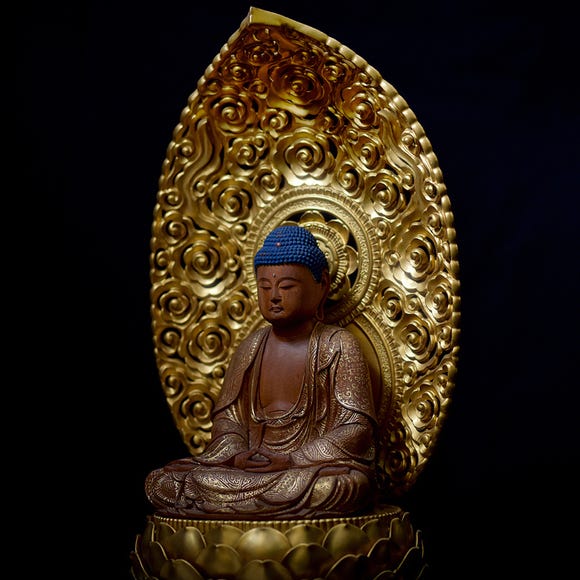
Yoshida Gennojo-Roho Kyoto Buddhist Altars
Gift Shops
Nijo Castle, Kyoto Imperial Palace
-
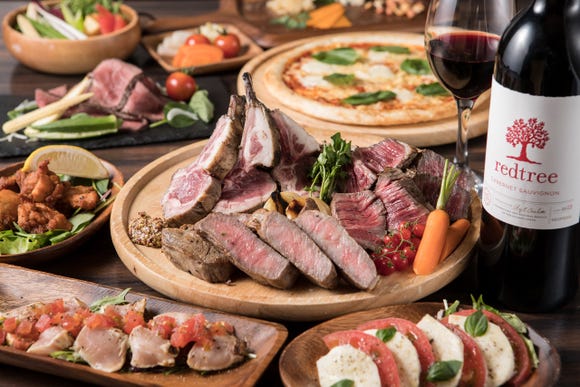
Jukuseiniku-to Namamottsuarera Nikubaru Italian Nikutaria Sannomiya
Izakaya
Kobe, Sannomiya, Kitano
-
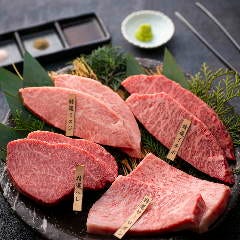
ISHIDAYA Hanare
Yakiniku
Kobe, Sannomiya, Kitano
-
Appealing
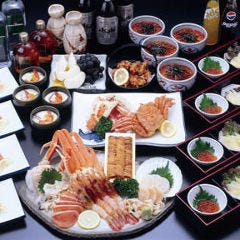
Rukku and Uohei
Izakaya
Sapporo / Chitose
-
Appealing
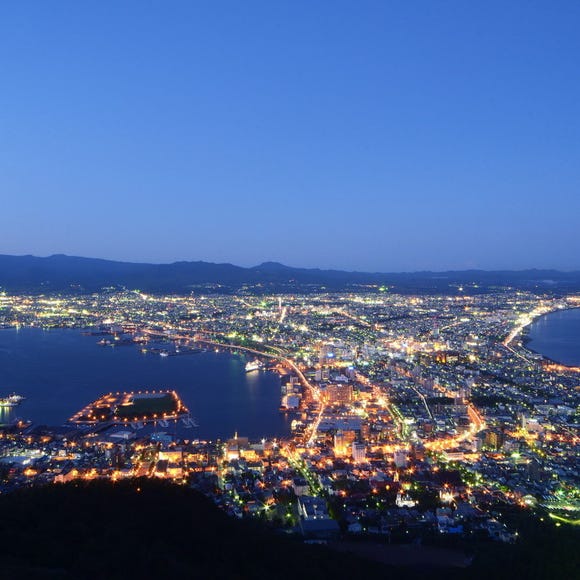
Mt. Hakodate Observatory
Forests & Mountains
Hakodate
-
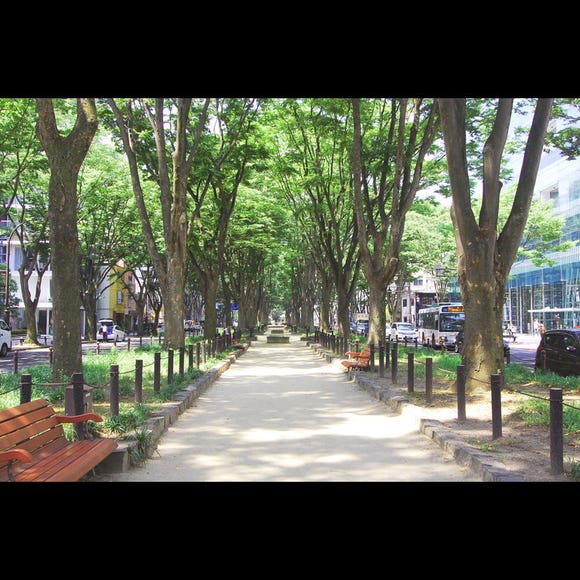
Jozenji Street
Other Townscapes
Sendai And Matsushima
-
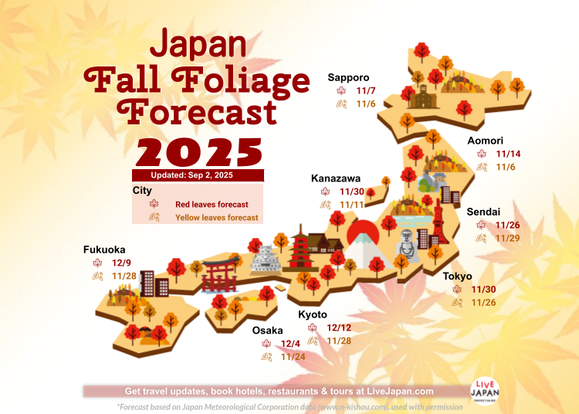
Autumn in Japan 2026: Fall Foliage Forecast & Where to Enjoy the Colorful Leaves (+Tour Info)(Updated Oct 1)
-
Ad
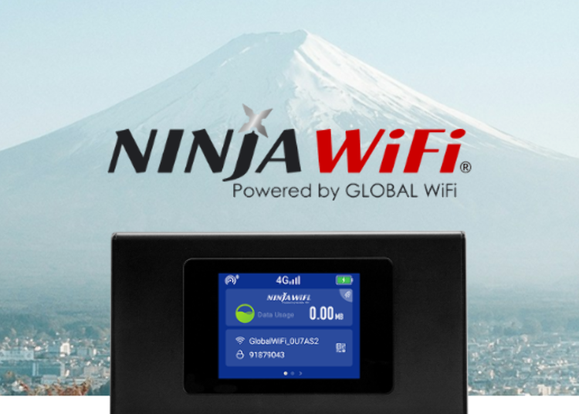
Pocket WiFi Rental in Japan 2026: Complete Price Comparison & Where to Get the Best Deal
-

ANA’s Chiikawa Jet Is Taking Off—Here’s Everything You Need to Know About Exclusive Goods, In‑Flight Fun & Travel Tips
by: Guest Contributor
-
Ad
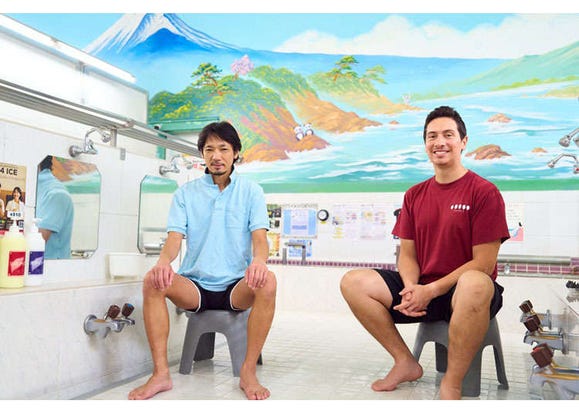
Do’s and Don’ts: The Complete Guide to Sento Baths! Getting the Full Experience In Ueno’s Famous Kotobuki-yu
-
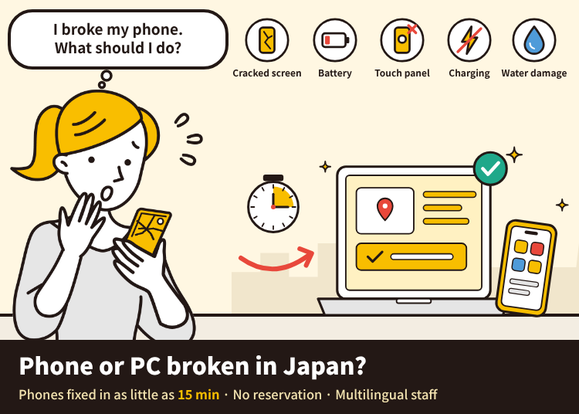
Cracked Phone Screen in Japan? Smahospital Repair Guide: Keep Your Data, Fixed in 15 Min, Multilingual Support | Up to 10,000 Yen Off with LIVE JAPAN Coupon
-

Seibu Group Launches New Chichibu Adventure Tourism Experience for International Travelers in 2026
by: Guest Contributor
-

The Ultimate Niigata Bucket List: 28 Best Things to Do in Japan's 'Snow Country'
by: Guest Contributor
-
Shopping in Sendai: Best Outlet Malls, Tax-Free Stores & Souvenirs for Tourists
-
5 Amazing Kyoto Festivals You'll Want to Experience During Your Next Trip
by: Guest Contributor
-
Dining in Kyoto: Best Restaurants for Kaiseki, Sushi, Cafes & More
-
Japan Travel Guide: The Top 10 Cities You Have to Visit! Where Should You Go in Japan?
-
Ippudo Osaka and More: These 5 Ramen Restaurants in Osaka Are Going Viral
by: WESTPLAN
- #best sushi japan
- #what to do in odaiba
- #what to bring to japan
- #new years in tokyo
- #best ramen japan
- #what to buy in ameyoko
- #japanese nail trends
- #things to do japan
- #onsen tattoo friendly tokyo
- #daiso
- #best coffee japan
- #best japanese soft drinks
- #best yakiniku japan
- #japanese fashion culture
- #japanese convenience store snacks