




What to Do in Tokyo in January: New Year Events, Food, and Shows
- Written by: LIVE JAPAN Editor
Tokyo in January is where New Year traditions meet winter-only treats. Start with classic experiences like hatsumode shrine visits, the year’s first sunrise, and lively mochi-pounding events, then mix in modern celebrations like Tokyo Disney Resort’s limited-time New Year program and special cruises across Tokyo Bay. From iconic spots like Sensoji Temple and Meiji Shrine to seasonal shows, food festivals, and cozy indoor exhibits, January is packed with easy-to-plan ways to kick off the year in Tokyo.
(We may earn from affiliate links or coupons in this article; featured facilities and experiences meet our editorial standards.)

Theme Park Events
Tokyo Disney Resort’s New Year Celebration (Maihama, Chiba)
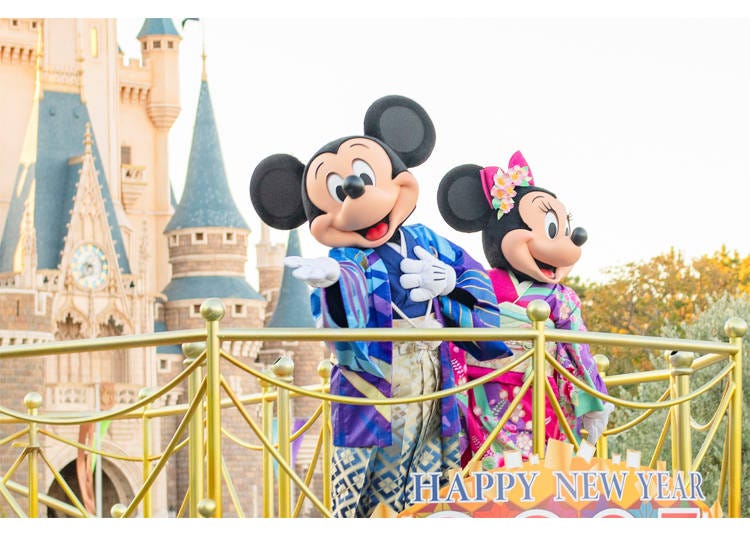
From January 1–12, 2026, Tokyo Disney Resort will host special New Year’s events.
At Tokyo Disneyland, enjoy the "New Year’s Greeting" along the parade route. Mickey Mouse and friends, dressed in traditional Japanese attire, are joined by a 12-person band to celebrate the New Year with festive music (approximately 25 minutes, held twice daily). Additionally, the entrance to World Bazaar will showcase decorative kadomatsu featuring Horace Horsecollar (honoring the 2026 Zodiac sign, the Horse) alongside Mickey Mouse. These decorations will be on display from December 27, 2025, through January 12, 2026.
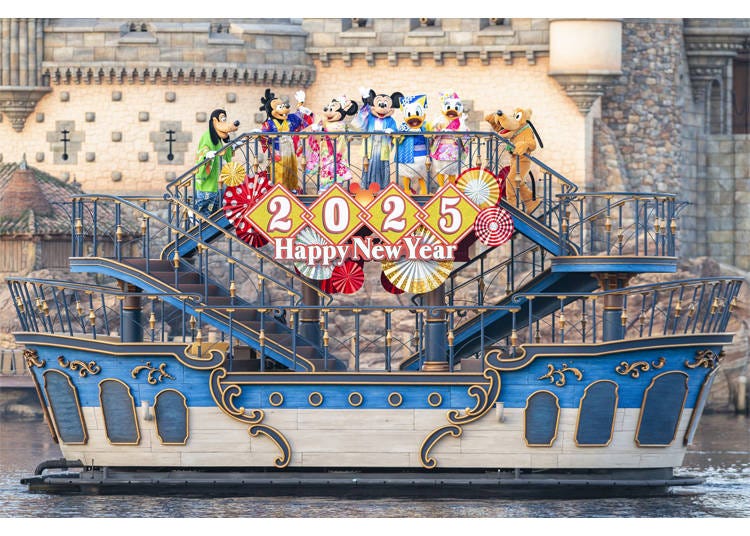
At Tokyo DisneySea, don't miss the "New Year’s Greeting" at Mediterranean Harbor, where Mickey Mouse and friends, dressed in traditional Japanese attire, make a festive entrance aboard a boat to share their New Year wishes (approximately 10 minutes, held twice daily). You’ll also find decorative kadomatsu at the entrance to MiraCosta Street, adding to the celebratory spirit.
As a special treat for Marvel fans, "It's a Small World with Groot" runs throughout January (started Dec 27, 2025). Look for Groot and other Marvel characters enjoying vacations around the world within the attraction!

Both parks will feature the spectacular night sky firework show "New Day, New Dreams" through January 12. You can also find exclusive merchandise celebrating the Year of the Horse, as well as daruma-themed items.
For foodies, "Zoni" (traditional New Year mochi soup) will be served at Restaurant Hokusai (Land) and Restaurant Sakura (Sea) for five days only, from January 1–5, 2026. Warm oden and souvenir cups designed like Japanese tea cups are also available from late December to keep you warm during your visit.
- Venue: Tokyo Disney Resort
- Dates: January 1–12, 2026
- Time: Check the official website for details as times vary
- Admission: Check the official website for details as prices vary
- Official website
-

-
Address
1-1, Maihama, Urayasu-shi, Chiba, 279-0031
View Map -
Nearest Station
Maihama Station (JR Keiyo Line)
4 minutes on foot
- Phone Number 0570-00-8632
-
Address
1-1, Maihama, Urayasu-shi, Chiba, 279-0031
-

-
Address
1-1, Maihama, Urayasu-shi, Chiba, 279-0031
View Map -
Nearest Station
Maihama Station (JR Keiyo Line)
13 minutes on foot
- Phone Number 0570-00-8632
-
Address
1-1, Maihama, Urayasu-shi, Chiba, 279-0031
Tokyo Skytree® New Year Events (Oshiage)
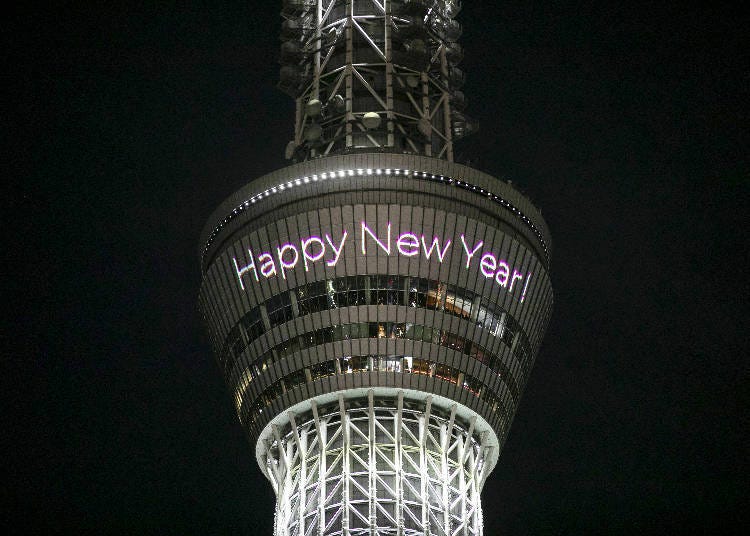
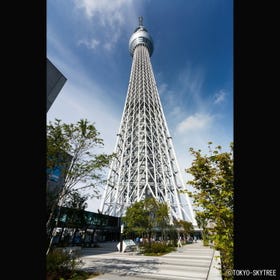
From December 26, 2025, to January 7, 2026, Tokyo Skytree Town® will host a variety of New Year’s events.
The tower will display a special "Japanese Flag" lighting design and project a laser-mapped "Happy New Year!" message on the Tembo Deck. Catch this display from midnight to 6:00 AM on January 1, and again from 5:45 PM to midnight on January 1–3. Inside the tower, don't miss the "Kimono Sorakara-chan Greeting" (January 1–7), where the official character will debut a brand-new kimono costume.
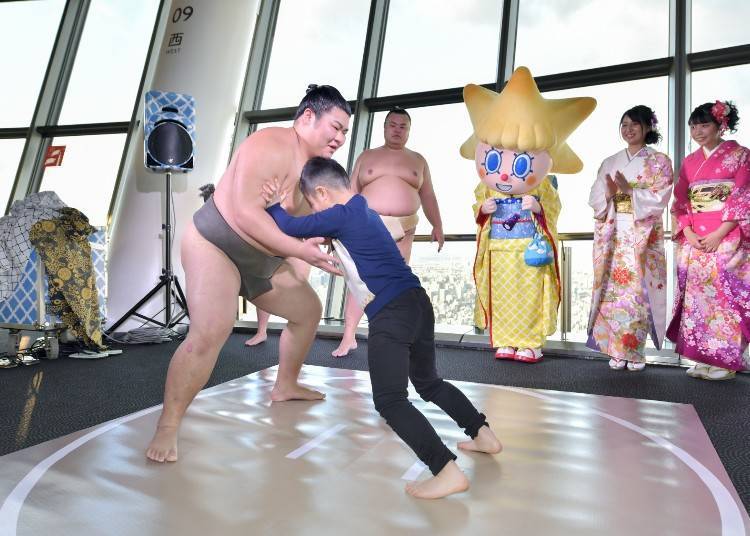
Cultural events abound this year. On the Tembo Deck (Floor 350), wrestlers from the local Kise stable will host strength challenges and photo sessions (January 1–3). Down at the Solamachi Hiroba, wrestlers from the Naruto stable will host a special Mochi Pounding event on January 4.
For foodies, the first-ever "Tokyo Solamachi National Delicious Food Nakamise Festival" will be held at the Sky Arena from December 29, 2025, to January 12, 2026, featuring regional gourmet treats like Kyoto curry bread and Nagano oyaki dumplings.
Other highlights include a "Kagami Biraki" (sake barrel breaking) with comedians (Jan 1), calligraphy performances (Jan 2–3), and a special ema strap gift for the first 2,026 visitors (Jan 1–3).
- Venue: Tokyo Skytree
- Dates: Dec 26, 2025 – Jan 12, 2026
- Time: Varies by event
- Admission: Varies by day
- Official website
-

-
Address
1-1-2 Oshiage, Sumida Ward, Tokyo, 131-0045
View Map -
Nearest Station
Tokyo Skytree Station (Tobu Isesaki Line (Tobu Skytree Line))
- Phone Number 0570-55-0634
-
Address
1-1-2 Oshiage, Sumida Ward, Tokyo, 131-0045
WINTER WONDERLAND in MOOMINVALLEY PARK (Hanno, Saitama)
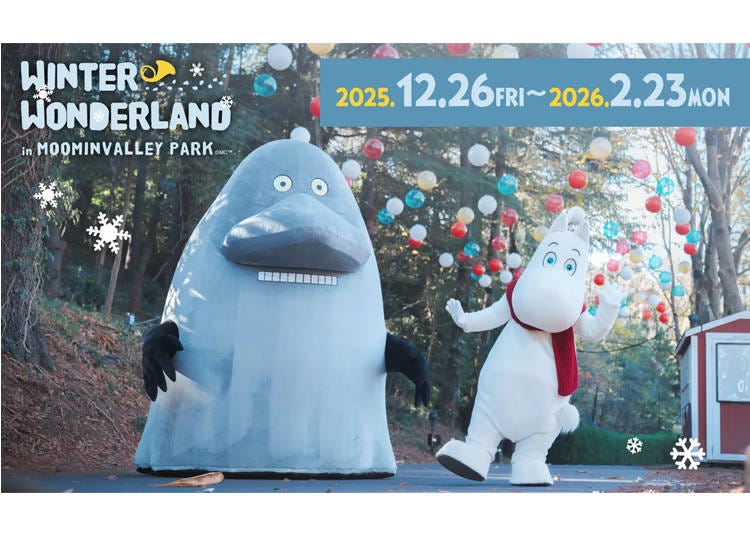
Experience the enchanting world of Moomin at Moominvalley Park during "WINTER WONDERLAND in MOOMINVALLEY PARK," running from December 26, 2025, to February 23, 2026.
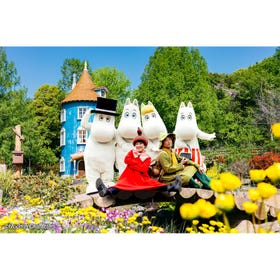
The highlight this year is the upgraded "Moominvalley Dance Parade," held both day and night. Watch as Moomintroll and the 2.5-meter tall "Groke" (Morran) connect in a heartwarming story. You can also meet the fluffy "Ancestor" character, who will be greeting guests throughout the day.
For winter activities, enjoy the "Moominvalley Snow Play" area with sledding, or try the "Moominvalley Skate Rink on The LAKE." This eco-friendly resin rink on the lake terrace offers free rental and entry (with park admission). At night, the rink comes alive with magical projection mapping.
Don't miss the "Moominvalley Lake Fireworks – Winter," lighting up the sky at 6 PM on January 2–12 (daily), and subsequent weekends (Jan 17, 18, 24, 25, 31).
- Venue: Moominvalley Park
- Dates: Dec 26, 2025 – Feb 23, 2026
- Time: 10:00 AM to 8:00 PM (Parade: 12:00 PM / 4:00 PM / 6:45 PM; Fireworks: 6:00 PM)
- Closed: January 13–15, 2026
- Admission: Adults (Day Pass) 4,300 yen, Children 1,300 yen. (Skate rink is free)
- Official website
-

-
Address
327-6 Miyazawa, Hanno City, Saitama Prefecture, 357-0001
View Map -
Nearest Station
Hanno Station (Seibu Ikebukuro Line)
13 minutes by bus
- Phone Number 0570-03-1066
-
Address
327-6 Miyazawa, Hanno City, Saitama Prefecture, 357-0001
Traditional Japanese Festivals
Hatsumode at Sensoji Temple (Asakusa)
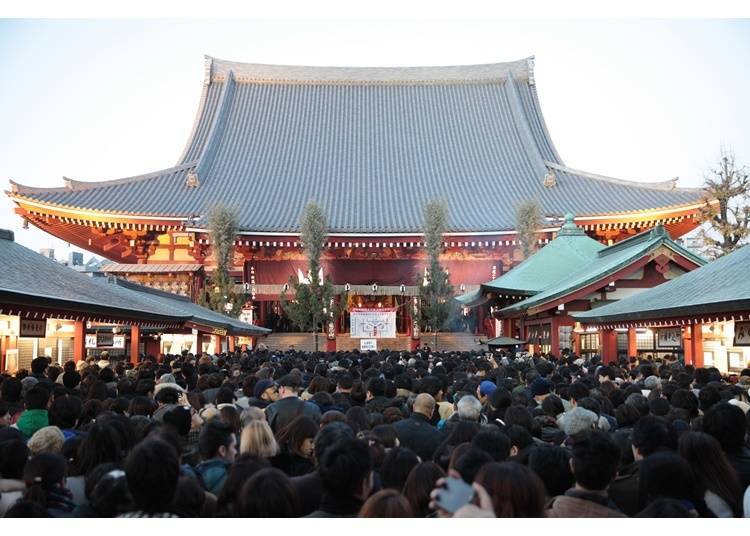
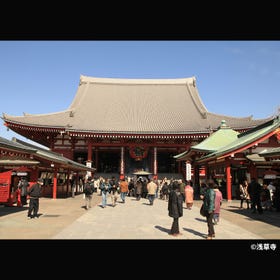
Sensoji Temple is a popular destination for Hatsumode, the first shrine visit of the year. Crowds gather as early as midnight on December 31, forming long lines down Nakamise Street.
At midnight on New Year’s Day, the temple’s bell at Benten-yama, a small hill near Hozo-mon Gate, rings 108 times for the traditional "Joya no Kane" ritual, marking the arrival of the new year. Cheers erupt from the waiting crowd as the bell tolls, and a special New Year’s prayer ceremony begins at the temple’s main altar. These prayers continue every 30 minutes to an hour from January 1–7.
Nakamise Street, leading to the temple, is adorned with festive New Year decorations, creating a celebratory atmosphere. Note that due to heavy foot traffic, the street becomes one-way, allowing access to Sensoji only from Kaminarimon Gate. Make sure to join the queue at Kaminarimon, as entry from side streets is not permitted.
- Venue: Sensoji Temple
- Date: Jan 1, 2026
- Time: Open all day
- Admission: Free
- Closed: Open throughout the event
- Phone: 03-3842-0181
- Official website
-
-
Address
2-3-1, Asakusa, Taitou-ku, Tokyo, 111-0032
View Map -
Nearest Station
Asakusa Station (Tokyo Metro Ginza Line / Toei Asakusa Line / Tobu Isesaki Line (Tobu Skytree Line) / Tsukuba Express)
5 minutes on foot
- Phone Number 03-3842-0181
-
Address
2-3-1, Asakusa, Taitou-ku, Tokyo, 111-0032
Hatsumode at Meiji Shrine (Harajuku)
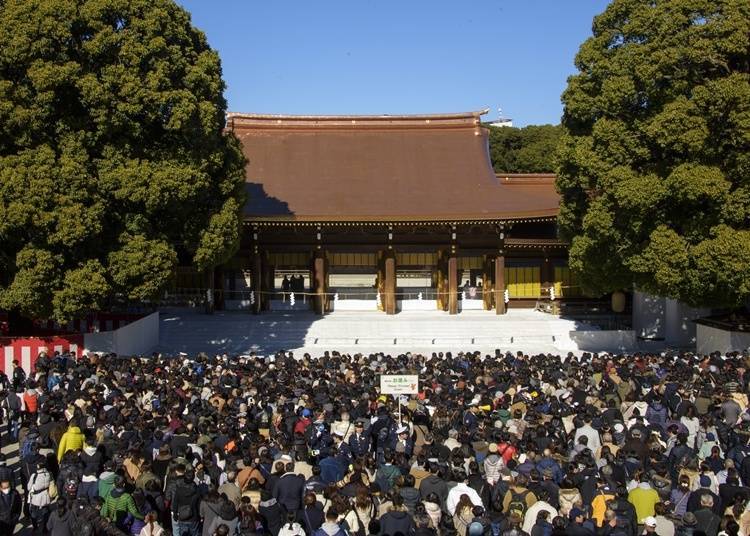
Hatsumode, the first shrine visit of the new year, is a cherished Japanese tradition. Famous shrines and temples across Tokyo bustle with visitors during this time. Among them, Meiji Shrine, just a minute's walk from Harajuku Station, attracts the highest number of visitors in Japan every year. Its immense popularity often makes headlines, and on New Year’s Day, long lines form along the approach to the main hall.
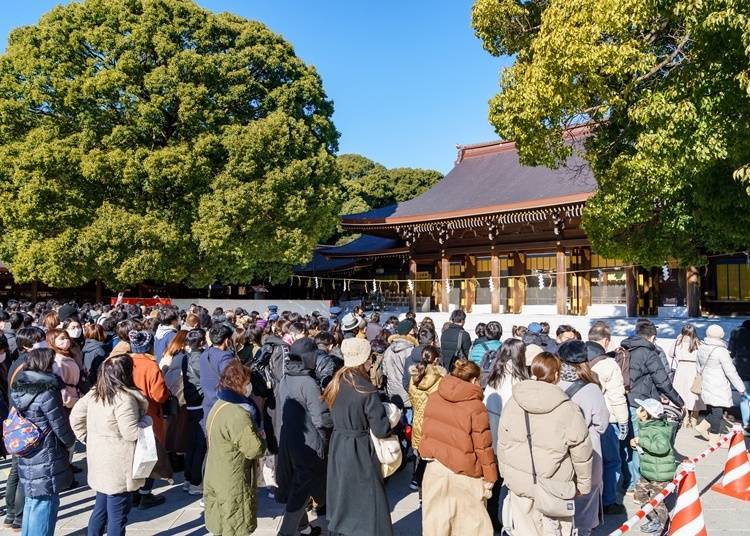
The approach to Meiji Shrine offers several routes, but the Harajuku (South) entrance is highly recommended. Along the way, you'll spot barrels of sake donated by breweries, followed by Japan’s largest wooden torii gate, which sets a solemn tone as you pass through. At exactly midnight, the head priest strikes a large drum, signaling the start of the New Year, and visitors waiting at the main shrine begin their prayers in turn.
From New Year’s Eve through New Year’s Day, the shrine remains open all night, bustling with visitors. On January 1, the shrine closes at 6:30 PM, while opening hours for January 2 and 3 are 6:40 AM to 6 PM, January 4 is 6:40 AM to 5:30 PM, and from January 5 onwards, 6:40 AM to 4:20 PM. Expect heavy crowds between 10 PM on New Year’s Eve and 3 AM on New Year’s Day, as well as after 10 AM on January 1–3.
For those seeking omamori charms, omikuji fortunes, or goshuin stamps, distribution areas are set up near the parking area at Meiji Jingu Kaikan (Harajuku and Yoyogi sides) and the Nishisando Lawn area (Sangubashi side).
- Venue: Meiji Shrine
- Dates: Dec 31, 2025 – Jan 1, 2026
- Time: Open all night
- Admission: Voluntary donation
- Official website
-
-
Address
1-1, Yoyogikamizonocho, Shibuya-ku, Tokyo, 151-8557
View Map -
Nearest Station
Sangubashi Station (Odakyu Odawara Line)
- Phone Number 03-3379-5511
-
Address
1-1, Yoyogikamizonocho, Shibuya-ku, Tokyo, 151-8557
New Year Mochi-Pounding Event & Nanakusa-Gayu at Ohtori Shrine (Asakusa)
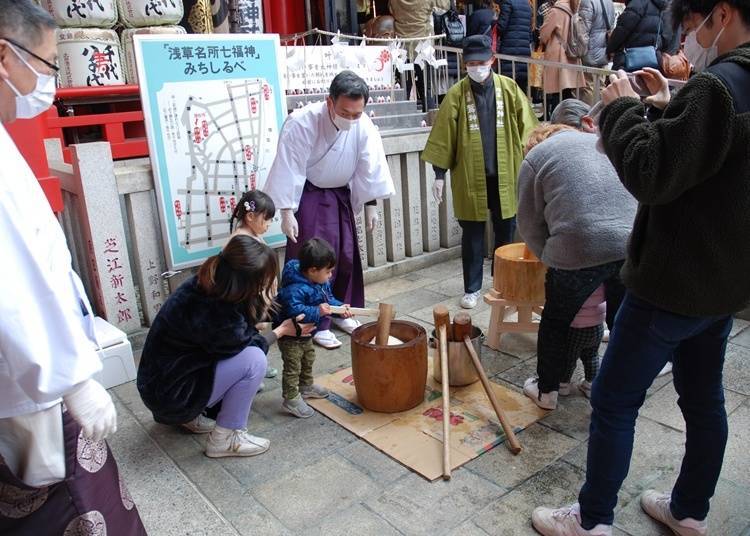
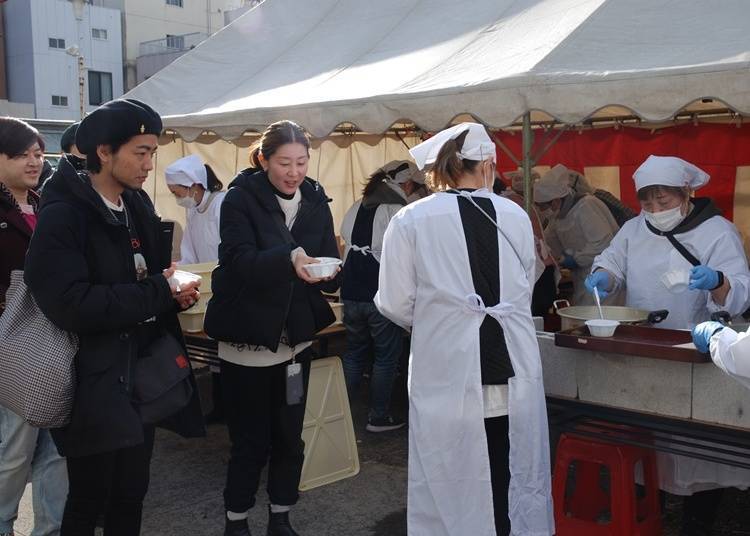
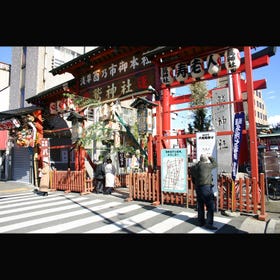
Celebrate the New Year at Ohtori Shrine in Asakusa with traditional Japanese festivities. On January 7 at 11 AM, a serving of nanakusa-gayu (seven-herb rice porridge) will be distributed on a first-come, first-served basis, alongside fuku-mochi (lucky rice cakes), with tickets available from 10 AM.
Nanakusa-gayu is a light and refreshing porridge eaten on January 7 to pray for health and longevity. It features the seven spring herbs: seri (Japanese parsley), nazuna (shepherd’s purse), gogyo (cudweed), hakobera (chickweed), hotokenoza (nipplewort), suzuna (turnip), and suzushiro (radish). While international visitors might find the herbal flavor and slight bitterness unique, it’s a perfect way to rest your stomach after indulging during the holidays.
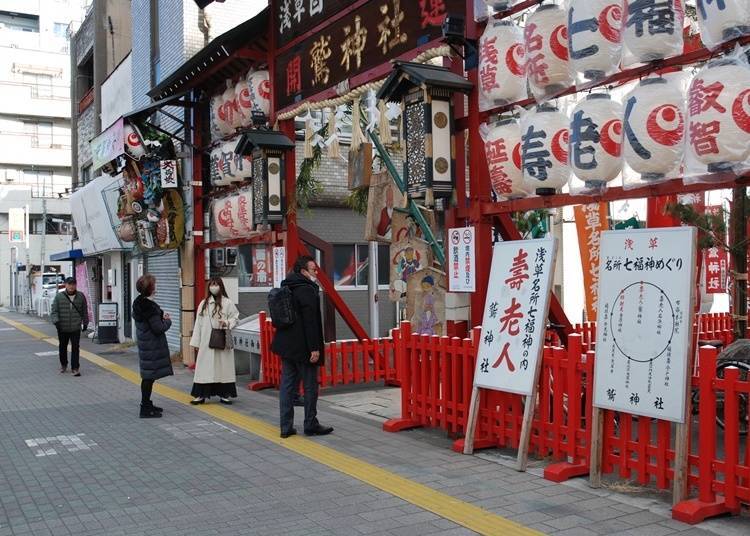
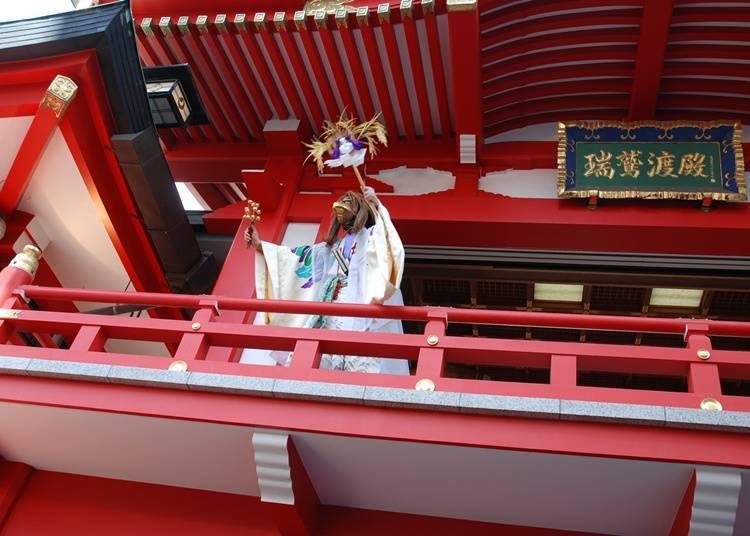
At Ohtori Shrine, the preparation of nanakusa-gayu is accompanied by the traditional nanakusa-bayashi chant: "Karato no tori to Nihon no tori to, wataranu saki ni nanakusa nazuna de hoo-hokekyo." This chant historically symbolized driving away harmful birds at the year's start and celebrating a bountiful harvest in advance. The herbs are lightly pounded with a pestle and ladle before being cooked into porridge.
The event also features a range of activities, including the sacred Kagura dance (Washimai), street performances, a raffle (11 AM–3 PM, 300 yen per entry), children's games, and hands-on mochi-pounding experiences held at 11 AM, 12:30 PM, and 2 PM. It’s a fun and interactive way to enjoy Japanese New Year traditions.
- Venue: Ohtori Shrine grounds
- Date: January 7, 2026
- Time: 11 AM to 3 PM
- Admission: Free
- Official website
-
-
Address
3-18-7, Senzoku, Taitou-ku, Tokyo, 111-0031
View Map -
Nearest Station
Iriya Station (Tokyo Metro Hibiya Line)
- Phone Number 03-3876-1515
-
Address
3-18-7, Senzoku, Taitou-ku, Tokyo, 111-0031
Daikoku Festival at Kanda Myojin (Chiyoda Ward)
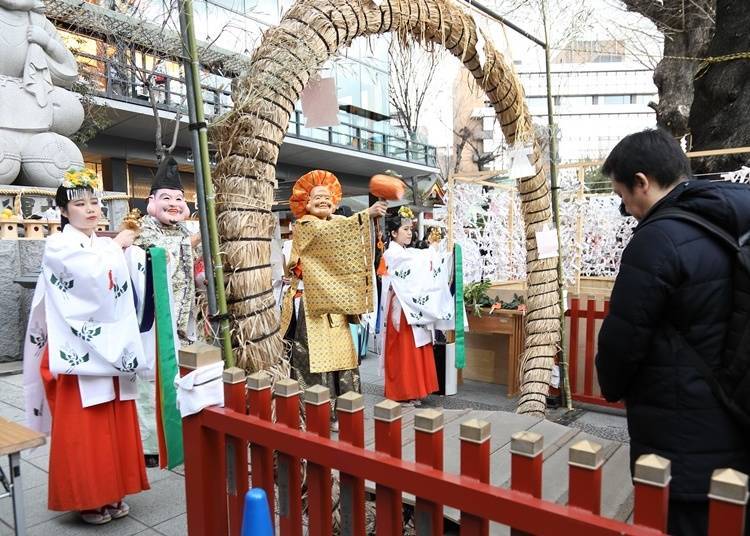
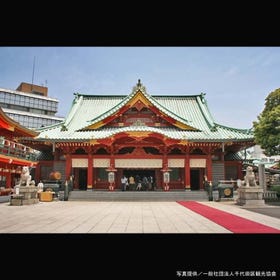
The Daikoku Festival will be held at Kanda Myojin, the guardian shrine of 108 neighborhoods including Kanda, Nihonbashi, and Akihabara. The name "Daikoku-sama" is an affectionate title derived from the deity Okuninushi no Mikoto (also known as Oanamuchi no Mikoto), often depicted as the god of fortune. Recognizable by his hood, sack, and the magical mallet he carries, Daikoku-sama symbolizes prosperity and good luck.

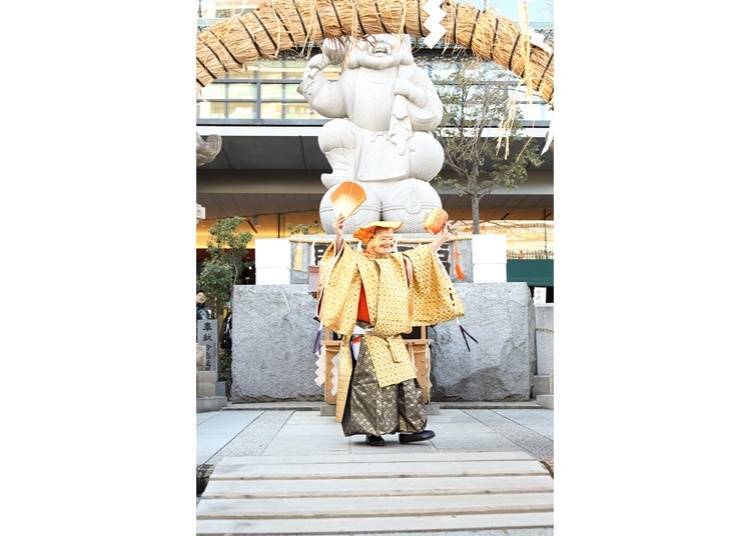
During the festival, a kagura performer playing the role of Daikoku-sama will swing a small mallet above visitors’ heads, offering blessings for good fortune. Ebisu-sama, holding a bell symbolizing prosperity, will also make an appearance. However, their appearances are unscheduled, so encountering them is a matter of luck.
Additionally, on January 17, starting at 10 AM, the Kanchu Misogi Gaman-kai will take place. Participants will purify themselves by braving icy water in a purification ritual featuring pillars of ice.
- Venue: Kanda Myojin
- Dates: January 16–18, 2026
- Admission: Free
- Closed: Open throughout the event
- Official website
-
-
Address
2-16-2 Sotokanda, Chiyoda-ku, Tokyo, 101-0021
View Map -
Nearest Station
Suehirocho Station (Tokyo Metro Ginza Line)
5 minutes on foot
- Phone Number 03-3254-0753
-
Address
2-16-2 Sotokanda, Chiyoda-ku, Tokyo, 101-0021
Shows & Cruises
Tokyo Bay Symphony Cruises (First Sunrise Cruise, New Year Panorama Cruise, Sea Gacha Cruise) (Shinagawa)
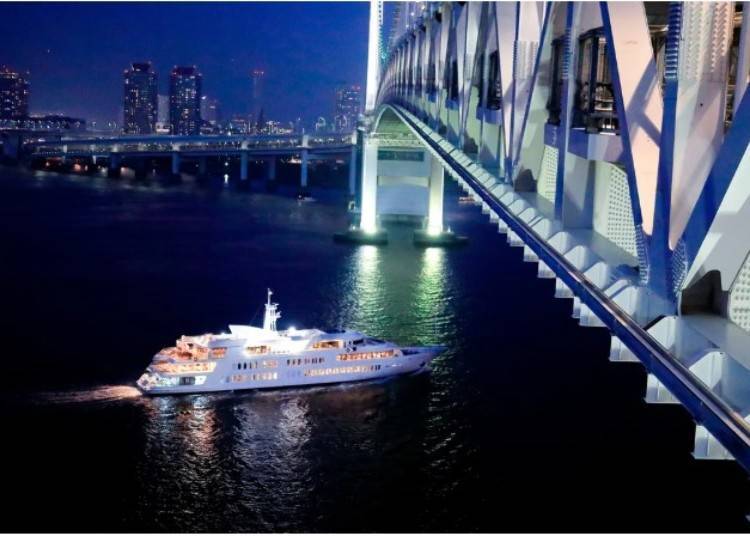
Celebrate the New Year with exclusive Tokyo Bay cruises offered from December 31, 2025, to January 3, 2026. Choose from four unique cruise options.
Countdown Cruise (December 31): Set sail in the evening and welcome the New Year onboard, returning at 1:10 AM. Enjoy a choice of special course meals or buffet dining, both with free-flow drinks, including champagne, beer, wine, and cocktails.
First Sunrise Cruise (January 1): Depart at 5:40 AM to view the year’s first sunrise from the deck. Savor a New Year’s meal featuring ozoni soup or a buffet, accompanied by celebratory sake.
New Year Tokyo Bay Panorama Cruise (January 2): This 3.5-hour cruise explores iconic spots like Rainbow Bridge and Haneda Airport waters. Choose between the Sunshine Course departing at 11:20 AM or the Twilight Course departing at 4:00 PM. Both cruises include participation in a fun bingo game with prizes.
Sea Gacha Cruise 2025 (January 3): Enjoy a gourmet twist with a "gacha" element: a surprise main dish crafted by a dedicated chef, revealed only during the cruise. This French-inspired lunch departs at 11:50 AM, while the dinner cruise begins at 4:20 PM. The event also features a raffle with luxury prizes.
- Venue: Tennoz Yamatsupia
- Dates: Dec 31, 2025 – Jan 3, 2026
- Time: Varies by tour
- Admission: Varies by tour
- Official website
-
Tennoz Yamatsupia天王洲ヤマツピア
- Address 1-39-21 Higashi-Shinagawa, Tennoz Yamatsu Pier, Shinagawa-ku, Tokyo 140-0002

Sports & Spectator Events
January Grand Sumo Tournament at Ryogoku Kokugikan
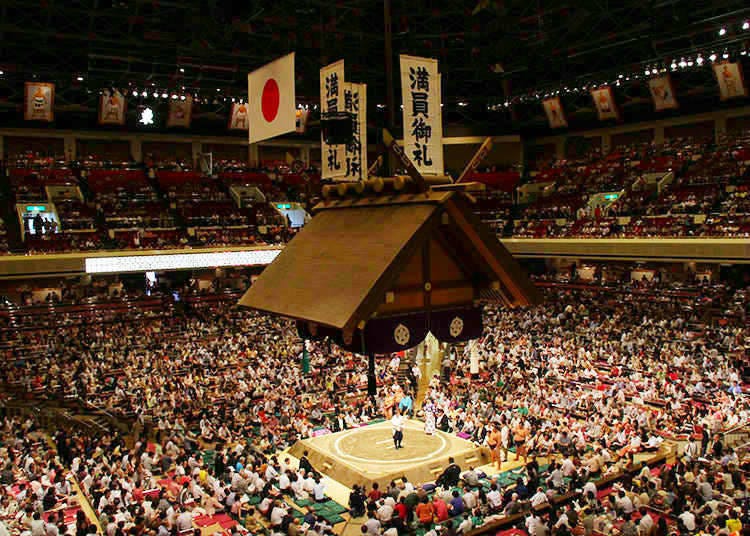
There is perhaps no sport more synonymous with Japan than Sumo, and January is the first of the six annual Grand Tournaments (Honbasho).
Held at the spiritual home of Sumo, the Ryogoku Kokugikan, this 15-day event sees the top wrestlers (rikishi) battle for the Emperor's Cup. The atmosphere is electric, with salt being thrown to purify the ring and giants clashing in seconds of intense power. Even if you cannot get ringside seats, the energy in the arena is palpable.
Even if tickets are sold out or the tour dates simply don’t fit into your schedule, you can still experience sumo by visiting a sumo stable, which is the wrestlers’ official training ground. Many stables allow visitors to observe morning practice outside the tournament period, giving you an up-close look at the intensity and discipline behind professional sumo. There are also sumo shows and other experiences letting you enjoy an authentic version of sumo up close.
- Date: Jan 11 – Jan 25, 2026
- Time: Matches start from 8:30 AM (lower divisions) to 6:00 PM
- Official Website
-
-
Address
1-3-28, Yokoami, Sumida-ku, Tokyo, 130-0015
View Map -
Nearest Station
Ryogoku Station (Toei Oedo Line / JR Sobu Line)
2 minutes on foot
- Phone Number 03-3623-5111
-
Address
1-3-28, Yokoami, Sumida-ku, Tokyo, 130-0015
Exhibitions and Museum Events
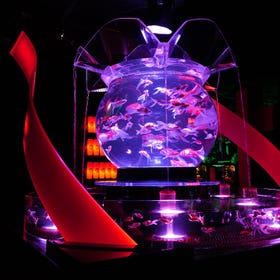
Flower Aquarium Gala at Art Aquarium Museum GINZA
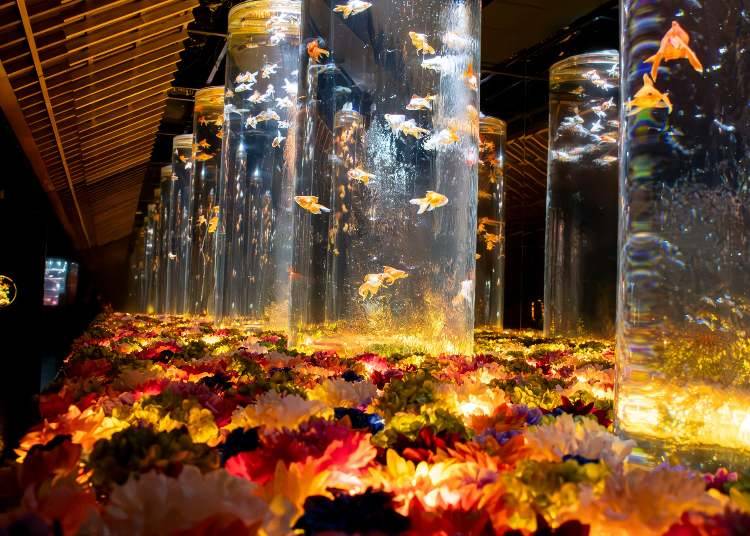
Celebrate winter with a vibrant fusion of goldfish and flowers at the Art Aquarium Museum GINZA. This special winter exhibition, titled "Flower Aquarium Gala," transforms the museum into a fantastical space where swimming goldfish meet blooming floral art. Renowned Ikebana artist Shogo Kariyazaki collaborates to decorate the iconic "Oiran" vessel with magnificent flower arrangements, creating a gorgeous "flower box garden."

Visitors can also enjoy the "Goldfish Bamboo Forest" and "Goldfish Corridor" illuminated with winter themes, evoking a snowy landscape. It’s a perfect indoor activity to enjoy the beauty of Japanese art and nature during the cold winter months.
- Date: Nov 28, 2025 – Feb 25, 2026
- Time: 10 AM – 7 PM
- Time: 9:30 AM – 8 PM (last entry at 7:30 PM)
- Price: Adults from 2,500 yen
- Official Website
-
-
Address
Ginza Mitsukoshi New Building 9th floor entrance, 4-6-16 Ginza, Chuo-ku, Tokyo, 104-8212
View Map -
Nearest Station
Ginza Station (Tokyo Metro Ginza Line / Tokyo Metro Marunouchi Line / Tokyo Metro Hibiya Line)
3 minutes on foot
- Phone Number 03-3528-6721
-
Address
Ginza Mitsukoshi New Building 9th floor entrance, 4-6-16 Ginza, Chuo-ku, Tokyo, 104-8212
Start the Year Right with January Events and Festivals Near Tokyo
January is a time to express gratitude for the past year and pray for health and peace in the new one through traditional Japanese customs like hatsumode (first shrine visit) and nanakusa-gayu (seven-herb porridge), a dish believed to bring good health. With daytime highs around 9°C (48°F) and lows near 1°C (34°F), Tokyo’s January weather can be quite chilly. Many events are held outdoors, so be sure to dress warmly when participating in these seasonal festivities.
- Area
- Category
*Prices and options mentioned are subject to change.
*Unless stated otherwise, all prices include tax.
Popular Tours & Activitiess
Recommended places for you
-
Ameyoko Shopping Street
Old Towns (Shitamachi)
Ueno
-
Kappabashi Street
Old Towns (Shitamachi)
Asakusa
-
Ueno Zoo (Ueno Zoological Gardens)
Zoos, Aquariums & Botanical Gardens
Ueno
-
Tsukiji Outer Market
Old Towns (Shitamachi)
Tsukiji
-
Shinjuku Gyoen National Garden
Gardens
Shinjuku
-
Shibuya Crossing
Downtown
Shibuya
-
A New Tokyo Landmark Is Coming in 2026, and It's Built for Modern Travelers
by: Guest Contributor
-
Ad
The Whisper of a 1,300-Year-Old History: Meet the Other Face of Nara at Night
by: Shingo Teraoka
-
Top 3 OSHI MAPs for the Best Matcha and Sweets in Tokyo
by: Guest Contributor
-
Ad
What Makes Japanese Yakiniku So Darn Good? Guide to Cuts, Heat, and Wagyu Know-How
-
Ad
5 Recommended Wagyu Yakiniku Restaurants in Tokyo: Signature Dishes, Premium Beef, and Secret Sauces
-
Ad
Japan’s Land of Yokai Monsters and Spooky Stories! A Deep Journey to Mysterious San’in (Tottori & Shimane) for Seasoned Travelers
-
December Events in Tokyo: Fun Festivals, Food, and Things to Do
-
Numazuko Kaisho in Ueno: Good Quality, All-You-Can-Eat Seafood for Just US$12!?
-

Manga Time! What Kind of Clothes Should You Wear in Tokyo’s Winter? (Dec-Feb)
-
10 Important Japanese Phrases to Know Before You Enter a Japanese Convenience Store!
by: Teni Wada
-
Shine Bright This Winter: 15 Must-See Tokyo Illuminations (2025-2026)
by: Kaori Kimura
-
Shibuya Crossing: Getting the Best View from the Deck at Magnet by Shibuya109!
- #best ramen tokyo
- #what to buy in ameyoko
- #what to bring to japan
- #new years in tokyo
- #best izakaya shinjuku
- #things to do tokyo
- #japanese nail trends
- #what to do in odaiba
- #onsen tattoo friendly tokyo
- #daiso
- #best sushi ginza
- #japanese convenience store snacks
- #best yakiniku shibuya
- #japanese fashion culture
- #best japanese soft drinks