





From Himeji to Matsumoto: The Japanese Castles Foreign Tourists Can't Stop Visiting
- Written by: LIVE JAPAN Editor
For many travelers, visiting Japan means experiencing its historic scenery and architecture firsthand, and castles have long been a top draw. Based on GPS data from leading navigation app NAVITIME, here are the Top 10 Japanese castles most visited by international tourists throughout 2025. How many have you already explored? If some are still on your list, why not add one to your next itinerary?
(Cover Photo: LIVE JAPAN Article a2000008)
(*This article contains affiliate links)
Top 10 Most Popular Japanese Castles Overall

Based on a massive amount of data, travelers from Asia (such as Taiwan, Thailand, Hong Kong, South Korea, and China) and those from Western regions (including the United States, Australia, and France) show both shared interests and clear differences when it comes to visiting Japanese castles.
Osaka Castle takes the top spot, making it the most visited castle among international travelers overall.
From second place onward, preferences begin to split. That said, Nijo Castle in Kyoto remains a consistent favorite for both groups, ranking within the top four thanks to its rich history and beautifully preserved palace interiors.
Himeji Castle in Hyogo, a UNESCO World Heritage Site, is also placed in the top five for both. Widely considered Japan’s most beautiful castle, it continues to attract visitors from around the world.
Nagoya Castle appears on both rankings as well, drawing attention with its iconic golden shachihoko—mythical tiger-headed carp ornaments placed on the roof ridges of castles, believed to protect against fire—and its expansive castle grounds.
Kumamoto Castle also makes the list for both groups, with its massive stone walls and imposing structure earning it a strong international reputation.
Asian Travelers Favor Seasonal Scenery and Easy Access

For travelers from Asia (including Taiwan, Hong Kong, and Thailand), seasonal beauty and convenient flight access tend to play a bigger role when choosing which castles to visit. In addition to the major castles mentioned above, the following spots are especially popular among Asian visitors.
- Hirosaki Castle (Aomori): Ranked #6 among Asian travelers. Known for its spectacular cherry blossoms, often listed among Japan’s top sakura spots, as well as vibrant autumn foliage. Visitor numbers peak during spring.
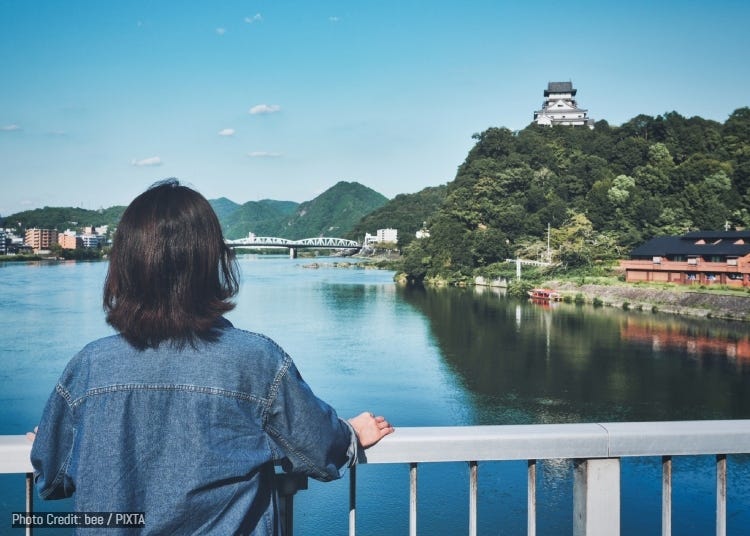
- Inuyama Castle (Aichi): One of Japan’s 12 original castles. Its authentic historical character, combined with easy access from central Nagoya, makes it especially appealing.
- Okayama Castle & Matsuyama Castle (Okayama/Ehime): Less commonly visited by Western travelers, but popular among Asian tourists who pair these destinations with direct flights into Okayama or Matsuyama for more in-depth regional trips.
- Edo Castle (Tokyo): While also visited by Western tourists, it holds a consistently strong position in rankings among Asian travelers.
Western Travelers Seek Samurai Culture and Slower Travel Routes
Travelers from Europe, North America, and Australia often look for a sense of “Old Japan,” with a strong interest in samurai history and traditional culture. Many also follow well-known travel routes, such as the popular Tokyo–Kyoto corridor, taking time to explore destinations along the way.
- Kanazawa Castle (Ishikawa): Ranked #5 among Western travelers. Kanazawa is widely seen as a cultural hub, and visits are often paired with nearby Kenrokuen Garden, one of Japan’s most celebrated landscape gardens.
- Matsumoto Castle (Nagano): Ranked #9. Its striking black wooden keep stands out to Western visitors, and its location makes it a natural stop en route to the Japanese Alps or Takayama.
- Hiroshima Castle (Hiroshima): Often included alongside visits to Hiroshima Peace Memorial Park and the Atomic Bomb Dome, adding a deeper historical and reflective dimension to the trip.
- Odawara Castle (Kanagawa): Conveniently located near Hakone and Mt. Fuji, making it an easy stop for travelers following Japan’s classic “Golden Route.”
Travel Tip: How Much Time Should You Set Aside for a Castle Visit?

Based on data from NAVITIME, there’s a clear link between a castle’s size and how long visitors tend to stay.
Leisure explorers: Larger sites such as Osaka Castle, Nagoya Castle, and Himeji Castle typically require more time to fully enjoy. Plan for around 1.5 to 2 hours.
Quick-stop visitors: At places like Edo Castle, Kanazawa Castle, or Hiroshima Castle, over 70% of visitors spend less than an hour, making them easy to fit into a city sightseeing itinerary.
Popular Japanese Castles: Which One Would You Visit First?
Here’s a quick look at the top three castles favored by Asian travelers. If you haven’t explored a Japanese castle yet but want to experience a more nostalgic side of Japan, choosing one of these as the focus of your trip is a great place to start.
Osaka Castle

Osaka Castle sits right in the heart of the city, with convenient access from JR Osakajokoen Station, JR Morinomiya Station, and subway stops like Tenmabashi and Tanimachiyonchome. The grounds are expansive, and guided tours are a great way to explore the highlights efficiently.
Originally built by Toyotomi Hideyoshi on the former site of Ishiyama Honganji Temple, the castle was first known as “Osaka Castle” written with a different character for “saka.” During the early Meiji period, concerns over the character’s meaning led to the name being officially changed to its current form in 1870.
The castle seen today is not Hideyoshi’s original structure. That version was destroyed in 1615 during the Siege of Osaka. The Tokugawa shogunate later rebuilt the castle after burying the ruins and raising the ground level, creating the foundation for what stands today.
One of the most striking features is the massive stone walls and surrounding moats. The scale, stone selection, and construction techniques still reflect the era’s craftsmanship. Other highlights include the impressive gates, Hokoku Shrine dedicated to Hideyoshi, and the main keep, which offers panoramic views over the city.

Nagoya Castle

Nagoya Castle stands in the center of Nagoya, making it easy to reach via the Meijo Subway Line to Nagoyajo Station (formerly Shiyakusho Station). The grounds are spacious, and while the main keep is impressive, the restored Honmaru Palace is a must-see highlight.
The castle was ordered by Tokugawa Ieyasu in 1610 as a strategic base to guard against threats from Osaka. Around 20 feudal lords, including Kato Kiyomasa and Fukushima Masanori, were mobilized for its construction. The castle is famous for the pair of golden shachihoko—mythical tiger-headed carp ornaments believed to protect buildings from fire—mounted on the roof ridge of the main keep, earning it the nickname “Golden Castle.”
In 1945, the original structures were destroyed in World War II air raids. The current main keep was rebuilt in 1959 using reinforced concrete, but due to structural concerns, its interior is currently closed to visitors. In contrast, the Honmaru Palace was fully reconstructed over a decade and reopened in 2018, showcasing exquisite Kano school paintings and lavish decorative carvings.
When visiting, look out for the engraved marks on the stone walls. These were left by the feudal lords who supplied the stones, serving as a kind of signature. Other highlights include the scenic Ninomaru Garden, the surviving northwest turret from the Edo period, and the many golden shachihoko motifs found throughout the grounds, all reflecting the craftsmanship of the time.
Kumamoto Castle

Kumamoto Castle stands in the center of Kumamoto City and is often ranked alongside Nagoya Castle and Osaka Castle as one of Japan’s three great castles. Construction began in 1601 under Kato Kiyomasa, a renowned castle builder. The grounds were planted with ginkgo trees as an emergency food source, earning it the nickname “Ginkgo Castle.”
One of its most distinctive features is the steep, curved stone walls known as musha-gaeshi, designed to make climbing extremely difficult for attackers, including ninja. Another highlight is the Honmaru Palace, where the lavish Showa no Ma room stands out with its gold-leaf decorations and richly detailed wall paintings that reflect the power and prestige of feudal lords.
Although much of the castle was destroyed during the Satsuma Rebellion in 1877 and later damaged in the 2016 Kumamoto earthquakes, the main keep was fully restored and reopened in 2021. Visitors can walk along the designated reconstruction viewing route to see ongoing restoration work up close, including the stone walls and the surviving Uto Turret, the only original Edo-period structure still standing.

- Area
- Category
*Prices and options mentioned are subject to change.
*Unless stated otherwise, all prices include tax.
Popular Tours & Activities
Recommended places for you
-
Tokyo Metropolitan Government
Landmarks
Shinjuku
-
The Imperial Palace
Other Architecture
Tokyo Station
-
Tsukiji Outer Market
Old Towns (Shitamachi)
Tsukiji
-
Kappabashi Street
Old Towns (Shitamachi)
Asakusa
-
Shinjuku Gyoen National Garden
Gardens
Shinjuku
-
Ameyoko Shopping Street
Old Towns (Shitamachi)
Ueno
-

Daikoku Car Meet Guide: How to Visit, Best Times & Rules
-

Best Sumo Shows & Experiences in Tokyo (2026): Prices Compared
-

Seibu Group Launches New Chichibu Adventure Tourism Experience for International Travelers in 2026
by: Guest Contributor
-

Haneda Airport Duty-Free Shopping Guide: What to Buy, How to Save & Where to Eat Before Your Flight
by: Guest Contributor
-
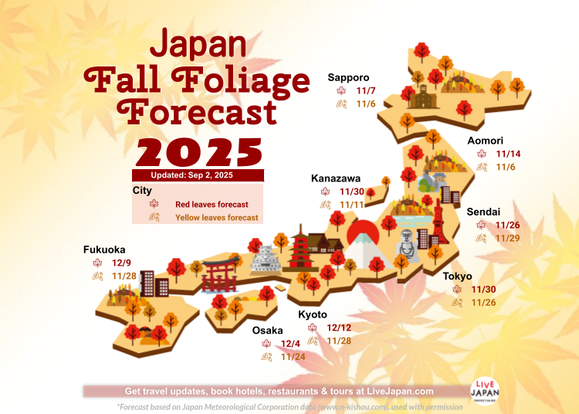
Autumn in Japan 2026: Fall Foliage Forecast & Where to Enjoy the Colorful Leaves (+Tour Info)(Updated Oct 1)
-
Ad

Pocket WiFi Rental in Japan 2026: Complete Price Comparison & Where to Get the Best Deal
Inspiration for Accommodations
-
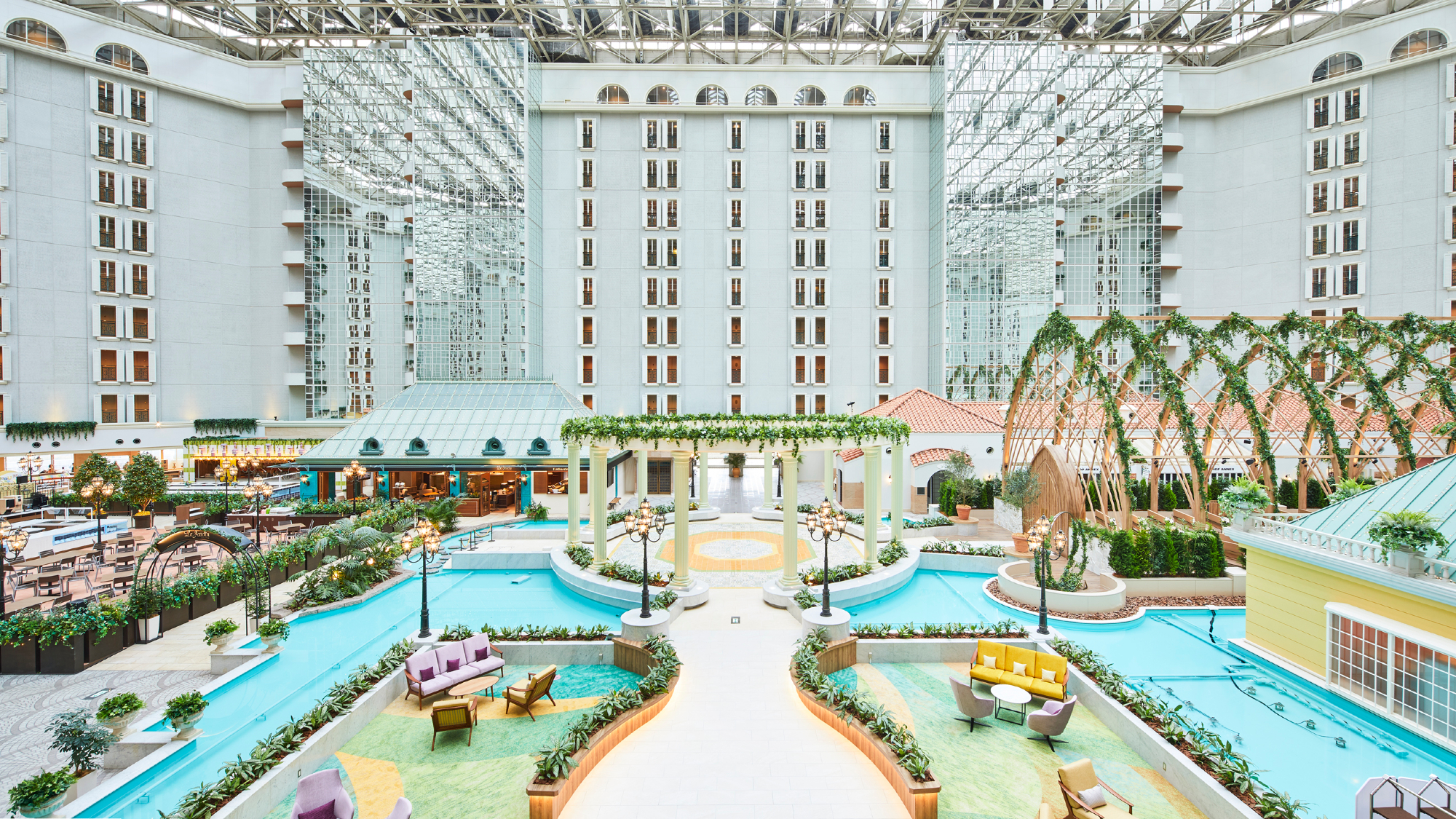
Family-Friendly Hotels with Free Shuttle to Disneyland: Convenient Access for a Magical Stay
-
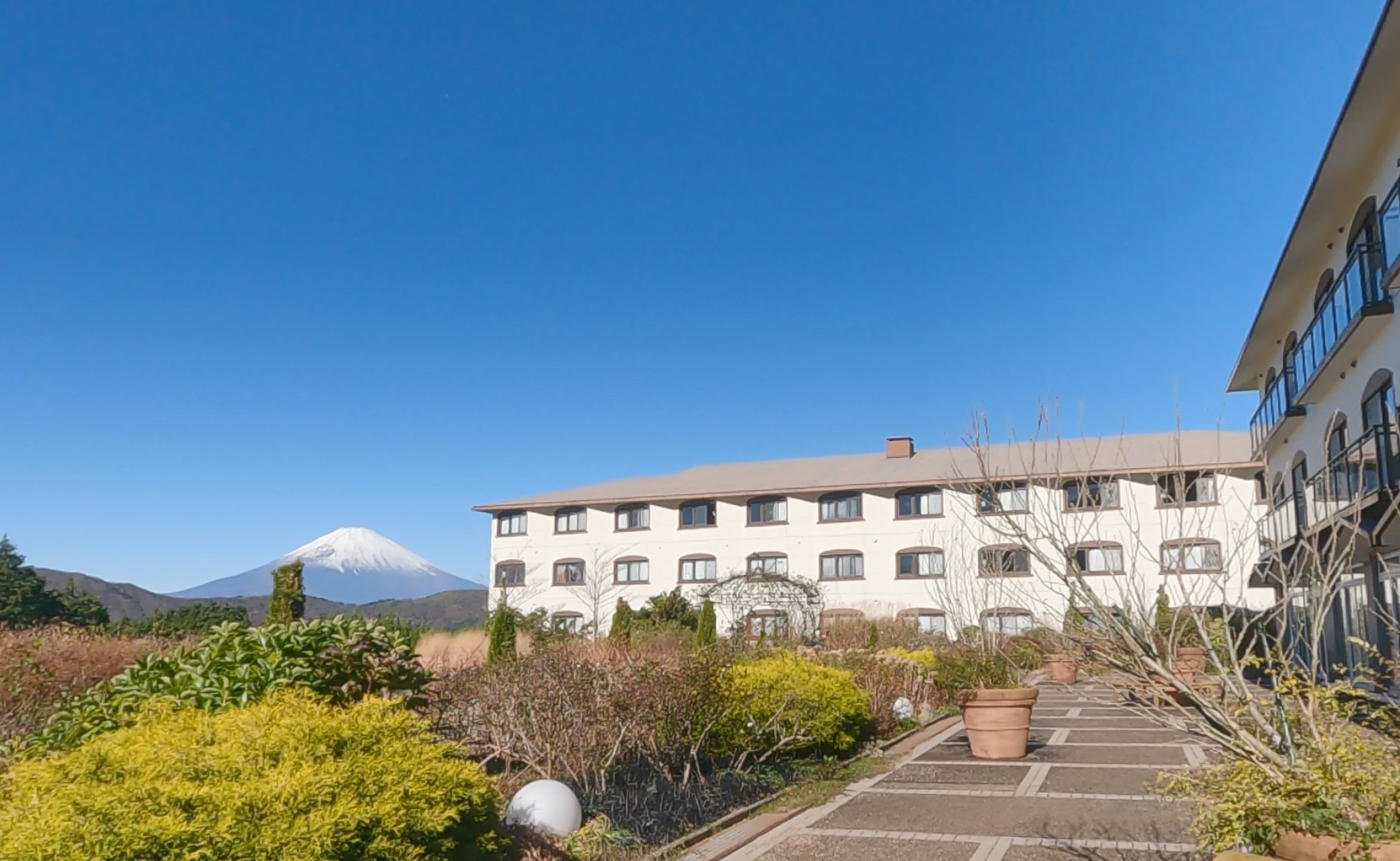
Top Ranked Hakone Hotels with Mt. Fuji View: Enjoy Stunning Scenery from Your Private Space
-
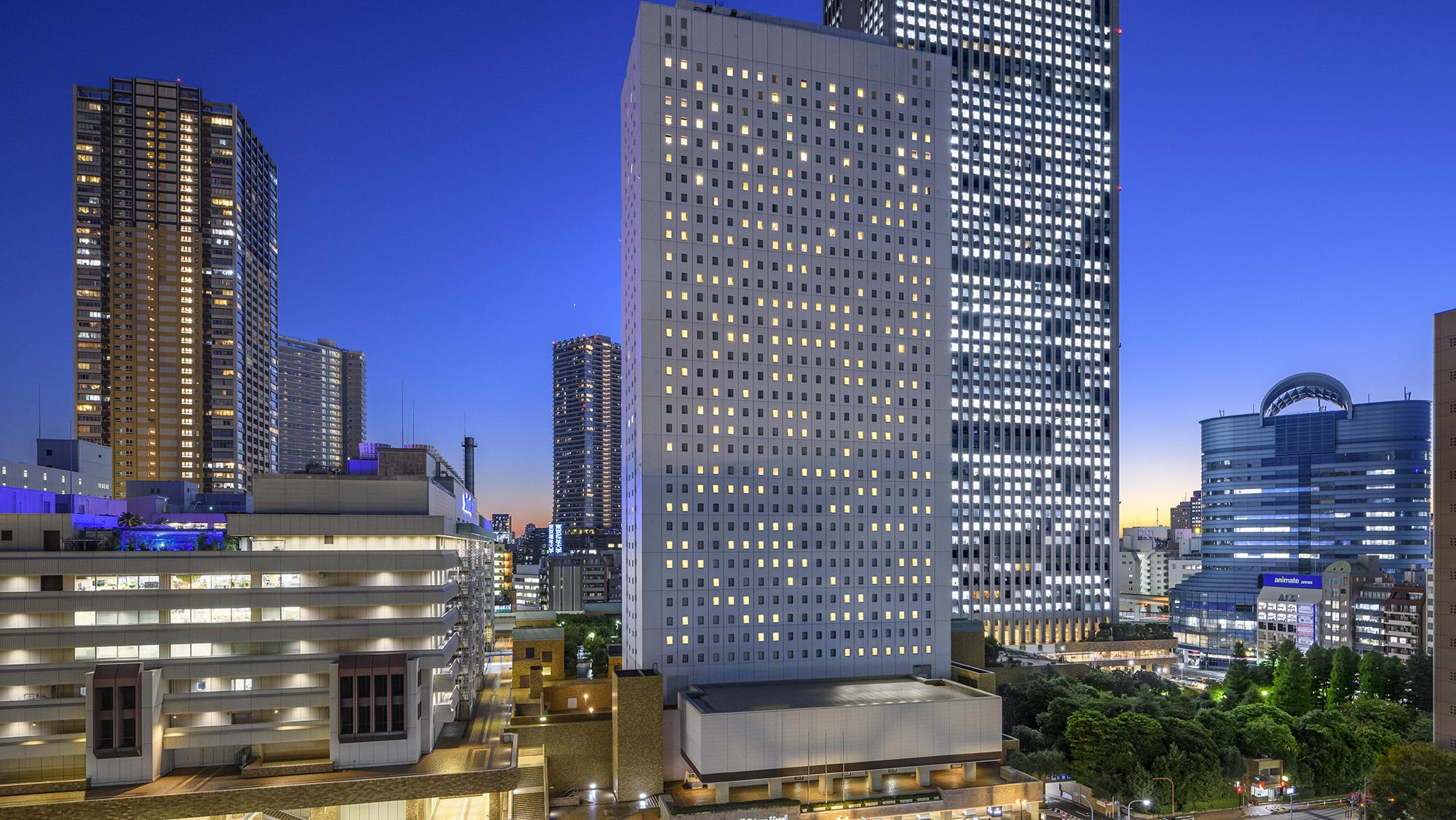
Convenient Tokyo Hotels with Airport Shuttle: Ideal for Families and Heavy Luggage
-
9 Family-Friendly Hotels with Comfortable Family Rooms in Asakusa
-
10 Open-air bath Onsen Ryokans in Hakone for Ultimate Relaxation
-
6 Fun Things to Do at Tokyo's World-Famous Tsukiji Outer Market!
-
JR Edition: Visit all of Tokyo in one Day with the Tokyo Metropolitan District Pass!
-
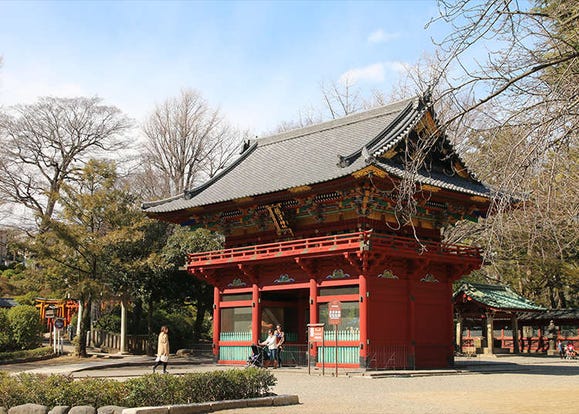
Guide to Tokyo's Old Quarter: 7 Quaint Spots in Yanesen!
-
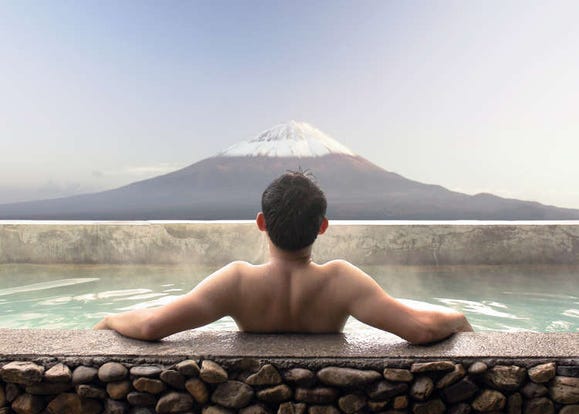
Japan's Bath Culture: Tips You Should Know!
-
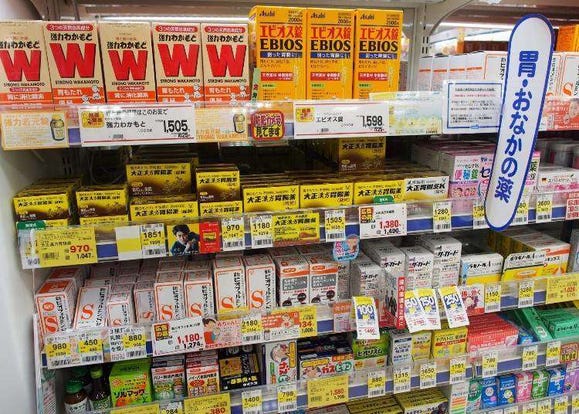
Complete Guide to Buying Japanese Medicine in Japan: Phrases and Vocabulary You Need to Know
-
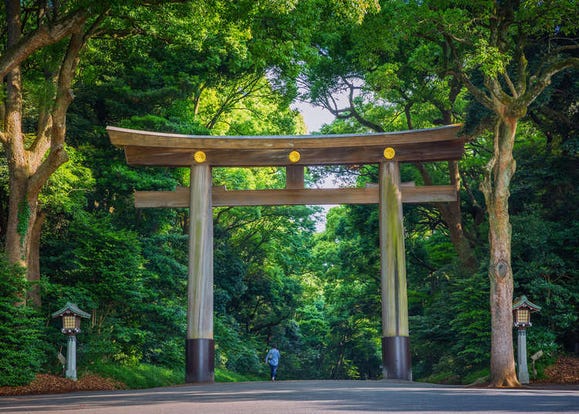
Meiji Shrine (Meiji Jingu): Exploring the Sacred Sanctuary of Peace in Bustling Tokyo
- #best ramen tokyo
- #what to buy in ameyoko
- #what to bring to japan
- #new years in tokyo
- #best izakaya shinjuku
- #things to do tokyo
- #japanese nail trends
- #what to do in odaiba
- #onsen tattoo friendly tokyo
- #daiso
- #best sushi ginza
- #japanese convenience store snacks
- #best yakiniku shibuya
- #japanese fashion culture
- #best japanese soft drinks