


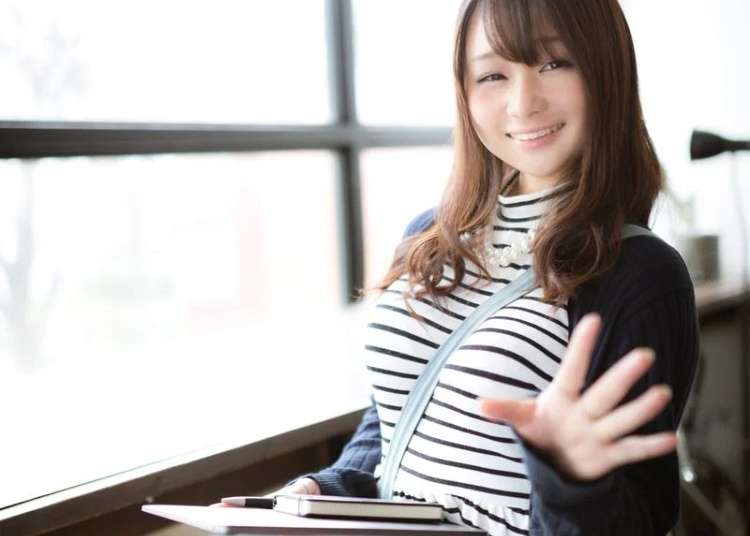
Everyone knows that sayonara means goodbye in Japanese, but goodbye in Japan doesn’t always mean you need to say it.
You don’t have to be an anime otaku, foodie with a penchant for matcha and wagyu, or obsessive linguistics enthusiast that know that sayonara means “goodbye” in Japanese. Like loco in Spanish and merci in French, sayonara is one of those words that’s so well known internationally that it’s widely understood even by people without any personal connection to its home-country culture.
And yet, living in Japan, you’ll very rarely hear anyone actually say sayonara (unless you happen to be in a pre-college school, where students of such ages say it to their teachers at the end of the school day). As a matter of fact, when someone did say it to us the other day, it was startling, even if it was also very appropriate to the specific circumstances that was taking place.
But wait, if sayonara isn’t a commonly used phrase, how do people in Japan end conversations? Does one person just wander off once they think the topic has run its course, and the value that Japanese culture places on tacit understanding means that you’re just supposed to infer that the other person said goodbye to you inside their heart?
▼ Wait, Linguistics Samurai! I still had something I needed to tell you!
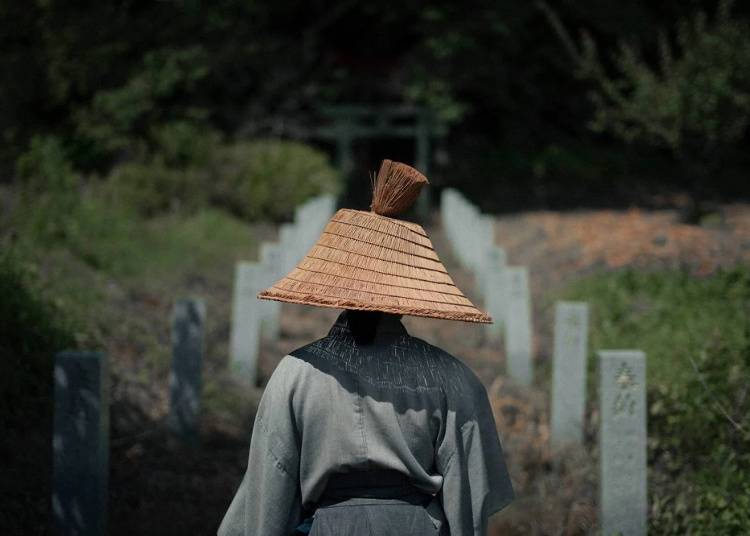
Nope. Japanese actually has several other phrases that take sayonara’s place in the vast majority of daily situations. Let’s take a look at a few, and then circle back to why sayonara usually isn’t used.
One of the most common ways to say goodbye when speaking to friends or peers in social situations is ja, which means “if” or “then.” That might seem like a pretty random choice of vocabulary, but there is a logical reason for it, which is that it’s a shortened version of sore ja, meaning “if it’s like that,” or, rendered more naturally in English “in that case” or “well then.”
In this situation, sore ja is itself a pared-down version of phrases such as sore ja, kore de kaerimasu (“well then, I’m heading home”), sore ja, ikanakya” (“well then, I’ve got to get going”), and the like. But if you don’t want to get into the nitty-gritty of why you’re saying goodbye, Japanese social norms allow you to opt out of the explanation and just say “ja.” Used completely by itself, though, ja can sound a little curt, so to make it a little cordial the all-purpose emphasizer ne, or na among male speakers, is often tacked onto the end.
Speaking of adding things after ja, another option for that is mata, the Japanese word for “again.” In this case, it’s included as an abbreviation of things such as mata aimashou (“let’s get together again [sometime]”) or mata ashita (“[see you] again tomorrow”). And to multiply our options even further, if you want to sound a little more polished and polite, you can replace ja with dewa, a more formal word with the same meaning.
Mixing and matching these elements will give you all sorts of common ways of saying “goodbye” in Japanese that you’ll hear much, much more frequently than sayonara, such as:
● ja / ja ne / ja na
● dewa
● sore ja / sore dewa
● mata / mata ne / mata na
● sore ja, mata / sore ja, mata ne / sore ja, mata na
● dewa, mata ne / dewa, mata na
There are two other Japanese phrases which also don’t translate literally as “goodbye” but regularly get used where we’d say that in English. One of them is otsukarasama desu, which, as we’ve discussed before, more or less means “you must be tired,” but which is commonly said between coworkers when going home at the end of the day, since you’ve both put in a full day of work. Similarly, if you’re going home while someone else is still working, the custom is to tell them osaki ni shitsurei shimasu, meaning “excuse me for going home before you,” which can be shortened down to just osaki ni if you’re on friendly terms with one another.
But even knowing all that, sayonara does still mean “goodbye,” so why isn’t it said very often? Because sayonara has a very weighty nuance to it, so much so that it’s mainly used for situations where it’s not just goodbye, but possibly goodbye forever, or at the very least where there’s a very real possibility that you’ll never meet again.
▼ Hearing “sayonara” at the end of a first date is a strong sign that there’s not going to be a second.
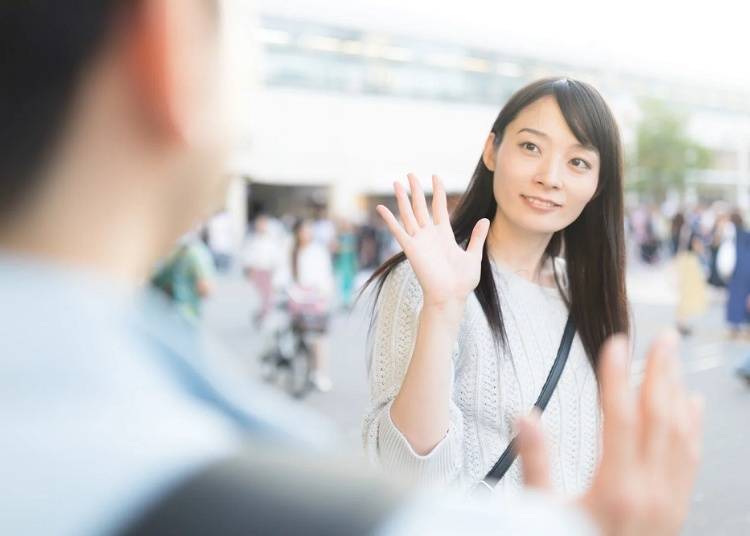
Because of that, sayonara isn’t something classmates say to each other after grabbing ramen together. It’s what they might say to each other at graduation if they’re all going off to different colleges and there’s no real guarantee they’re going to meet up again. You wouldn’t say sayonara to your coworker Tanaka-san when you clock out on a Friday evening, but you might say it to him at his going away party before his permanent transfer to an overseas office.
▼ If your coworker walks out of the office while waving and saying “Sayonara!”, there’s a good chance she just quit.
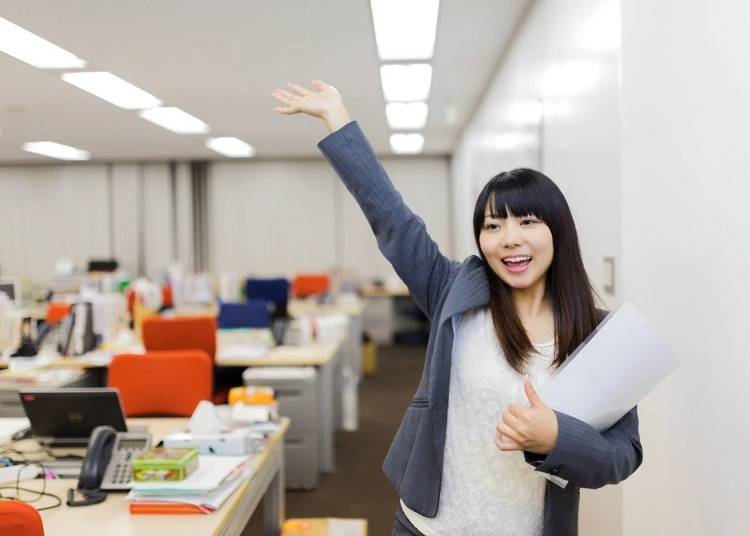
In other words, when someone does tell you sayonara, it tends to stick with you, because it’s a sign of parting that might be permanent. When someone said it to us the other day, it was a bittersweet moment, so who did we hear it from?
The workers at Cold Stone in the city of Kamakura, the very last branch of the chain in all of east Japan, which we visited for one last ice cream treat shortly before it closed on October 31.
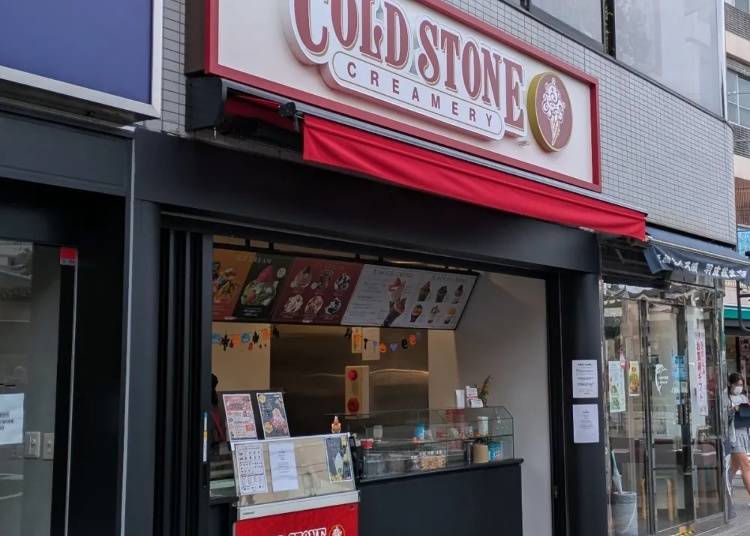
While he was waiting for his order, our reporter Mr. Sato briefly chatted with the staff about the shop shutting down, and when they handed him his ice cream, they told him thank you, and also “sayonara.” This is Cold Stone’s second time to leave east Japan, and it wouldn’t be a shock if the company decides not to ever take a third shot at it, and that situation was reflected in the employees’ choice of words.
Now, none of this means that there’s a taboo against saying sayonara, or that it’s an old-fashioned phrase that feels out of place in the modern world. Sayonara does, though, carry a lot of emotional significance, so it’s a special phrase for special circumstances.
Top image: Pakutaso
Insert images: Pakutaso (1, 2, 3), SoraNews24

- Category
*Prices and options mentioned are subject to change.
*Unless stated otherwise, all prices include tax.
Popular Tours & Activities
Recommended places for you
-

ISHIDAYA Hanare
Yakiniku
Kobe, Sannomiya, Kitano
-

Jukuseiniku-to Namamottsuarera Nikubaru Italian Nikutaria Sannomiya
Izakaya
Kobe, Sannomiya, Kitano
-
Appealing

Rukku and Uohei
Izakaya
Sapporo / Chitose
-
Goods
Yoshida Gennojo-Roho Kyoto Buddhist Altars
Gift Shops
Nijo Castle, Kyoto Imperial Palace
-

Ishiguro Samurai House
Historical Places
Surrounding Areas Of Akita
-

The Imperial Palace
Other Architecture
Tokyo Station
-
5 Japanese Craft Shops in Shinjuku: From Walls of Kokeshi Dolls to Artisan Teapots
-

BicCamera Tax Refund 2026: Refund Service Fee 0 Yen
-

Don Quijote (Donki) Tax Refund from Nov 1, 2026: No Refund Service Fee
-

Seibu Group Launches New Chichibu Adventure Tourism Experience for International Travelers in 2026
by: Guest Contributor
-
5 Stationery Shops in Shinjuku: One Walking Route for Art Supplies, Suica Penguin Gifts, and More
-
Cracked Phone Screen in Japan? Smahospital Repair Guide: Keep Your Data, Fixed in 15 Min, Multilingual Support | Up to 10,000 Yen Off with LIVE JAPAN Coupon
-

Western Students Reveal 10 Shocking and Surprising Things about Japan!
-

What to Buy in Tokyo: 5 Unique Tokyo Station Souvenirs
-

“With Strangers...?!" Why Foreigners Are Shocked by Japan’s Onsen Culture
-

Hasshoku Center: Enjoy Famous Seafood Bowls at Aomori's Giant Fish Market
-

8 Unfamiliar (But Totally Normal) Customs in Japan!
-

Top 5 Things to Do in Hokkaido's Biei and Furano Area: Shirogane Blue Pond, Lavender Fields, And More!
- #best sushi japan
- #what to do in odaiba
- #what to bring to japan
- #new years in tokyo
- #best ramen japan
- #what to buy in ameyoko
- #japanese nail trends
- #things to do japan
- #onsen tattoo friendly tokyo
- #daiso
- #best coffee japan
- #best japanese soft drinks
- #best yakiniku japan
- #japanese fashion culture
- #japanese convenience store snacks