





Unique places where you can truly experience a sense of Japan's history, are historical sites where shrines and temples once stood.
What are Shaji-ato and Kyu-keidai?
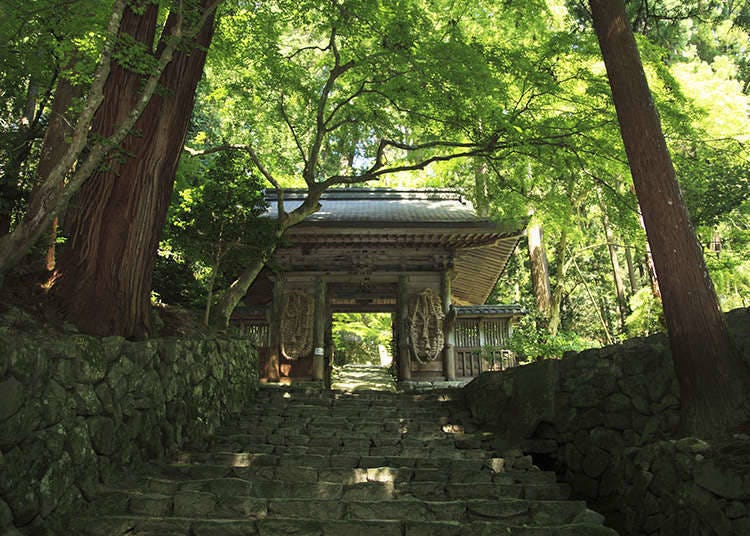
Shaji can mean shrine as well as temples. Keidai refers to the site that is under a shrine's or temple's administration. The remains of these buildings are called historical sites of shrines and temples (shaji-ato), and the place where temples used to exist are called the former precinct (kyu-keidai).
Ruined By Man-made Disasters
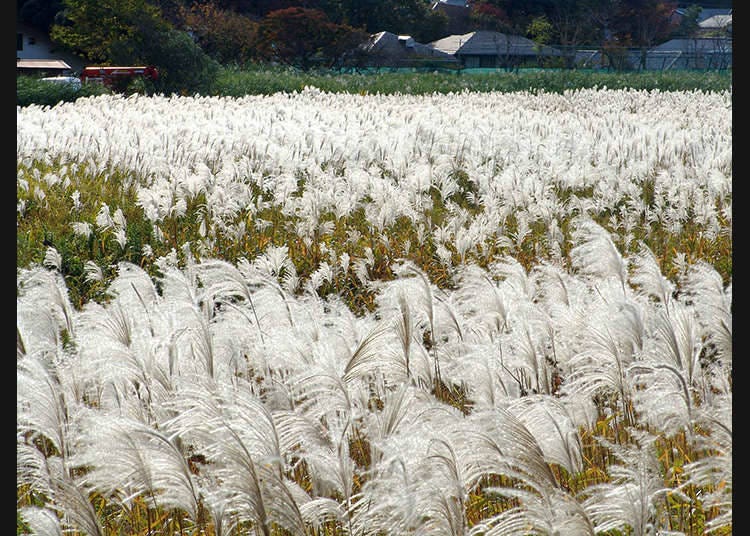
One of the reasons why shrines and temples fell to ruin are accidents. In many cases, the buildings were burned down by fire. Yofuku-ji Temple in Kamakura City in Kanagawa is now a field covered with Japanese silver grass.
Ruined By Policies
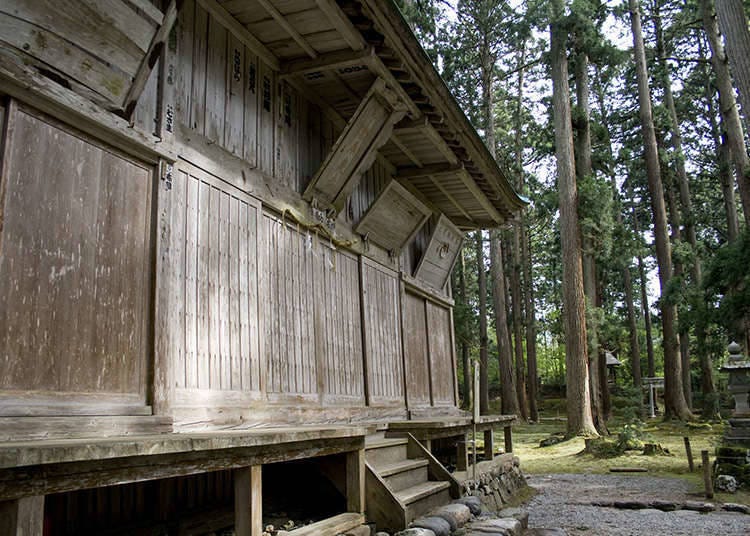
Many temples and shrines were destroyed as a result of an anti-Buddhist policy called haibutsu-kishaku that was adopted by the government as a part of its modernization push. The government's aim was to drive out Buddhism, which originally had come from abroad, and to adopt Shinto as the national religion. People were also deprived of property and status relating to Buddhism.
Ruined By Uprisings
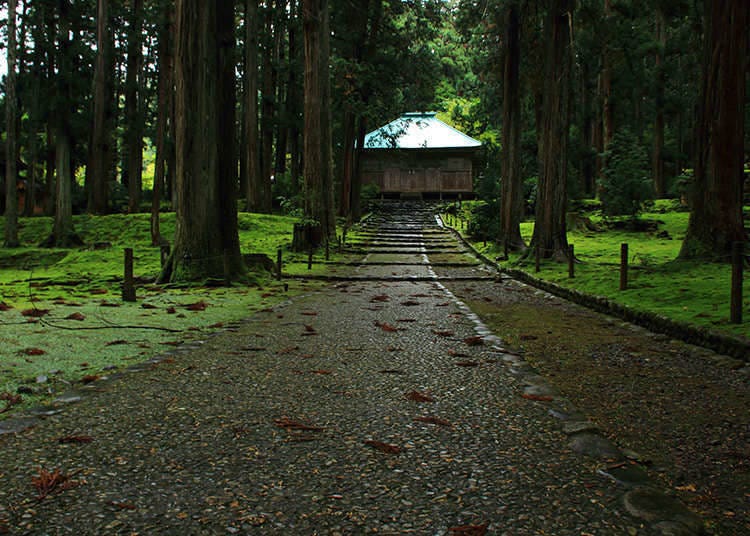
During the centuries, many buildings were destroyed in the wake of uprisings against those in power. In the Warring States period, a Buddhist sect called Ikko-ikki rose up against the feudal lords and it is believed that many a religious building fell victim to these riots.
The Significance of These Historical Sites
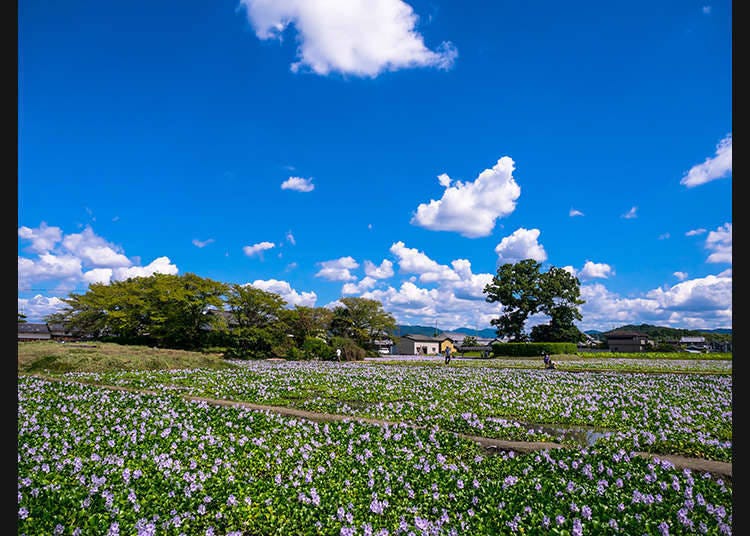
Sometimes, a blossoming field or a skyscraper-littered corner of a business district was once the site of a shrine or temple. With the proper background knowledge, the flow of time can be experienced very vividly at these former shrine and temple grounds!
- Category
*Prices and options mentioned are subject to change.
*Unless stated otherwise, all prices include tax.
Popular Tours & Activities
Recommended places for you
-
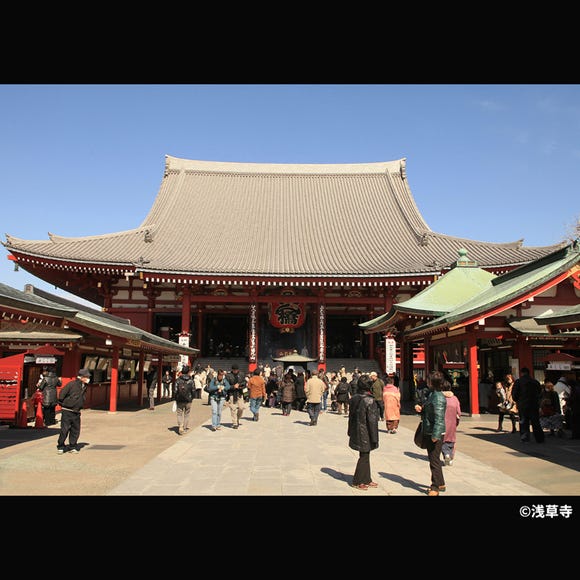
Senso-ji Temple
Temples
Asakusa
-
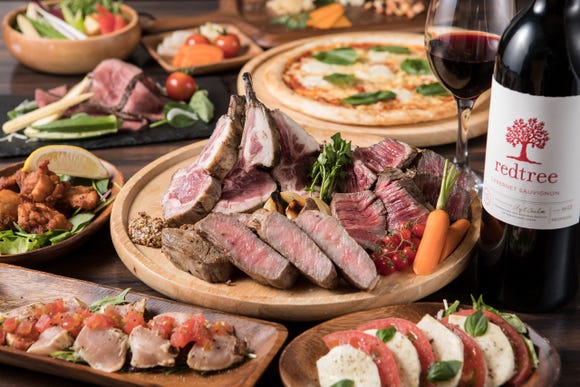
Jukuseiniku-to Namamottsuarera Nikubaru Italian Nikutaria Sannomiya
Izakaya
Kobe, Sannomiya, Kitano
-
Goods
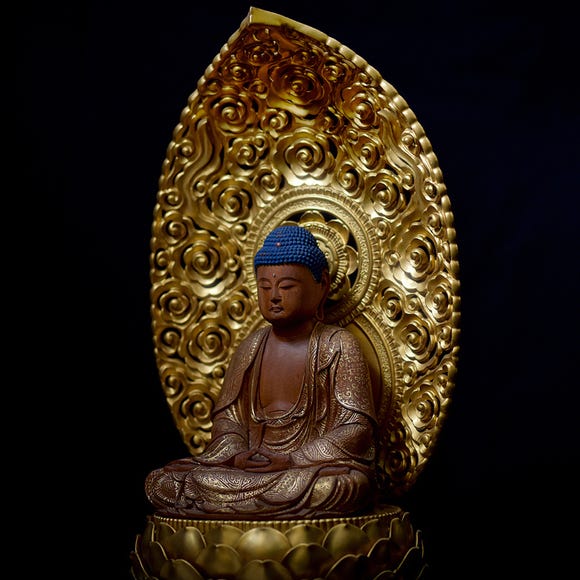
Yoshida Gennojo-Roho Kyoto Buddhist Altars
Gift Shops
Nijo Castle, Kyoto Imperial Palace
-
Appealing
Rukku and Uohei
Izakaya
Sapporo / Chitose
-
Appealing
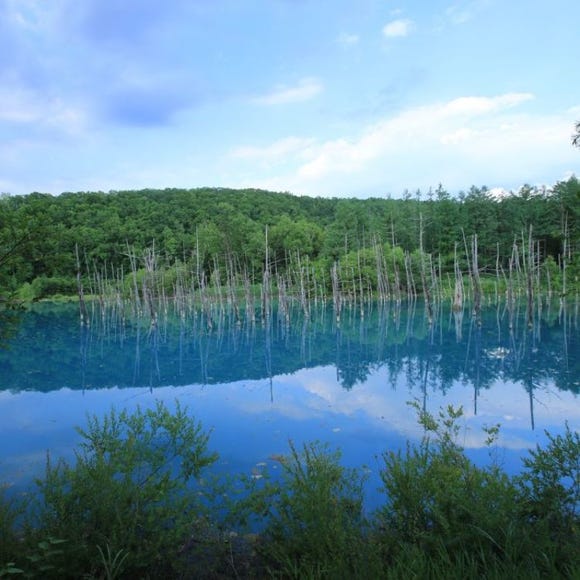
Shirogane Blue Pond (Aoiike)
Rivers, Lakes & Canyons
Furano / Biei / Sounkyo
-
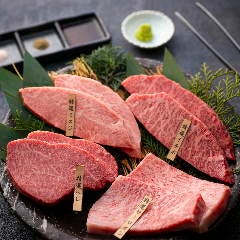
ISHIDAYA Hanare
Yakiniku
Kobe, Sannomiya, Kitano
-

The Best Sumo Experiences in Tokyo: Morning Practices vs. Sumo Shows
-
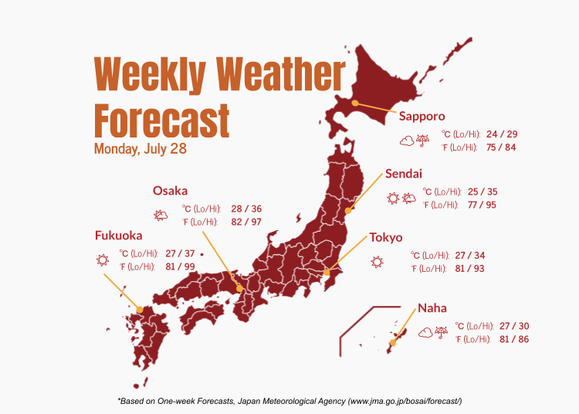
7-Day Japan Weather Forecast: Tokyo, Osaka, Sapporo, Sendai, Fukuoka, Naha – Plan & Pack Smart for Your Trip
-

Top-Booked by International Visitors: Must-Try Italian & Pizza in Tokyo for First-Time Visitors
by: Guest Contributor
-
Ad
Pocket WiFi Rental in Japan 2026: Complete Price Comparison & Where to Get the Best Deal
-
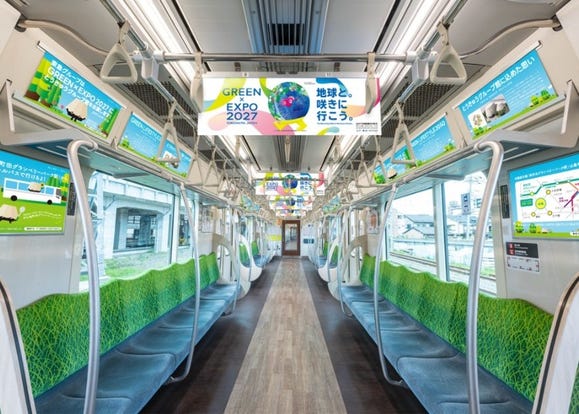
Japan's New GREEN LIFESTYLE TRAIN Connects Tokyo, Yokohama, and a Greener Future
by: Guest Contributor
-

Haneda Airport Duty-Free Shopping Guide: What to Buy, How to Save & Where to Eat Before Your Flight
by: Guest Contributor
-
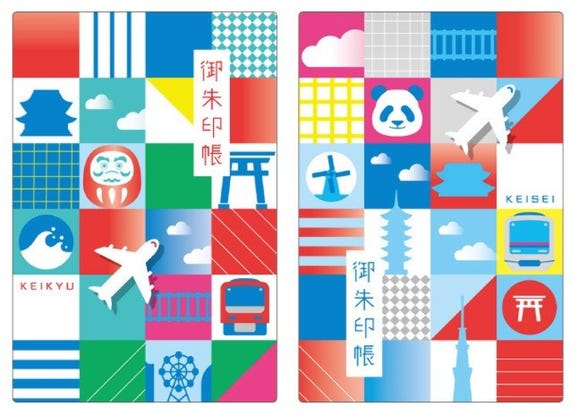
Keisei × Keikyu 16-Temple Goshuin Tour: Discover Deeper Tokyo & Yokohama
by: Guest Contributor
-
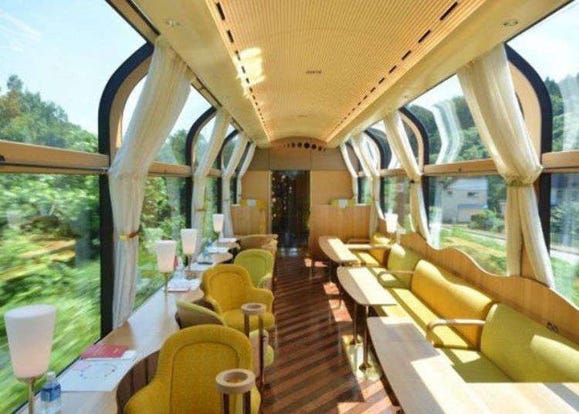
We Board Japan's 'Setsugekka' Resort Train And Have An Incredible Journey Through The Heartland
-
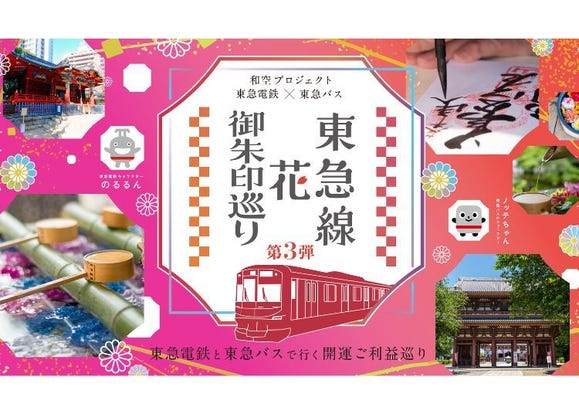
Enjoy Japanese Beauty and Healing with All Five Senses! A "Hana-Goshuin" Journey via Tokyu Lines & Buses
by: Guest Contributor
-
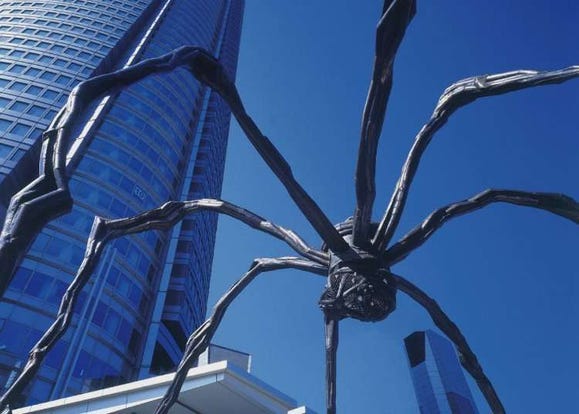
Tokyo Roppongi: 5 Most Amazing Spots at Roppongi Hills and How to Make the Best of Them!
-

Otaru Travel Guide: Inside Hokkaido's Leading Destination (Sightseeing, Food, and Shopping Tips)
-
Fine Japanese Dining in Kyoto! Top 3 Japanese Restaurants in Kiyamachi and Pontocho Geisha Districts
- #best sushi japan
- #what to do in odaiba
- #what to bring to japan
- #new years in tokyo
- #best ramen japan
- #what to buy in ameyoko
- #japanese nail trends
- #things to do japan
- #onsen tattoo friendly tokyo
- #daiso
- #best coffee japan
- #best japanese soft drinks
- #best yakiniku japan
- #japanese fashion culture
- #japanese convenience store snacks