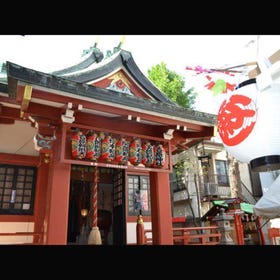
Benzaiten, one of the seven lucky gods of Asakusa, is enshrined, and is said to bring benefits such as business success
Wish upon the matchmaking deity for success in love
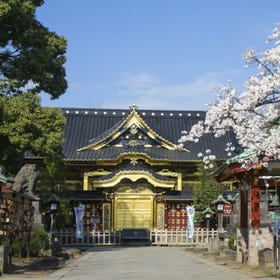
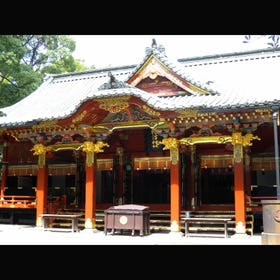
A significant cultural property with the feel of Edo/Tokyo. Richly decorated with gold foils, the magnificent main building also known as the ”shrine of gold” is astounding.
The head Kumano shrine where various Kumano deities are worshiped
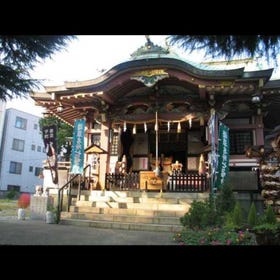
An historic shrine favored as a place of rest and relaxation by locals
The traditional god of learning
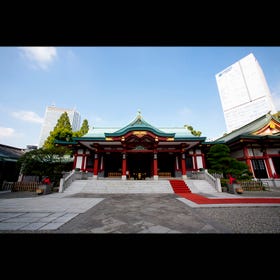
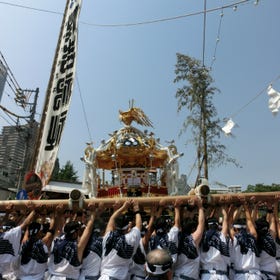
Hie-jinja Shrine has a history of more than 600 years. The Sanno Festival, one of the three biggest Japanese festivals, is held in June.
Having many children themselves, rabbits symbolize safe child-rearing here
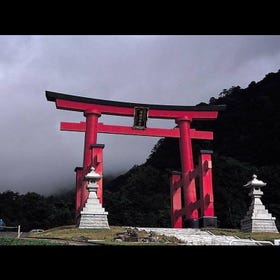
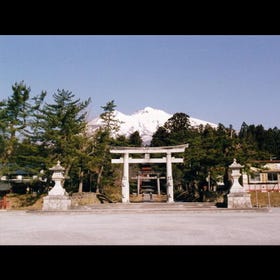
The most sacred of the three Dewa Sanzan
A sacred place connected to Hideyoshi
A shrine where the god for safe sea travel is enshrined has been respected by people. Many important cultural properties of the ward are preserved in the shrine ground.
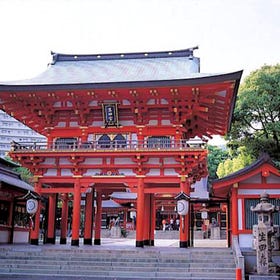
A guardian deity of water with miraculous virtue worshipped since ancient times. The shrine has been worshipped for better luck marriage by countless people through the ages, including nobles.
Famous as a spiritual site believed to bring good luck in marriage
Where the guardian buck and doe are enshrined
Pray for good health and matchmaking at this shrine built for subduing an epidemic
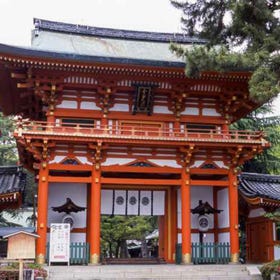
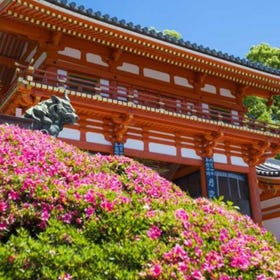
A famous shrine that plays a central role in the Gion Festival
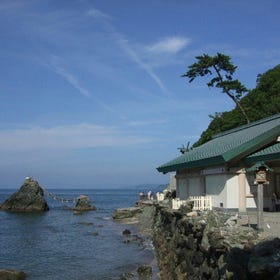
A shrine famous for its ”Wedded Rocks”
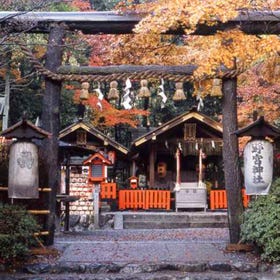
Inherit Hikaru Genji's luck in love
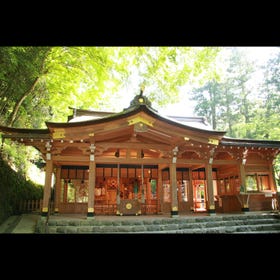
A historical shrine with a solemn atmosphere built in Gongen-zukuri (style of Shinto architecture in which the main hall and worship hall share one roof). It is designated as National Important Cultural Property. Late April is the best period to see the Azaleas on the premises.
Encounter a god of matchmaking in a busy district