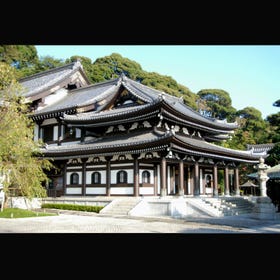
Hasedera or the Hasedera Temple is an old temple with a view of the ocean and the town of Hase in Kamakura. Various flowers bloom in the garden from season to season. Its principal image of worship is one of the largest wooden statues in Japan.
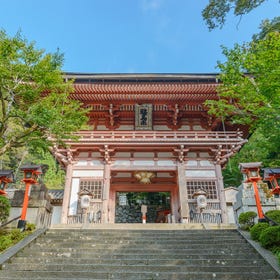
A temple located in the holy mountain of Kurama in Kyoto. Minamoto no Yoshitsune is said to have trained here, and visitors can feel the vibrant energy of nature and the universe.
One of the last temples to prohibit entry to women
The graceful standing statue of Gigeiten is a must-see attraction
Take a stroll through the forest-enveloped grounds
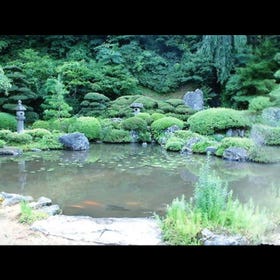
Stroll along the heart-shaped pond in the garden
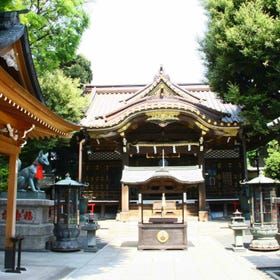
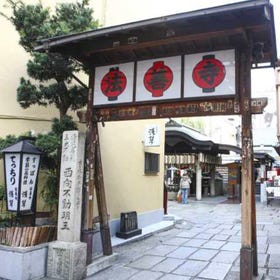
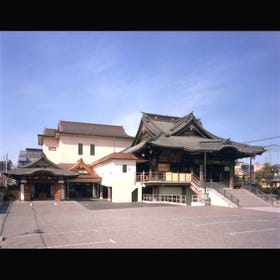
A soto-zen Buddhist temple, better known as Toyokawa Inari, which had been worshiped by both the mighty warriors of each era and common people of Edo-Tokyo. You can make a pilgrimage to the seven lucky gods and enjoy viewing lit paper lanterns.
The historic, symbolic spot of Namba. Always popular with tourists
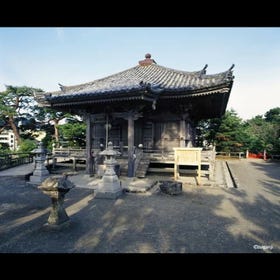
A Zen temple associated with warlord Date Masamune. Visit the main hall, which is a designated national treasure, and the architectural masterpiece that is the Kuri (kitchen building).
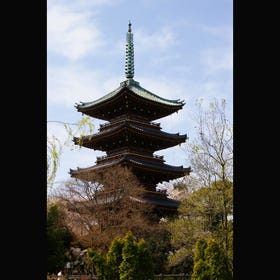
A five-story traditional Japanese building, towering in the lush woods, you are sure to find while walking in Ueno Park. It is a National Important Cultural Property.
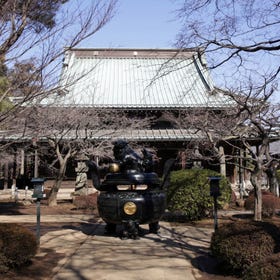
This is a branch temple of the Naritasan Shinshoji Temple on the land of Kawagoe and is famous for its goma-kito (a ritual of consecrated fire) and the flea market on the 28th of every month.
A temple of flowers, with a circuit-style garden
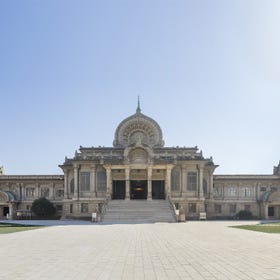
It is a Buddhist temple in Tsukiji. The exterior of the main worship hall is a stone construction in the ancient Indian style, and the interior of the hall is arranged in the traditional Shinshu-sect temple design and layout.
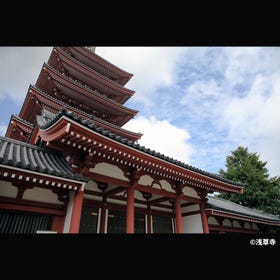
A soaring five-story pagoda at Senso-ji Temple in Asakusa with magnificent nighttime illumination.
It is the Buddhist temple which is said to be the origin of maneki-neko or a luck-inviting cat figurine, beckoning with its right front paw. In its temple grounds, a number of historical assets still remain.
Hozomon Gate houses Nio statues on each side (one called Agyo and the other called Ungyo). The 4.5-meter long giant waraji sandals ward off evil
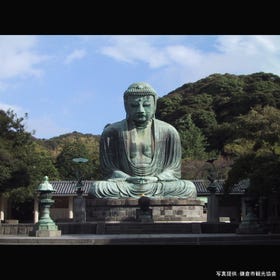
Famous for the Great Buddha of Kamakura which weighs 121 tonnes, Kotoku-in is a Buddhist temple of the Jodo-shu sect.
Main priests' residence of Senso-ji complex where the Three Buddha Statues of Amitabha are enshrined. The temple also houses ancestral tablets of Tokugawa Shoguns.
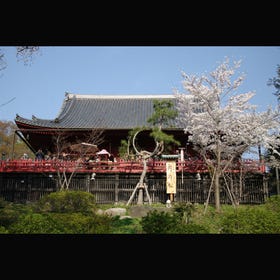
The temple hall is classified as an Important Cultural Property, modeled after Kiyomizu Temple in Kyoto Higashiyama. The gorgeous vermillion facade fascinates visitors.
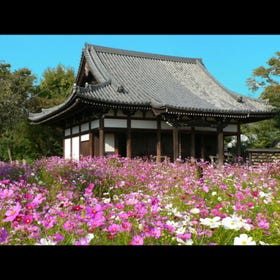
Legend has it that the temple buildings were built by Emperor Shomu. In addition to the exquisite Kamakura-Period-style Romon Gate (National Treasure) facing the old road, there is a Kamakura-Period-style thirteen-story pagoda (Important Cultural Property) towering at the center of the temple grounds. The temple is also famous for its cosmos flowers.