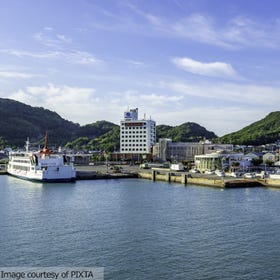
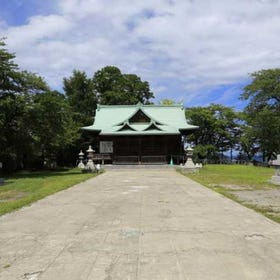
Your base for sightseeing in Shodoshima Island, famous for its Setouchi art, olives, and soy sauce.
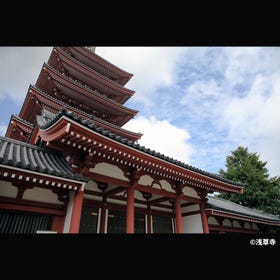
A soaring five-story pagoda at Senso-ji Temple in Asakusa with magnificent nighttime illumination.
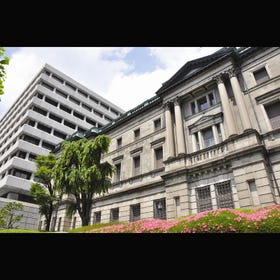
The central bank in Japan. The public can visit the Main Building (Old Building), designated as a National Important Cultural Property, as well as part of the New Building. (Photo provided by: Bank of Japan)
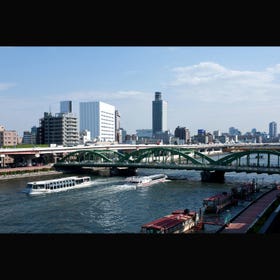
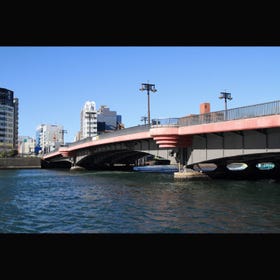
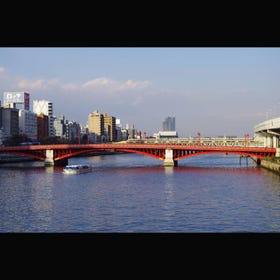
The bridge carrying traffic from Kasuga-dori Street over the Sumida River. One of the viewing areas for the fireworks festival is near this bridge.
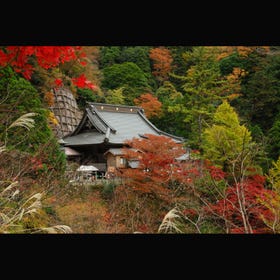
The fierce-eyed Fudo Myo-o (Acala) statue, this Buddhist temple's main object of worship, is really astounding. The backdrop of beautiful red maple leaves is also impressive.
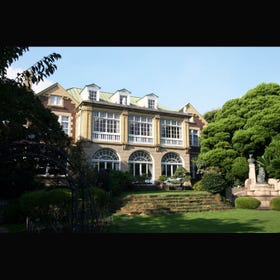
A Western-style residence commissioned by former Prime Minister Ichiro Hatoyama. Various flowers such as roses bloom beautifully from season to season.
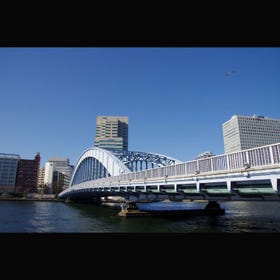
A tied-arch bridge that imitated the Ludendorff Bridge in Germany.
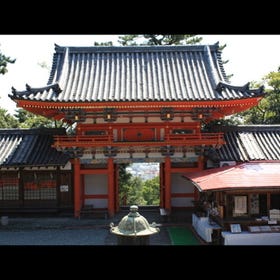
Built in the Gongen-zukuri style, this shrine was founded by the lord of the Kishu domain, Yorinobu Tokugawa, in 1621 to enshrine his father Ieyasu. Similar to Nikko Tosho-gu Shrine, the magnificent shrine pavilion is surrounded by sculptures by Jingoro Hidari and wall paintings by Tanyu Kano. Seven shrine structures including the Haiden, the Honden, and the vermillion Romon Gate, are designated as national Important Cultural Properties. At the shrine, Mikoshitogyo, which is one of the great festivals called Wakamatsuri, takes place where men carry mikoshi (portable shrine carried in festivals) and courageously descend 108 steps, followed by a parade of 1,000 people.
The bridge stretching over the Sumida River was a favorite motif of Ukiyoe artist, Hiroshige Utagawa (1797-1858) of the end of the Edo period (1600/1603-1868).
View the spring cherry blossoms in full bloom from the Azuma-bashi bridge, or board the Waterbus for some sightseeing along the Sumida river.
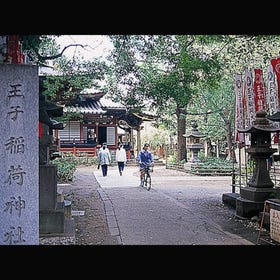
The shrine was established by the then Shogun, Tokugawa Ienari. It is also known as an old Kanto Inari Sotsukasa shrine (the top Kanto area shrines enshrining the Inari.)
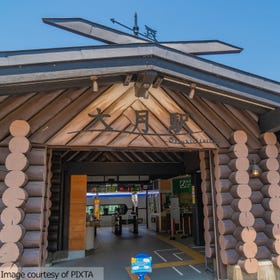
The ideal starting point for Mt. Fuji sightseeing and for enjoying historic landmarks and majestic views.
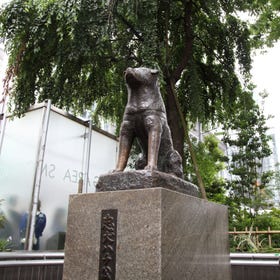
The Hachiko Statue, an iconic symbol standing near the bustling scramble intersection of Shibuya Station, is a well-loved fixture in Tokyo tourism. A popular meetup location, it has garnered considerable attention from international visitors, who are often found capturing its charming presence. A visit to Shibuya would be incomplete without stopping by this faithful statue, along with other renowned attractions such as SHIBUYA SKY, MIYASHITA PARK, and Shibuya Center Street. This endearing statue encapsulates the appeal of Shibuya, radiating an enduring charm. Before you explore the vibrant sights of Shibuya, be sure to commemorate your visit with a selfie with this beloved statue.
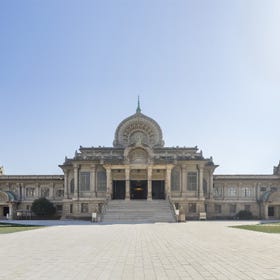
It is a Buddhist temple in Tsukiji. The exterior of the main worship hall is a stone construction in the ancient Indian style, and the interior of the hall is arranged in the traditional Shinshu-sect temple design and layout.
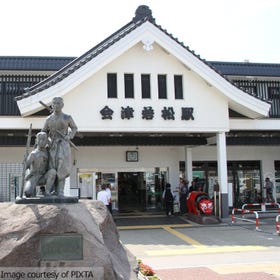
Experience samurai history and culture, with loop buses offering convenient access to city sights.
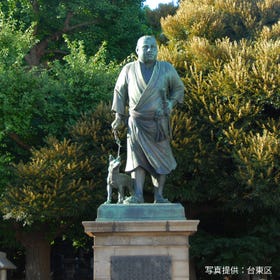
Ueno's iconic Statue of Saigo Takamorio stands in Ueno Park which is famous for its cherry blossoms in spring.
The principal object of worship at Ennoji Temple is Enma Daio. It also enshrines the Ten Judges of Hell. You can experience an ancient view of the afterlife here.
Famous for ”The Scrolls of Frolicking Animals and Humans”
Lovely views within the grounds, and a shrine built in the mid-19th century
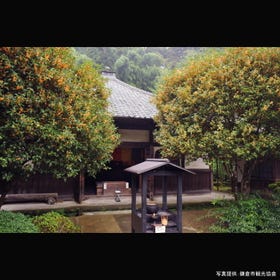
A tea ceremony sanctuary that started as a gathering of artists