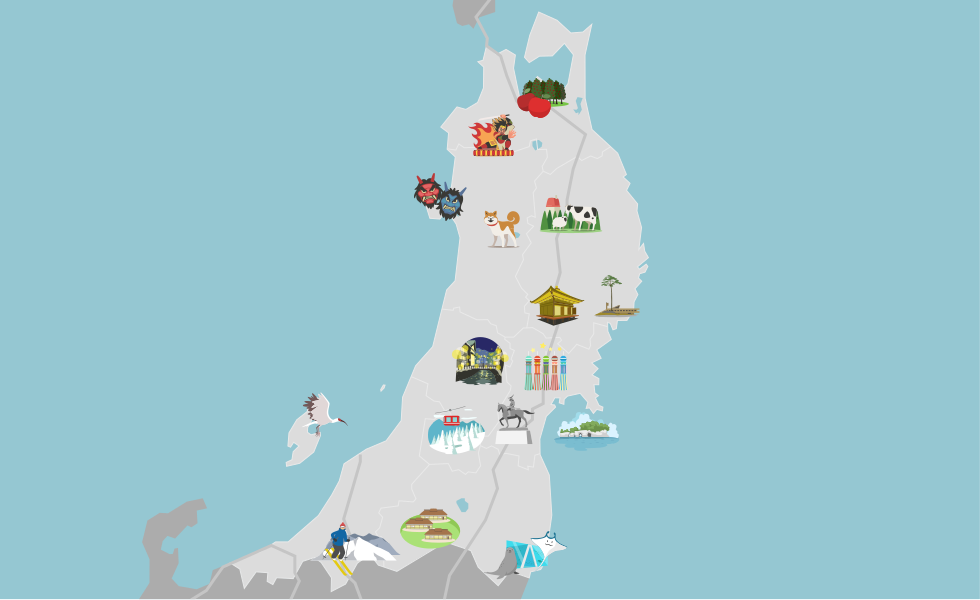
Enjoy the four seasons of Osaka from the river's surface
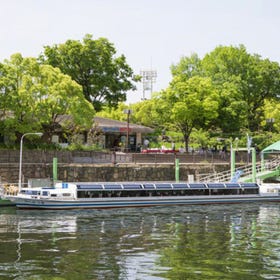
It’s not just about the animals! Enjoy this sprawling park and its many notable points
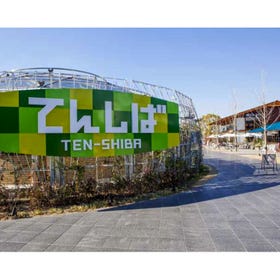
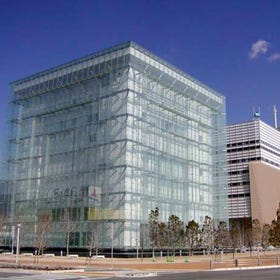
At Japan Sake and Shochu Information Center , you can look, touch, and experience Japanese sake, authentic shochu, awamori and so on.
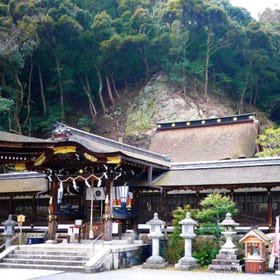
The oldest shrine in Kyoto
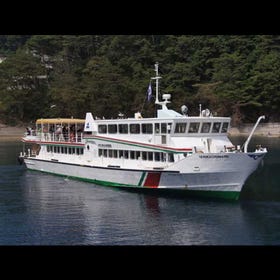
Enjoy a cruise with black-tailed gulls
Magnificent views await at the end of the 1,015-step climb
Featuring a wooden statue of a historical Shogun from the Ashikaga period
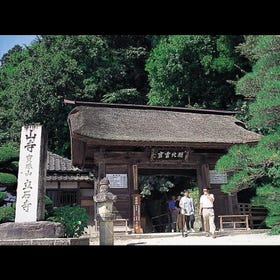
A grand temple complex established on Mount Koya some 900 years ago
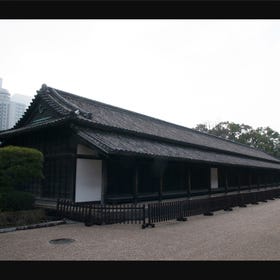
Originally created as part of the Imperial Palace, the gardens are now open to the public.
Fully equipped to accommodate international visitors. Offers cashless payment options, towel rentals, and discount coupons specifically for travelers from abroad.
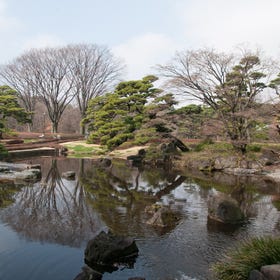
Japanese garden teeming with nature — in the midst of Tokyo. Stroll the garden and enjoy the sight of seasonal flowers and wild birds.
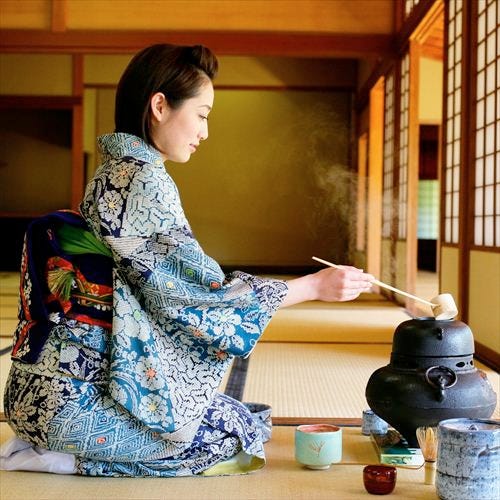
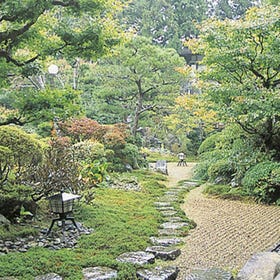
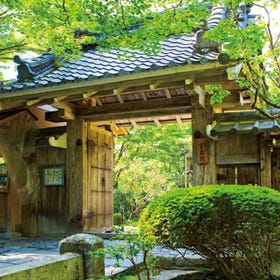
Indulge in tea while gazing at the garden
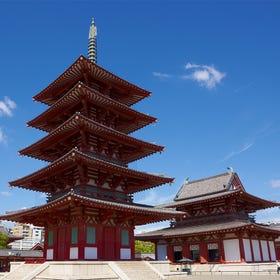
Shitenno-ji Temple is the oldest state-built Buddhist temple in Japan, established in 593 by Prince Shotoku. The architectural structures seen today are faithful reproductions of the temple's original appearance.
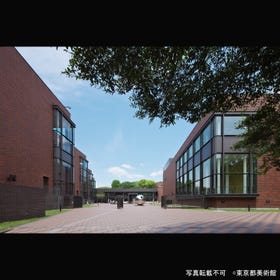
Tokyo Metropolitan Art Museum is in Ueno Park. Special exhibitions of domestic and foreign famous paintings, variety of planned exhibitions, and exhibitions of works by the general public are held there.
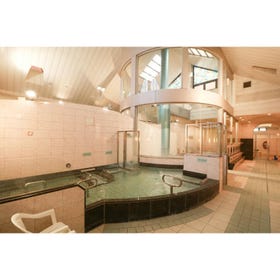
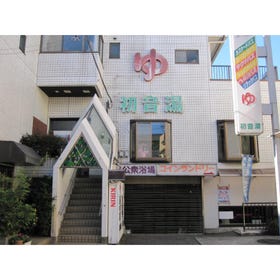
Traditional Japanese bathhouses(SENTO).
Understand and experience a disaster, while learning about minimizing risk and damage from natural disasters
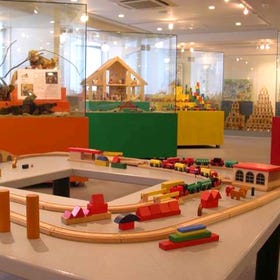
A toy museum where you can enjoy picking out favorites
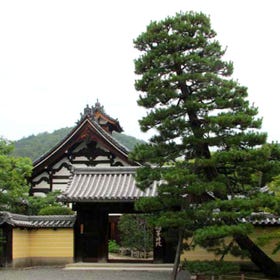
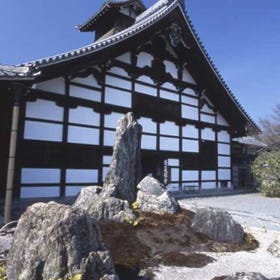
A majestic temple and garden with beautiful Arashiyama in the background
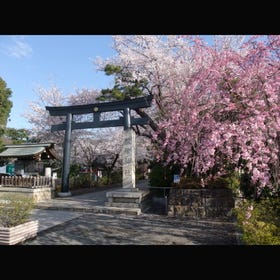
Known as the shinto shrine related to Yoshida Shoin, a samurai clan member of the Choshu Domain who had enormous influence on the movement to topple the Edo Shogunate during the mid-19th century. Now deified, he has become popular as a god of academic success.
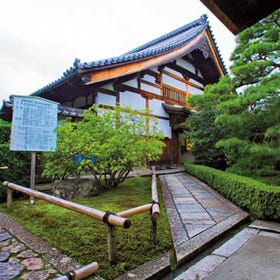
The abbot’s chambers are surrounded by four gardens