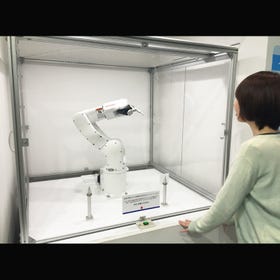
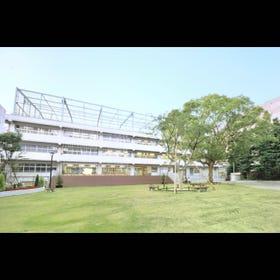
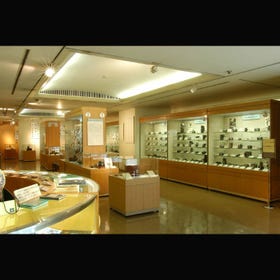
A technology gallery where you can experience Japanese high technology by looking, touching and operating. A guided tour is available, as well.
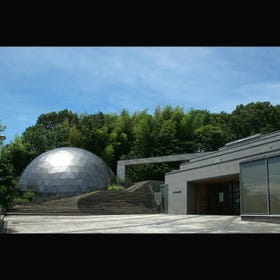
The Higashi-yamato Municipal Folk Museum has ”the Sayama Hills and life” as its theme. The museum has a planetarium equipped with a Megastar projector, which casts images of stars.
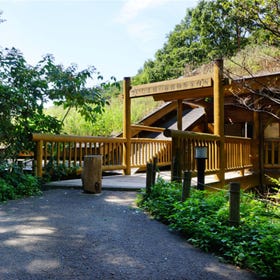
Saitama Midori-no-mori Museum is a field museum that presents the satoyama (traditional agricultural) landscapes of Sayama-kyuryo Hills, such as wooded areas and swamps.
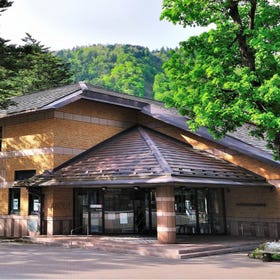
A facility where you can experience the nature and history of remote wilderness of Oku-Nikko
The Philatelic Museum in Tokyo is one of the rare museums in Japan, and visitors can discover the fun and charm of postal stamps from all over the world.
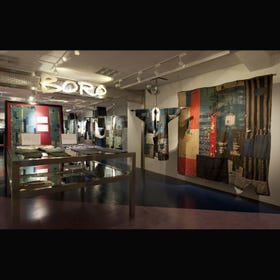
Amuse Museum is an art complex where a museum of the textile culture and ukiyoe (paintings of everyday life in the Edo period 1603 – 1868), a select shop of Japanese-style products, and an event hall are combined.
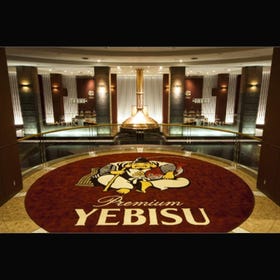
Museum of Yebisu Beer will teach you the history and the way to enjoy Yebisu beer at the birthplace of Yebisu beer.
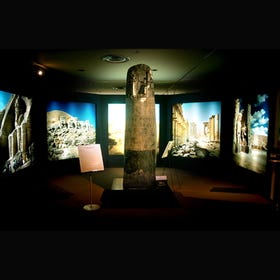
The museum has the ancient Orient as its theme. Visitors can learn about the hunting and gathering life of 5,000 years ago as well as the invention of writing.
Daimyo Tokei Hakubutsu-kan, or Daimyo Clock Museum, is the museum of the Edo period's art and craftwork, daimyo clocks (Japanese clocks), and is located in the popular Yanaka area in the shitamachi (the geographically lower side) of Tokyo.
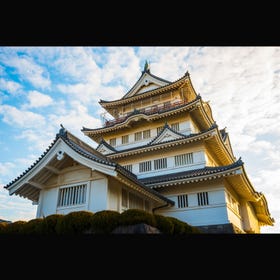
It is a historical museum where you can learn about the Chiba clan, who made the foundation and historical contribution to Chiba City. From the observation deck, you can see a magnificent view of Chiba City.
An art center open to all where you can enjoy exhibitions, workshops, and a variety of other events.
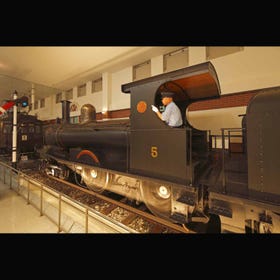
This is a hands-on train museum that is enjoyable for both adults and children. An operation simulator that uses an actual operator's seat is popular.
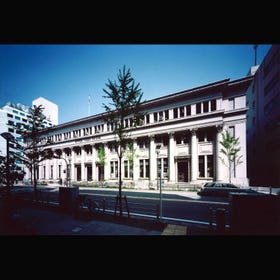
It is a museum where the Japanese maritime history can be learned from videos and valuable displays. The NYK Maritime Museum widely introduces the history of marine vessels along with the history of Nippon Yusen as a company. (NYK stands for Nippon Yusen Kaisha, a shipping company.)
This is a museum built on the site where the Kawagoe Castle used to stand. Through various exhibitions, the museum explains how the people in the castle town lived.
The Sumo Photography Museum is placed in the parking area of a photo studio. There are many items on display, including photographs of successive generations of great sumo wrestlers, references, and sumo wrestlers' ornamental aprons.
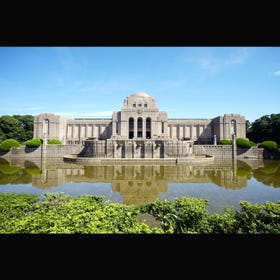
This is an art gallery established in 1926, located in the Meiji Jingu Gaien Park. About 80 masterpieces of Japanese and Western paintings are displayed in chronological order.
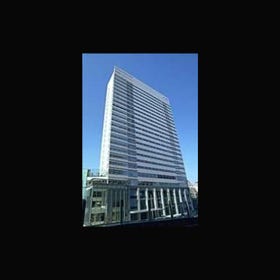
A museum located on the fourth floor of Panasonic Tokyo Shiodome Building. 230 pieces by Georges Rouault, a representative artist of the 20th century, are shown at this museum.
Nippon Camera Hakubutsu-kan or the JCII Camera Museum is a museum operated by the Japan Camera Industry Institute, and you can have fun learning and familiarizing yourself with cameras by looking at and touching cameras. There are more than 300 cameras on display.
A history museum featuring precious cultural artifacts from the Kamakura Era.
The artist Kyotaro Nishimura visited Yugawara to rest and recuperate, and he was so enchanted by its climate and people that he decided to live here. The Nishimura Kyotaro Museum was opened in honor of him. In addition to more than 300 of his creations, we also exhibit items that represent his life as a writer, including handwritten manuscripts, large dioramas and his secret collection. Please stop by and get a new insight into the life and work of Kyotaro Nishimura. Access: From Yugawara Station, take the bus headed to Okuyugawara or Fudo-Taki for about 5 minutes We are three minutes' walk from the Shogakko-Mae bus stop