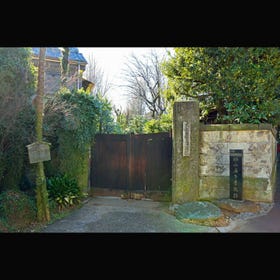
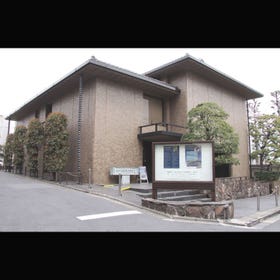
The museum displays valuable handicrafts and folk crafts, mainly Japanese antique ceramics and dyed or woven textiles that were selected by Japanese philosopher Yanagi Muneyoshi, collected from Japan and overseas.
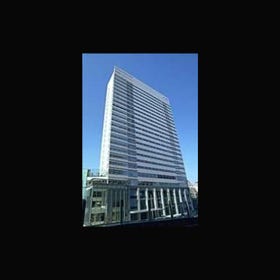
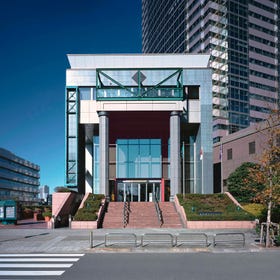
A museum located on the fourth floor of Panasonic Tokyo Shiodome Building. 230 pieces by Georges Rouault, a representative artist of the 20th century, are shown at this museum.
Currently under renovation, and plans to reopen in the autumn of 2016. One of the few museums worldwide focusing on photography and film.
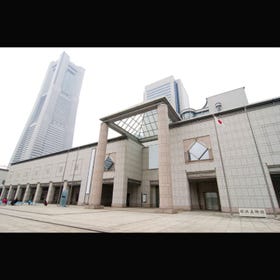
Yokohama Museum of Art is considered a symbol of the Minato Mirai 21 area. It consists of seven exhibition rooms and has a collection of over 110,000 books. It is one of the largest museums in Japan.
Daimyo Tokei Hakubutsu-kan, or Daimyo Clock Museum, is the museum of the Edo period's art and craftwork, daimyo clocks (Japanese clocks), and is located in the popular Yanaka area in the shitamachi (the geographically lower side) of Tokyo.
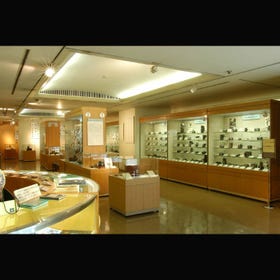
Nippon Camera Hakubutsu-kan or the JCII Camera Museum is a museum operated by the Japan Camera Industry Institute, and you can have fun learning and familiarizing yourself with cameras by looking at and touching cameras. There are more than 300 cameras on display.
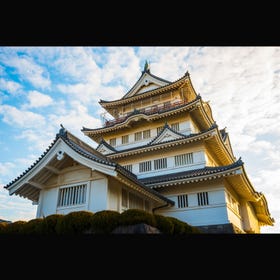
It is a historical museum where you can learn about the Chiba clan, who made the foundation and historical contribution to Chiba City. From the observation deck, you can see a magnificent view of Chiba City.
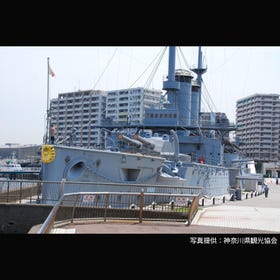
This is one of the three greatest commemorative ships in the world. It has been preserved as a symbol of the nation’s pride that attained the victory in the naval battle for defending national independence.
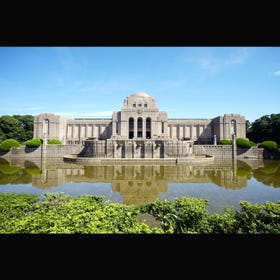
This is an art gallery established in 1926, located in the Meiji Jingu Gaien Park. About 80 masterpieces of Japanese and Western paintings are displayed in chronological order.
An art center open to all where you can enjoy exhibitions, workshops, and a variety of other events.
A history museum featuring precious cultural artifacts from the Kamakura Era.
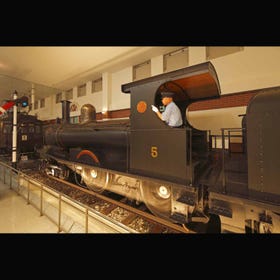
This is a hands-on train museum that is enjoyable for both adults and children. An operation simulator that uses an actual operator's seat is popular.
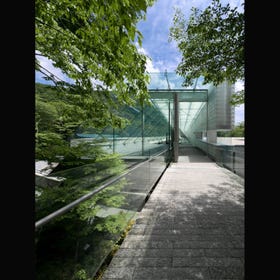
Pola Museum of Art, built in the forests of Hakone, is a glass-encased space where you can enjoy art and nature together.
The Sumo Photography Museum is placed in the parking area of a photo studio. There are many items on display, including photographs of successive generations of great sumo wrestlers, references, and sumo wrestlers' ornamental aprons.
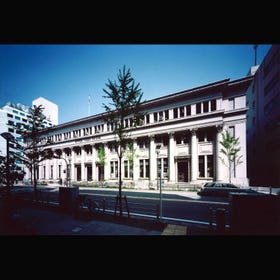
It is a museum where the Japanese maritime history can be learned from videos and valuable displays. The NYK Maritime Museum widely introduces the history of marine vessels along with the history of Nippon Yusen as a company. (NYK stands for Nippon Yusen Kaisha, a shipping company.)
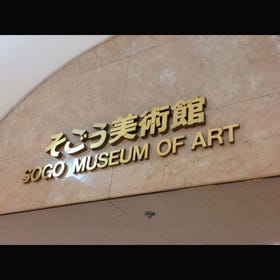
The Sogo Museum of Art is located inside a department store that is directly connected with Yokohama Station. You can enjoy both shopping and art at the same time.
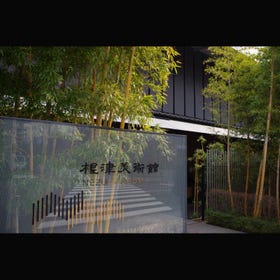
Established in accordance with the wishes of the business tycoon, Kaichiro Nezu, after his death. Antique works of art from Japan and the rest of Asia can be enjoyed here. It also has a Japanese garden with tea houses.
This museum is dedicated to ukiyo-e. It houses one of the largest collections in the world.
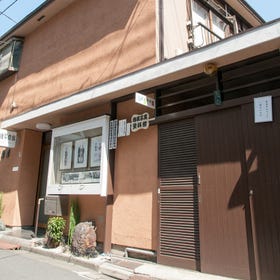
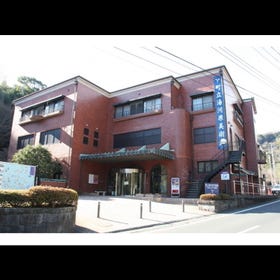
In 1998, an old Japanese inn was renovated and opened as the Yugawara Art Museum. We exhibit works by artists with a connection to Yugawara, such as Seiho Takeuchi, Sotaro Yasui, and Kokki Miyake. In the Reiji Hiramatsu Hall, Reiji Hiramatsu, one of Japan's leading artists, is currently creating an exhibition provisionally titled ”Ten Scenes of Yugawara.” In addition to viewing his works, the atelier where he creates his works is also open to the public. In the Japanese garden connected to the museum you can view seasonal flowers and ”Monet’s water lilies,” which were grown from water lily bulbs given to Reiji Hiramatsu by the Fondation Claude Monet. In the museum's cafe ”And Garden,” you can relax with food and tea while enjoying a fine view of the garden. Please enjoy appreciating great art in our peaceful, soothing museum. Access: From Yugawara Station, take the bus headed to Okuyugawara or Fudo-Taki for about 12 minutes We are right next to the Bijutsukan-Mae bus stop.
We display works created by people who have been designated as important intangible cultural properties, otherwise known as ”living national treasures.” We have a permanent special exhibition on the recent works of ceramic artist Morihiro Hosokawa. Access: From Yugawara Station, take the bus headed to Kajiya for about 5 minutes We are located right next to the Yamazaki bus stop