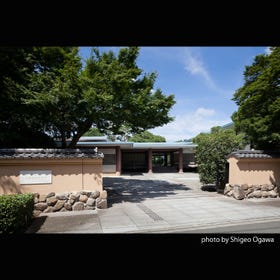
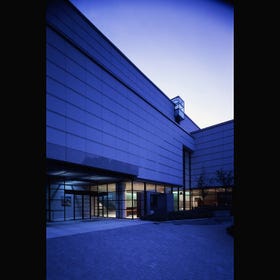
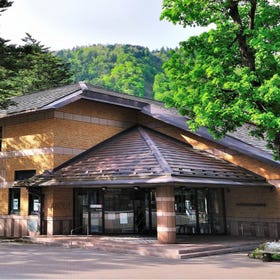
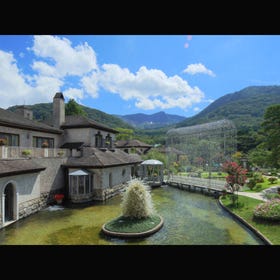
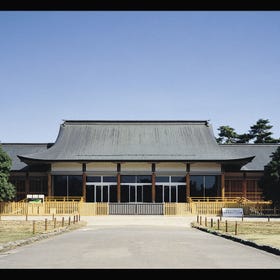
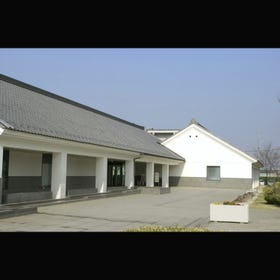
It has over 5,000 pieces of Japanese and Oriental antique art. The building in the shinden-zukuri aristocratic architectural style (developed between the late 7th to early 11th century) and the Japanese garden are worthy of a viewing.
A museum that displays precious references to sumo wrestling — a form of traditional culture dating to the era of Japanese myths.
This is an art museum that houses and exhibits modern and contemporary Japanese art. It hosts special exhibitions on a wide range of themes.
A facility where you can experience the nature and history of remote wilderness of Oku-Nikko
Hakone Garasunomori Museum, or the Venetian Glass Museum in Hakone, is the first museum of this kind in Japan. The glass exhibitions that change each season are worth seeing.
An open-air museum where historical buildings having high cultural value are restored and displayed on a large site.
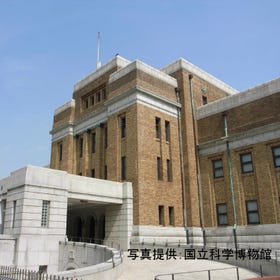
It is Japan's only national nature and science museum, which presents the history of nature and science; it is located in Tokyo. Its theater, in which a movie can be displayed in a panoramic 360 degrees, is worth seeing.
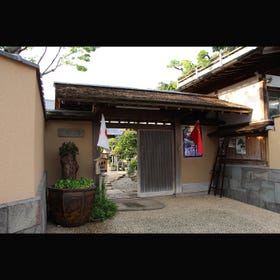
Founded by Kunio Kobayashi, the notable bonsai (potted plant) creator. Artistic bonsai are in line with each other at the Japanese garden. You can also purchase some of them.
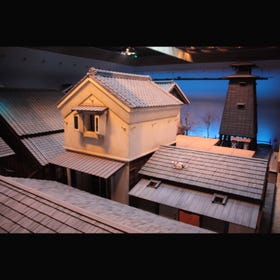
Reproduces the streets of Fukagawa Saga-cho in the Edo Period so visitors can see the scene and lifestyle of that period.
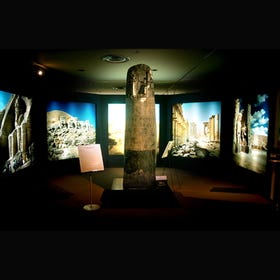
The museum has the ancient Orient as its theme. Visitors can learn about the hunting and gathering life of 5,000 years ago as well as the invention of writing.
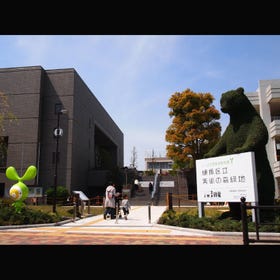
Holds many exhibitions and shows by artists connected to Nerima. A community-based art museum beloved by locals.
This is a museum built on the site where the Kawagoe Castle used to stand. Through various exhibitions, the museum explains how the people in the castle town lived.
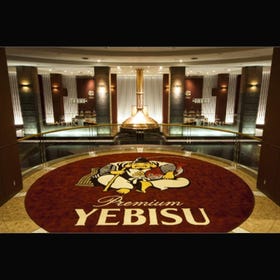
Museum of Yebisu Beer will teach you the history and the way to enjoy Yebisu beer at the birthplace of Yebisu beer.
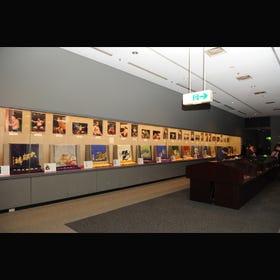
The Sumo Photography Museum is placed in the parking area of a photo studio. There are many items on display, including photographs of successive generations of great sumo wrestlers, references, and sumo wrestlers' ornamental aprons.
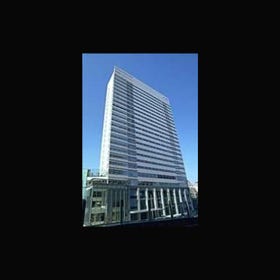
A museum located on the fourth floor of Panasonic Tokyo Shiodome Building. 230 pieces by Georges Rouault, a representative artist of the 20th century, are shown at this museum.
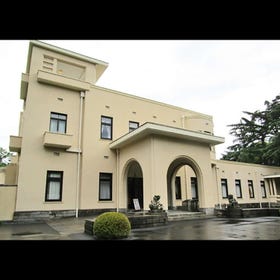
This art museum, which opened its doors in 1983, is out of ordinary among other museums in Tokyo. Located in the middle of the city, the museum harmonizes its art exhibitions, which utilize the former official residence of Asaka-no-miya (a branch of the Japanese Imperial Family) constructed in the early Showa period employing an Art Deco style, and the lushly green garden. After improvement of the old building, and an extension for a gallery and a cafe was added, the museum was re-opened in November 2014. In front of the art museum, there is a wide spread of lawn. You can put down a mat and eat your meal on this lawn.
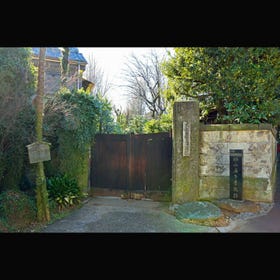
Daimyo Tokei Hakubutsu-kan, or Daimyo Clock Museum, is the museum of the Edo period's art and craftwork, daimyo clocks (Japanese clocks), and is located in the popular Yanaka area in the shitamachi (the geographically lower side) of Tokyo.
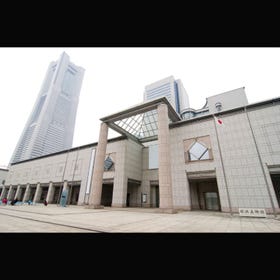
Yokohama Museum of Art is considered a symbol of the Minato Mirai 21 area. It consists of seven exhibition rooms and has a collection of over 110,000 books. It is one of the largest museums in Japan.
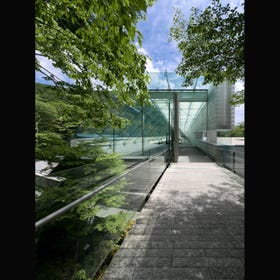
Pola Museum of Art, built in the forests of Hakone, is a glass-encased space where you can enjoy art and nature together.
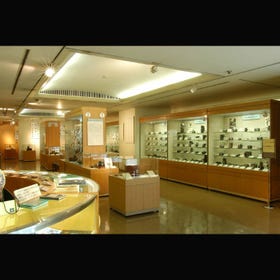
Nippon Camera Hakubutsu-kan or the JCII Camera Museum is a museum operated by the Japan Camera Industry Institute, and you can have fun learning and familiarizing yourself with cameras by looking at and touching cameras. There are more than 300 cameras on display.