Your base for exploring one of the world's largest calderas and active volcanoes.
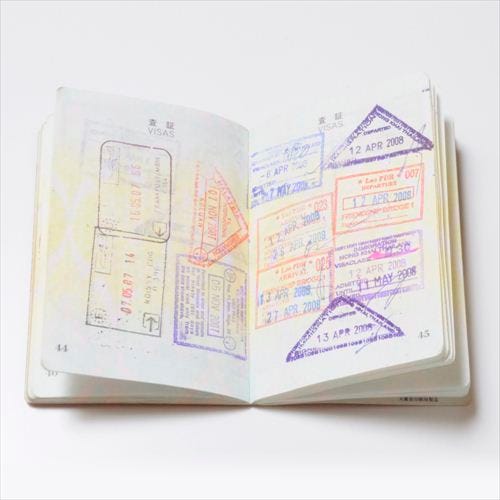
Pick up your items at the airport counter upon arrival in Japan.
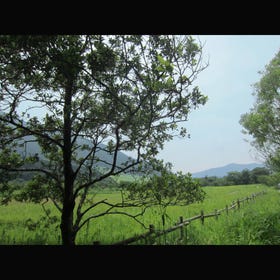
Various marsh plants grow in the marsh plant community in the Sengokuhara area. It was designated as a National Natural Treasure because its value in phytogeography was recognized.
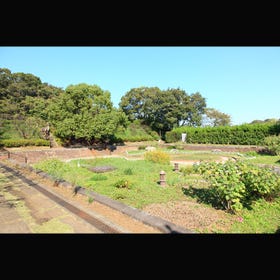
The Tumulus cluster dates back to the latter of the Kofun (tumulus) period (250 - 538). Excavations unearthed horse tack like bits for horses, Sue ware (type of unglazed pottery made from the middle of the Kofun era through the Heian era), Haji ware (plain, unglazed, reddish-brown Japanese pottery made from the Kofun era through the Heian era), and haniwa (clay figures from the Kofun period).
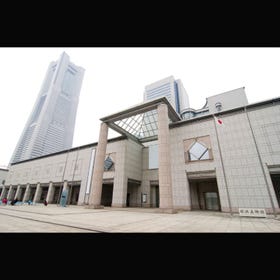
Yokohama Museum of Art is considered a symbol of the Minato Mirai 21 area. It consists of seven exhibition rooms and has a collection of over 110,000 books. It is one of the largest museums in Japan.
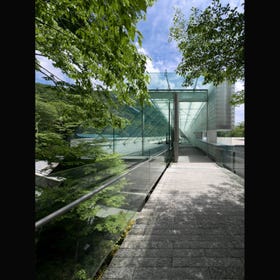
Pola Museum of Art, built in the forests of Hakone, is a glass-encased space where you can enjoy art and nature together.
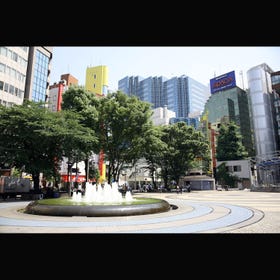
Ikebukuro Nishiguchi Park or the Ikebukuro West Gate Park is situated adjacent to the Tokyo Metropolitan Theater, which is located in front of the Ikebukuro Station. The park offers an artistic atmosphere with several art objects placed inside it.
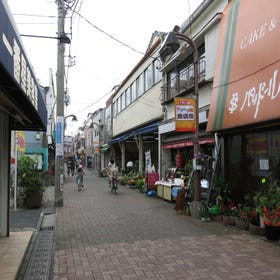
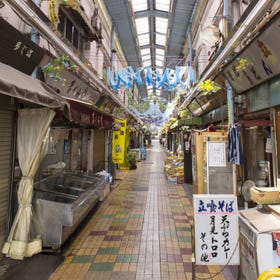
This is a shopping avenue with a retro presence. Its morning market held on the fourth Sunday every month is popular.
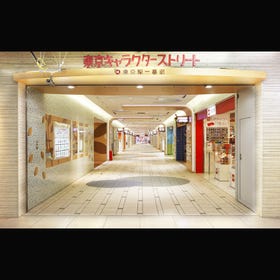
Many shops that sell popular character merchandise are located there. There are also limited editions that can only be found here.
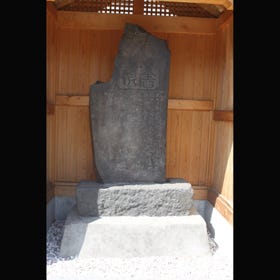
It is a poetic monument of the Namagumi Incident also known as the Richardson Affair, which took place in 1862, retelling the story of the death of an Englishman.
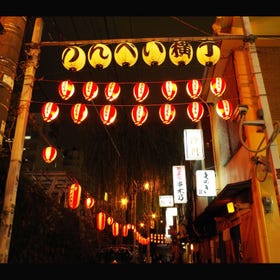
A small alley teeming with traditional izakayas (Japanese-style bars). A place to enjoy a the Showa Retro atmosphere while in Shibuya.
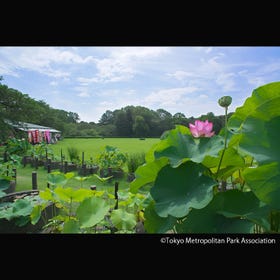
Jindai Botanical Garden, located in Chofu city, boasts 100,000 trees from 4,800 species.
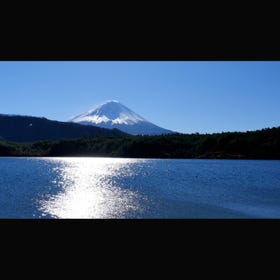
Lake Saiko is located at the center of the Fuji Five Lakes region. Fishing, camping and bird watching can be enjoyed in its vast natural environment.
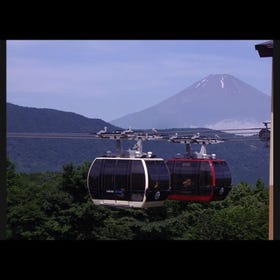
The Hakone Ropeway operates for about 4km from Tougendai station, facing Lake Ashi via Ubako and Owakudani stations, to Sounzan station. Opened in 1959, currently over 2 million people ride it each year. On the route going through Hakone mountains, you can view the nature which changes by seasons, such as cherry blossoms, azaleas, hydrangeas, and red and yellow leaves, as well as allowing you to view Mount Fuji in the distance on a sunny day. From Sounzan Station, the terminal station, you can change trains to Hakone Tozan cable cars and go to Gora Onsen (hot springs) and further down to the Hakone Open-Air Museum by Hakone Tozan Railway.
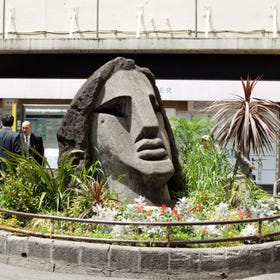
The Moyai statue is well-known as a meeting place at the Shibuya Station. It is a unique stone sculpture that has different faces carved on the front and the back.
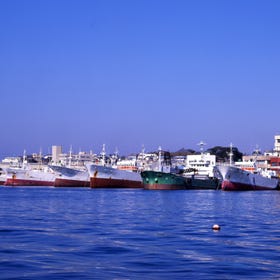
A fishing port at the tip of Miura Peninsula in Kanagawa famous for landing tuna. A great place to enjoy tuna dishes.
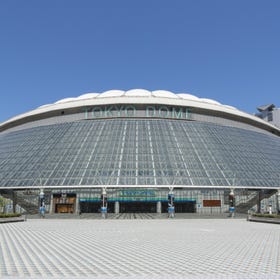
Tokyo Dome is Japan's first all-weather multi-purpose stadium. Concerts and events are held there, not to mention baseball games.
The main gate of Sensoji Temple. Its huge, impressive paper lantern with ”Kaminarimon” written in kanji is a landmark of Asakusa.
Start your Odawara and Hakone trip here! Explore the castle town's history and enjoy driving mountain roads in Hakone with Nippon Rent-A-Car!
A charming shitamachi (downtown) shopping street lined with takeout shops, candy shops, izakaya (bars) and more.