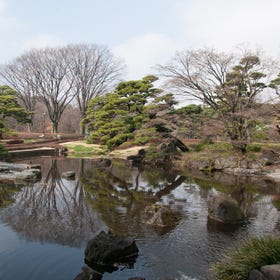
Japanese garden teeming with nature — in the midst of Tokyo. Stroll the garden and enjoy the sight of seasonal flowers and wild birds.
A zoological garden containing around 640 animals and 110 species from all over the world, displayed in a more free and natural environment.
This is a shrine founded on the vast premises surrounded by the mountains of Nikko. It is familiar to people as the god of luck and marital matchmaking.
Traditional Japanese bathhouses(SENTO).
A museum introducing Edo hanabi (fireworks) and brimming with the atmosphere of the era.
This is the first formal French garden in Japan. It harnesses a majestic space, filled with seasonal flowers and surrounded by the vast nature of Hakone.
Ryogoku Kokugikan or the Ryogoku Sumo Arena offers three grand sumo wrestling tournaments every year. This arena draws your attention with its traditional-style seats and atmosphere while you are enjoying games of the national sport of Japan (sumo).
Tokyo's iconic Tokyo Tower offers visitors a panoramic view of central Tokyo from its two observation decks. The tower itself is also popular for its night-time illumination.
Fully equipped to accommodate international visitors. Offers cashless payment options, towel rentals, and discount coupons specifically for travelers from abroad.
It is Japan's only national nature and science museum, which presents the history of nature and science; it is located in Tokyo. Its theater, in which a movie can be displayed in a panoramic 360 degrees, is worth seeing.
The museum exhibits precious fossils of prehistoric life and a large diorama replicated the forests of Saitama. It is a museum where you can learn the 300 million years of the natural history of the prefecture.
A museum were you can enjoy the modern works painted by the illustrators such as Takabatake Kasho who swept through the art publication world.
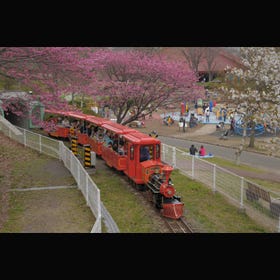
A place where you can immerse yourself in nature and play in an atmosphere of undeveloped woodlands.
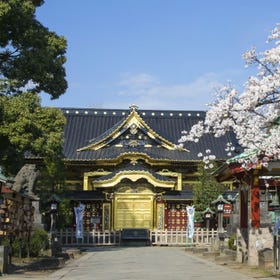
A significant cultural property with the feel of Edo/Tokyo. Richly decorated with gold foils, the magnificent main building also known as the ”shrine of gold” is astounding.
The Meguro Parasitological Museum exhibits 300 specimens of tapeworms and related material from inside and outside Japan. This is a research facility and museum devoted to parasites.
This is an art museum that houses and exhibits modern and contemporary Japanese art. It hosts special exhibitions on a wide range of themes.