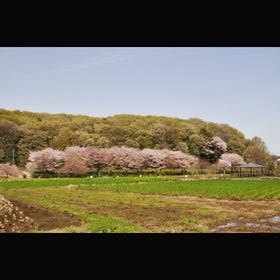
The largest Tokyo Metropolitan Park rich with nature. Offers various leisure activities such as viewing the fields and the woods and playing in the forest.
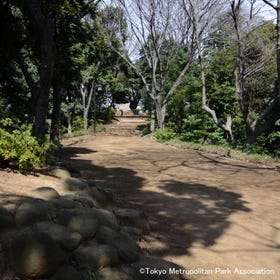
One of the four metropolitan parks at Sayama hill. Enjoy walking in the thicket that stretches through the entire park.
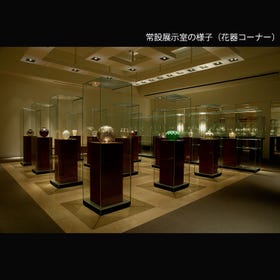
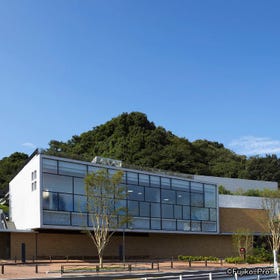
Lalique Museum, Hakone exhibits about 230 pieces of French artist, René Lalique (1860-1945) who created precious jewelry in Art Nouveau style, and beautiful objects in glass during Art Deco period.
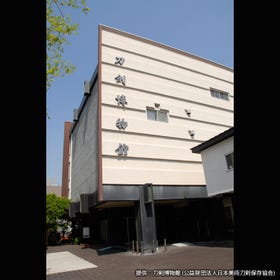
A museum specializing in Japanese swords. Some 190 items including swords, mountings and fittings, armor, and information on metalwork.
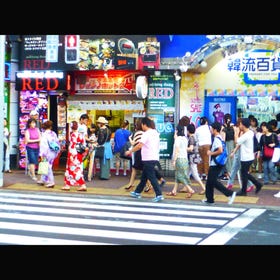
This is a Korean town where both Japanese and Korean shops are gathered. It is brimming with an exotic atmosphere where you can enjoy authentic Korean food, cosmetics, and culture.
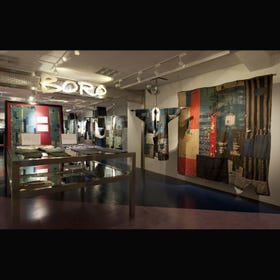
Amuse Museum is an art complex where a museum of the textile culture and ukiyoe (paintings of everyday life in the Edo period 1603 – 1868), a select shop of Japanese-style products, and an event hall are combined.
Fully equipped to accommodate international visitors. Offers cashless payment options, towel rentals, and discount coupons specifically for travelers from abroad.
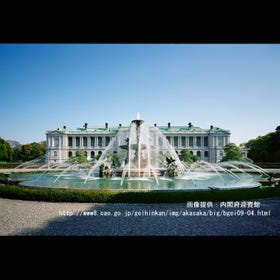
Akasaka Palace, or the State Guest House, is a neo baroque-style building with a stately, gorgeous look. It welcomes state and official guests from all over the world.
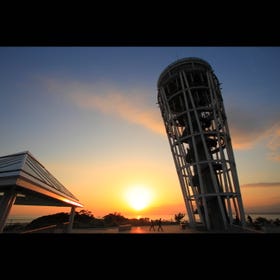
A lighthouse with an observation platform that is affectionately considered a symbol of Shonan. Its distinctive features are a majestic view of the ocean and illumination that changes color with the seasons.
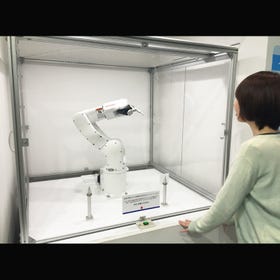
A technology gallery where you can experience Japanese high technology by looking, touching and operating. A guided tour is available, as well.
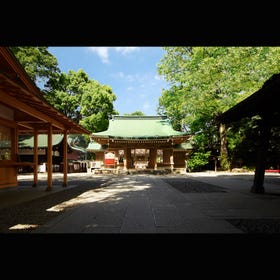
This is a historical shrine established about 1,500 years ago. The gods for a good marriage match and family harmony are enshrined.
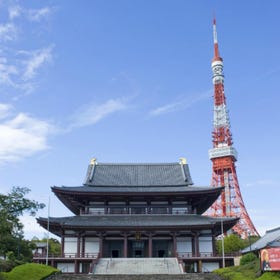
Zojo-ji is one of the seven Daihonzan (head temples) of Jodo-shu Buddhism and contains many designated Cultural Properties. It is also where the souls of the Tokugawa clan are mourned.
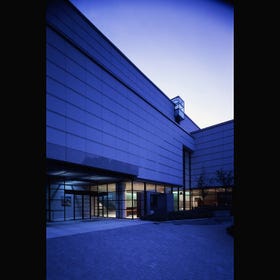
This is an art museum that houses and exhibits modern and contemporary Japanese art. It hosts special exhibitions on a wide range of themes.
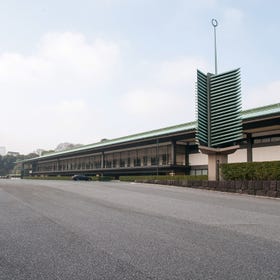
It is the palace where the generations of Emperors and Empresses of Japan have lived starting in the Meiji era (1868-1912) to this day. You can visit the palace site as long as you obtain prior permission.
It is a 106-meter-long zenpo-koen-fun that is a mound shaped like a keyhole. This tumulus is the largest in Tokyo and is said to have been built in the 5th century.
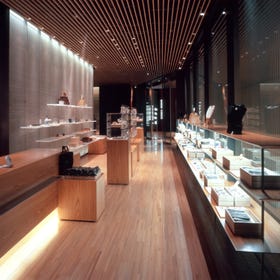
The Suntory Museum of Art is directly connected with Roppongi Station and inside Tokyo Midtown — a chic integrated complex where you can enjoy shopping.
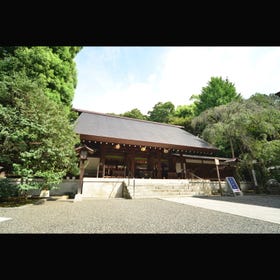
Nogi Shrine is a shrine where Nogi Maresuke (1849 - 1912), a general in the Imperial Japanese army during the Meiji period (1868-1912), and his wife are enshrined.
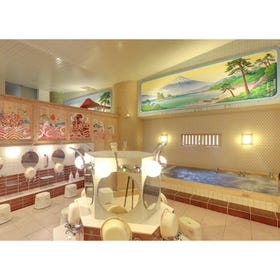
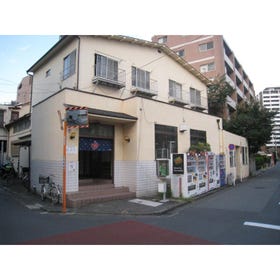
Traditional Japanese bathhouses(SENTO).
A museum where you can enjoy the world of Fujiko F. Fujio through original images of Doraemon and other characters. The museum also includes a cafe and a shop.